

Shown: · With its frame:
 Podgląd w skali 1:1
 Wyślij jako kartkę
 Udostępnij
 Szczegóły dzieła
 Przewodnik

 Pobierz obraz
 Podobne obiekty
 RTG
RTG Pokaz slajdów
 Q&A
Q&A Statystyki


zł 1036
Ręcznie malowana reprodukcja olejowa
Ręcznie malowany obraz olejny na płótnie, wykonany na zamówienie przez naszych artystów w wybranym przez Ciebie wymiarze i oprawie. ( Przełącz na wydania drukowane Przejdź do wersji cyfrowej)
Size
·Standardowy format
personalizowane
CM
INCH
Wybierz spośród naszych standardowych rozmiarów, które zachowują oryginalne proporcje dzieła sztuki.
Loading sizes...

szerokość
wysokość
Wpisz wymaganą szerokość i wysokość, aby obraz pasował do Twojej ramy lub ściany. Ponieważ jest to dzieło malowane ręcznie, w przypadku rozmiaru o innych proporcjach artysta może domalować nieco więcej wokół obrazu lub przyciąć jego fragmenty — wybór należy do Ciebie. Przed rozpoczęciem pracy prześlemy Ci cyfrową wizualizację do zatwierdzenia. Obraz widoczny na tej stronie nie przedstawia rzeczywistego efektu — jedynie wizualizacja oddaje realny rezultat.
 Dowiedz się więcej
Finish
·
White zł1

Blurside zł1

Extended zł1

P118B zł10

P118H zł10

P118W zł10

P438Z zł10

P508JH zł12

P508YH zł12

P805H zł10

P805Z zł10

P919BZ zł10

P919G zł10

P919XJ zł10

P959ZH zł10

P968JZ zł12

W106C zł8

W218G zł10

W218JH zł8

W218Y zł10

W307PJ zł10

W316G zł10

W316PJ zł8

W316Y zł10

W398PJ zł8

W4111J zł10

W500HY zł15

W500JH zł15

W692G zł12

W849H zł8

W940BG zł15

W953PJ zł8

H24-GOLD zł30

H24-SILVER zł30

H36-GOLD zł45

H36-SILVER zł45
Shipped in a protective tube, ready for your own framer.
Above 105 cm the frame is shipped as a kit for a professional framer — read the details.
Extras
optionalWhat do the extras include?
Examples of what can be changed: Replace face with customer photo; Add pet (e.g., replace cat with dog); Include hidden message in background; Change background landscape or elements.
After order, TopImpressionists.com team will email client for instructions and provide a mockup preview
After order, TopImpressionists.com team will email client for instructions and provide a mockup preview
Dostawa na całym świecie () w ciągu 3–4 tygodni zamiast standardowych 5 tygodni. (30 Październik). Bez kompromisów w kwestii jakości.
Lakier ochronny
Etykieta obiektu
Szczegóły grawerowanej brązowej tabliczki
This elegant plaque features the artist's name and the title of the artwork, finely engraved for a timeless presentation.
It is made from bronze with a refined, elegant finish. The text is precisely laser-engraved for a sharp and permanent result. Measuring 9x2 cm, the plaque is compact yet easy to read. It's built to be durable and scratch-resistant, offering a professional, museum-quality look. Mounting is simple thanks to the included adhesive backing.
Szczegóły przezroczystej tabliczki akrylowej
The plaque includes essential engraved details such as the artist's name, the title of the artwork, the date it was created, the type of media used-like oil on canvas or watercolor-a brief description of the piece, and a QR code that links to the complete artwork information.
It is crafted from clear acrylic, offering a sleek, modern appearance. The text is UV-engraved in black to ensure strong visual contrast. With a size of 10x15 cm, it ensures optimal readability. It comes equipped with two metal hooks for secure wall mounting. The plaque is designed to be weather-resistant, making it suitable for various environments, and it includes interactive features that work seamlessly with smartphone scanning.
Szczegóły czarnej tabliczki akrylowej
This elegant plaque includes engraved information such as the artist's name, the title of the artwork, the date it was created, the type of media used (like oil on canvas or watercolor), a short description of the artwork, and a QR code for quick access to more information.
The plaque itself is made from refined black acrylic with a premium finish. The text is laser-engraved in white for high contrast and readability. Its size is 10x15 cm, designed to be easy to read. It comes with two metal hooks for professional mounting. The design is sleek and fits any interior style. It is also weather-resistant and durable, with built-in digital integration for mobile compatibility.
Opcja ze szkłem jest dostępna wyłącznie w rozmiarach poniżej 110 cm
 Opcja ze szkłem jest dostępna wyłącznie w rozmiarach poniżej 110 cm
- Bezpłatna ekspresowa wysyłka na cały świat
- Wysokiej jakości płótno lniane
- Pełne ubezpieczenie przesyłki
- Gwarancja zwrotu należności celnych i podatków importowych
- Gwarancja wiernego odwzorowania kolorów
- 100-dniowa polityka zwrotów (tylko w przypadku wad)
- Gwarancja 100% zwrotu pieniędzy
- Zniżka przy zakupie wielu sztuk


Opis obiektu
Biografia artysty
Vincent van Gogh (1853-1890): Poznaj życie i twórczość holenderskiego mistrza postimpresjonizmu, autora „Gwiaździstej nocy” i „Słoneczników”. Odkryj jego odważny styl i trwały wpływ na sztukę nowoczesną.
About the painting
A Tempestuous Embrace: Van Gogh’s ‘Cypresses with Two Figures’
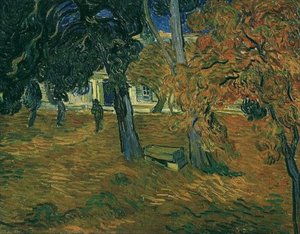
Vincent van Gogh's “Cypresses with Two Figures,” painted in 1890, isn’t merely a landscape; it’s a visceral outpouring of emotion rendered in oil on canvas. This work, created during a period of intense personal and artistic exploration for the Dutch master, captures a pivotal moment – a confrontation between the raw power of nature and the quiet contemplation of human presence. The scene unfolds within the Provençal countryside, a region that had become increasingly central to Van Gogh’s vision, offering him both solace and a potent source of inspiration. It's a painting saturated with the energy of the ‘mistral,’ the fierce southern wind that sculpted the landscape and, according to Van Gogh himself, imbued it with an almost palpable vitality.
The Language of Cypress and Sky
Van Gogh’s masterful manipulation of color and brushstroke is immediately arresting. The cypresses, towering sentinels against the turbulent sky, are not depicted as static trees but rather as flames reaching for the heavens – a deliberate choice that echoes the Egyptian obelisks Van Gogh admired, finding parallels between ancient symbolism and his own artistic endeavors. These dark, swirling forms dominate the composition, their intense green punctuated by flashes of blue and purple, mirroring the dynamic movement of the wind. The sky itself is a restless canvas of blues and whites, conveying both the beauty and the threat inherent in nature’s power. The impasto technique – applying paint thickly to create texture and depth – is particularly evident here, lending a three-dimensional quality to the scene and intensifying the sense of movement.
Figures Amidst the Fury
Two indistinct figures are positioned in the background, seemingly observing this dramatic landscape. Their presence isn’t one of direct engagement but rather an invitation for contemplation – a subtle reminder of humanity's place within the vastness of nature. They are rendered with minimal detail, almost dissolving into the surrounding vegetation, suggesting a sense of anonymity and perhaps even insignificance when confronted by such overwhelming natural forces. The placement of these figures subtly shifts the focus from the imposing cypresses to the human element, prompting viewers to consider their own relationship with the world around them.
A Gift of Gratitude and Recognition
The painting’s creation coincided with a moment of unexpected recognition for Van Gogh. Albert Aurier, a prominent critic, penned an enthusiastic article praising his work, describing him as a “dreaming realist” who possessed the extraordinary ability to bend reality to his artistic will. In response, Van Gogh sent Aurier this evocative canvas – a gesture of gratitude and a testament to the transformative power of art. “Cypresses with Two Figures” stands not just as a beautiful depiction of the Provençal landscape but also as a poignant reflection of Van Gogh’s evolving artistic philosophy and his deep connection to the world he sought to capture on canvas.
Collecting the Essence: A Reproduction for Your Space
TopImpressionists offers meticulously crafted, hand-painted reproductions that faithfully recreate the intensity and emotion of Van Gogh's “Cypresses with Two Figures.” Each reproduction is created by skilled artists who understand the nuances of Van Gogh’s technique, ensuring a faithful representation of his brushstrokes, color palette, and overall composition. Whether you are an art enthusiast, a collector seeking to expand your collection, or simply someone looking for a captivating piece to enhance your interior space, our reproductions provide a beautiful and authentic way to experience the enduring power of this iconic work. Bring the tempestuous beauty of Provence into your home – a timeless masterpiece brought to life.
Pytania i odpowiedzi
Jaki rozmiar wydruku jest zalecany dla „Cypresses with two figures” – Vincent Van Gogh?
Zalecany rozmiar wydruku dla „Cypresses with two figures” – Vincent Van Gogh to Large.
Do jakiego nurtu i epoki zalicza się „Cypresses with two figures” – Vincent Van Gogh?
"Cypresses with two figures" należy do nurtu Post-Impressionism, a jego twórca tworzył w epoce – Wiek XIX.
Gdzie mogę kupić wydruk „Cypresses with two figures” – Vincent Van Gogh?
„Cypresses with two figures” jest dostępny jako szlachetna odbitka na płótnie bawełnianym lub archiwalnym papierze o strukturze płótna. Zamówienia można składać na stronie Wydruk artystyczny premium, wybierając dowolny rozmiar.
Quick facts and art quiz
About Vincent Van Gogh

Vincent Van Gogh
1853 - 1890, Holandia
Biografia artysty
Życie namalowane pasją: Vincent van Gogh
Vincent Willem van Gogh, nazwisko będące synonimem żywych barw i surowych emocji, pozostaje jedną z najbardziej rozpoznawalnych i ukochanych postaci w historii sztuki. Urodzony 30 marca 1853 roku w Zundert w Holandii, przeszedł drogę od targanego niepokojami młodzieńca poszukującego celu w życiu do artystycznego wizjonera – jest to przejmująca opowieść o oddaniu, walce i ostatecznie, trwałym dziedzictło. Choć za życia osiągnął niewiele sukcesów komercyjnych – sprzedając przed śmiercią tylko jeden obraz, Czerwona winnica – wpływ Van Gogha na sztukę nowoczesną jest niezmierzony, torując drogę ekspresjonizmowi i inspirując niezliczonych następców. Jego historia to nie tylko opowieść o pociągnięciach pędzla i płótnach; to świadectwo potęgi ludzkiej ekspresji w obliczu przeciwności losu.
Wczesne lata i artystyczne przebudzenie
Wczesne lata Van Gogha naznaczone były serią niespełnionych aspiracji. Próbował swoich sił w różnych profesjach – jako marszand, nauczyciel, a nawet misjonarz – zanim ostatecznie poświęcił się malarstwu w stosunkowo późnym wieku 27 lat. Te wcześniejsze doświadczenia głęboko ukształtowały jego światopogląd i znalazły odzwierciedlenie w jego twórczości. Jego pierwsze prace, przedstawiające sceny z życia chłopów na wiejskiej belgijskiej ziemi, odzwierciedlają głęboką empatię dla klasy pracującej oraz ponurą paletę barw oddającą ich trudny los. Pod wpływem artystów takich jak Jean-François Millet, Van Gogh dążył do uchwycenia godności i wytrwałości tych ludzi poprzez surowy realizm. Jednak to przeprowadzka do Paryża w 1886 roku okazała się przełomowa. Tam zetknął się z impresjonizmem i postimpresjonizkiem, chłonąc techniki mistrzów takich jak Monet, Renoir i Pissarro. To spotkanie poszerzyło jego artystyczne horyzonty, skłaniając go do eksperymentowania z jaśniejszymi kolorami i swobodniejszymi pociągnięciami pędzla, przy jednoczesnym zachowaniu wyraźnej intensywności emocjonalnej, której brakowało wielu jego współczesnym. Kluczową rolę w tym okresie odegrał jego brat Theo, marszand, który zapewniał wsparcie finansowe i stanowił żywe ogniwo łączące Vincenta ze światem paryskiej sztuki. Ich obszerna korespondencja oferuje bezcenną wgląd w rozwój artystyczny Van Gogha oraz jego osobiste zmagania.
Południowe światło i eksplozja kreatywności
Pragnąc odnaleźć bardziej żywy krajobraz i poczucie odnowy, Van Gogh przeniósł się w 1888 roku do Arles w południowej Francji. Ruch ten zapoczątkował okres intensywnej twórczości, charakteryzujący się eksplozją barw i charakterystyczną techniką impasto – nakładaniem grubej warstwy farby na płótno, co tworzyło teksturalną powierzchnię zdającą się pulsować energią. To właśnie tutaj powstały niektóre z jego najbardziej ikonicznych dzieł: Słoneczniki, Nocna kawiarnia oraz Gwiaździsta noc. Intensywne słońce Prowansji zdawało się rozpalać jego wyobraźnię, prowadząc do przedstawiania pejzaży i martwych natur z niespotykaną dotąd witalnością. Pragnienie artystycznej współpracy skłoniło go do zaproszenia Paula Gauguina do Arles, z nadzieją na założenie utopijnej kolonii artystów. Jednak ich relacja okazała się burzliwa i doprowadziła do dramatycznej konfrontacji, w wyniku której Van Gogh okaleczył własne ucho. Wydarzenie to podkreśliło kruchość jego stanu psychicznego i zapoczątkowało okres hospitalizacji oraz narastającego cierpienia psychicznego.
Późniejsze lata i nieprzemijające dziedzictwo
Po załamaniu nerwowym Van Gogh dobrowolnie trafił do azylu w Saint-Rémy, gdzie kontynuował niezwykle płodną twórczość, uwieczniając otaczające go krajobrazy z równą siłą piękna i niepokoju. Dzieła takie jak Gwiaździsta noc, namalowane w tym czasie, są przesycone poczuciem kosmicznej tajemnicy i głębokiej emocjonalnej głębi. Później przeniósł się do Auvers-sur-Oise pod opiekę doktora Paula Gacheta, lecz jego zmagania nie ustawały. 29 lipca 1890 roku, w wieku 37 lat, Van Gogh tragicznie zmarł w wyniku odniesionego przez siebie postrzału. Mimo niewielkiego uznania za życia, jego twórczość zaczęła zdobywać sławę pośmiertną, głównie dzięki niezmordowanym wysiłkom jego bratowej, Johanny van Gogh-Bonger, która odziedziczyła jego spadek i poświęciła się promowaniu jego sztuki. Dziś obrazy Van Gogha są celebrowane na całym świecie za ich emocjonalną intensywnłość, innowacyjne techniki i nieprzemijające piękno. Jego dziedzictwo wykracza daleko poza ramy płótna; stał się on symbolem artystycznej pasji, wytrwałości w obliczu przeciwności oraz potęgi sztuki do wyrażania najgłębszych ludzkich emocji.
Kluczowe wpływy i rozwój artystyczny
- Wczesny realizm: Przedstawienia życia chłopskiego autorstwa Jean-François Milleta wpłynęły na wczesne prace Van Gogha.
- Impresjonizm i postimpresjonizm: Kontakt z Monetem, Renoirem, Pissarrem i innymi artystami w Paryżu poszerzył jego paletę barw oraz technikę.
- Drzeworyty japońskie: Van Gogh był pod głębokim wpływem japońskich drzeworytów, które gorliwie kolekcjonował. Ich odważna kompozycja i płaskie plamy koloru wpłynęły na jego własny styl.
- Ekspresja emocjonalna: Przede wszystkim Van Gogh dążył do przekazania emocji poprzez swoją sztukę, stawiając subiektywne doświadczenie ponad obiektywną reprezentację. Ta koncentracja na intensywności emocjonalnej stała się definiującą cechą jego twórczości i utorowała drogę ekspresjonizmowi.
Quick facts about Vincent Van Gogh
- Artistic Movement Or Style: Postimpresjonizm
- Artists Or Movements Influenced By This Artist:
- Ekspresjonizm
- Fawizm
- Artists Who Influenced This Artist:
- Rembrandt
- Millet
- Date Of Birth: 30 marca 1853
- Date Of Death: 29 lipca 1890
- Full Name: Vincent Willem van Gogh
- Nationality: Holender
- Notable Artworks:
- Słoneczniki
- Gwiazda Nocy
- Jedzący kartofle
- Place Of Birth: Zundert, Holandia
Podobne dzieła




Odkryj dzieła sztuki uporządkowane według tematów, stylów i cech charakterystycznych.


Vincent Van Gogh
Cypresses with two figures
() ·
With its frame: · Hand-painted in oil on linen
Total