


 Podgląd w skali 1:1
 Wyślij jako kartkę
 Udostępnij
 Szczegóły dzieła
 Przewodnik

 Pobierz obraz
 Podobne obiekty
 RTG
RTG Pokaz slajdów
 Statystyki
Black Rationality-Pathology Analysis
 Oil On Canvas
- WallArt
- Contemporary Art
 Contemporary
 70.0 x 95.0 cm
 Today Art Museum
A dramatic black and white painting by Wang Guangyi captures two figures sitting back-to-back in a profound study of isolation and depth, inviting you to explore this evocative piece for your collection.
 Rozwiń treść
Poznaj sztukę Political Pop Wang Guangyi, czołowego chińskiego artysty współczesnego. Znany z serii 'Great Criticism', łączącej propagandę Rewolucji Kulturalnej z zachodnimi logotypami, rzuca wyzwanie wizjom władzy i konsumpcjonizmu.
Dzieło sztuki prezentowane na tej stronie podlega ochronie prawem autorskim, co oznacza, że nie mamy prawa do tworzenia ani sprzedaży jego identycznej reprodukcji. Ochrona ta jest egzekwowana na mocy umów międzynarodowych, takich jak Konwencja berneńska oraz przez przepisy prawa krajowego, w tym te określone w Prawo autorskie USA – Tytuł 17.
Metoda ta jest w pełni zgodna z przepisami prawa autorskiego, ponieważ nie polega na kopiowaniu ani powielaniu chronionego dzieła. Stanowi ona kreatywną reinterpretację – nowy obraz, który czerpie inspirację z oryginału, ale nie jest z nim tożsamy.
Giclée / Wydruk artystyczny
Wydruki giclée lub płótna o jakości muzealnej, szybka realizacja i szeroki wybór opcji wykończenia. ( Zamów ręcznie malowaną reprodukcję Przejdź do wersji cyfrowej)




P118B zł10

P118H zł10

P118W zł10

P438Z zł10

P508JH zł12

P508YH zł12

P805H zł10

P805Z zł10

P919BZ zł10

P919G zł10

P919XJ zł10

P959ZH zł10

P968JZ zł12

W106C zł8

W218G zł10

W218JH zł8

W218Y zł10

W307PJ zł10

W316G zł10

W316PJ zł8

W316Y zł10

W398PJ zł8

W4111J zł10

W500HY zł15

W500JH zł15

W692G zł12

W849H zł8

W940BG zł15

W953PJ zł8




Standardowy format
personalizowane
CM
INCH
Wybierz spośród naszych standardowych rozmiarów, które zachowują oryginalne proporcje dzieła sztuki.
Loading sizes...

szerokość
wysokość
Wpisz wymaganą szerokość i wysokość, aby dopasować grafikę do ramy lub ściany. Wydruk można jedynie przyciąć, nigdy nie powiększając go poza oryginalny obraz, dlatego format o innych proporcjach spowoduje utratę części kompozycji. Przed rozpoczęciem druku prześlemy Ci cyfrowy podgląd do zatwierdzenia. Obraz wyświetlany na tej stronie nie pokazuje rzeczywistego przycięcia — jedynie podgląd oddaje ten efekt.
Dostawa na cały świat () w ciągu 2 tygodni zamiast standardowych 4/5 tygodni. (27 Październik)

Bezpłatna ekspresowa wysyłka na cały świat

Wysokiej jakości płótno lniane

Pełne ubezpieczenie przesyłki

Gwarancja zwrotu należności celnych i podatków importowych

Gwarancja wiernego odwzorowania kolorów

100-dniowa polityka zwrotów (tylko w przypadku wad)

Gwarancja 100% zwrotu pieniędzy

Zniżka przy zakupie wielu sztuk
 Opcja ze szkłem jest dostępna wyłącznie w rozmiarach poniżej 110 cm

Black Rationality-Pathology Analysis
Giclée / Wydruk artystyczny
Wymiary reprodukcji
-


Cena całkowita
zł 265
A Study in Solitude and Contrast
In the evocative masterpiece Black Rationality-Pathology Analysis, the viewer is immediately drawn into a profound psychological landscape. The painting presents two figures seated in chairs, their backs turned toward one another in a silent, heavy dialogue of separation. This composition, rendered with a striking black and white color scheme, strips away the distractions of the natural world to focus entirely on the raw tension between the subjects. The deliberate use of blue for the chair seats provides the only departure from the monochromatic drama, acting as a subtle anchor that draws the eye into the center of this interpersonal void. It is a scene that feels both intimate and infinitely distant, inviting anyone who gazki it to contemplate the invisible barriers that exist even in our closest connections.
The technique employed here speaks to a mastery of depth and atmospheric weight. Through the careful manipulation of light and shadow, the artist creates a sense of three-dimensional space that feels almost tactile. The starkness of the monochrome palette does not merely simplify the image; rather, it intensifies the emotional resonance of every brushstroke. For collectors and interior designers, this piece offers a sophisticated focal point that commands attention through its minimalist elegance. The interplay of light against the dark, brooding tones creates a dramatic chiaroscuro effect that can transform a modern living space or a curated gallery wall into a site of deep intellectual reflection.
The Weight of Modernity and Symbolism
To understand this work, one must look toward the artistic lineage of Wang Guangyi. Emerging from the complex socio-political landscape of China, Wang has long been a pioneer in exploring the friction between ideology and existence. In Black Rationality-Pathology Analysis, we see a departure from his famous Great Criticism series—which often utilized bold commercial logos—toward a more introspective, philosophical inquiry. The title itself suggests a clinical examination of human behavior, perhaps dissecting the "pathology" of modern isolation. The figures, by turning away from each other, become symbols of the fragmented nature of contemporary identity, where rationality and emotion are often at odds.
The emotional impact of the painting lies in its ability to evoke a sense of mystery and quiet melancholy. There is an undeniable intrigue in the unknown relationship between these two souls; are they estranged lovers, or perhaps representatives of conflicting ideologies? This ambiguity is precisely what makes the piece so enduringly captivating. For those seeking to decorate a space with art that provokes thought and conversation, this reproduction serves as a window into the complexities of the human condition. It is more than just a visual arrangement; it is an invitation to sit within the silence and find meaning in the shadows.
Pytania i odpowiedzi
Jak harmonijna jest kolorystyka dzieła „Black Rationality-Pathology Analysis” – Wang Guangyi?
Kolory dzieła „Black Rationality-Pathology Analysis” – Wang Guangyi wykazują Balanced Harmony harmonię. Harmonia ta opisuje wzajemne relacje między barwami.
Jaki jest format i wymiary dzieła "Black Rationality-Pathology Analysis"?
„Black Rationality-Pathology Analysis” – Wang Guangyi ma proporcje pracy w formacie Landscape o wymiarach 70 x 95 cm.
W jakiej technice wykonano „Black Rationality-Pathology Analysis” – Wang Guangyi?
„Black Rationality-Pathology Analysis” wykonano w technice Oil On Canvas.
Biografia artysty
Wang Guangyi: Biografia
Wczesne lata i edukacja
- Miejsce urodzenia: Harbin, Chiny (1957)
- Doświadczył burzliwych czasów Rewolucji Kulturalnej, pracując w wiejskiej osadzie, zanim poświęcił się w pełni sztuce.
- Studiował w Zhejiang Academy of Fine Arts, kończąc wydział malarstwa olejnego w 1984 roku.
Rozwój artystyczny i kluczowe dzieła
- Wczesne prace (lata 80.): Artysta zgłębiał zachodnią filozofię poprzez serie takie jak „North Pole” i „Post-Classical”, często wykorzystując szare tony oraz nawiązania do ikonicznych dzieł sztuki Zachodu, aby odejść od klasycznych stylów.
- Seria The Great Criticism (1990–2007): To najsłynniejszy cykl prac Wang Guangyi, który w sposób genialny łączy socjalistyczną ikonografię z czasów Rewolucji Kulturalnej z logotypami zachodnich marek konsumpcyjnych. Seria ta stanowi krytykę konfliktu między ideologią polityczną a komercjalizmem; przykładem może być dzieło „Great Criticism: Coca-Cola”.
- Serie VISA, Passport, and Virus Carriers (lata 90.): Instalacje te przedstawiają wizerunki jednostek zestawione z biurokratycznymi informacjami, stanowiąc komentarz do tematu kontroli państwowej oraz tożsamości indywidualnej.
- Seria Materialist (2001–2005): W tym okresie artysta badał tematy transcendencji, wykorzystując rzeźby wywodzące się z estetyki propagandowej, co odzwierciedlało jego zainteresowanie materializmem dialektycznym.
Wpływy i styl artystyczny
- Ernst Gombrich: Wang wskazuje na teorię dziedzicznych „schematów” Gombricha jako kluczową dla jego podejścia do artystycznej rewizji i ciągłości kulturowej.
- Andy Warhol i Joseph Beuys: Pod wpływem tych twórców, Wang wypracował styl Political Pop, który w sposób bezkompromisowy łączy socjalistyczną symbolikę z odniesieniami do kultury konsumpcyjnej.
- Political Pop: Wang jest uznawany za czołową postać ruchu Political Pop, wykorzystując sztukę jako narzędzie do krytyki struktur władzy politycznej i komercyjnej.
Znaczenie historyczne i dziedzictwo
- Lider Nowego Ruchu Artystycznego (po 1989 r.): Wang Guangyi odegrał fundamentalną rolę w kształtowaniu oblicza współczesnej sztuki chińskiej po wydarzeniach roku 1989.
- Krytyka propagandy: Jego twórczość rzuca wyzwanie odbiorcy, zmuszając do krytycznego spojrzenia na propagandę płynącą zarówno z systemów socjalistycznych, jak i kapitalistycznych.
- Globalne uznanie: Jego prace, prezentowane na całym świecie, znajdują się w najważniejszych kolekcjach muzealnych, co ugruntowało jego pozycję jako niezwykle istotnej postaci w historii sztuki współczesnej.

Wang Guangyi
1957 - , Chiny
Krótka nota
- Artistic Movement Or Style: Political Pop
- Artists Who Influenced This Artist:
- Andy Warhol
- Joseph Beuys
- Ernst Gombrich
- Date Of Birth: 1957
- Full Name: Wang Guangyi
- Nationality: Chiński
- Notable Artworks:
- seria North Pole
- seria Post-Classical
- seria Great Criticism
- seria VISA
- seria Passport
- Place Of Birth: Harbin, Chiny
Powiązane artykuły

Shadow & Soul: Why Black & White Photography Remains the Ultimate Power Move in Modern Art
Discover why black & white photography remains a powerful force in contemporary art. Explore the impact of light, shadow, and texture through a visual journey of monochrome mastery and learn how to elevate your space with timeless grayscale aesthetics.

Top 10 Sławnych Obrazów w Odcieniach Szaroniebieskiego – Inspiracje dla Wnętrz | TopImpressionists.com
Odkryj 10 najsłynniejszych obrazów w odcieniach szaroniebieskiego! Poznaj historie Claude Moneta, Degasa i Van Gogha. Inspiracje wnętrzarskie i reprodukcje najwyższej jakości na TopImpressionists.com – sztuka dla Twojego domu.

Białe arcydzieła: Top 10 słynnych obrazów pełnych światła i emocji | TopImpressionists.pl
Odkryj 10 najsłynniejszych obrazów, w których biel dominuje i tworzy wyjątkową atmosferę. Poznaj historie Moneta, Van Gogha i innych mistrzów! Reprodukcje najwyższej jakości na TopImpressionists.com – inspiracje wnętrzarskie i kolekcjonerstwo sztuki online.

Czarne arcydzieła: Top 10 słynnych obrazów pełnych mroku i ekspresji | TopImpressionists.com
Odkryj 10 słynnych obrazów, w których czerń króluje! Poznaj historie artystów, ekspresjonizm i mroczną paletę barw. Reprodukcje dzieł sztuki najwyższej jakości na TopImpressionists.com – inspiracje do wnętrz i kolekcjonerstwo.
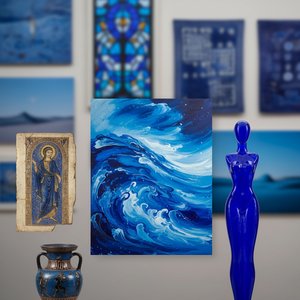
Błękit w Sztuce: Symbolika, Historia i Psychologiczne Oddziaływanie Koloru
Odkryj fascynującą historię błękitu w sztuce! Poznaj symbolikę, psychologię i wpływ tego koloru na arcydzieła renesansu i współczesne trendy. Ekspercka analiza dla miłośników sztuki.