


 Zobacz w skali 1:1
 Wyślij
 Udostępnij
 Szczegóły
 Przewodnik

 Pobierz plik obrazu
 Podobne obiekty
 RTG
RTG Pokaz slajdów
 Statystyki
Castle Eden Dene
 Romanticism
 43.0 x 34.0 cm
 Darlington Library
Admire 'Castle Eden Dene' by William Bewick – a captivating landscape painting. Hand-painted reproduction available in various sizes. Bring timeless art into your home!
Poznaj życie i twórczość Williama Bewicka – angielskiego rytownika i ilustratora zwierząt, który zasłynął szczegółowymi przedstawieniami świata brytyjskiego oraz scen historycznych. Odkryj jego dziedzictwo!
 Czytaj więcej
Dzieło sztuki prezentowane na tej stronie podlega ochronie prawem autorskim, co oznacza, że nie mamy prawa do tworzenia ani sprzedaży jego identycznej reprodukcji. Ochrona ta jest egzekwowana na mocy umów międzynarodowych, takich jak Konwencja berneńska oraz przez przepisy prawa krajowego, w tym te określone w Prawo autorskie USA – Tytuł 17.
Metoda ta jest w pełni zgodna z przepisami prawa autorskiego, ponieważ nie polega na kopiowaniu ani powielaniu chronionego dzieła. Stanowi ona kreatywną reinterpretację – nowy obraz, który czerpie inspirację z oryginału, ale nie jest z nim tożsamy.
Giclée / Wydruk artystyczny
Wydruki giclée lub płótna o jakości muzealnej, szybka realizacja i szeroki wybór opcji wykończenia. ( Kup ręcznie malowany obraz Przełącz na wersję cyfrową)




P118B zł10

P118H zł10

P118W zł10

P438Z zł10

P508JH zł12

P508YH zł12

P805H zł10

P805Z zł10

P919BZ zł10

P919G zł10

P919XJ zł10

P959ZH zł10

P968JZ zł12

W106C zł8

W218G zł10

W218JH zł8

W218Y zł10

W307PJ zł10

W316G zł10

W316PJ zł8

W316Y zł10

W398PJ zł8

W4111J zł10

W500HY zł15

W500JH zł15

W692G zł12

W849H zł8

W940BG zł15

W953PJ zł8




Standardowy
na zamówienie
CM
INCH
Wybierz spośród naszych standardowych rozmiarów, które zachowują oryginalne proporcje dzieła sztuki.
Loading sizes...

szerokość
wysokość
Wpisz wymaganą szerokość i wysokość, aby dopasować grafikę do ramy lub ściany. Wydruk można jedynie przyciąć, nigdy nie powiększając go poza oryginalny obraz, dlatego format o innym proporcji spowoduje utratę części kompozycji. Przed rozpoczęciem druku prześlemy Ci cyfrowy podgląd do zatwierdzenia. Obraz wyświetlany na tej stronie nie pokazuje rzeczywistego przycięcia — jedynie podgląd oddaje ten efekt.
Dostawa na cały świat () w ciągu 2 tygodni zamiast standardowych 4/5 tygodni. (18 Październik)

Bezpłatna ekspresowa wysyłka na cały świat

Wysokiej jakości płótno lniane

Pełne ubezpieczenie transportowe

Gwarancja zwrotu należności celnych i podatków importowych

Gwarancja idealnego odwzorowania barw

100-dniowy okres na zwrot dzieła w przypadku wykrycia wad produkcyjnych

Gwarancja 100% zwrotu pieniędzy

Oferta przy zakupie wielu sztuk
 Opcja ze szkłem jest dostępna wyłącznie w rozmiarach poniżej 110 cm

Castle Eden Dene
Giclée / Wydruk artystyczny
Rozmiar reprodukcji
-


Suma do zapłaty
zł 262
Biografia artysty
William Bewick: A Pioneer of British Wildlife Illustration
William Bewick (1824–1886) stands as a monumental figure in the annals of English art history, particularly revered for his groundbreaking contributions to wildlife illustration and his pivotal role in establishing the Sir William Dunn School of Pathology. Born in Ministeracres, Northumberland, he embarked on a remarkable artistic journey marked by unwavering faith and an unparalleled dedication to capturing the beauty and intricacies of the natural world—a passion that would profoundly shape his oeuvre and solidify his legacy as one of Britain’s foremost engravers and artists. Bewick's formative years were steeped in religious devotion, instilled by his parents who adhered to Roman Catholicism. This spiritual grounding served as a bedrock for his artistic sensibilities, fostering an appreciation for moral contemplation alongside meticulous observation—a duality that would permeate his work throughout his life. His early education encompassed Latin and Greek, equipping him with the intellectual tools necessary to engage critically with classical literature and philosophy, influences which subtly informed his artistic vision. His artistic apprenticeship began under John Harrison, a celebrated Newcastle engraver who imparted invaluable skills in printmaking techniques—a craft Bewick would master with exceptional precision. Harrison’s guidance instilled in Bewick not merely technical proficiency but also an understanding of the aesthetic principles underpinning masterful engraving, shaping him into a craftsman of discerning taste and unwavering dedication. This formative experience cemented his commitment to the art form and propelled him toward ambitious creative endeavors. Bewick's artistic breakthrough arrived with his collaboration on “Aesop’s Fables,” a monumental undertaking that showcased his unparalleled ability to transform literary narratives into stunning visual representations. Alongside John Harrison, Bewick meticulously crafted exquisitely detailed wood engravings—a technique demanding extraordinary patience and technical virtuosity—that breathed life into the timeless tales of Aesop's moral lessons. The resulting prints captivated audiences across Britain and cemented Bewick’s reputation as a visionary artist capable of elevating literature to new heights of artistic expression. He was particularly inspired by Benjamin Haydon, whose encouragement fostered his artistic ambition and propelled him toward ambitious creative endeavors. The establishment of the Sir William Dunn School of Pathology in Newcastle represents perhaps Bewick’s most enduring contribution to British science and culture. Recognizing the transformative potential of immunological research—particularly the pioneering work on penicillin's origins—he championed the creation of this institution as a beacon of scientific innovation and educational excellence. Bewick tirelessly advocated for its funding, ensuring that it would continue to foster groundbreaking discoveries and nurture generations of aspiring scientists—a testament to his unwavering belief in the power of knowledge and its capacity to improve human wellbeing. His artistic output extended beyond “Aesop’s Fables” and the School's founding; Bewick produced a prolific body of work encompassing portraits, landscapes, and decorative prints—each imbued with a distinctive blend of realism and symbolic resonance. His meticulous attention to detail—evident in his engravings of British wildlife and his evocative depictions of Northumberland scenery—demonstrated an unwavering commitment to capturing the essence of his subjects with breathtaking accuracy. Furthermore, Bewick’s artistic explorations probed deeper into philosophical themes, reflecting his profound engagement with moral contemplation and spiritual inquiry—a characteristic that distinguishes him as a truly multifaceted artist. Bewick's legacy transcends mere artistic achievement; he served as Bishop of Hexham and Newcastle from 1882 until his death in 1886, embodying the virtues of piety, compassion, and intellectual rigor. During his episcopacy, he championed social reform initiatives aimed at alleviating poverty and promoting educational opportunities—a reflection of his unwavering conviction that faith should inspire action and contribute to the betterment of society. His steadfast devotion to his pastoral responsibilities cemented his reputation as a moral exemplar and underscored his commitment to upholding Christian values within the broader community. Ultimately, William Bewick’s artistic vision—rooted in religious faith, honed by masterful engraving techniques, and fueled by an ardent passion for capturing the beauty of British wildlife—established him as a pivotal figure in Victorian art history. His enduring influence continues to resonate today, inspiring artists and scholars alike to appreciate the transformative power of observation, meticulous craftsmanship, and moral contemplation—a testament to his indelible mark on the artistic landscape of Britain.
William Bewick
Anglia
Najważniejsze informacje
- Artistic Movement Or Style: Romanticism
- Artists Or Movements Influenced By This Artist: ['Romanticism']
- Artists Who Influenced This Artist: ['John Harrison']
- Date Of Birth: October 29, 1866
- Full Name: William Bewick
- Nationality: English
- Notable Artworks:
- Aesop's Fables
- Sir William Dunn School
- Place Of Birth: Newcastle upon Tyne
Zobacz także powiązane artykuły
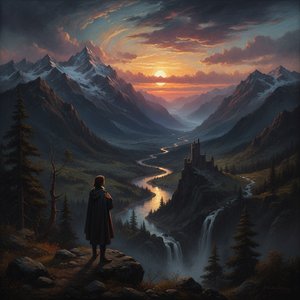
Capturing the Soul: The Emotional Majesty and Sublime Power of Romantic Landscape Painting
Explore the profound emotional depth of Romantic landscape painting. Discover how masters like Turner and Friedrich captured the sublime power of nature through intuition and imagination in this expert art history retrospective.

Capturing the Soul: The Emotional Magic and Sublime Grandeur of Romantic Landscape Painting
Explore the profound emotional depth of Romantic landscape painting. Discover how masters like Friedrich and Turner captured the sublime through light, shadow, and nature's power in this expert art history retrospective for discerning collectors.