

Przedstawiony: · Wraz z ramą:
 Podgląd w skali 1:1

 Wyślij jako kartkę
 Udostępnij
 Szczegóły dzieła
 Karta informacyjna


 Pobierz obraz
 Podobne obiekty
 RTG
 Pokaz slajdów
 Pytania i odpowiedzi

 Statystyki
Washington Monument (William Henry Bartlett)


Płótna i wydruki artystyczne od zł200 w formacie 38 x 26 cm
Ręcznie malowana reprodukcja olejowa od zł1306
- Darmowa wysyłka na cały świat w ciągu 3–4 tygodni
- Wydruki w tubie dostarczane w ciągu 3–4 tygodni
- 100 dni na zwrot, gwarancja zwrotu pieniędzy
- Ocena 4.9/5 na podstawie 241 opinii klientów w ArtShopReviews.com
zł 310
Giclée / Wydruk artystyczny
Wydruki giclée lub płótna o jakości muzealnej, szybka realizacja i szeroki wybór opcji wykończenia. ( Obraz olejny impresjonistyczny Kup kopię cyfrową
)
Technika i materiał
 Dowiedz się więcej
Nasza opcja budżetowa: ten sam obraz wydrukowany na płótnie poliestrowym 260 g/m² zamiast bawełnianego, dostarczany w tubie przesyłką pocztową w ciągu 3 do 4 tygodni. Tylko w formie rulonu (bez krosien, bez ram) i bez ekspresowej produkcji, dla formatów, których przynajmniej jeden bok ma 80 cm lub mniej. Około 30% taniej niż wydruk na płótnie bawełnianym.
Nieosiągalne dla tego rozmiaru: przynajmniej jeden bok musi mieć 80 cm lub mniej.
Tylko w tubie: aby wybrać ten wydruk, wybierz opcję płótna zwiniętego w tubę.
Dostępne dla formatów, których oba boki mają maksymalnie 110 cm. W przypadku większych rozmiarów wydruk jest wykonywany na matowym płótnie bawełnianym.
Matowe płótno archiwalne nie jest dostępne w tym rozmiarze: każdy z boków musi mieć maksymalnie 110 cm. Twój wydruk zostanie wykonany na matowym płótnie bawełnianym.
Opcja ze szkłem jest dostępna wyłącznie w rozmiarach poniżej 110 cm
Wymiar
·Wybierz spośród naszych standardowych rozmiarów, które zachowują oryginalne proporcje dzieła sztuki.
Ładowanie rozmiarów...

szerokość
wysokość
Wpisz wymaganą szerokość i wysokość, aby dopasować grafikę do ramy lub ściany. Wydruk można jedynie przyciąć, nigdy nie powiększając go poza oryginalny obraz, dlatego format o innych proporcjach spowoduje utratę części kompozycji. Przed rozpoczęciem druku prześlemy Ci cyfrowy podgląd do zatwierdzenia. Obraz wyświetlany na tej stronie nie pokazuje rzeczywistego przycięcia — jedynie podgląd oddaje ten efekt.
Standardowy format
personalizowane
CM
CALE
Wykończenie
·
Białe krawędzie zł1

rozmyte krawędzie zł1

Przedłużony zł1

P118B zł10

P118H zł10

P118W zł10

P438Z zł10

P508JH zł12

P508YH zł12

P805H zł10

P805Z zł10

P919BZ zł10

P919G zł10

P919XJ zł10

P959ZH zł10

P968JZ zł12

W106C zł8

W218G zł10

W218JH zł8

W218Y zł10

W307PJ zł10

W316G zł10

W316PJ zł8

W316Y zł10

W398PJ zł8

W4111J zł10

W500HY zł15

W500JH zł15

W692G zł12

W849H zł8

W940BG zł15

W953PJ zł8
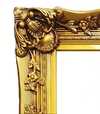
H24-GOLD zł30
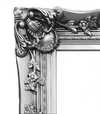
H24-SILVER zł30
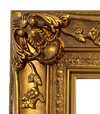
H36-GOLD zł70
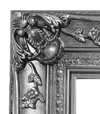
H36-SILVER zł70
Dostarczane w ochronnej tubie, gotowe do oprawienia przez Twojego ramiarza.
Dodatki
opcjonalneCo obejmują dodatki?
Dostawa na cały świat () w ciągu 2 tygodni zamiast standardowych 4/5 tygodni. (27 Grudzień)
Przy wydruku na płótnie poliestrowym typu Economy niedostępna jest opcja pilnej produkcji ani przesyłki kurierskiej, ponieważ produkt wysyłany jest pocztą zwykłą.
Lakier ochronny
Etykieta obiektu
Szczegóły grawerowanej brązowej tabliczki
Ta elegancka tabliczka zawiera imię i nazwisko artysty oraz tytuł dzieła, precyzyjnie wygrawerowane dla ponadczasowej prezentacji.
Wykonana z brązu o wyrafinowanym, eleganckim wykończeniu. Tekst jest precyzyjnie grawerowany laserowo, co zapewnia wyraźny i trwały efekt. Tabliczka o wymiarach 9x2 cm jest kompaktowa, a jednocześnie czytelna. Została zaprojektowana tak, aby była trwała i odporna na zarysowania, zapewniając profesjonalny wygląd o jakości muzealnej. Montaż jest prosty dzięki dołączonej taśmie mocującej.
Szczegóły przezroczystej tabliczki akrylowej
Tabliczka zawiera niezbędne grawerowane informacje, takie jak nazwisko artysty, tytuł dzieła, data powstania, rodzaj użytych materiałów – np. olej na płótnie lub akwarela – krótki opis pracy oraz kod QR prowadzący do pełnych informacji o dziele.
Wykonana z przezroczystego akrylu, zapewnia gładkie, nowoczesne wykończenie. Tekst jest grawerowany metodą UV w kolorze czarnym, co zapewnia wyraźny kontrast. Dzięki wymiarom 10x15 cm tabliczka zapewnia optymalną czytelność. Jest wyposażona w dwa metalowe uchwyty, które umożliwiają bezpieczny montaż na ścianie. Tabliczka jest odporna na warunki atmosferyczne, dzięki czemu nadaje się do ekspozycji w różnych miejscach, a także posiada funkcje interaktywne, które współpracują z telefonami komórkowymi po zeskanowaniu.
Szczegóły czarnej tabliczki akrylowej
Ta elegancka tabliczka zawiera wygrawerowane informacje, takie jak nazwisko artysty, tytuł dzieła, data powstania, technika wykonania (np. olej na płótnie lub akwarela), krótki opis utworu oraz kod QR umożliwiający szybki dostęp do dodatkowych informacji.
Tabliczka wykonana jest z wysokiej jakości czarnego akrylu o eleganckim wykończeniu. Tekst jest grawerowany laserowo na biało, co zapewnia wysoki kontrast i doskonałą czytelność. Tabliczka o wymiarach 10x15 cm została zaprojektowana tak, aby była łatwa do odczytania. W zestawie znajdują się dwa metalowe uchwyty umożliwiające profesjonalny montaż. Nowoczesny design sprawia, że tabliczka pasuje do każdego stylu wnętrza. Jest ona również odporna na warunki atmosferyczne i trwała, a dzięki wbudowanej integracji cyfrowej zapewnia kompatybilność z urządzeniami mobilnymi.
Opcja ze szkłem jest dostępna wyłącznie w rozmiarach poniżej 110 cm
 Opcja ze szkłem jest dostępna wyłącznie w rozmiarach poniżej 110 cm
- Darmowa wysyłka na cały świat w ciągu 3–4 tygodni
- Wysokiej jakości płótno lniane
- Pełne ubezpieczenie przesyłki
- Gwarancja zwrotu należności celnych i podatków importowych
- Gwarancja wiernego odwzorowania kolorów
- 100 dni na zwrot, gwarancja zwrotu pieniędzy
- Gwarancja 100% zwrotu pieniędzy
- Zniżka przy zakupie wielu sztuk


Washington Monument: William Henry Bartlett i epoka Romanticism
A towering obelisk rises against a stormy sky in this detailed steel engraving, where fine lines define the stone and surrounding foliage.
William Henry Bartlett: biografia
William Henry Bartlett (1809-1854) – brytyjski ilustrator topograficzny, znany z precyzyjnych rysunków krajobrazów i architektonicznych. Jego prace to wizualna podróż przez Anglię, Amerykę i Bliski Wschód!
O dziele sztuki
The Depiction of Washington Monument by William Henry Bartlett
In this monochrome depiction, William Henry Bartlett presents the Washington Monument, a significant national landmark. The towering obelisk dominates the scene, rising sharply against a stormy sky. To the left of the central structure, a building is partially obscured by foliage, providing a sense of architectural context to the landscape. The artist uses a central perspective to ensure the monument remains the primary focal point of the entire composition.
To provide a sense of scale against the massive stone structure, Bartlett includes figures in the foreground. These individuals are arranged in a loose group, grounding the monumental setting within a human presence. The surrounding landscape is rendered with a level of detail that suggests the texture of the stone and the organic forms of the nearby trees. This approach allows the viewer to grasp the sheer height of the obelisk through its relationship to the people and the buildings below.
Composition and Visual Elements of the Work
The composition is anchored by a central perspective, positioning the towering obelisk as the undeniable focal point. This verticality is emphasized by the monument's immense height as it rises sharply against a stormy sky. The sheer scale of the structure is balanced by a building situated to the left, which adds a layer of architectural complexity to the scene. This placement prevents the composition from feeling purely symmetrical, offering instead a more naturalistic arrangement of the landscape.
In the foreground, a loose group of figures is arranged to establish a sense of depth. These human elements provide a necessary sense of scale, allowing the viewer to grasp the true magnitude of the stone structure. The arrangement leads the eye from the detailed foreground through the midground, toward the monument itself. Through this careful layering, the work achieves a structured sense of space, guiding the viewer's gaze upward toward the dramatic intersection of stone and sky.
Technique and Artistic Style of the Artist
The work is a refined example of 19th-century topographical art, a style dedicated to the precise documentation of landscapes and architectural landmarks. This particular piece appears to be an engraving or a lithograph, rendered with a meticulous hand that prioritizes accuracy. Through the use of fine lines, the artist defines the intricate details of the monument's masonry and the organic textures of the surrounding foliage. It is a quiet, disciplined approach to representation.
To achieve a sense of three-dimensional form, the artist employs sophisticated hatching and cross-hatching techniques. These methods allow for subtle shading and modeling, giving weight to the stone structure and depth to the sky. The technique relies on a careful arrangement of lines and shading to suggest texture, from the smooth surfaces of the obelisk to the more irregular, rougher elements of the landscape. This method ensures that the viewer perceives the physical presence of the monument through tonal variation rather than color.
Visual Characteristics and Use of Light
The work relies on a grayscale palette, moving through a deliberate range from deep blacks to the lightest whites. This tonal variation is essential to the piece, as the lighting appears dramatic, creating strong contrasts between light and shadow. Such intensity suggests the atmosphere of an overcast or stormy day, casting the monument in a light that feels both heavy and significant. Through these shifts in value, the artist manages to define the sheer scale of the obelisk against the sky.
Depth is achieved through a careful application of perspective. Linear perspective guides the eye into the scene, while atmospheric perspective is employed to soften the distant elements. As the landscape recedes, details become less defined, allowing the foreground figures to remain sharply delineated. This technique provides a sense of immense space, placing the viewer within a specific, tangible environment.
Texture is suggested through meticulous line work. Fine lines define the smooth, stone surface of the monument, while other marks convey the rough bark of the trees and the flowing fabric of the clothing worn by the figures in the foreground. This attention to detail allows the viewer to perceive the different materials present in the scene, from the geometric rigidity of the architecture to the organic forms of the surrounding nature.
Pytania i odpowiedzi
Czy ta reprodukcja Washington Monument jest malowana ręcznie, czy jest to wydruk?
Wydruk: Washington Monument jest reprodukowany jako wydruk giclée na płótnie bawełnianym lub na archiwalnym papierze artystycznym marki Epson.
Jaki rozmiar wybrać dla Washington Monument?
Dostępne rozmiary obejmują zakres od 38.0 x 26.3 cm (zł200) do 245.4 x 169.7 cm (zł1632); tabela na tej stronie przedstawia główne warianty oraz ich ceny.
Ile trwa dostawa?
Wydruk zwinięty w tubie jest wysyłany bezpłatnie pocztą zwykłą i dociera w ciągu 3–4 tygodni; wydruk na płótnie lub w ramie wymaga 4–5 tygodni. Dostawa kurierem ekspresowym jest dostępna wyłącznie przy wykupieniu płatnej opcji Express Delivery. Możesz dokonać zwrotu w ciągu 100 dni z pełnym zwrotem kosztów, bez żadnych dodatkowych warunków.
Jakiej techniki użył/a William Henry Bartlett w pracy Washington Monument?
Engraving
Najważniejsze informacje i quiz o sztuce
O William Henry Bartlett

William Henry Bartlett
1809 - 1854, Wielka Brytania
O William Henry Bartlett: życie, twórczość i biografia
Krótkie informacje o William Henry Bartlett
- Artistic Movement Or Style: Topografia
- Artists Or Movements Influenced By This Artist: ['Victorian']
- Artists Who Influenced This Artist: ['John Britton']
- Date Of Birth: 26 marca 1809
- Date Of Death: 13 września 1854
- Full Name: William Henry Bartlett
- Nationality: Brytyjczyk
- Notable Artworks:
- American Scenery
- Canadian Scenery
- Jeruzalem
- Pilgrims
- Place Of Birth: Londyn, Wielka Brytania

William Henry Bartlett
Washington Monument
() ·
Wraz z ramą: ·
Suma całkowita