

 Zobacz w skali 1:1
 Wyślij
 Udostępnij
 Szczegóły
 Przewodnik

 Pobierz plik obrazu
 Podobne obiekty
 RTG
RTG Pokaz slajdów
 Statystyki
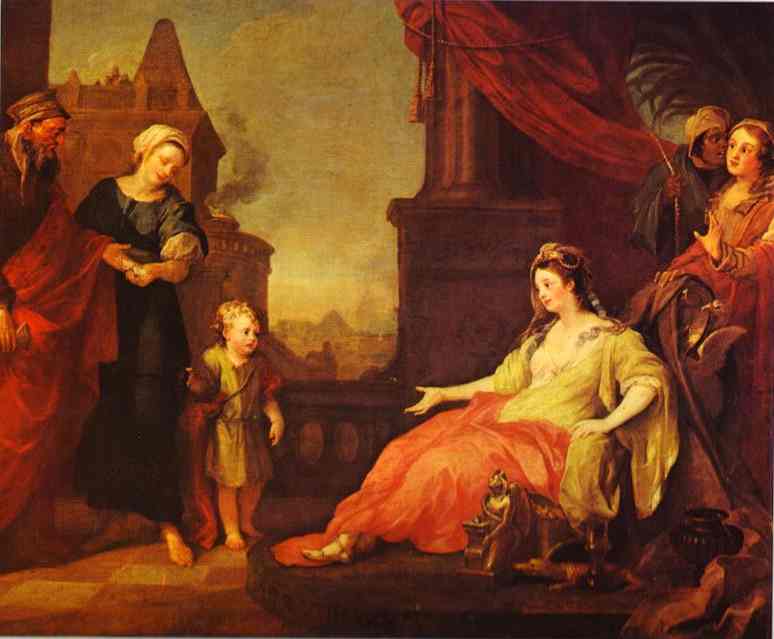
Moses Brought to Pharoah's Daughter


A profound study in moral allegory featuring the biblical discovery of Moses by Pharaoh's daughter, this 1746 masterpiece by William Hogarth captures 18th-century drama and invites you to explore its rich history.
 Czytaj więcej
William Hogarth (1697-1764) – angielski malarz i rysownik, znany z satyrycznych obrazów i ilustracji moralnych. Odkryj jego dzieła, takie jak 'A Harlot's Progress' i 'A Rake's Progress'.
Giclée / Wydruk artystyczny
Wydruki giclée lub płótna o jakości muzealnej, szybka realizacja i szeroki wybór opcji wykończenia. ( Kup ręcznie malowany obraz Przełącz na wersję cyfrową)




P118B $10

P118H $10

P118W $10

P438Z $10

P508JH $12

P508YH $12

P805H $10

P805Z $10

P919BZ $10

P919G $10

P919XJ $10

P959ZH $10

P968JZ $12

W106C $8

W218G $10

W218JH $8

W218Y $10

W307PJ $10

W316G $10

W316PJ $8

W316Y $10

W398PJ $8

W4111J $10

W500HY $15

W500JH $15

W692G $12

W849H $8

W940BG $15

W953PJ $8




Standardowy
na zamówienie
CM
INCH
Wybierz spośród naszych standardowych rozmiarów, które zachowują oryginalne proporcje dzieła sztuki.
Loading sizes...

szerokość
wysokość
Możesz wprowadzić własne wymiary, aby dopasować dzieło do konkretnej ramy lub przestrzeni. Jeśli wybrany rozmiar nie będzie odpowiadał proporcjom oryginalnego obrazu, przytniecie dzieło lub rozszerzymy obraz za pomocą odbicia lustrzanego lub jednolitego wypełnienia krawędzi. Przed rozpoczęciem produkcji prześlemy cyfrową wizualizację do Twojej akceptacji.
Prosimy pamiętać, że podgląd na ekranie nie odzwierciedla faktycznego przycinania ani rozszerzania. Tylko wizualizacja dokładnie pokaże końcową kompozycję.
Mimo dostępności niestandardowych rozmiarów, zalecamy wybór wymiaru z listy zdefiniowanej, aby zachować oryginalne proporcje.
Dostawa na cały świat () w ciągu 2 tygodni zamiast standardowych 4/5 tygodni. (23 Wrzesień)

Bezpłatna ekspresowa wysyłka na cały świat

Wysokiej jakości płótno lniane

Pełne ubezpieczenie transportowe

Gwarancja zwrotu należności celnych i podatków importowych

Gwarancja idealnego odwzorowania barw

100-dniowy okres na zwrot dzieła w przypadku wykrycia wad produkcyjnych

Gwarancja 100% zwrotu pieniędzy

Oferta przy zakupie wielu sztuk
 Opcja ze szkłem jest dostępna wyłącznie w rozmiarach poniżej 110 cm

Moses Brought to Pharoah's Daughter
Giclée / Wydruk artystyczny
Rozmiar reprodukcji
-


Suma do zapłaty
$ 69
A Vision of Biblical Majesty and Moral Depth
In the grand tapestry of eighteenth-century British art, few works command attention with such profound narrative weight as William Hogarth’s Moses Brought to Pharaoh's Daughter. Completed in 1746, this masterpiece transcends the boundaries of mere biblical illustration, offering instead a deeply layered study in moral allegory. At first glance, the viewer is swept into a moment of high drama: the discovery of an infant Moses by the Egyptian princess. Yet, beneath the surface of this historical encounter lies the unmistakable pulse of Hogarth’s genius—a keen, observant eye that seeks to find the universal human condition within the extraordinary tales of antiquity. The scene is alive with movement and presence, as the princess and her attendants surround the child, creating a composition that feels both intimate and monumental.
The painting serves as a window into a world where the sacred meets the terrestrial. Hogarth, often celebrated for his biting social satires like A Rake's Progress, demonstrates here a remarkable capacity for a more serious, elevated tone. He utilizes the Rococo influence of his era to infuse the scene with a certain grace and decorative splendor, yet he anchors this elegance with a grounded, almost tactile realism. The textures of fabric, the warmth of skin tones, and the subtle interplay of light and shadow work in harmony to create an atmosphere that is simultaneously regal and deeply emotive, inviting the observer to contemplate the weight of destiny unfolding within a single, quiet moment.
Symbolism and the Art of Narrative Detail
To gaze upon this work is to embark on a journey through Hogarth’s intricate symbolic language. Every element within the frame has been meticulously placed to contribute to the painting's overarching moral compass. The presence of animals—the watchful dogs near the center and the periphery—adds a layer of domesticity and life, grounding the divine narrative in the natural world. Even the subtle inclusion of a bird on the left or the ticking presence of a clock on the wall serves as a poignant reminder of the inexorable passage of time and the unfolding of providence. These details are not mere ornaments; they are whispers of the artist's intent to connect the ancient past with the fleeting present.
For the discerning collector or interior designer, this piece offers an unparalleled opportunity to introduce a sense of historical gravity and intellectual depth into a space. The painting’s ability to balance complex themes of power, class, and religious destiny makes it a conversation piece of the highest order. It does not merely decorate a wall; it enriches the environment with a sense of storytelling and philosophical inquiry. Whether placed in a library, a formal study, or a grand salon, a high-quality reproduction of this work brings with it the enduring legacy of Hogarth’s vision—a vision that celebrates the beauty of the human story through the lens of profound moral reflection.
Biografia artysty
William Hogarth: A London Life in Ink and Paint
William Hogarth, urodzony w tętniącej życiem sercu Londynu w 1697 roku, był czymś więcej niż tylko artystą – był wizualnym historykiem, spostrzegawcą ludzkiej natury i satyrycznym komentatorem prądów społecznych jego czasów. Jego życie nieodłącznie splata się z tkanką samej Anglii, okresu przeobrażeń – rozwijających się ambicji, podświadomych lęków i wszechobecnych hipokryzji, które znalazły potężne odzwierciedlenie w jego niezwykle szczegółowych i często ostrej pracy. Syn ubogiego nauczyciela łaciny, Hogarth zyskał wczesne doświadczenia, które wykształciły w nim zarówno miłość do nauki, jak i ostry zmysł obserwacji nierówności społecznych – fundament, który miał wpłynąć na kształtowanie jego wizji artystycznej. Początkowo podnajęt jako grafik, szybko wykazał się talentem wykraczającym poza techniczną biegłość; posiadał naturalną zdolność do obserwowania niuansów zachowań ludzkich i przekładania ich na przekonujące narracje wizualne. Jednakże, znużony ograniczeniami tradycyjnego grafotwania, poszukiwał bardziej ekspresyjnej drogi twórczej. To doprowadziło go do studiów w St Martin’s Lane Academy oraz pod okiem Sir Jamesa Thornhilla, gdzie doskonalił swoje umiejętności malarskie i kompozycyjne, absorbując wpływy, które później ukształtowały jego unikalny styl.The Birth of Modern Moral Subjects
Prawdziwa innowacja Hogartha nie polegała jedynie na *tym, co* malował, lecz na *jak*. Zapoczątkował to, co określił jako „nowe moralne tematy” – serie obrazów zaprojektowanych do opowiadania historii, często nacechowane silnym satyrycznym akcentem. Nie były to pojedyncze portrety czy krajobrazy; były to wizualne powieści rozwijające się przed oczami widza, oferujące celną krytykę współczesnego społeczeństwa. A Harlot's Progress, stworzony w 1742 roku, stanowi przykład jego najbardziej znanych dzieł. Ta seria sześciu obrazów szczegółowo śledzi tragiczny upadek Mary, młodej kobiety przybyłej do Londynu pełnej nadziei, ale szybko poddanej pokusom i niebezpieczeństw miasta. Każdy z obrazów jest przedstawiony z dbałością o szczegóły, wypełniony symbolami, które ujawniają moralny rozkład otaczający ją. Podobnie, A Rake's Progress, rozpoczęty w 1733 roku, śledzi bezwzględny upadek Toma Rakewella, mężczyzny, który marnuje swoje dziedzictwo na hazard, rozpustę i ostatecznie, szaleństwo. Te obrazy nie były jedynie ostrzeżeniami; były bezkompromisowymi portretami społeczeństwa zmagaającego się z problemami klasy, moralności i mobilności społecznej. Genialność Hogartha polegała na jego zdolności do podnoszenia codziennych scen – tętniących życiem ulic londyńskich, luksusowych wnętrz bogatych, skromnego życia biedaków – do dzieł sztuki, które rezonowały głęboko z jego publicznością. Nie uciekał od przedstawiania surowych rzeczywistości życia, prezentując je w połączeniu humoru i współczucia, zmuszając widzów do konfrontacji z niewygodnymi prawdami o sobie i swoim otoczeniu.Technique and Influences: A Synthesis of Styles
Styl artystyczny Hogartha był unikalną syntezą różnorodnych wpływów. Dużo cenił sobie realizm i narracyjny detale znalezionej w pracach malarzy niderlandzkich gatunkowych, takich jak Pieter de Hooch, widoczny w jego dokładnych przedstawieniach wnętrz i codziennego życia. Wpływ francuskich rysunków satyrycznych również odgrywał rolę w kształtowaniu jego podejścia do krytyki społecznej. Jednakże Hogarth nie po prostu naśladował te źródła; syntetyzował je, tworząc coś zupełnie nowego i wyraźnie własnego. Jego technika charakteryzowała się mistrzowską użyciem linii i cieniowania, szczególnie widocznym w jego rysunkach. Wykorzystywał charakterystyczną technikę krzyżowego hatchingu, która tworzyła głębię i fakturę, ożywiając jego sceny z niezwykłą klarownością. Posiadał również wyjątkowy oko do kompozycji, aranżując postacie i przedmioty w kadrze, aby tworzyć dynamiczne i angażujące narracje. Poza sztuką, Hogarth był inspirowany literaturą, szczególnie dziełami Jonathana Swifta i Henry'ego Fieldinga, których satyryczny humor informował jego własne obserwacje społeczne. Uważał, że sztuka nie powinna jedynie być piękna, ale także służyć celowi moralnemu, wyzwalając widzów do krytycznego myślenia o świecie wokół nich i swoim miejscu w nim. *Dążył do umieszczenia lustra przed naturą, odzwierciedlając zarówno jej piękno, jak i brzydotę z bezkompromisową szczerością.*Legacy and Lasting Impact
Dziedzictwo Williama Hogartha wykracza daleko poza krąg sztuki XVIII wieku. Jego dzieła zyskały ogromną popularność dzięki masowej produkcji rysunków opartych na jego obrazach, czyniąc jego satyryczną krytykę dostępną dla szerszego grona odbiorców niż kiedykolwiek wcześniej. Uważany jest za prekursora współczesnych kartek politycznych i komiksów, kładącymi fundament pod wizualne opowiadanie historii w kulturze popularnej. Artystowie tacy jak James Gillray i George Cruikshank byli bezpośrednio inspirowani jego stylem, przekazując jego tradycję satyrycznej krytyki. Nawet Charles Lamb, słynny eseista, dostrzegał narracyjną moc obrazów Hogartha, zauważając, że są „jak książki do czytania, a nie tylko oglądania”.- Hogarth ustanowił wyjątkową brytyjską tożsamość artystyczną.
- Jego dzieła dostarczają bezcenne wglądy w angielskie społeczeństwo XVIII wieku.
- Wpływał na pokolenia artystów i satyryków.

William Hogarth
1697 - 1764 , Wielka Brytania
Najważniejsze informacje
- Artistic Movement Or Style: Satyra, Realizm
- Artists Or Movements Influenced By This Artist:
- James Gillray
- Satyryczne grafiki
- Artists Who Influenced This Artist:
- Pieter de Hooch
- Jonathan Swift
- Date Of Birth: 1697
- Date Of Death: 1764
- Full Name: William Hogarth
- Nationality: Brytyjski
- Notable Artworks:
- A Harlot's Progress
- A Rake's Progress
- Marriage A-la-Mode
- Place Of Birth: Londyn, UK
Zobacz także powiązane artykuły

Płótno Cnoty: Odkrywanie Lekcji Moralnych i Siły Narracji w Historii Sztuki
Odkryj fascynującą historię cnót w sztuce! Analizujemy alegorie moralne od starożytności po współczesność, badając wpływ filozofii i kultury na przedstawienia wartości. Ekspercka analiza dzieł sztuki dla pasjonatów.

Arcydzieła XVIII Wieku: 10 Obrazów, Które Zdefiniowały Epokę | TopImpressionists
Odkryj 10 arcydzieł XVIII wieku! Poznaj historie Watteau, Fragonarda i Canaletta. Reprodukcje obrazów w stylu rokoko i klasycyzmu idealne do Twojego wnętrza. Inspiracje artystyczne na TopImpressionists.com

Ukryte Znaczenia i Moralne Przepowiednie: Alegoria w Zachodniej Historii Sztuki
Odkryj fascynujący świat alegorii w sztuce! Poznaj historię symboliki, ukryte znaczenia renesansowych arcydzieł i wpływ ideologii na barokowe reprezentacje. Ekspercka analiza dla miłośników sztuki.

Ciężar Cnoty i Wady: Studium Moralnych Motywów w Historii Sztuki
Odkryj fascynującą historię alegorii cnoty i wady w sztuce! Analiza dzieł Veronesego, Lotto i innych mistrzów. Poznaj symbolikę moralności i ukryte znaczenia obrazów. Ekspercka wiedza dla miłośników historii sztuki.

Hieronymus Bosch: 25 Arcydzieł Mistrza Niderlandzkiego Renesansu | TopImpressionists
Odkryj 25 arcydzieł Hieronymusa Boscha – mistrza niderlandzkiego renesansu! Poznaj fascynujące historie, symbolikę i techniki malarskie tego niezwykłego artysty. Reprodukcje obrazów najwyższej jakości na TopImpressionists.com. Eksploruj pełną kolekcję online!
Odkryj dzieła sztuki uporządkowane według tematów, stylów i cech charakterystycznych.


