


 Podgląd w skali 1:1
 Wyślij jako kartkę
 Udostępnij
 Szczegóły dzieła
 Przewodnik

 Pobierz obraz
 Podobne obiekty
 RTG
RTG Pokaz slajdów
 Statystyki
Children Roller Skating


William Glackens' "Children Roller Skating" (1918) captures a lively street scene of kids enjoying their pastime, showcasing the artist’s signature realism and vibrant style.
 Rozwiń treść
Odkryj żywe pejzaże i sceny miejskie Williama Jamesa Glackensa (1870-1938), pioniera szkoły Ashcan! Jego twórczość uchwyciła codzienność przed I wojną światową z niezwykłą szczegółowością.
Ręcznie malowana reprodukcja olejowa
Ręcznie malowany obraz olejny na płótnie, wykonany na zamówienie przez naszych artystów w wybranym przez Ciebie wymiarze i oprawie. ( Przełącz na wydania drukowane Przejdź do wersji cyfrowej)




P118B zł10

P118H zł10

P118W zł10

P438Z zł10

P508JH zł12

P508YH zł12

P805H zł10

P805Z zł10

P919BZ zł10

P919G zł10

P919XJ zł10

P959ZH zł10

P968JZ zł12

W106C zł8

W218G zł10

W218JH zł8

W218Y zł10

W307PJ zł10

W316G zł10

W316PJ zł8

W316Y zł10

W398PJ zł8

W4111J zł10

W500HY zł15

W500JH zł15

W692G zł12

W849H zł8

W940BG zł15

W953PJ zł8




Standardowy format
personalizowane
CM
INCH
Wybierz spośród naszych standardowych rozmiarów, które zachowują oryginalne proporcje dzieła sztuki.
Loading sizes...

szerokość
wysokość
Wpisz wymaganą szerokość i wysokość, aby obraz pasował do Twojej ramy lub ściany. Ponieważ jest to dzieło malowane ręcznie, w przypadku rozmiaru o innych proporcjach artysta może domalować nieco więcej wokół obrazu lub przyciąć jego fragmenty — wybór należy do Ciebie. Przed rozpoczęciem pracy prześlemy Ci cyfrową wizualizację do zatwierdzenia. Obraz widoczny na tej stronie nie przedstawia rzeczywistego efektu — jedynie wizualizacja oddaje realny rezultat.
Przykłady możliwych zmian: Zamień twarz na zdjęcie klienta; Dodaj zwierzę domowe (np. zamień kota na psa); Ukryj wiadomość w tle; Zmień krajobraz lub elementy tła.
Po złożeniu zamówienia zespół TopImpressionists.com skontaktuje się z klientem drogą mailową w celu uzyskania instrukcji i prześle wizualizację projektu
Po złożeniu zamówienia zespół TopImpressionists.com skontaktuje się z klientem drogą mailową w celu uzyskania instrukcji i prześle wizualizację projektu
Dostawa na całym świecie () w ciągu 3–4 tygodni zamiast standardowych 5 tygodni. (26 Październik). Bez kompromisów w kwestii jakości.

Bezpłatna ekspresowa wysyłka na cały świat

Wysokiej jakości płótno lniane

Pełne ubezpieczenie przesyłki

Gwarancja zwrotu należności celnych i podatków importowych

Gwarancja wiernego odwzorowania kolorów

100-dniowa polityka zwrotów (tylko w przypadku wad)

Gwarancja 100% zwrotu pieniędzy

Zniżka przy zakupie wielu sztuk
 Opcja ze szkłem jest dostępna wyłącznie w rozmiarach poniżej 110 cm

Children Roller Skating
Technika reprodukcji
Wymiary reprodukcji
-


Cena całkowita
zł 1033
William James Glackens’ “Children Roller Skating” – A Snapshot of Urban Joy
“Children Roller Skating,” painted in 1918 by William James Glackens, isn't merely a depiction of children enjoying an afternoon pastime; it’s a vibrant distillation of early 20th-century American life—a fleeting moment of unadulterated joy captured amidst the grit and bustle of New York City. Glackens, a key figure in the Ashcan School movement, rejected the idealized portrayals favored by the National Academy of Design, instead choosing to focus on the realities of everyday existence, often portraying it with a distinctive, almost frenetic energy. This painting exemplifies his talent for imbuing ordinary scenes with an extraordinary sense of life and movement.
The scene unfolds on a busy city street, likely in Greenwich Village, a neighborhood known for its bohemian spirit during this period. A group of children, rendered in Glackens’ characteristic bold brushstrokes and rich, dark palette, are engaged in spirited roller skating. Their faces are alight with laughter and excitement, their limbs moving with an infectious energy that spills out onto the canvas. The composition is dynamic—a swirling mass of movement and color—reflecting the lively atmosphere of the street. Glackens masterfully uses loose brushwork to convey a sense of spontaneity and immediacy, as if he’s capturing the scene in real-time.
A Window into the Ashcan School
Glackens' work is deeply rooted in the principles of the Ashcan School, an artistic movement that emerged in New York City around 1908. Rejecting the polished surfaces and mythological subjects favored by academic art, the Ashcan artists sought to portray the realities of urban life—the crowded streets, the working-class neighborhoods, and the everyday struggles of ordinary people. Glackens’ “Children Roller Skating” perfectly embodies this ethos. It's a far cry from the carefully staged portraits that dominated the art world at the time; instead, it offers an unfiltered glimpse into the lives of New Yorkers.
The painting’s style is distinctly American—a blend of realism and impressionism. Glackens employs a vibrant color palette, using dark blues, greens, and browns to create a sense of depth and atmosphere. He also utilizes broken brushstrokes and contrasting colors to capture the movement and energy of the scene. The figures are not rendered with meticulous detail but rather suggested through loose brushwork and expressive gestures. This technique contributes to the painting’s overall dynamism and immediacy.
Symbolism and Context
Beyond its immediate depiction of children roller skating, the painting carries a subtle layer of symbolism. Roller skating was a popular pastime in early 20th-century America, particularly among young people. It represented freedom, recreation, and a break from the constraints of Victorian society. The scene captures a moment of carefree joy—a reminder that even amidst the challenges of urban life, there is always room for laughter and play.
Furthermore, the painting reflects the changing social landscape of New York City at the turn of the century. The city was undergoing rapid industrialization and urbanization, leading to overcrowding, poverty, and social unrest. However, despite these challenges, there was also a sense of optimism and progress—a belief in the potential for a brighter future. “Children Roller Skating” captures this duality—the juxtaposition of hardship and hope, chaos and joy.
A Timeless Image of American Life
“Children Roller Skating” is more than just a painting; it’s a snapshot of a bygone era—a vibrant testament to the spirit of New York City in 1918. Glackens' masterful use of color, brushwork, and composition creates an image that is both captivating and emotionally resonant. It invites us to step back in time and experience the joy and energy of a group of children roller skating on a busy city street. Reproductions of this work offer a beautiful way to bring a piece of American history into your home or office, reminding us of the simple pleasures of life and the enduring power of art.
Pytania i odpowiedzi
Czy kolory dzieła „Children Roller Skating” – William James Glackens są żywe czy stonowane?
Kolory dzieła „Children Roller Skating” – William James Glackens charakteryzują się Clear Color Presence nasyceniem oraz Vivid intensywnością.
Jaki kolor najbardziej dominuje w "Children Roller Skating"?
Dominującym kolorem dzieła „Children Roller Skating” – William James Glackens jest Walnut (#705535).
Jakie emocje budzi "Children Roller Skating"?
„Children Roller Skating” – William James Glackens emanuje Nostalgic emocjonalnym nastrojem.
Podobne dzieła


Biografia artysty
William James Glackens
William James Glackens (1870 – 1938) był pionierem szkoły ashcan, amerykańskim malarzem i ilustratorem, który pozostawił niezatarte ślady na płótnie historii. Jego twórczość charakteryzowała się wiernym oddaniem rzeczywistości miejskiej i umiejętnością uchwycenia emocji oraz atmosfery epoki. Narodzony w Filadelfii w 1870 roku, Glackens pochodził z rodziny intelektualnej – ojciec był urzędnikiem kolei Pennsylvania Railroad, a matka Elizabeth Finn Glackens była nauczycielką. Jego brat Louis również zajmował się sztuką i został uznanym ilustratorem.Życiorys i edukacja
Glackens rozpoczął swoją edukację artystyczną w Akademii Sztuki Filadelfijskiej pod opieką Thomasa Anshutza, który wpłynął na jego styl i filozofię twórczą. Anshutz nauczył Glackensa obserwacji rzeczywistości oraz umiejętności przekazywania jej obrazem – zasad zasad szkoły ashcan. Jego zainteresowanie sztuką rozwijało się również poza akademiami, gdzie eksperymentował z różnymi technikami i tematami.Szkoła Ashcan
Glackens był jednym z twórców szkoły ashcan, ruchu artystycznego, który odrzucił konwencjonalną estetykę XIX wieku i skupił się na przedstawianiu życia codziennego w mieście – szczególnie wśród biednych warstw społecznych. Szkoła ashcan była reakcją na dominującą wówczas sztukę akademicką i wyrażała krytyczne spojrzenie na społeczną rzeczywistość. Glackens wierzył, że prawdziwe piękno można znaleźć nie tylko w idealnych formach, ale także w prostych sytuacjach i emocjach ludzkich. Jego obrazy często przedstawiają sceny uliczne, bary i domy wielkiego miasta – z ciemnymi kolorami i realistycznym odwzorowaniem szczegółów.Styl twórczości
Glackens wykorzystywał technikę olejną na płótnie, aby uzyskać głębokie kolory i efektowne światło. Jego obrazy charakteryzowały się doskonałą obserwacją rzeczywistości oraz umiejętnością uchwycenia emocji i atmosfery. Szczególną uwagę Glackens poświęcał szczegółom – od tekstury powierzchni płótna po mimikę twarzy postaci. Jego twórczość inspirowana była zarówno impresjonizmem, jak i ekspresją abstrakcyjną. Największym osiągnięciem Glackensa był obraz „Zakupujący”, który znajduje się w kolekcji Nowej Realizmu na TopImpressionists.com i stanowi doskonały przykład jego stylu twórczego oraz umiejętności przekazywania emocji poprzez sztukę. Jego prace były wystawiane wielokrotnie w najważniejszych muzeach Stanów Zjednoczonych i Europy, gdzie zdobyły uznanie krytyków i odbiorców.Znaczenie historyczne
Glackens był jednym z najważniejszych przedstawicieli amerykańskiej szkoły ashcan i przyczynił się do rozwoju realistycznej sztuki XX wieku. Jego twórczość wpłynęła na wielu innych artystów i zainspirowała ich do obserwacji rzeczywistości oraz wyrażania emocji poprzez obraz. Jego obrazy stanowią ważną dokumentację życia codziennego w mieście oraz refleksję nad kondycją społeczną XIX i początku XX wieku. Glackens pozostawił po sobie bogate dziedzictwo artystyczne, które nadal fascynuje widzów i krytyków sztuki na całym świecie.
William James Glackens
1870 - 1938 , Stany Zjednoczone Ameryki
Krótka nota
- Artistic Movement Or Style: Ashcan School
- Artists Or Movements Influenced By This Artist: ['Pierre Auguste Renoir']
- Artists Who Influenced This Artist: ['Thomas Anshutz']
- Date Of Birth: Philadelphia, United States of America (1870)
- Date Of Death: Westport, Connecticut (1938)
- Full Name: William James Glackens
- Nationality: American
- Notable Artworks:
- The Shoppers
- View of Haarlem with bleaching grounds
- Place Of Birth: Philadelphia
Powiązane artykuły

Capturing the Light: A Journey Through the Soul of American Impressionism and the Hudson River School
Explore the luminous beauty of American Impressionism and the Hudson River School. Discover a curated journey through light, landscape, and history, celebrating the enduring legacy of masters through exquisite, hand-painted oil reproductions for the discerning art lover.
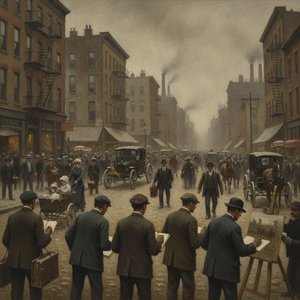
The Ashcan School: Capturing the Raw, Unfiltered Soul of Urban Life through American Realism
Discover the raw beauty of the Ashcan School. Explore how masters like Bellows and Henri captured the gritty, vibrant soul of early 20th-century New York through profound American Realism and evocative urban landscapes.

The Unvarnished Truth: A Cultural Journey Through the Soul of American Realism
Explore the profound beauty of American Realism. From the Ashcan School's urban grit to intimate portraits, discover how artists captured the authentic soul of a nation through unvarnished truth and masterful observation.
Odkryj dzieła sztuki uporządkowane według tematów, stylów i cech charakterystycznych.

