


 Zobacz w skali 1:1
 Wyślij
 Udostępnij
 Szczegóły
 Przewodnik

 Pobierz plik obrazu
 Podobne obiekty
 RTG
RTG Pokaz slajdów
 Statystyki
Northern Lights
 Acrylic On Canvas
- WallArt
- Northern Lights
 1917
1917 21.0 x 26.0 cm
 Narodowa Galeria Kanady
A stunning Northern Lights painting by William John Thomson captures the ethereal beauty of the aurora borealis with vibrant colors and detailed landscape. A timeless piece from 1917.
 Czytaj więcej
William John Thomson RSA (1771-1845): American-born Scottish artist famed for portrait miniatures, silhouettes & landscapes. Key 19thC British painter exhibiting at the Royal Academy.
Ręcznie malowana reprodukcja olejowa
Ręcznie malowany obraz olejny na płótnie, wykonany na zamówienie przez naszych artystów w wybranym przez Ciebie wymiarze i oprawie. ( Przełącz na wersję drukowaną Przełącz na wersję cyfrową)




P118B zł10

P118H zł10

P118W zł10

P438Z zł10

P508JH zł12

P508YH zł12

P805H zł10

P805Z zł10

P919BZ zł10

P919G zł10

P919XJ zł10

P959ZH zł10

P968JZ zł12

W106C zł8

W218G zł10

W218JH zł8

W218Y zł10

W307PJ zł10

W316G zł10

W316PJ zł8

W316Y zł10

W398PJ zł8

W4111J zł10

W500HY zł15

W500JH zł15

W692G zł12

W849H zł8

W940BG zł15

W953PJ zł8




Standardowy
na zamówienie
CM
INCH
Wybierz spośród naszych standardowych rozmiarów, które zachowują oryginalne proporcje dzieła sztuki.
Loading sizes...

szerokość
wysokość
Wpisz wymaganą szerokość i wysokość, aby obraz pasował do Twojej ramy lub ściany. Ponieważ jest to dzieło malowane ręcznie, w przypadku rozmiaru o innym proporcji artysta może domalować nieco więcej wokół obrazu lub przyciąć fragmenty — wybór należy do Ciebie. Przed rozpoczęciem pracy prześlemy Ci cyfrową wizualizację do zatwierdzenia. Obraz widoczny na tej stronie nie przedstawia rzeczywistego efektu — jedynie wizualizacja oddaje realny rezultat.
Przykłady możliwych zmian: Zamień twarz na zdjęcie klienta; Dodaj zwierzę domowe (np. zamień kota na psa); Ukryj wiadomość w tle; Zmień krajobraz lub elementy tła.
Po złożeniu zamówienia zespół TopImpressionists.com skontaktuje się z klientem drogą mailową w celu uzyskania instrukcji i prześle wizualizację projektu
Po złożeniu zamówienia zespół TopImpressionists.com skontaktuje się z klientem drogą mailową w celu uzyskania instrukcji i prześle wizualizację projektu
Dostawa na całym świecie () w ciągu 3–4 tygodni zamiast standardowych 5 tygodni. (24 Październik). Bez kompromisów w kwestii jakości.

Bezpłatna ekspresowa wysyłka na cały świat

Wysokiej jakości płótno lniane

Pełne ubezpieczenie transportowe

Gwarancja zwrotu należności celnych i podatków importowych

Gwarancja idealnego odwzorowania barw

100-dniowy okres na zwrot dzieła w przypadku wykrycia wad produkcyjnych

Gwarancja 100% zwrotu pieniędzy

Oferta przy zakupie wielu sztuk
 Opcja ze szkłem jest dostępna wyłącznie w rozmiarach poniżej 110 cm

Northern Lights
Technika wykonania
Rozmiar reprodukcji
-


Suma do zapłaty
zł 1036
The Dance of the Aurora: William John Thomson’s ‘Northern Lights’
William John Thomson's “Northern Lights,” painted in 1917, isn’t merely a depiction of a natural phenomenon; it’s an immersive experience. The canvas vibrates with the ethereal glow of the aurora borealis, capturing not just its visual spectacle but also the profound sense of wonder and mystery associated with this celestial display. Thomson, a master of silhouette painting who later transitioned to portraiture and landscapes, here demonstrates a remarkable shift in his artistic focus – moving from precise outlines to a richer, more atmospheric rendering of light and color. The piece immediately draws the viewer into its heart, inviting contemplation on the sublime beauty of the natural world and humanity’s place within it.
- Subject Matter: The painting centers around the Northern Lights themselves – ribbons of emerald, violet, and gold swirling across a dramatic mountainous landscape. The inclusion of a solitary figure on the left side of the composition adds an element of scale and human perspective, suggesting our smallness in the face of such immense natural power.
- Style: While rooted in late 19th-century British painting traditions, “Northern Lights” transcends simple representation. It leans towards a romanticized view of nature, imbued with a sense of awe and spiritual resonance. The brushwork is loose and expressive, prioritizing the conveyance of light and atmosphere over meticulous detail.
A Window into the Early 20th Century: Context and Technique
Painted in 1917, during a period of significant social and artistic change – the dawn of the 20th century – “Northern Lights” reflects both the prevailing fascination with the natural world and the growing interest in capturing fleeting moments of beauty. Thomson’s technique is particularly noteworthy. He employed a layering approach, building up color gradually through multiple thin washes of paint, creating a luminous effect that mimics the shimmering quality of the aurora itself. The use of subtle gradations of tone – from deep blues and purples to vibrant greens and yellows – adds depth and dynamism to the scene. The artist’s choice of palette is crucial; it's not a literal representation but an interpretation, prioritizing emotional impact over photographic accuracy.
Historical Note:** Thomson’s career spanned several decades, and his style evolved considerably. This piece represents a pivotal moment in his artistic journey, showcasing his growing confidence and willingness to experiment with color and atmosphere.Symbolism and the Myth of the Northern Lights
The Northern Lights have long held a powerful place in human imagination, steeped in myth and legend across various cultures. Often associated with spirits, gods, and portals to other realms, they represent both beauty and danger – a reminder of the forces beyond our control. In “Northern Lights,” Thomson subtly incorporates these symbolic associations. The solitary figure gazing upwards can be interpreted as an individual seeking connection with something larger than themselves, a yearning for transcendence. The vastness of the landscape reinforces this sense of scale and humility. The painting evokes the ancient belief that the aurora borealis was a sign from the gods or a pathway to the afterlife – a potent reminder of humanity’s enduring fascination with the unknown.
A Timeless Masterpiece: Reproduction and Legacy
“Northern Lights” remains a captivating work of art, offering viewers a glimpse into both the beauty of nature and the artistic vision of William John Thomson. Reproductions, meticulously crafted by TopImpressionists.com, allow us to appreciate this masterpiece in our own homes, bringing its ethereal glow and evocative atmosphere into our spaces. The painting’s enduring appeal lies not only in its technical skill but also in its ability to transport us to a realm of wonder and inspire a sense of connection with the natural world. It's a testament to Thomson's talent and a beautiful reminder that some sights are best experienced through the lens of art.
Pytania i odpowiedzi
Pod jakimi innymi nazwiskami znany jest William John Thomson Rsa?
William John Thomson Rsa jest znany/a również jako William John Thomson.
Jaki klimat wprowadziłaby do wnętrza reprodukcja „Northern Lights” autorstwa William John Thomson Rsa?
Dzięki swojemu Ethereal nastrojowi, "Northern Lights" idealnie sprawdzi się w Living Room.
Czy prawa autorskie do „Northern Lights” autorstwa William John Thomson Rsa pozwalają na tworzenie reprodukcji?
Dzieło „Northern Lights” autorstwa William John Thomson Rsa, znajdujące się w zbiorach Narodowa Galeria Kanady, znajduje się w stanowi domenę publiczną – autorskie prawa majątkowe wygasły. Status ten określa, czy możliwe jest tworzenie reprodukcji obrazu.


Biografia artysty
William John Thomson RSA (1771-1845)
Early Life and Education
William John Thomson was born on October 3rd, 1771, in Savannah, Chatham County, Georgia, to Scottish parents, Alexander Thomson and Mary Elizabeth Spencer. His family migrated to England during the American War of Independence. He received his artistic training in London, though specific details regarding his formal education remain scarce. This period laid the foundation for his future career as a versatile artist.
Artistic Development and Style
Thomson initially gained recognition for his skill in creating silhouettes, a popular art form during the late 18th and early 19th centuries. He quickly expanded his repertoire to include portrait miniatures and full-scale portraits. His style evolved over time, demonstrating an ability to adapt to changing artistic tastes. While rooted in traditional techniques, he incorporated elements of contemporary British painting.
Exhibitions and Recognition
Thomson first exhibited at the prestigious Royal Academy of Arts in 1795, marking a significant step in his career. He continued to exhibit regularly there and at the British Institution between 1809 and 1829 while residing in London at various addresses including Charles Street, Craven St, and The Strand. In 1808 he was considered for election to the Royal Academy. His work gained him a reputation as a skilled portraitist and miniaturist.
Move to Scotland and Later Life
In 1812, Thomson relocated to his ancestral homeland of Scotland, settling in Edinburgh. He married Helen J Colhoun in 1797 and later Anne McCulloch (d.1855) around 1817; these marriages produced seven children. In Edinburgh, he became a prominent figure in the artistic community, residing at addresses like York Place and Northumberland Avenue. He held various official positions within Scottish art circles.
Major Works and Themes
Thomson’s oeuvre encompasses portraits, miniatures, landscapes, and genre paintings. Some of his notable works include Northern Lights and Presentation teapot. His portraiture often captured the likenesses of prominent Scottish figures, reflecting the social landscape of the time. He also explored scenic views and everyday life in his landscapes and genre scenes.
Influences and Legacy
While specific artistic influences are not extensively documented, Thomson’s work demonstrates an awareness of prevailing British portraiture styles of the period. His sister, Catherine Thomson, was later the stepmother of author Elizabeth Gaskell, suggesting a connection to literary circles. He became a key figure in 19th-century British art and particularly within the Scottish artistic landscape.
Historical Significance
William John Thomson RSA played an important role in documenting the lives of his contemporaries through portraiture. His work provides valuable insights into the social and cultural history of Scotland during the early 19th century. Though not as widely celebrated as some of his peers, he remains a significant figure for scholars studying British art and Scottish artistic heritage.

William John Thomson Rsa
1771 - 1845 , United States of America
Najważniejsze informacje
- Name: William John Thomson RSA
- Movement:
- Portraiture
- Miniature painting
- Silhouette art
- Landscape painting
- Birth Date: 1771-10-03
- Death Date: 1845
- Birth Place: Savannah, Georgia, United States
- Nationality: Scottish
- Date Of Birth: 1771
- Date Of Death: 1845
- Notable Works:
- Northern Lights
- Presentation teapot
- Portrait of a Lady
- Portrait of a Gentleman
- Place Of Birth: Savannah, United States of America
Zobacz także powiązane artykuły

Echa Miejsca: Historyczna Podróż przez Sztukę Krajobrazu
Odkryj historię sztuki krajobrazu – od romantycznych wizji Friedricha po surrealistyczne pejzaże Dalego. Analizy, inspiracje i reprodukcje obrazów najwyższej jakości na TopImpressionists.com.

Evocations of Place: A Historical Journey Through Landscape Art
Explore the rich history of landscape art with TopImpressionists. Discover renowned artists, movements like Impressionism & Romanticism, and expert guidance for collecting timeless pieces. Find your perfect serene escape today!
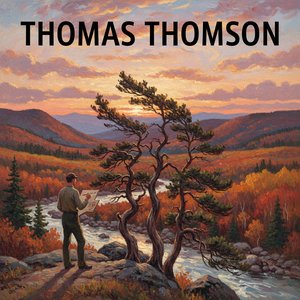
Thomas Thomson: Pioneering Canadian Landscape & the Pursuit of National Identity
Explore the evocative landscapes of Tom Thomson, a pivotal figure in Canadian art & precursor to the Group of Seven. Discover his bold style, lasting legacy, and profound impact on shaping a national artistic identity.

John Constable: 25 Najlepszych Obrazów Mistrza Angielskiego Krajobrazu | TopImpressionists
Odkryj 25 arcydzieł Johna Constable'a – mistrza angielskiego krajobrazu! Poznaj romantyczne pejzaże, technikę malarską i inspiracje z Dedham Vale. Reprodukcje obrazów najwyższej jakości na TopImpressionists.com. Eksploruj pełną kolekcję online!

Romantyczny Krajobraz w Malarstwie: 10 Arcydzieł, Które Zdefiniowały Epokę | TopImpressionists.com
Odkryj 10 arcydzieł romantyzmu w malarstwie! Poznaj historie Caspara Davida Friedricha, Turnera i innych mistrzów. Inspiracje wnętrzarskie & reprodukcje obrazów najwyższej jakości na TopImpressionists.com. Eksploruj kolekcję online!