


 Zobacz w skali 1:1
 Wyślij
 Udostępnij
 Szczegóły
 Przewodnik

 Pobierz plik obrazu
 Podobne obiekty
 RTG
RTG Pokaz slajdów
 Statystyki
Catching Rabbits


A charming glimpse into 1839 rural America features two boys hunting rabbits in this masterful genre painting by William Sidney Mount that invites you to bring the nostalgic warmth of American history into your home.
 Czytaj więcej
William Sidney Mount (1807-1868) był pionierem amerykańskiej szkoły obrazowania rodzajowego, słynącym z realistycznych przedstawień życia wiejskiego Long Islandu i scen codziennego życia. Jego dzieła uchwyciły ducha epoki i zainspirowały kolejne pokolenia artystów!
Giclée / Wydruk artystyczny
Wydruki giclée lub płótna o jakości muzealnej, szybka realizacja i szeroki wybór opcji wykończenia. ( Kup ręcznie malowany obraz Przełącz na wersję cyfrową)




P118B zł10

P118H zł10

P118W zł10

P438Z zł10

P508JH zł12

P508YH zł12

P805H zł10

P805Z zł10

P919BZ zł10

P919G zł10

P919XJ zł10

P959ZH zł10

P968JZ zł12

W106C zł8

W218G zł10

W218JH zł8

W218Y zł10

W307PJ zł10

W316G zł10

W316PJ zł8

W316Y zł10

W398PJ zł8

W4111J zł10

W500HY zł15

W500JH zł15

W692G zł12

W849H zł8

W940BG zł15

W953PJ zł8




Standardowy
na zamówienie
CM
INCH
Wybierz spośród naszych standardowych rozmiarów, które zachowują oryginalne proporcje dzieła sztuki.
Loading sizes...

szerokość
wysokość
Wpisz wymaganą szerokość i wysokość, aby dopasować grafikę do ramy lub ściany. Wydruk można jedynie przyciąć, nigdy nie powiększając go poza oryginalny obraz, dlatego format o innym proporcji spowoduje utratę części kompozycji. Przed rozpoczęciem druku prześlemy Ci cyfrowy podgląd do zatwierdzenia. Obraz wyświetlany na tej stronie nie pokazuje rzeczywistego przycięcia — jedynie podgląd oddaje ten efekt.
Dostawa na cały świat () w ciągu 2 tygodni zamiast standardowych 4/5 tygodni. (24 Październik)

Bezpłatna ekspresowa wysyłka na cały świat

Wysokiej jakości płótno lniane

Pełne ubezpieczenie transportowe

Gwarancja zwrotu należności celnych i podatków importowych

Gwarancja idealnego odwzorowania barw

100-dniowy okres na zwrot dzieła w przypadku wykrycia wad produkcyjnych

Gwarancja 100% zwrotu pieniędzy

Oferta przy zakupie wielu sztuk
 Opcja ze szkłem jest dostępna wyłącznie w rozmiarach poniżej 110 cm

Catching Rabbits
Giclée / Wydruk artystyczny
Rozmiar reprodukcji
-


Suma do zapłaty
zł 266
A Window into Rural Americana
In the quiet, sun-dappled woods of mid-nineteenth century America, William Sidney Mount captures a moment of pure, unadulterated childhood joy in his 1839 masterpiece, Catching Rabbits. This exquisite oil on panel painting serves as much more than a simple depiction of a hunt; it is a profound snapshot of a vanishing way of life. Through the eyes of two young boys, we are invited into a world where the boundaries between humanity and the natural landscape are beautifully blurred. The scene, set near a textured woodland edge, vibrates with the innocent energy of a traditional pastime, offering a nostalgic glimpse into the domestic simplicity and the rugged charm of rural Long Island life.
The composition is masterfully orchestrated to guide the viewer’s gaze through a narrative of discovery. Mount utilizes a pyramidal structure, drawing our eyes upward from the central action toward the reaching branches of the trees, a technique that evokes the Romantic sensibility of his era. There is a palpable sense of depth achieved through the skillful application of chiaroscroll—the dramatic interplay between light and shadow. As light filters through the canopy, it illuminates the fine textures of the scene: the soft, delicate fur of the captured rabbit, the rugged, weathered bark of the tree trunk, and the humble, worn fabric of the boys' clothing. These meticulous details ground the painting in a tangible reality, making the moment feel as though it could be witnessed in real-time.
The Art of the Everyday
As a pioneer of American genre painting, Mount sought to elevate the ordinary. Unlike the grand historical epics or formal portraits that dominated the art world of his time, Catching Rabbits finds its soul in the vernacular. The painting celebrates the dignity found in common pursuits and the quiet beauty of the mundane. Every element, from the watchful presence of a dog on the periphery to the subtle movement of a bird in the sky, contributes to a sense of a living, breathing ecosystem. This focus on the lives of ordinary people—farmers, musicians, and children—reflects a significant cultural shift toward valuing the authentic American identity emerging in the decades following the nation's early growth.
For the discerning collector or interior designer, this work offers an unparalleled emotional resonance. It possesses a light-hearted, playful atmosphere that can breathe warmth and character into any space. The painting does not merely decorate a wall; it tells a story of connection—connection to nature, to family, and to the heritage of the American landscape. Owning a high-quality reproduction of this piece means bringing home a fragment of history, an evocative tableau that continues to inspire wonder through its masterful technique and its heartfelt celebration of life's simplest, most profound pleasures.
Pytania i odpowiedzi
Jak mogę odkryć dzieła zbliżone do „Catching Rabbits” autorstwa William Sidney Mount?
Strona Podobne dzieła dzieła „Catching Rabbits” autorstwa William Sidney Mount prezentuje powiązane utwory.
Jaki nastrój wprowadzi Catching Rabbits do wnętrza?
„Catching Rabbits” autorstwa William Sidney Mount ma Calm atmosferę i jest polecane do Living Room. Nastrój to to, co dzieło wnosi do otaczającej je przestrzeni.
Jak mogę pobrać obraz dzieła „Catching Rabbits” autorstwa William Sidney Mount?
Obraz „Catching Rabbits” autorstwa William Sidney Mount można pobrać ze strony Pobierz dzieła: wysokiej rozdzielczości cyfrowe zdjęcie do pobrania.
Biografia artysty
A Pioneer of American Genre Painting
William Sidney Mount, born November 26, 1807, in the quiet hamlet of Setauket, Long Island, emerged as a pivotal figure in the development of distinctly American art. He wasn’t drawn to the grand historical narratives or formal portraiture championed by many of his contemporaries; instead, Mount turned his keen eye toward the everyday lives unfolding around him – the farmers, musicians, and ordinary folk who populated the rural landscapes of 19th-century Long Island. This dedication to depicting scenes of common life established him as a pioneer of genre painting in America, a style that celebrated the dignity and inherent beauty found within the mundane. His artistic journey was deeply rooted in his upbringing; his father operated a bustling farm, store, and tavern, while his uncle Micah Hawkins was a man of varied talents – a composer, playwright, mimic, and poet – fostering an environment rich with both artistic expression and observation of human character.Early Training and Artistic Awakening
Mount’s initial foray into the art world began not in a formal academy but through an apprenticeship with his older brother, Henry Smith Mount, a sign painter in New York City. This practical training honed his skills in draftsmanship and painting technique, providing a solid foundation for future endeavors. However, it was a visit to the American Academy of the Fine Arts exhibition in 1825 that truly ignited his artistic passion. Immersed in the works of established artists—particularly those influenced by Benjamin West and William Hogarth—Mount experienced an awakening, shifting his focus from traditional subjects toward capturing authentic moments from everyday life. He established his own studio in New York City in 1829, a significant step towards independence and solidifying his commitment to pursuing art as a profession. Though initially captivated by historical painting—he created works like *Christ Raising the Daughter of Jairus* (1828)—Mount soon recognized that his true calling lay in portraying the world he knew best: the rural life of Long Island. He was particularly drawn to the expressive qualities of Hogarth’s work, recognizing its ability to convey social commentary with both humor and pathos.Capturing Rural Life with Realism and Warmth
Mount’s artistic style is characterized by an unwavering realism coupled with a remarkable ability to infuse his scenes with warmth and humor. He didn't idealize rural life; rather, he presented it as it was – full of both labor and leisure, hardship and joy. His attention to detail is meticulous, from the textures of clothing to the expressions on faces, creating a sense of immediacy and authenticity. *Dancing on Barn Floor* (1831), one of his early successes, exemplifies this approach; it’s a lively depiction of a rural dance, brimming with energy and capturing the spirit of communal celebration. Later works like *The Banjo Player* (1856) demonstrate not only his technical skill but also a profound sensitivity to his subjects. This poignant portrait of an African American musician is particularly noteworthy for its dignified portrayal, challenging prevailing stereotypes of the time and reflecting Mount’s humanist values. Other notable paintings include *The Long Story*, *Right and Left*, and *Loss and Gain*, each offering a glimpse into the lives and experiences of ordinary Americans.Innovation Beyond the Canvas
Mount’s creativity extended beyond painting; he was also an accomplished musician and inventor. He played the fiddle with considerable skill, composing music that often incorporated elements of folk tradition—a testament to his upbringing and artistic influences. Furthermore, demonstrating a remarkable spirit of innovation, Mount constructed a portable studio within a horse-drawn wagon in 1860. This mobile workspace allowed him to travel freely throughout Long Island, painting directly from life and capturing spontaneous moments as they unfolded. It was a bold decision that underscored his unwavering dedication to authenticity and his desire to connect with the people he depicted—a characteristic that permeated all of his artistic endeavors.Legacy and Enduring Influence
William Sidney Mount passed away on November 19, 1868, in his beloved Setauket, leaving behind a rich artistic legacy that continues to resonate today. His pioneering work in genre painting helped establish it as a significant force within the American art landscape, paving the way for future generations of artists who sought to capture the essence of American identity and culture. He is remembered not only for his technical skill and realistic depictions but also for his compassionate portrayal of everyday people, celebrating their lives with dignity and respect. His home and studio are now designated as a National Historic Landmark, preserving his creative space as a testament to his enduring influence—a lasting reminder that true artistry lies in observing the world around us and portraying it honestly and beautifully. Mount’s paintings stand as a powerful affirmation of American values: resilience, compassion, and an appreciation for the simple joys of life.
William Sidney Mount
1807 - 1868 , Stany Zjednoczone
Najważniejsze informacje
- Artistic Movement Or Style: Realizm / Malarstwo rodzajowe
- Artists Or Movements Influenced By This Artist: ['American Genre Painting']
- Artists Who Influenced This Artist:
- Benjamin West
- William Hogarth
- Date Of Birth: November 26, 1807
- Date Of Death: November 19, 1868
- Full Name: William Sidney Mount
- Nationality: Amerykański
- Notable Artworks:
- The Banjo Player
- The Long Story
- Dancing on Barn Floor
- Right and Left
- Place Of Birth: Setauket, USA
Zobacz także powiązane artykuły

Mastering the Elements: The Top 25 Winslow Homer Artworks
Immerse yourself in the raw power of American Realism with our curated guide to the top 25 Winslow Homer artworks. From dramatic seascapes to iconic landscapes, explore the stories behind these timeless masterpieces. Find museum-quality reproductions at TopImpressionists.com.

The Soul of the Heartland: A Reflective Journey Through American Regionalism and the Legacy of Grant Wood
Explore the profound beauty of American Regionalism. Discover how Grant Wood captured the heartland's soul through masterful realism, reflecting a nation's resilience and identity amidst the Great Depression.

Capturing a Vanishing World: The 25 Best Artworks by George Catlin
Journey through history with our curated guide to the top 25 George Catlin artworks. Explore vibrant portraits and iconic scenes of Native American life. Find museum-quality art reproductions and timeless decor inspiration. Discover all masterpieces on TopImpressionists.com.
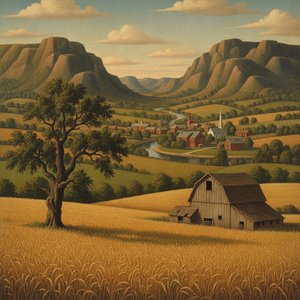
The Soul of the Heartland: A Reflective Journey Through American Regionalism and the Legacy of Grant Wood
Explore the profound beauty of American Regionalism. Discover how Grant Wood captured the resilient soul of the Midwest through masterful oil paintings that celebrate the enduring spirit of the American heartland.

10 Iconic Masterpieces That Defined American Realism
Journey through the soul of American Realism. Explore 10 iconic masterpieces, from Edward Hopper to classic landscapes, and learn the stories behind these timeless works. Find museum-quality art reproductions for your decor. Discover all masterpieces on TopImpressionists.com.