

Przedstawiony: · Wraz z ramą:
 Podgląd w skali 1:1
 Wyślij jako kartkę
 Udostępnij
 Szczegóły dzieła
 Przewodnik

 Pobierz obraz
 Podobne obiekty
 RTG
RTG Pokaz slajdów
 Pytania i odpowiedzi
 Statystyki
- 124.0 x 98.0 cm


zł 1052
Ręcznie malowana reprodukcja olejowa
Ręcznie malowany obraz olejny na płótnie, wykonany na zamówienie przez naszych artystów w wybranym przez Ciebie wymiarze i oprawie. ( Przełącz na wydania drukowane Przejdź do wersji cyfrowej)
Wymiar
·Standardowy format
personalizowane
CM
INCH
Wybierz spośród naszych standardowych rozmiarów, które zachowują oryginalne proporcje dzieła sztuki.
Ładowanie rozmiarów...

szerokość
wysokość
Wpisz wymaganą szerokość i wysokość, aby obraz pasował do Twojej ramy lub ściany. Ponieważ jest to dzieło malowane ręcznie, w przypadku rozmiaru o innych proporcjach artysta może domalować nieco więcej wokół obrazu lub przyciąć jego fragmenty — wybór należy do Ciebie. Przed rozpoczęciem pracy prześlemy Ci cyfrową wizualizację do zatwierdzenia. Obraz widoczny na tej stronie nie przedstawia rzeczywistego efektu — jedynie wizualizacja oddaje realny rezultat.
 Dowiedz się więcej
Wykończenie
·
Białe krawędzie zł1

rozmyte krawędzie zł1

Przedłużony zł1

P118B zł10

P118H zł10

P118W zł10

P438Z zł10

P508JH zł12

P508YH zł12

P805H zł10

P805Z zł10

P919BZ zł10

P919G zł10

P919XJ zł10

P959ZH zł10

P968JZ zł12

W106C zł8

W218G zł10

W218JH zł8

W218Y zł10

W307PJ zł10

W316G zł10

W316PJ zł8

W316Y zł10

W398PJ zł8

W4111J zł10

W500HY zł15

W500JH zł15

W692G zł12

W849H zł8

W940BG zł15

W953PJ zł8

H24-GOLD zł30

H24-SILVER zł30

H36-GOLD zł45

H36-SILVER zł45
Dostarczane w ochronnej tubie, gotowe do oprawienia przez Twojego ramiarza.
Dodatki
opcjonalneCo obejmują dodatki?
Przykłady możliwych zmian: Zastąpienie twarzy zdjęciem klienta; Dodanie zwierzęcia (np. zamiana kota na psa); Ukrycie wiadomości w tle; Zmiana krajobrazu lub elementów tła.
Po złożeniu zamówienia zespół TopImpressionists.com skontaktuje się z klientem drogą mailową w celu uzyskania instrukcji i prześle podgląd projektu
Po złożeniu zamówienia zespół TopImpressionists.com skontaktuje się z klientem drogą mailową w celu uzyskania instrukcji i prześle podgląd projektu
Dostawa na całym świecie () w ciągu 3–4 tygodni zamiast standardowych 5 tygodni. (8 Listopad). Bez kompromisów w kwestii jakości.
Lakier ochronny
Etykieta obiektu
Szczegóły grawerowanej brązowej tabliczki
This elegant plaque features the artist's name and the title of the artwork, finely engraved for a timeless presentation.
It is made from bronze with a refined, elegant finish. The text is precisely laser-engraved for a sharp and permanent result. Measuring 9x2 cm, the plaque is compact yet easy to read. It's built to be durable and scratch-resistant, offering a professional, museum-quality look. Mounting is simple thanks to the included adhesive backing.
Szczegóły przezroczystej tabliczki akrylowej
The plaque includes essential engraved details such as the artist's name, the title of the artwork, the date it was created, the type of media used-like oil on canvas or watercolor-a brief description of the piece, and a QR code that links to the complete artwork information.
It is crafted from clear acrylic, offering a sleek, modern appearance. The text is UV-engraved in black to ensure strong visual contrast. With a size of 10x15 cm, it ensures optimal readability. It comes equipped with two metal hooks for secure wall mounting. The plaque is designed to be weather-resistant, making it suitable for various environments, and it includes interactive features that work seamlessly with smartphone scanning.
Szczegóły czarnej tabliczki akrylowej
This elegant plaque includes engraved information such as the artist's name, the title of the artwork, the date it was created, the type of media used (like oil on canvas or watercolor), a short description of the artwork, and a QR code for quick access to more information.
The plaque itself is made from refined black acrylic with a premium finish. The text is laser-engraved in white for high contrast and readability. Its size is 10x15 cm, designed to be easy to read. It comes with two metal hooks for professional mounting. The design is sleek and fits any interior style. It is also weather-resistant and durable, with built-in digital integration for mobile compatibility.
Opcja ze szkłem jest dostępna wyłącznie w rozmiarach poniżej 110 cm
 Opcja ze szkłem jest dostępna wyłącznie w rozmiarach poniżej 110 cm
- Bezpłatna ekspresowa wysyłka na cały świat
- Wysokiej jakości płótno lniane
- Pełne ubezpieczenie przesyłki
- Gwarancja zwrotu należności celnych i podatków importowych
- Gwarancja wiernego odwzorowania kolorów
- 100-dniowa polityka zwrotów (tylko w przypadku wad)
- Gwarancja 100% zwrotu pieniędzy
- Zniżka przy zakupie wielu sztuk


Opis obiektu
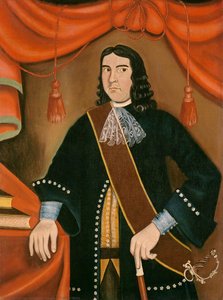
Winslow Homer: Mistrz światła i narracji - Samuel Eells (1869) – obraz przedstawiający mężczyznę w mundurze, symbol władzy i prywatności. Klasyka amerykańskiej sztuki!
Biografia artysty
Winslow Homer (1836-1910): Ikoniczny amerykański realistyczny malarz słynący z obrazów morskich i krajobrazów XIX wieku. Odkryj arcydzieła takie jak "The Gulf Stream" i "Breezing Up".
O obrazie
Winslow Homer: Mistrz Światła i Narracji
Winslow Homer, jeden z najsławniejszych amerykańskich artystów, słynie ze swoich urzekających i skłaniających do refleksji dzieł. Wśród jego najbardziej znaczących kreacji znajduje się obraz Samuel Eells, arcydzieło ukazujące niezwykłą umiejętność Homera w chwytaniu samej esencji swoich bohaterów. Ten portret, ukończony w 1800 roku, stanowi doskonały przykład zdolności artysty do łączenia realizmu z opowiadaniem historii – co stało się znakiem rozpoznawczym jego wizji artystycznej.Obraz: Szczegółowa Analiza
Dzieło Samuel Eells o wymiarach 124 x 98 cm zostało wykonane techniką olejną na płótnie. Mistrzowskie wykorzystanie światłocienia przez Homera tworzy namacalne poczucę objętości i tekstury, przyciągając wzrok widza bezpośrednio ku centralnej postaci – mężczyźnie ubranemu w formalny strój, z białym kołnierzykiem i czarną chustą pod szyją. Jego surowe spojrzenie nadaje scenie aurę tajemniczości, sugerując niewypowiedziane myśli i emocje skryte pod powierzchnią. W tło subtelnie wkomponowano dwie inne postacie: jedną po lewej stronie płótna oraz drugą, znajdującą się głębiej po prawej stronie. W dolnym lewym rogu spoczywa książka, która dodaje kompozycji głębi i sugeruje intelektualną kontemplację.Znaczenie Artystyczne
Twórczość Winslow Homera często odzwierciedla jego głębokie zrozumienie ludzkiej psychologii oraz stanowi formę komentarza społecznego. W obrazie Samuel Eells artysta po mistrzowsku wykorzystuje dramatyczną czerwoną kurtynę jako tło – był to celowy wybór, który potęguje rangę podmiotu i wprowadza do portretu element teatralności. Kurtyna nie służy tu jedynie jako dekoracja wizualna, lecz staje się symbolem autorytetu, prywatności, a być może nawet sądu. Skrupulatna dbałość Homera o detale – od fałd materiału po subtelne niuanse wyrazu twarzy – świadczy o jego niezłomnym dążeniu do przedstawiania rzeczywistości z bezkompromisową szczerością.Winslow Homer: Krótki Zarys
Winslow Homer (1836-1910) był amerykańskim artystą znanym ze swoich pejzaży, marynistycznych widoków oraz portretów. Sławę zdobył początkowo jako ilustrator komercyjny, szlifując swoje zdolności obserwacyjne i rozwijając charakterystyczny styl cechujący się odważnymi pociągnięciami pędzla oraz ekspresyjną paletą barw. Jednak Homer szybko przeszedł do malarstwa, tworząc ikoniczne dzieła, które uchwyciły ducha amerykańskiej ery romantyzmu i ugruntowały jego miejsce w historii sztuki. Do innych znaczących obrazów należą The Morning Bell, The Proud Mother oraz Feeding the Bird – wszystkie dostępne do obejrzenia na stronie https://TopImpressionists.com.Znaczenie dla Miłośników Sztuki
Dla entuzjastów sztuki Samuel Eells to pozycja obowiązkowa. Obraz ten stanowi wzorcowy przykład kunsztu Homera w portretowaniu oraz jego zdolności do przekazywania złożonych emocji poprzez subtelne gesty i mimikę. Co więcej, dzieło to dostarcza cennej wiedzy na temat konwenansów społecznych w Ameryce na początku XIX wieku – okresu naznaczonego formalnością, powściągliwością i niezachwianą wiarą w cnotę moralną. Warto rozważyć zamówienie wysokiej jakości reprodukcji olejnej z https://TopImpressionists.com, aby zaprosić wizję artystyczną Homera do własnego domu.- The Museum Andover Guildhall (Andover, Stany Zjednoczone): Ukryty Skarb dla Miłośników Sztuki
- Winslow Homer: Samuel Eells
- John Roberts (1768-1803)
Pytania i odpowiedzi
Jaki rozmiar i orientacja są zalecane dla wydruku dzieła „Samuel Eells” – Winslow Homer?
Rozmiar Duży format, orientacja Orientacja pionowa: to sugerowane parametry druku dla dzieła „Samuel Eells” – Winslow Homer.
Do jakiego nurtu artystycznego należy „Samuel Eells” – Winslow Homer?
„Samuel Eells” – Winslow Homer należy do nurtu American Realism. Nurt ten stanowi stylistyczny kontekst dzieła.
W jakiej technice wykonano "Samuel Eells" i jakie są jego wymiary?
Oryginalny utwór „Samuel Eells” – Winslow Homer to praca wykonana w technice Akryl na płótnie, o wymiarach 124 x 98 cm. Technika i rozmiar odnoszą się do obiektu oryginalnego.
Najważniejsze informacje i quiz o sztuce
O Winslow Homer

Winslow Homer
1836 - 1910, Stany Zjednoczone
Biografia artysty
Winslow Homer (1836-1910): A Brush With the American Spirit
Winslow Homer, born in Boston in 1836, wasn’t sculpted by the traditional European art academies that shaped so many of his contemporaries. Instead, he emerged from a distinctly American experience, one rooted in practicality and observation. His journey began not with grand historical canvases, but as a commercial illustrator at the tender age of twelve for Harper's Weekly. This early apprenticeship was formative, honing an exceptional ability to capture scenes with clarity and detail – skills that would become hallmarks of his mature work. He wasn’t learning perspective in Paris; he was learning to *see* America, its people, and its unfolding story. The bustling streets of Boston, the quiet dignity of rural New England life, these were his first subjects, rendered with a precision born of necessity for the demands of print media. This foundation allowed him to transition into painting, initially in watercolor, before fully embracing the expressive potential of oil paints.Early Life and Artistic Beginnings
Homer’s childhood was marked by a close relationship between his parents—Charles Savage Homer, a merchant with restless tendencies, and Henrietta Maria Benson Homer, a gifted amateur watercolorist who instilled in him a lifelong appreciation for artistic expression. His brother, Charles S. Homer Jr., pursued a successful career as a chemist, providing a contrasting perspective on the family’s ambitions. From a young age, Homer demonstrated an innate talent for drawing, sketching landscapes and portraits with remarkable accuracy. He began his formal artistic training at fourteen, studying briefly in Paris under Jean-Baptiste Camille Corot—a pivotal experience that exposed him to the Impressionist movement but ultimately solidified his commitment to a distinctly American aesthetic. This Parisian sojourn instilled in Homer a fascination with light and color, influencing his later paintings and establishing a foundation for his distinctive style.The Civil War Years: Witnessing History Through Art
The outbreak of the Civil War profoundly impacted Homer’s artistic vision. Recognizing the opportunity to document the realities of conflict—rather than glorifying heroic battles—he accepted a commission from Harper's Weekly to chronicle life on the Union front lines. Unlike many artists of his time who idealized warfare, Homer eschewed grand narratives and focused instead on portraying the everyday experiences of soldiers and civilians—the quiet moments of grief, resilience, and camaraderie amidst devastation. His sketches and lithographs captured the grim beauty of battlefields—the mud, the smoke, the exhausted faces of men—offering a visceral portrayal of the human cost of war. This experience instilled in him an unwavering commitment to portraying truthfulness and compassion—values that would permeate his subsequent works. Homer’s Civil War drawings stand as unparalleled examples of journalistic art, demonstrating his ability to transform observation into powerful visual storytelling.From Watercolor Landscapes to Monumental Oil Paintings
Initially experimenting with watercolor, Homer quickly mastered the medium's fluidity and luminosity, creating a prolific oeuvre of serene landscapes—primarily set in Maine—that celebrated the majesty of nature and captured the subtle nuances of light and atmosphere. His watercolors are characterized by delicate brushstrokes and vibrant colors—a testament to his meticulous attention to detail and his profound understanding of visual perception. However, Homer’s artistic ambition extended beyond watercolor; he sought to convey emotion and drama through larger canvases painted in oil. He achieved this goal with remarkable success, producing monumental paintings that commanded attention and evoked powerful responses from viewers. Works like *The Gulf Stream*—a dramatic depiction of a lone sailor battling the fury of the ocean—and *Breezing Up (A Fair Wind)*—a celebration of maritime life—demonstrate Homer’s mastery of technique and his ability to capture the sublime beauty of nature alongside its inherent dangers.Legacy and Influence: An American Icon
Winslow Homer's enduring legacy rests on his unwavering commitment to portraying America with honesty and authenticity—rejecting romantic idealism in favor of a direct engagement with reality. He established himself as one of America’s foremost painters, influencing generations of artists who followed him—particularly those committed to realism and landscape painting. His distinctive style—characterized by solidity, texture, and masterful use of light—continues to inspire contemporary artists today. Homer's paintings remain treasured for their emotional depth and visual power—testaments to his profound understanding of the human condition and his ability to convey complex ideas through simple yet evocative imagery. He is remembered not merely as a painter but as a chronicler of American life, capturing its spirit and beauty with unwavering conviction.Krótkie informacje o Winslow Homer
- Artistic Movement Or Style: Realizm amerykański
- Artists Or Movements Influenced By This Artist: ['Amerykańskie malarstwo']
- Artists Who Influenced This Artist:
- École de Barbizon
- Courbet
- Millet
- Date Of Birth: 24 lutego 1836
- Date Of Death: 29 września 1910
- Full Name: Winslow Homer
- Nationality: Amerykański
- Notable Artworks:
- Breezing Up
- The Gulf Stream
- Innocence
- Place Of Birth: Boston, USA


Odkryj dzieła sztuki uporządkowane według tematów, stylów i cech charakterystycznych.


Winslow Homer
Samuel Eells
() ·
Wraz z ramą: · Ręcznie malowane farbami olejnymi na płótnie lnianym
Suma