Pracownia — Bezpłatna wysyłka na cały świat — Czas dostawy: 2–6 tygodni
      Joaquín Sorolla Y Bastida, 1863 – 1923

      The 100 Most Famous Joaquín Sorolla Y Bastida Paintings, Ranked

      The best-loved painting by Joaquín Sorolla Y Bastida is Walk on the Beach (Paseo a orillas del mar) (1909), which hangs in the Sorolla Museum, Madryt. Valencia beach in the morning light (1908) and Yo soy el pan de la vida (also known as I am the Bread of Life) (1897) come next among the canvases readers know best. Our catalogue holds 969 works by Joaquín Sorolla Y Bastida: here are the 100 most famous, each with its year, its museum and what makes it memorable.

      Ranking oparty na naszym wskaźniku popularności, który łączy liczbę wyszukiwań, wizyt oraz zamówień dla każdego dzieła. Aktualizacja: Październik 2026. Each painting on this page can be ordered as an oil reproduction painted by hand on linen canvas, or as a fine art print, made to the size you choose.

      Portret Joaquín Sorolla Y Bastida
      Joaquín Sorolla Y Bastida · 1863 – 1923
      Urodzony · zmarł
      1863 – 1923, Walencja
      Nurt
      Krajobraz impresjonistyczny
      Dzieła w naszym katalogu
      969
      Najsłynniejsze
      Walk on the Beach (Paseo a orillas del mar) (1909)
      Najwięcej dzieł w
      Hispanic Society Museum - Library

      Top 10 Joaquín Sorolla Y Bastida paintings: the canvases everyone knows

      Walk on the Beach (Paseo a orillas del mar) (1909) autorstwa Joaquín Sorolla Y Bastida
      1

      Walk on the Beach (Paseo a orillas del mar)

      1909 · Oil On Canvas · Sorolla Museum, Madryt

      A Sun-Drenched Moment: Joaquín Sorolla’s “Walk on the Beach” Joaquín Sorolla y Bastida, a name synonymous with the vibrant luminosity of Spanish light and life, gifted us with countless canvases brimming with joy and an almost palpable sense of summer. Among his most beloved works stands "Walk on the Beach" (Paseo a la orilla del mar), painted in 1909, a captivating tableau that transcends mere representation to become a profound…

      Valencia beach in the morning light (1908) autorstwa Joaquín Sorolla Y Bastida
      2

      Valencia beach in the morning light

      1908 · Oil On Canvas · Hispanic Society Museum - Library, Nowy Jork

      In the soft, burgeoning glow of a Mediterranean dawn, Joaquín Sorolla y Bastida captures more than just a landscape; he captures the very breath of life. Valencia Beach in the Morning Light, completed in 1908, stands as a breathtaking testament to Spanish Impressionism, inviting the viewer to step into a world where the boundary between sea and sky dissolves into pure luminosity. As one gazes upon this masterpiece, there is…

      Yo soy el pan de la vida (also known as I am the Bread of Life) (1897) autorstwa Joaquín Sorolla Y Bastida
      3

      Yo soy el pan de la vida (also known as I am the Bread of Life)

      1897 · Oil On Canvas

      Joaquín Sorolla y Bastida's "Yo soy el pan de la vida," also known as "I am the Bread of Life," is a monumental oil on canvas painting completed in 1897. Measuring an impressive 415 x 533 cm, this artwork depicts a pivotal moment from the New Testament – Jesus Christ addressing a large crowd near the Sea of Galilee. The scene is dynamic and bustling, filled with numerous figures rendered…

      The Pink robe autorstwa Joaquín Sorolla Y Bastida
      4

      The Pink robe

      Oil On Canvas

      To step into the world of Joaquín Sorolla y Bastida is to step directly into the radiant warmth of a Mediterranean afternoon. His masterpiece, "The Pink Robe," transcends mere depiction; it embodies the very essence of Impressionism, capturing a moment suspended in time—a quiet dialogue between two women bathed in the golden glow of sunlight. Painted circa 1908-1909, this artwork offers an unparalleled glimpse into Sorolla's masterful vision, where light…

      Extremadura, The Market (1917) autorstwa Joaquín Sorolla Y Bastida
      5

      Extremadura, The Market

      1917 · Oil On Canvas · Hispanic Society Museum - Library, Nowy Jork

      In the grand tapestry of Spanish Impressionism, few works capture the pulse of a nation as vibrantly as Joaquín Sorolla y Bastida’s “Extremadura, The Market.” Completed in 1917, this monumental oil on canvas is far more than a mere depiction of commerce; it is a breathtaking window into the soul of rural Spain. As part of his celebrated Vision of Spain series, Sorolla transcends the boundaries of traditional genre painting…

      Spacer wzdłuż brzegu morza (1909) autorstwa Joaquín Sorolla Y Bastida
      6

      Spacer wzdłuż brzegu morza

      1909 · Obraz olejny na płótnie · Sorolla Museum, Madryt

      „Spacer wzdłuż brzego morza” autorstwa Juana Sorolli y Bastidy, namalowany w 1909 roku, to nie tylko przedstawienie letniego popołudnia; to wykwintna esencja światła, ruchu i ulotnego piękna codzienności. Dzieło powstałe w okresie ogromnych sukcesów artystycznych hiszطanskiego malarza – po jego słynnych wystawach w Ameryce – reprezentuje kluczową zmianę w stylu Sorolli, zmierzającą ku bardziej impresjonistycznemu i sugestywnemu podejściu, przy jednoczesnym zachowaniu jego popisowej biegłości w chwytaniu żywych kolorów i głębi…

      The Smugglers (1919) autorstwa Joaquín Sorolla Y Bastida
      7

      The Smugglers

      1919 · Oil On Canvas

      To gaze upon Joaquín Sorolla y Bastida’s 1919 masterpiece, "The Smugglers," is to step directly into the radiant embrace of a Spanish summer. This expansive canvas, measuring an impressive 84 x 165 cm, does far more than merely depict a coastal scene; it serves as a profound sensory experience, capturing the very soul of the Mediterranean coast near Ibiza. Sorolla, often revered as the "Master of Light," utilizes the shimmering…

      Lighthouse walk at Biarritz (1906) autorstwa Joaquín Sorolla Y Bastida
      8

      Lighthouse walk at Biarritz

      1906 · Oil On Canvas · Museum of Fine Arts, Boston

      In the luminous masterpiece Lighthouse Walk at Biarritz, Joaquín Sorolla y Bastida invites us into a world where the boundaries between reality and impression dissolve into a golden haze. Completed in 1906, this breathtaking canvas is far more than a mere depiction of a seaside stroll; it is a profound celebration of the Spanish Belle Époque, captured with an unparalleled mastery of light. As we gaze upon the scene, we…

      Clotilde on the Beach (1904) autorstwa Joaquín Sorolla Y Bastida
      9

      Clotilde on the Beach

      1904 · Acrylic On Canvas · Sorolla Museum, Madryt

      Joaquín Sorolla’s “Clotilde on the Beach,” painted in 1904, isn't merely a depiction of a seaside scene; it’s an immersion into the heart of Spanish summer – a vibrant distillation of light, color, and the quiet joy of family life. Sorolla, a master of *plein air* painting, captures a fleeting moment with breathtaking immediacy, transporting the viewer to the warm sands of Valencia's Playa de El Cabanyal. The canvas breathes…

      Messalina in the Arms of the Gladiator (1886) autorstwa Joaquín Sorolla Y Bastida
      10

      Messalina in the Arms of the Gladiator

      1886 · Oil

      The ground is a bed of scattered flora and heavy silence. A woman lies motionless, her hair woven with blossoms that seem to hold the weight of her stillness. She is a pale shape against the earth, appearing either lost in a deep unconsciousness or surrendered to death. Above her, a man looms, his presence defined by the sharp edge of a knife held in his hand. The outdoor setting…

      More Joaquín Sorolla Y Bastida canvases, 11 to 100

      The Cry of El Palleter (1884) autorstwa Joaquín Sorolla Y Bastida
      #12

      The Cry of El Palleter

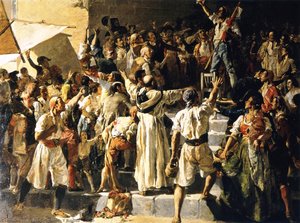
      1884 · Palau de la Generalitat

      To step into the world of Joaquín Sorolla y Bastida is to surrender oneself to the radiant warmth of the Mediterranean sun. In his 1884 masterpiece, "The Cry…

      Order this canvas →
      Promenade by the Sea (1909) autorstwa Joaquín Sorolla Y Bastida
      #13

      Promenade by the Sea

      1909

      A Symphony of Light and Leisure: Exploring Joaquín Sorolla’s Promenade by the Sea Joaquín Sorolla y Bastida stands as one of Spain's most beloved Impressionist painters, celebrated for…

      Bring this light home →
      Self-portrait (1909) autorstwa Joaquín Sorolla Y Bastida
      #16

      Self-portrait

      1909 · Sorolla Museum

      Joaquín Sorolla y Bastida's 1909 self-portrait is more than just a likeness; it’s a potent distillation of the artist’s life, his spirit, and the very essence of Spain…

      Have it painted by hand →
      Siesta (1911) autorstwa Joaquín Sorolla Y Bastida
      #20

      Siesta

      1911 · Sorolla Museum

      Joaquín Sorolla y Bastida (1863–1923) pozostaje jednym z najsławniejszych hiszpańskich impresjonistów, malarzem, którego płótna chwytają esencję śródziemnomorskiego życia z niespotykaną luminancją i bezpośredniością. Jego twórczość definiuje obsesja na…

      Bring this light home →
      Rocks of the Cape, Javea (1905) autorstwa Joaquín Sorolla Y Bastida
      #23

      Rocks of the Cape, Javea

      1905 · Hispanic Society Museum - Library

      To gaze upon Joaquín Sorolla y Bastida’s 1905 masterpiece, "Rocks of the Cape, Javea," is to step directly into the radiant embrace of a Spanish summer. This oil…

      Bring this light home →
      Valencian Fisherwomen (1915) autorstwa Joaquín Sorolla Y Bastida
      #27

      Valencian Fisherwomen

      1915

      This oil on canvas painting by Joaquín Sorolla depicts a bustling scene on the coast, where a group of women stands in the water near several boats. The…

      Order this canvas →
      Sieci Rybackie (1893) autorstwa Joaquín Sorolla Y Bastida
      #28

      Sieci Rybackie

      1893

      Wprowadzenie: Moment Odsłonięty przez Joaquín Sorollę Joaquín Sorolla y Bastida – imię synonimiczne z promiennym światłem Hiszpanii – był znacznie więcej niż tylko malarzem; był precyzyjnym kronikarzem duszy…

      Have it painted by hand →
      Swimmers, Javea (1905) autorstwa Joaquín Sorolla Y Bastida
      #32

      Swimmers, Javea

      1905

      The painting depicts two people swimming in the ocean. The first person is positioned on the left side of the canvas, while the second person is on the…

      Order this canvas →
      My Kids (1897) autorstwa Joaquín Sorolla Y Bastida
      #39

      My Kids

      1897

      Joaquín Sorolla y Bastida’s "My Kids" is not merely a depiction of three children; it is an effusion of pure, untainted joy captured on canvas. Completed in 1897,…

      Have it painted by hand →
      Manuel B. Cossio (1908) autorstwa Joaquín Sorolla Y Bastida
      #40

      Manuel B. Cossio

      1908

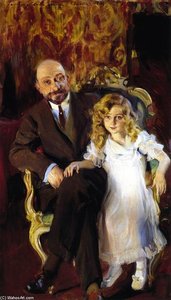
      Subject and Composition The canvas presents a dignified figure, Manuel B. Cossio, rendered in a crisp suit and tie that speaks of early twentieth‑century Spanish professionalism. His stern…

      Have it painted by hand →
      Tipos de Salamanca (1912) autorstwa Joaquín Sorolla Y Bastida
      #41

      Tipos de Salamanca

      1912

      A Study in Spanish Identity Three figures are arranged within a shallow, formal space, dressed in traditional Spanish attire. The composition centers on these individuals, utilizing organic lines…

      Bring this light home →
      Rybałowie Walencja (1916) autorstwa Joaquín Sorolla Y Bastida
      #42

      Rybałowie Walencja

      1916

      Joaquin Sorolla’s “Valencian Fisherman” isn't merely a painting; it’s an immersion into the very soul of Spain, captured in a single, shimmering moment. Painted in 1895, this remarkable…

      Have it painted by hand →
      The Jota (Aragon) (1914) autorstwa Joaquín Sorolla Y Bastida
      #43

      The Jota (Aragon)

      1914 · Hispanic Society Museum - Library

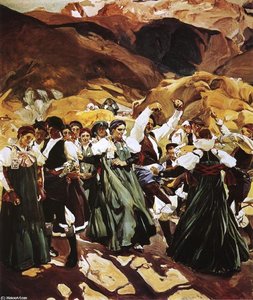
      A Symphony of Light and Spanish Spirit: Joaquín Sorolla’s “The Jota (Aragon)” Joaquín Sorolla y Bastida, a painter inextricably linked with the radiant heart of Spain, gifted us…

      Have it painted by hand →
      The Painter's Studio (1888) autorstwa Joaquín Sorolla Y Bastida
      #50

      The Painter's Studio

      1888

      To stand before Joaquín Sorolla y Bastida's The Painter's Studio is to step directly into a moment suspended in golden light, a breath held within the vibrant tapestry…

      Bring this light home →
      After a Bathe autorstwa Joaquín Sorolla Y Bastida
      #53

      After a Bathe

      Hispanic Society Museum - Library

      Joaquin Sorolla y Bastida stands as one of Spain’s most beloved painters, celebrated for his luminous canvases that effortlessly blend realism with an ethereal quality—a hallmark of his…

      Order this canvas →
      The Two Sisters (1909) autorstwa Joaquín Sorolla Y Bastida
      #54

      The Two Sisters

      1909 · Art Institute of Chicago

      In the luminous realm of Joaquín Sorolla y Bastida, light is not merely an element of the landscape; it is the very soul of the canvas. His 1909…

      Bring this light home →
      Fiesta Gallega autorstwa Joaquín Sorolla Y Bastida
      #57

      Fiesta Gallega

      Joaquín Sorolla y Bastida's *Fiesta Gallega* (1907) is more than just a depiction of a rural Spanish gathering; it’s an embodiment of the vibrant spirit of Spain itself.…

      Have it painted by hand →
      La bendicion de Isaac autorstwa Joaquín Sorolla Y Bastida
      #58

      La bendicion de Isaac

      In the profound stillness of La bendición de Isaac, Joaquín Sorolla y Bastida captures a pivotal moment from Hebrew tradition. The painting depicts the patriarch Isaac, now aged…

      Order this canvas →
      At the Pool in the Artist (1898) autorstwa Joaquín Sorolla Y Bastida
      #60

      At the Pool in the Artist

      1898 · Museo de Arte de Ponce

      Joaquín Sorolla y Bastida’s “At the Pool in the Artist’s Garden,” painted in 1898, isn’t merely a depiction of a summer afternoon; it’s an immersion into the very…

      Have it painted by hand →
      Elaboración de la pasa (Jávea) (1900) autorstwa Joaquín Sorolla Y Bastida
      #61

      Elaboración de la pasa (Jávea)

      1900 · Państwowe Muzeum Sztuki Dawnej im. A.S. Puškina

      Joaquin Sorolla y Bastida, a name synonymous with the radiant light and vibrant energy of Spain, wasn't merely a painter; he was a meticulous recorder of his nation’s…

      Have it painted by hand →
      The Siesta (1911) autorstwa Joaquín Sorolla Y Bastida
      #62

      The Siesta

      1911

      Joaquin Sorolla y Bastida’s “The Siesta,” completed in 1911, transcends mere depiction; it embodies a philosophy – the deliberate embrace of stillness and beauty found within the simplest…

      Bring this light home →
      Maria la guapa (1914) autorstwa Joaquín Sorolla Y Bastida
      #64

      Maria la guapa

      1914

      Joaquín Sorolla's 1914 painting, *Maria la Guapa*, isn't merely a portrait; it’s an immersion into the heart of Spain’s golden age. This captivating work, depicting a young woman…

      Order this canvas →
      Sea Idyll (1908) autorstwa Joaquín Sorolla Y Bastida
      #65

      Sea Idyll

      1908 · Hispanic Society Museum - Library

      Joaquin Sorolla y Bastida, a pivotal figure in late 19th and early 20th century Spanish art, possessed an extraordinary gift for capturing the ephemeral beauty of light and…

      Order this canvas →
      The Kiss (1899) autorstwa Joaquín Sorolla Y Bastida
      #66

      The Kiss

      1899

      The Kiss by Joaquín Sorolla Y Bastida: A Moment of Spanish Light Subject Matter: Joaquin Sorolla’s “The Kiss” is an exquisite portrayal of intimacy and reverence, depicting a…

      Have it painted by hand →
      My Children (1904) autorstwa Joaquín Sorolla Y Bastida
      #67

      My Children

      1904 · Museo Sorolla

      Joaquín Sorolla’s “My Children,” painted in 1904, isn't merely a portrait; it’s an immersion into the heart of a sun-drenched Spanish afternoon. The scene unfolds within a modest…

      Have it painted by hand →
      Children on the Seashore (1903) autorstwa Joaquín Sorolla Y Bastida
      #68

      Children on the Seashore

      1903 · Philadelphia Museum of Art

      The Painting's Essence Joaquín Sorolla y Bastida's Children on the Seashore, created in 1903, is a beautiful depiction of children playing on the beach near the ocean. The…

      Have it painted by hand →
      Maria Planas de Gil (1906) autorstwa Joaquín Sorolla Y Bastida
      #69

      Maria Planas de Gil

      1906

      Joaquín Sorolla's ‘Maria Planas de Gil,’ painted in 1906, is more than simply a portrait; it’s an exquisite distillation of the Spanish light that defined his oeuvre and…

      Have it painted by hand →
      Ramón Pérez de Ayala (1920) autorstwa Joaquín Sorolla Y Bastida
      #71

      Ramón Pérez de Ayala

      1920 · Hispanic Society Museum - Library

      In the luminous realm of Spanish Impressionism, few works capture the intersection of human character and atmospheric brilliance as profoundly as Joaquín Sorolla y Bastida’s 1920 masterpiece, Ramón…

      Order this canvas →
      The Return from the Fishing (1898) autorstwa Joaquín Sorolla Y Bastida
      #73

      The Return from the Fishing

      1898 · National Museum of Fine Arts

      Joaquín Sorolla y Bastida's “The Return from the Fishing,” completed in 1898, isn’t merely a depiction of a seaside scene; it’s an embodiment of Impressionism at its finest—a…

      Have it painted by hand →
      Under the awning, Zarauz (1910) autorstwa Joaquín Sorolla Y Bastida
      #74

      Under the awning, Zarauz

      1910 · Saint Louis Art Museum

      Joaquin Sorolla y Bastida's "Under the Awnings, Zarauz," painted in 1910, is a captivating Impressionist work that transports viewers to a sun-drenched beach scene in Spain. Housed within…

      Have it painted by hand →
      Fisherwomen (1911) autorstwa Joaquín Sorolla Y Bastida
      #75

      Fisherwomen

      1911

      Introduction to the Artist and Painting Joaquín Sorolla y Bastida, a renowned Spanish painter, is celebrated for his vivid depictions of everyday life in Spain. One of his…

      Order this canvas →
      Penitents, Holy Week, Seville (1914) autorstwa Joaquín Sorolla Y Bastida
      #76

      Penitents, Holy Week, Seville

      1914 · Hispanic Society Museum - Library

      Joaquín Sorolla y Bastida's "Penitents, Holy Week, Seville," painted in 1914, is a captivating oil on canvas that transports viewers to the heart of Spain’s deeply rooted religious…

      Bring this light home →
      Swimmers, Jávea (1905) autorstwa Joaquín Sorolla Y Bastida
      #77

      Swimmers, Jávea

      1905 · Sorolla Museum

      Joaquin Sorolla y Bastida's "Swimmers, Jávea," painted in 1905, isn’t merely a depiction of two women enjoying the Mediterranean Sea; it’s an exquisite distillation of light, movement, and…

      Bring this light home →
      Paris Boulevard (1885) autorstwa Joaquín Sorolla Y Bastida
      #79

      Paris Boulevard

      1885 · Sorolla Museum

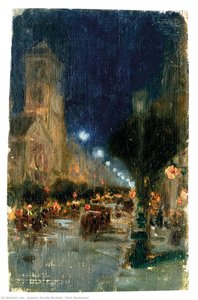
      Joaquin Sorolla y Bastida’s “Paris Boulevard,” painted in 1885, isn’t merely a depiction of a city street at night; it’s an immersive experience. Captured during his formative years…

      Have it painted by hand →
      Joaquín (1917) autorstwa Joaquín Sorolla Y Bastida
      #80

      Joaquín

      1917 · Sorolla Museum

      Joaquín Sorolla’s 1917 painting, “Joaquín,” isn't merely a likeness; it’s a carefully constructed tableau vivant, capturing the essence of early 20th-century Spanish society and the burgeoning spirit of…

      Bring this light home →
      La siesta (1912) autorstwa Joaquín Sorolla Y Bastida
      #82

      La siesta

      1912

      Joaquín Sorolla’s “La Siesta,” painted in 1912, is more than just a depiction of women resting outdoors; it's an embodiment of the Spanish spirit – a celebration of…

      Have it painted by hand →
      Wounded foot (1909) autorstwa Joaquín Sorolla Y Bastida
      #84

      Wounded foot

      1909

      Joaquín Sorolla y Bastida's “Wounded Foot,” painted in 1909, transcends mere depiction; it embodies the very essence of Impressionism and offers a poignant glimpse into the spirit of…

      Order this canvas →
      Seville, the Bullfighters (1915) autorstwa Joaquín Sorolla Y Bastida
      #85

      Seville, the Bullfighters

      1915 · Hispanic Society Museum - Library

      Seville, the Bullfighters is a captivating oil on panel painting created in 1915 by the renowned Spanish artist Joaquín Sorolla y Bastida. Measuring an impressive 350 x 231…

      Order this canvas →
      Mending the Sail (1896) autorstwa Joaquín Sorolla Y Bastida
      #86

      Mending the Sail

      1896

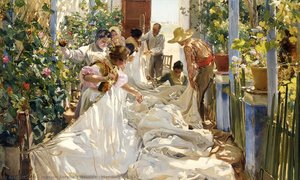
      Joaquín Sorolla Y Bastida, a name synonymous with the radiant light and vibrant energy of Spain, was more than just a painter; he was a chronicler of his…

      Order this canvas →
      La vuelta de la pesca (1894) autorstwa Joaquín Sorolla Y Bastida
      #88

      La vuelta de la pesca

      1894

      Introduction Joaquín Sorolla y Bastida, a renowned Spanish painter, created the captivating oil on canvas painting titled La Vuelta de la Pesca. This artwork is a testament to…

      Have it painted by hand →
      Maria in a Red Blouse (1910) autorstwa Joaquín Sorolla Y Bastida
      #90

      Maria in a Red Blouse

      1910

      Joaquin Sorolla’s “Maria in a Red Blouse,” painted in 1910, is more than just a portrait; it's an exquisite distillation of light, emotion, and the Spanish spirit. This…

      Order this canvas →
      On the coast of Biarritz (1906) autorstwa Joaquín Sorolla Y Bastida
      #91

      On the coast of Biarritz

      1906

      The painting depicts a lively seaside scene, capturing the essence of leisure and summertime joy. At its core is a group of figures – three prominent individuals standing…

      Order this canvas →
      Beneath the Canopy autorstwa Joaquín Sorolla Y Bastida
      #93

      Beneath the Canopy

      Joaquín Sorolla y Bastida's "Beneath the Canopy" is more than just a depiction of a sun-drenched beach; it’s an embodiment of the Spanish spirit – vibrant, joyful, and…

      Order this canvas →
      untitled (2616) autorstwa Joaquín Sorolla Y Bastida
      #95

      untitled (2616)

      In this breathtaking untitled masterpiece by the legendary Spanish Impressionist Joaquín Sorolla y Bastida, the viewer is invited to step into a sun-drenched sanctuary where time seems to…

      Bring this light home →
      Running along the beach (1908) autorstwa Joaquín Sorolla Y Bastida
      #96

      Running along the beach

      1908

      Joaquín Sorolla y Bastida's "Running along the beach," painted in 1908, is more than just a picturesque depiction of seaside leisure; it’s a masterful distillation of light, movement,…

      Order this canvas →
      Don Rafael Altamira y Crevea (1913) autorstwa Joaquín Sorolla Y Bastida
      #97

      Don Rafael Altamira y Crevea

      1913 · Hispanic Society Museum - Library

      Don Rafael Altamira y Crevea sits in a centered, three-quarter length pose, his presence defined by a heavy, luminous red mozzetta that anchors the composition. The portrait captures…

      Have it painted by hand →
      On the Coast of Valencia (1898) autorstwa Joaquín Sorolla Y Bastida
      #99

      On the Coast of Valencia

      1898 · National Museum of Fine Arts

      The painting On the Coast of Valencia by Joaquin Sorolla Y Bastida is a beautiful depiction of people on the beach with boats in the water. Created in…

      Bring this light home →
      The Alcazar at Seville autorstwa Joaquín Sorolla Y Bastida
      #100

      The Alcazar at Seville

      Joaquín Sorolla y Bastida's “The Alcazar at Seville” is more than just a depiction of a magnificent building; it’s an immersive experience, a palpable distillation of light and…

      Bring this light home →

      Joaquín Sorolla Y Bastida's canvases, period by period

      What Joaquín Sorolla Y Bastida painted most

      The four subjects that return most often on these canvases, each with its best-loved example.

      Where Joaquín Sorolla Y Bastida's canvases hang

      8 muzeów, w których znajduje się najwięcej obrazów z tej strony.

      Muzeum Miasto Dzieła artysty Joaquín Sorolla Y Bastida Obrazy z tej listy
      Hispanic Society Museum - Library, Nowy JorkHispanic Society Museum - Library Nowy Jork 113 Valencia beach in the morning light, Extremadura, The Market, Rocks of the Cape, Javea
      Sorolla Museum, MadrytSorolla Museum Madryt 72 Walk on the Beach (Paseo a orillas del mar), Spacer wzdłuż brzegu morza, Clotilde on the Beach
      National Museum of Fine Arts, Buenos AiresNational Museum of Fine Arts Buenos Aires 8 The Return from the Fishing, On the Coast of Valencia
      Museo del Prado, MadrytMuseo del Prado Madryt 10 Aureliano de Beruete y Moret, Jr.
      Muzeum J. Paula Getty'ego, Los AngelesMuzeum J. Paula Getty'ego Los Angeles 6 Courtyard of the Dances, Alcazar of Sevilla
      Musée d'Orsay, ParyżMusée d'Orsay Paryż 4 The Return from Fishing: Hauling the Boat (study)
      Art Institute of Chicago, ChicagoArt Institute of Chicago Chicago 2 The Two Sisters
      Museum of Fine Arts, BostonMuseum of Fine Arts Boston 1 Lighthouse walk at Biarritz

      Joaquín Sorolla Y Bastida's best-loved canvas of each decade

      1. 1880s
        Messalina in the Arms of the Gladiator (1886) autorstwa Joaquín Sorolla Y Bastida
        Ranked 10 of 100

        Messalina in the Arms of the Gladiator

        Wiek 17 – 26

        The ground is a bed of scattered flora and heavy silence. A woman lies motionless, her hair woven with blossoms that seem to hold the weight of her…

      2. 1890s
      3. 1900s
        Walk on the Beach (Paseo a orillas del mar) (1909) autorstwa Joaquín Sorolla Y Bastida
        Canvas 1 of 100

        Walk on the Beach (Paseo a orillas del mar)

        Wiek 37 – 46 · Sorolla Museum

        A Sun-Drenched Moment: Joaquín Sorolla’s “Walk on the Beach” Joaquín Sorolla y Bastida, a name synonymous with the vibrant luminosity of Spanish light and life, gifted us with…

      4. 1910s
        Extremadura, The Market (1917) autorstwa Joaquín Sorolla Y Bastida
        Canvas 5 of 100

        Extremadura, The Market

        Wiek 47 – 56 · Hispanic Society Museum - Library

        In the grand tapestry of Spanish Impressionism, few works capture the pulse of a nation as vibrantly as Joaquín Sorolla y Bastida’s “Extremadura, The Market.” Completed in 1917,…

      5. 1920s
        Ramón Pérez de Ayala (1920) autorstwa Joaquín Sorolla Y Bastida
        71 of 100

        Ramón Pérez de Ayala

        Wiek 57 – 60 · Hispanic Society Museum - Library

        In the luminous realm of Spanish Impressionism, few works capture the intersection of human character and atmospheric brilliance as profoundly as Joaquín Sorolla y Bastida’s 1920 masterpiece, Ramón…

      About Joaquín Sorolla Y Bastida's canvases: your questions answered

      What is the best-known painting by Joaquín Sorolla Y Bastida?Read the answer

      Walk on the Beach (Paseo a orillas del mar) (1909), Sorolla Museum, Madryt. Valencia beach in the morning light (1908) and Yo soy el pan de la vida (also known as I am the Bread of Life) (1897) follow.

      What age was Joaquín Sorolla Y Bastida when Walk on the Beach (Paseo a orillas del mar) was painted?Read the answer

      Joaquín Sorolla Y Bastida, born in 1863, was 46 years old: Walk on the Beach (Paseo a orillas del mar) dates from 1909.

      What are the 10 most famous paintings by Joaquín Sorolla Y Bastida?Read the answer

      Walk on the Beach (Paseo a orillas del mar), Valencia beach in the morning light, Yo soy el pan de la vida (also known as I am the Bread of Life), The Pink robe, Extremadura, The Market, Spacer wzdłuż brzegu morza, The Smugglers, Lighthouse walk at Biarritz, Clotilde on the Beach i Messalina in the Arms of the Gladiator. Each canvas in the ranking above comes with its year and its museum.

      How many works did Joaquín Sorolla Y Bastida paint in all?Read the answer

      969 works by Joaquín Sorolla Y Bastida are in our catalogue, dated 1881 to 1920.

      Where can I see Joaquín Sorolla Y Bastida's most famous canvases?Read the answer

      Mostly in Hispanic Society Museum - Library (Nowy Jork), Sorolla Museum (Madryt) i National Museum of Fine Arts (Buenos Aires); the list above names each museum and its canvases.

      When did Joaquín Sorolla Y Bastida paint the best-loved canvases?Read the answer

      In 1910s, which gave 34 of the 100 works on this page, Extremadura, The Market among them.

      Which are Joaquín Sorolla Y Bastida's earliest and latest famous canvases?Read the answer

      The earliest canvas here is Seascape, Ships in the Port (1881); the latest is Ramón Pérez de Ayala (1920).

      What did Joaquín Sorolla Y Bastida paint most often?Read the answer

      Sunlight (18), Spain (17) i Beach scene (14), across the 100 works on this page.

      Which medium did Joaquín Sorolla Y Bastida paint in most often?Read the answer

      Oil On Canvas, used in 85 of the 100 works on this page.

      Which movement is Joaquín Sorolla Y Bastida's painting part of?Read the answer

      Krajobraz impresjonistyczny, as the canvases on this page show.

      Which Joaquín Sorolla Y Bastida canvases hang at the Hispanic Society Museum - Library?Read the answer

      The Hispanic Society Museum - Library, Nowy Jork holds 11 of the works on this page, among them Valencia beach in the morning light, Extremadura, The Market i Rocks of the Cape, Javea.

      Can I buy a reproduction of a Joaquín Sorolla Y Bastida canvas?Read the answer

      Yes. Every painting on this page can be ordered from its own page as an oil reproduction painted by hand, or as a fine art print, in the size you choose.

      Joaquín Sorolla Y Bastida: a life in paint

      Wczesne lata, rodzina i kształcenie

      Joaquín Sorolla Y Bastida przyszedł na świat 27 lutego 1863 roku w Walencji, w Hiszpanii. Był najstarszym dzieckiem rzemieślnika, Joaquína Sorolli, oraz jego żony, Concepción Bastida. Dzieciństwo młodego chłopca naznaczone zostało nagłą i przytłaczającą ciszą, gdy w sierpniu 1865 roku epidemia cholery zabrała oboje jego rodziców. Ta tragedia pozostawiła Joaquína i jego siostrę, Conchę, jako sierot. Zostali oni przyjęci przez ciotkę i stryja ze strony matki, ślusarza, którzy zapewnili rodzeństwu stabilizację niezbędną do dorastania.

      Iskra talentu pojawiła się wcześnie w jego młodości w Walencji. Pierwsze lekcje sztuki odebrał w swoim rodzinnym mieście, rozwijając naturalne uzdolnienia, których nie sposób było zignorować. Ta wczesna edukacja położyła fundamenty pod formalne wykształcenie pod okiem uznanych artystów, w tym Cayetano Capuza i José Benlliure’a. Mentorzy ci pomogli ukształtować umiejętności techniczne, które ostatecznie pozwoliły mu wyjść poza lokalną scenę i poszukać szerszych horyzontów.

      Życie i kariera w Madrycie

      W 1888 roku Joaquín Sorolla Y Bastida poślubił Clotilde García del Castillo, kobietę, którą znał od czasów młodości spędzonej w pracowni jej ojca. Ich wspólne życie przeniosło się do Madrytu w 1890 roku, co stanowiło przełomowy moment w jego rozwoju osobistym i zawodowym. Wraz z osiedleniem się w stolicy, ich rodzina powiększała się z każdym rokiem – do 1895 roku na świat przyszły Maria, Joaquín i Elena. Był to czas budowania nie tylko domowego ogniska, ale także sławy, która ostatecznie wykraczała daleko poza granice Hiszpanii.

      W dekadzie następującej po przeprowadzce do Madrytu, uwaga Sorolli przesunęła się w stronę tworzenia monumentalnych płócien. Większość czasu poświęcał tematom o ogromnej skali, od scen mitologicznych i historycznych, po motywy orientalistyczne oraz studia społeczne. Jego ambicja znajdowała odzwierciedlenie w rozmachu dzieł, w których poprzez pociągnięcia pędzla starał się opowiedzieć złożone, wielowarstwowe narracje. Ten okres intensywnej twórczości przyniósł mu międzynarodowe uznanie, które rozkwitło dzięki licznym wystawom. Swoje prace prezentował w salonach całej Europy i obu Ameryk, odwiedzając takie metropolie jak Paryż, Wenecja, Monachium, Berlin czy Chicago.

      Kluczowe dzieła i wielkie osiągnięcia

      Przełomowy moment w jego karierze nadszedł wraz z powstaniem w 1899 roku płótna Sad Inheritance. To monumentalne dzieło, przedstawiające dzieci kąpiące się w morzu, zostało zaprezentowane na Wystawie Światowej w Paryżu. Praca ta przyniosła mu poziom uznania, który na zawsze odmienił jego życie, prowadząc do mianowania go Kawalerem Legii Honorowej w 1900 roku. W tym samym roku otrzymał Grand Prix oraz medal honorowy na paryskiej wystawie, co stanowiło jego oficjalny debiut na wielkiej scenie międzynarodowej.

      Jego sukces nieustannie rósł wraz z pierwszymi latami nowego stulecia. W 1901 roku został uhonorowany medalem honorowym na Krajowej Wystawie w Madrycie. Te liczne wyróżnienia odzwierciedlały jego niezwykłą zdolność do poruszania się między ciężkimi tematami społecznymi a jasnymi, skąpany w słońcu scenami, które ostatecznie zdefiniowały jego sławę. Jego oddziaływanie wykraczało daleko poza granice Hiszpanii, a renoma w oddawaniu światła i witalności życia przyniosła mu liczne zlecenia od najważniejszych instytucji międzynarodowych.

      Jednym z jego najbardziej ambitnych przedsięwzięć było zamówienie na stworzenie cyklu Vision of Spain dla Hispanic Society of America. Ta seria monumentalnych dzieł pozwoliła mu wyrazić głęboką więź z ojczyzną poprzez wielkoformatową narrację wizualną. Jego kariera była naznaczona tymi momentami najwyższych osiągnięć, w których mistrzowska technika spotkała się z głębokim poczuciem artystycznej misji.

      • Sad Inheritance (1899)
      • Vision of Spain

      Technika i styl artystyczny

      Sposób pracy Sorolli był tak samo niespokojny i pełen życia, jak samo Morze Śródziemne. Był malarzem, który ponad wszystko cenił bezpośredniość natury, wybierając malowanie niemal wszystkich swoich dzieł en plein air. To oddanie pracy w otwartym plenerze pozwalało mu na bezpośrednie starcie z nieprzewidywalnymi żywiołami. Nie dążył on jedynie do zwykłego odtworzenia sceny; pragnął uchwycić sam proces interakcji światła ze światem, a w szczególności sposób, w jaki ta świetlista energia tańczy na nasłonecznionej tafli wody i rozświetla skórę jego modeli. Jego pociągnięcia pędzla były swobodne i pełne energii, a grube, ekspresyjne uderzenia barw pozwalały mu przenieść ulotny ruch światła słonecznego na płótno.

      Jego techniczna biegłość oscylowała między intymnością a monumentalizmem. Z taką samą swobodą oddawał spokój cichego portretu, jak i mierzył się z wielkoformatowymi tematami społecznymi czy historycznymi. W jego podejściu do pejzażu wyczuwalna jest niezwykła zręczność; często umieszczał postacie w objęciach jaskrawego, hiszpańskiego słońca, które zdaje się zacierać granice między morzem a niebem. Takie podejście sprawiało, że zwyczajne chwile stawały się czymś bezpośrednim, niemalże oddychającym. Skupiał się na teksturach codzienności, wykorzystując światło do definiowania kształtów ludzi oraz otoczenia, w którym żyją.

      Późne lata i śmierć

      Ostatnie lata życia, które prowadził Joaquín Sorolla Y Bastida, zostały naznaczone przez niezwykle ambitne przedsięwzięcie, wymagające od artysty ogromnej wytrzymałości fizycznej oraz niezłomnej siły ducha. Większość tego okresu poświęcił pracy nad monumentalnymi muralami – projektem, który pochłonął całą jego uwagę i energię. Z wielkim trudem, lecz z niezwykłą determinacją, zdołał ukończyć ostatni panel tych wielkoformatowych dzieł w lipcu 1919 roku, co stanowiło doniosłe zwieńczenie jego niezwykłej drogi twórczej.

      Niestety, możliwość dalszego malowania została wkrótce przerwana przez problemy zdrowotne. W 1920 roku doznał udaru, co drastycznie ograniczyło jego aktywność malarską i nieodwracalnie zmieniło rytm jego życia. Ten czas rekonwalescencji stał się cichym, niemal sennym odejściem od pełnych energii, plenerowych sesji, które definiowały jego wcześniejsze lata. Joaquín Sorolla Y Bastida odszedł 10 sierpnia 1923 roku. Spoczął na cmentarzu w Walencji, powracając w końcu do regionu, który od zawsze stanowił samo serce jego życia i jego niepowtarzalnej sztuki.

      Dziedzictwo i nieprzemijający wpływ

      Oddziaływanie, jakie wywarł Joaquín Sorolla Y Bastida, sięgało daleko poza brzegi jego ojczystej Hiszpanii. Jego obecność w międzynarodowym środowisku artystycznym została ugruntowana dzięki członkostwu w wielu prestiżowych instytucjach, w tym w paryskiej Académie des Beaux-Arts, Narodowej Akademii Sztuk Pięknych w Lizbonie oraz Real Academia de Bellas Artes de San Carlos w Walencji. Te liczne wyróżnienia odzwierciedlały karierę, która z sukcesem wypełniła lukę między lokalną tożsamością a globalnym uznaniem. Był celebrowany jako „Ulubiony Syn Walencji” – tytuł ten w dobitny sposób mówił o głębokiej, niemal mistycznej więzi łączącej malarza ze światłem jego rodzinnego regionu.

      Dziś jego płótna zdobią kolekcje w całej Hiszpanii, Europie i obu Amerykach. Niezwykła zdolność artysty do przenoszenia ruchu morskich fal oraz żaru słonecznego na płaską powierzchnię płótna sprawiła, że jego wizja na zawsze zapisała się w zbiorowej świadomości. Jego dzieła wciąż są przedmiotem wnikliwych studiów i zachwytu w najważniejszych muzeach świata, utrzymując obecność, która wykracza poza granice kontynentów. Wpływ Sorolli jest wyczuwalny w sposobie, w jaki potrafił uchwycić unikalne poczucie miejsca i światła, pozostawiając po sobie dorobek, który pozostaje żywym i tętniącym elementem światowego krajobrazu artystycznego.

      • Sad Inheritance (1899)
      • Children on the Seashore (1903)
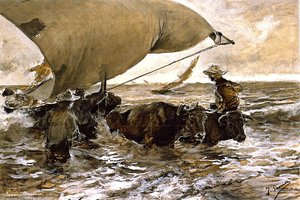
      • The Return from Fishing; Hauling the Boat (1894)

      Gdzie dziś można podziwiać jego dzieła

      Dla tych, którzy pragną przejść się ścieżkami kształtującymi jego życie, Museo Sorolla w Madrycie oferuje rzadką okazję do wglądu w jego prywatny świat. To wyjątkowe muzeum poświęcone jednemu artyście mieści się w jego dawnym domu i pracowni, zachowując niepowtarzalną atmosferę miejsca, w którym żył i tworzył. W tych murach można odnaleźć intymne dzieła, takie jak Moje dzieci, które ukazują jego osobiste związki i emocje, z dala od monumentalnych zamówień definiujących jego karierę.

      Wpływ artysty wykracza daleko poza granice Hiszpanii, sięgając do najważniejszych światowych kolekcji. W Nowym Jorku Hispanic Society Museum - Library przechowuje wiele jego prac, zabezpieczając znaczną część jego dorobku dla podróżnych zmierzających do Stanów Zjednoczonych. Jego obecność w Europie jest równie wyraźna, szczególnie w Paryżu, gdzie Musée d'Orsay zachowuje płótno Powrót z połowu; Wciąganie łodzi.

      • Moje dzieci, Museo Sorolla, Madryt
      • Powrót z połowu; Wciąganie łodzi, Musée d'Orsay, Paryż

      Wszystkie 969 dzieła artysty Joaquín Sorolla Y Bastida →