


 Visualizar em escala
 Enviar
 Compartilhar
 Ver detalhes
 Guia de Obras do Aluno

 Baixar imagem
 Semelhantes
 Raio X
 Apresentação de slides
 Estatísticas
Three sailing boats
 Oil On Canvas
- WallArt
- Bengal School of Art
 19th Century
 17.0 x 12.0 cm
 Victoria Memorial Hall
Capture the serene maritime beauty of three sailing boats in this evocative piece by Abanindranath Tagore; discover timeless Indian artistry for your collection.
 Ver mais
Descubra Abanindranath Tagore (1871-1951), pioneiro da arte indiana moderna e fundador da Escola de Bengala! Explore suas pinturas Mughal, Rajput e Orientalistas que refletem valores Swadeshi e beleza lírica.
Giclée / Impressão de Arte
Impressão giclée ou em tela de qualidade de museu, com produção rápida e opções flexíveis de acabamento. ( Encomendar reprodução pintada à mão Ver Imagem Digital)




P118B €10

P118H €10

P118W €10

P438Z €10

P508JH €12

P508YH €12

P805H €10

P805Z €10

P919BZ €10

P919G €10

P919XJ €10

P959ZH €10

P968JZ €12

W106C €8

W218G €10

W218JH €8

W218Y €10

W307PJ €10

W316G €10

W316PJ €8

W316Y €10

W398PJ €8

W4111J €10

W500HY €15

W500JH €15

W692G €12

W849H €8

W940BG €15

W953PJ €8




Padrão
sob medida
CM
INCH
Escolha entre os nossos tamanhos pré-definidos que respeitam as proporções originais da obra de arte.
Loading sizes...

largura
altura
Digite a largura e a altura de que necessita, para se ajustar à sua moldura ou à sua parede. Uma impressão só pode ser cortada, nunca ampliada além da imagem original, pelo que um tamanho com uma proporção diferente perderá parte da imagem. Enviamos-lhe uma maquete digital para aprovação antes de imprimirmos qualquer coisa. A imagem apresentada nesta página não mostra o corte real — apenas a maquete o faz.
Entrega mundial () em 2 semanas, em vez das 4/5 semanas padrão. (21 Outubro)

Envio expresso gratuito para todo o mundo

Tela de Linho Premium

Seguro de transporte total

Garantia de Reembolso de Impostos Alfandegários

Garantia de Fidelidade de Cor

Política de Devolução em 100 Dias (Apenas para Defeitos)

Garantia de reembolso de 100%

Desconto para múltiplas unidades
 A opção de vidro está disponível apenas para tamanhos inferiores a 110 cm

Three sailing boats
Giclée / Impressão de Arte
Dimensões da Reprodução
-


Preço Total
€ 60
A Serene Voyage on Canvas
Gazing upon this depiction of three sailing boats, one is immediately transported to a time of gentle passage and quiet contemplation. The composition itself sings of the maritime spirit—a timeless dance between human endeavor and the vast, yielding expanse of water. Three distinct vessels anchor the scene: one gracefully positioned on the left, another drawing the eye toward the center, and the third completing the visual journey on the right. Each boat possesses its own unique silhouette, suggesting individual stories whispered across the gentle currents.
The artist, Abanindranath Tagore, masterfully captures not just boats upon water, but an entire mood—a sense of rhythmic movement punctuated by moments of serene stillness. The inclusion of a solitary figure on the right side adds a crucial human element; this observer seems to be absorbing the spectacle, inviting the viewer into a shared moment of quiet appreciation for nature's artistry.
Echoes of Indian Artistic Tradition
To understand this piece is to appreciate the rich currents of early 20th-century Indian art. Abanindranath Tagore was a pivotal figure who navigated the confluence of global artistic movements while fiercely championing indigenous aesthetics. His work, as seen here, subtly rejects purely Western models, instead weaving in influences that speak to Mughal and Rajput traditions. This commitment to Swadeshi values imbues the painting with a deep sense of cultural rootedness, making it more than just a seascape; it is a statement of artistic identity.
While his training exposed him to various techniques, including those influenced by Whistler's aestheticism, the final effect remains deeply personal and evocative. The handling of light across the water suggests an understanding of atmospheric perspective that transcends mere imitation, achieving instead a soulful resonance.
Technique and Visual Harmony
The execution on this canvas, rendered at a manageable size of 17 x 12 cm, allows for an intimate viewing experience. The technique employed must balance the fluidity of water with the solid presence of the boats. One can almost feel the texture of the painted breeze lifting the sails. The artist achieves visual harmony by distributing weight across the three vessels, ensuring that no single element overpowers the collective beauty of the scene. It is a study in balanced composition.
The subtle variations in color—the deep blues of the water contrasting with the warmer tones of the wood and canvas—guide the eye naturally from left to right, mirroring the journey of the boats themselves.
Symbolism of Passage and Observation
Beyond its immediate beauty, this artwork carries potent symbolism. The sailing boats are perennial symbols of life's journeys—the passage through time, the voyage toward an unknown horizon. They suggest movement, change, and the necessary trust in currents unseen. Meanwhile, the observer on the shore represents introspection; it is a reminder to pause amidst the rush of modern life and simply watch the world drift by.
For collectors and designers alike, this piece offers an emotional anchor. It speaks to longing, peace, and the enduring beauty found in natural rhythms. Reproducing such a work allows one to bring a pocket-sized vista of tranquility into any room, transforming a space into a quiet harbor.
Perguntas e Respostas
Qual é a luminosidade de "Three sailing boats" de Abanindranath Tagore?
"Three sailing boats" de Abanindranath Tagore possui uma luminância Gentle Luminance. A luminância descreve quanta luz as cores parecem refletir.
Qual é a forma e as dimensões de "Three sailing boats" de Abanindranath Tagore?
"Three sailing boats" de Abanindranath Tagore é uma composição em Portrait com dimensões de 17 x 12 cm no original.
Onde deve ser pendurada uma reprodução de "Three sailing boats" de Abanindranath Tagore?
Com o seu formato Portrait, uma reprodução de "Three sailing boats" é sugerida para um(a) Living Room.
Biografia do Artista
Primeiros Anos e Origens
- Nascimento: 7 de maio de 1861, Joransanko, Calcutá, Índia Britânica
- Falecimento: 5 de dezembro de 1951
- Família: Membro da distinta família Tagore; sobrinho de Rabindranath Tagore. Seu avô era Girindranath Tagore, e seu pai era Gunendranath Tagore.
- Educação: Estudou no Sanskrit College, Kolkata, na década de 1880 e, posteriormente, frequentou a Calcutta School of Art.
Desenvolvimento Artístico e Influências
- Formação Inicial: Aprendeu técnicas de pastel com O. Ghilardi e pintura a óleo com Charles Palmer na Calcutta School of Art.
- Estilos Mughal e Rajput: Buscou modernizar estes estilos, rejeitando os modelos de arte ocidental.
- Valores Swadeshi: Incorporou os valores Swadeshi em sua arte, promovendo as tradições indianas.
- Esteticismo de Whistler: Influenciado pelos princípios estéticos de Whistler.
- Influência Japonesa: Mais tarde, incorporou as tradições caligráficas chinesas e japonesas ao seu estilo após conhecer os artistas Tikan e Hesida.
Principais Obras e Contribuições Artísticas
- Rohini II: Uma obra notável que demonstra sua habilidade artística.
- Passing of Shajahan: Outra pintura significativa que reflete seu estilo.
- Season Flower in a Vase: Demonstra seu domínio de técnica e temática.
- Série As Mil e Uma Noites (1930): Considerada um de seus maiores feitos, utilizando as histórias das Mil e Uma Noites para explorar a Calcutá colonial.
- Bharat Mata: Uma pintura significativa que simboliza a Mãe Índia.
- Fundador da Escola de Arte de Bengala: Desempenhou um papel fundamental na formação da pintura indiana moderna e na promoção da arte nacionalista.
- Sociedade Indiana de Arte Oriental (1907): Fundou esta sociedade para promover as formas tradicionais de arte indiana.
Legado e Significância Histórica
- Pioneiro da Pintura Indiana Moderna: Reconhecido como uma figura chave no desenvolvimento da arte indiana moderna.
- Influência em Artistas Posteriores: Mentor de artistas notáveis como Nandalal Bose, Asit Halder, Kshitindranath Majumdar e Jamini Roy.
- Renascimento das Formas de Arte Tradicionais: Defendeu o retorno às técnicas e estilos tradicionais indianos.
- Impacto na Literatura Infantil Bengali: Escreveu livros infantis influentes como Rajkahini, Budo Angla, Nalak e Khirer Putul.
- Tesouros Artísticos Nacionais: Suas obras são consideradas Tesouros Artísticos Nacionais.

Abanindranath Tagore
1871 - 1951 , Índia
Informações Rápidas
- Artistic Movement Or Style: Escola de Arte de Bengala
- Artists Or Movements Influenced By This Artist:
- Nandalal Bose
- Kshitindranath Majumdar
- Jamini Roy
- Artists Who Influenced This Artist:
- Whistler
- artistas Mogóis
- artistas Rajput
- Date Of Birth: 7 de maio de 1871
- Date Of Death: 5 de dezembro de 1951
- Full Name: Abanindranath Tagore
- Nationality: Indiano
- Notable Artworks:
- Rohini II
- Passing of Shajahan
- Season Flower in a Vase
- Place Of Birth: Jorasanko, Índia
Artigos Relacionados

Navigating Symbolism & Sentiment: A Comprehensive Exploration of Boats in Art History
Explore the rich history of boats in art! Discover symbolism & style from ancient myths to Impressionist masterpieces. Expert insights for collectors at TopImpressionists.

Barcos na Arte: 10 Obras-Primas para Inspirar sua Decoração
Descubra 10 obras de arte icônicas que celebram barcos! Explore a história, técnica e emoção por trás de Monet, Van Gogh, Hokusai e outros mestres. Encontre reproduções de alta qualidade para inspirar sua decoração em TopImpressionists.com.

Raja Ravi Varma: Bridging Tradition & Modernity in 19th-Century Indian Art
Explore the life & art of Raja Ravi Varma, a pioneer who fused European techniques with Indian iconography. Discover his iconic paintings, lasting legacy, and influence on modern Indian art at TopImpressionists.

The Allure of the Horizon: A Comprehensive Exploration of Seascape Art Through History & Emotion
Explore the captivating world of seascape art! Discover its history, key artists & movements – from Dutch Masters to Impressionism. Expert insights for collectors and enthusiasts at TopImpressionists.
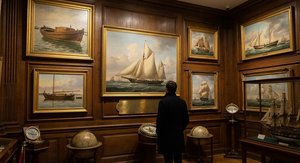
Navigating Symbolism & Style: A Comprehensive Exploration of Boats in Art History
Explore the rich history of boats in art! From ancient symbolism to Impressionist masterpieces & modern visions, discover renowned artists & collecting tips at TopImpressionists.
Explore obras de arte organizadas por temas, estilos e características.
