


 Visualizar em escala
 Enviar
 Compartilhar
 Ver detalhes
 Guia de Obras do Aluno

 Baixar imagem
 Semelhantes
 Raio X
 Apresentação de slides
 Estatísticas
Job
 Painting
- Art Nouveau
 1896
1896- 19th Century
 59.0 x 173.0 cm
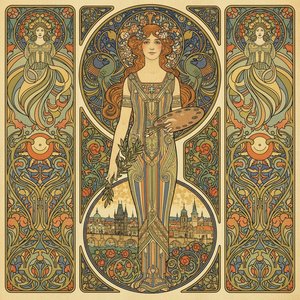
An enchanting Art Nouveau masterpiece featuring a mysterious woman with flowing hair by Alphonse Mucha, capturing the elegance of 1896 through intricate details and symbolic beauty for your private collection.
 Ver mais
Alphonse Mucha (1860-1939): mestre do Art Nouveau! Explore seus cartazes icônicos, mulheres idealizadas e a monumental 'Épopeia Eslava'. Uma lenda artística tcheca com estilo único e influente.
Reprodução em Óleo Feita à Mão
Óleo sobre tela pintado à mão no tamanho e moldura de sua escolha, feito sob encomenda pelos nossos artistas. ( Alternar para Impressão Ver Imagem Digital)




P118B €10

P118H €10

P118W €10

P438Z €10

P508JH €12

P508YH €12

P805H €10

P805Z €10

P919BZ €10

P919G €10

P919XJ €10

P959ZH €10

P968JZ €12

W106C €8

W218G €10

W218JH €8

W218Y €10

W307PJ €10

W316G €10

W316PJ €8

W316Y €10

W398PJ €8

W4111J €10

W500HY €15

W500JH €15

W692G €12

W849H €8

W940BG €15

W953PJ €8




Padrão
sob medida
CM
INCH
Escolha entre os nossos tamanhos pré-definidos que respeitam as proporções originais da obra de arte.
Loading sizes...

largura
altura
Digite a largura e a altura de que necessita, para se ajustar à sua moldura ou à sua parede. Esta obra é pintada à mão, por isso, para um tamanho com uma proporção diferente, o artista pode pintar um pouco mais ao redor da imagem ou cortar um pouco — você escolhe. Enviamos-lhe uma maquete digital para aprovação antes de a pintura começar. A imagem exibida nesta página não mostra o resultado real — apenas a maquete mostra.
Exemplos do que pode ser personalizado: Substituir o rosto pela foto do cliente; Adicionar um animal de estimação (ex: substituir gato por cão); Incluir uma mensagem oculta no fundo; Alterar a paisagem ou elementos do fundo.
Após o pedido, a equipa TopImpressionists.com enviará um e-mail ao cliente para solicitar instruções e fornecer uma prévia do esboço.
Após o pedido, a equipa TopImpressionists.com enviará um e-mail ao cliente para solicitar instruções e fornecer uma prévia do esboço.
Entrega mundial () em 3 a 4 semanas, em vez das 5 semanas padrão. (21 Outubro). Sem comprometer a qualidade.

Envio expresso gratuito para todo o mundo

Tela de Linho Premium

Seguro de transporte total

Garantia de Reembolso de Impostos Alfandegários

Garantia de Fidelidade de Cor

Política de Devolução em 100 Dias (Apenas para Defeitos)

Garantia de reembolso de 100%

Desconto para múltiplas unidades
 A opção de vidro está disponível apenas para tamanhos inferiores a 110 cm

Job
Técnica de Reprodução
Dimensões da Reprodução
-


Preço Total
€ 235
An Icon of Art Nouveau Elegance
In the golden twilight of the nineteenth century, few artists captured the ethereal essence of modernity quite like Alphonse Mucha. His 1896 masterpiece, Job, serves as a breathtaking window into the heart of the Art Nouveau movement, offering much more than a mere portrait. The painting presents a captivating central figure—a woman of profound grace, her long, flowing tresses cascading around her like silken waves. As she holds a cigarette with an air of quiet confidence, her gaze meets the viewer’s with an intensity that is both mysterious and inviting. This single, provocative gesture of smoking, quite daring for a female subject in 1896, imbues the work with a sense of burgeoning independence and a subtle rebellion against the rigid social structures of the era.
The composition is a masterclass in the sinuous, organic lines that define Mucha’s signature style. Every element of the piece feels interconnected, as if the very air around the subject is alive with decorative energy. A delicate necklace rests upon her elegant attire, adding a touch of refined luxury, while the background breathes with life through the presence of two birds, positioned symmetrically to balance the visual weight of the frame. These natural motifs are not merely decorative; they are essential components of the Art Nouveu vocabulary, bridging the gap between the human form and the rhythmic beauty of the natural world.
Symbolism and the Spirit of an Era
Beyond its surface beauty, Job is a tapestry of symbolic depth. The interplay between the woman’s poised demeanor and the delicate flora and fauna surrounding her suggests a harmony between civilization and nature. For the discerning collector or interior designer, this painting offers a profound emotional resonance. It captures a moment of transition—a period where the old world was yielding to the new, and where the boundaries of femininity were being subtly redrawn. The intricate details, from the way the light catches her flowing robes to the delicate rendering of the birds, invite the eye to linger, discovering new layers of meaning with every glance.
To possess a reproduction of such a significant work is to bring a piece of history into the contemporary space. Whether placed in a grand salon or a curated study, the painting acts as a focal point of sophistication. It does not merely decorate a wall; it commands the room, offering an atmosphere of nostalgic romance and intellectual intrigue. For those seeking to inspire guests or create a sanctuary of beauty, Mucha’s Job provides an unparalleled sense of timelessness, blending the ornate splendor of the past with a spirit of liberation that remains strikingly modern.
Perguntas e Respostas
Qual nível de contraste apresenta "Job" de Alphonse Mucha?
O contraste entre claro e escuro de "Job" é registrado como Balanced. O contraste descreve a intensidade da diferença entre as áreas claras e escuras.
"Job" de Alphonse Mucha é uma composição em formato retrato, paisagem ou quadrada?
O formato de "Job" é Portrait. Isso é útil ao planejar onde uma reprodução será colocada.
"Job" está disponível como uma impressão fine art?
Para obter uma impressão de "Job" de Alphonse Mucha, basta encomendá-la na sua página de Impressão Fine Art: uma impressão fine art em tela de algodão ou papel canvas de arquivo.
Biografia do Artista
Early Life and Artistic Beginnings
Alphonse Maria Mucha, nascido em 24 de julho de 1860, na pitoresca cidade de Ivančice, na Morávia (hoje parte da República Tcheca), foi um artista cuja jornada artística começou com uma paixão precoce pela pintura. Desde a infância, demonstrou um talento inegável para o desenho e a cor, habilidades que lhe renderam um lugar de destaque no coro da Catedral de São Pedro em Brno, sua cidade natal. Aos 12 anos, ingressou na escola secundária local, mas sua inclinação para as artes logo se mostrou incompatível com os métodos tradicionais de ensino, levando à sua expulsão. Apesar dessa interrupção formal, a determinação de Mucha em seguir seu caminho artístico permaneceu inabalável.
Um evento crucial em sua trajetória foi a visita a uma igreja local onde admirou um afresco em estilo barroco tcheco. A beleza e o impacto da obra despertaram nele um profundo interesse pela arte, e ele decidiu que seu destino era se tornar um artista profissional. Após um breve período trabalhando como pintor decorativo em Viena, Mucha encontrou-se em Paris, a capital artística da época, onde iniciou seus estudos na Academia Julian e na Académie Colarossi, absorvendo as técnicas e influências do movimento Art Nouveau.
The Rise of a Style: Art Nouveau and Sarah Bernhardt
Paris se tornou o palco para a ascensão meteórica de Mucha. Sua habilidade em capturar a beleza feminina e sua sensibilidade estética rapidamente chamaram a atenção da comunidade artística e comercial. Em 1894, uma oportunidade inesperada surgiu quando foi contratado para criar um pôster para a peça Gismonda, estrelada pela lendária atriz Sarah Bernhardt no Théâtre de la Renaissance. Este pôster, com suas cores vibrantes, linhas sinuosas e figuras femininas idealizadas, se tornou um sucesso instantâneo, catapultando Mucha ao reconhecimento nacional e internacional.
A colaboração com Bernhardt durou seis anos, durante os quais Mucha projetou cartazes para diversas produções da atriz. Sua reputação cresceu exponencialmente, e ele passou a ser considerado o principal designer de pôsteres do estilo Art Nouveau. A demanda por seus trabalhos aumentou significativamente, impulsionando sua carreira e consolidando seu lugar na história da arte.
The Slav Epic: A Monumental Undertaking
Em 1912, Mucha recebeu um importante patrocínio de Charles Richard Crane, um industrial americano filiado ao movimento nacionalista eslavo. Com o apoio financeiro de Crane, Mucha embarcou em um projeto ambicioso e de longo prazo: a criação da Épopée Slave (Slav Epic), uma série de 20 grandes pinturas que retratavam a história e a cultura dos povos eslavos. Este ciclo de obras, que se estendeu por quase duas décadas, é considerado sua obra-prima e um testemunho de seu talento e visão artística.
A Épopée Slave é uma representação épica da história eslava, combinando elementos tradicionais com a estética Art Nouveau. As pinturas são ricamente detalhadas, cheias de simbolismo e expressivas, e refletem o interesse de Mucha pela identidade cultural de seu país de origem. A conclusão do projeto em 1930 marcou um momento significativo na carreira de Mucha e deixou um legado duradouro na arte tcheca.
Legacy and Influence
Alphonse Mucha faleceu em 14 de julho de 1939, em Praga, deixando para trás um corpo de trabalho impressionante que continua a inspirar artistas e designers até hoje. Seu estilo Art Nouveau, caracterizado por linhas fluidas, formas orgânicas e uma forte ênfase na beleza feminina, influenciou gerações de artistas e designers, tanto na Europa quanto nos Estados Unidos. Sua obra é admirada por sua elegância, sofisticação e capacidade de evocar emoção e sensibilidade.
Além de suas contribuições artísticas, Mucha também desempenhou um papel importante na promoção da cultura tcheca no exterior. Seus cartazes, pôsteres e ilustrações ajudaram a divulgar a arte e o folclore tchecos em todo o mundo, contribuindo para a construção da identidade nacional do país. Sua vida e obra são um exemplo de talento artístico, paixão pela cultura e compromisso com a beleza.

Alphonse Mucha
1860 - 1939 , República Tcheca
Informações Rápidas
- Artistic Movement Or Style: Art Nouveau
- Artists Or Movements Influenced By This Artist: ['Propreta']
- Artists Who Influenced This Artist:
- Renoir
- Moreau
- Date Of Birth: 15 Jul 1860
- Date Of Death: 14 Jul 1939
- Full Name: Alphonse Maria Mucha
- Nationality: Tcheco
- Notable Artworks:
- Uprising Slavo
- Salon Cent
- Filhas de Tespio
- Ribambelle Gobelins
- Campones
- Place Of Birth: Brno, República Tcheca
Artigos Relacionados
Alphonse Mucha: A Comprehensive Exploration of Art Nouveau's Master of Decorative Symbolism
Explore the life & art of Alphonse Mucha, master of Art Nouveau! Discover his iconic posters, stunning illustrations, and the monumental Slav Epic. A comprehensive guide for collectors & enthusiasts.

Art Nouveau: 10 Obras-Primas que Definiram um Movimento Atemporal | TopImpressionists
Descubra as 10 obras-primas que moldaram a Art Nouveau! Explore a beleza floral de Mucha, o simbolismo de Klimt e a inovação de Gaudí. Encontre reproduções de arte exclusivas e inspire sua decoração em TopImpressionists.com.

The Flowing Line & Flourishing Form: Exploring Art Nouveau's Aesthetic Legacy
Explore the captivating world of Art Nouveau! Discover its origins, key artists like Horta & Mucha, regional styles, innovative techniques, and lasting influence on architecture & design. A comprehensive guide for art enthusiasts.

Art Nouveau: The Elegant Fusion of Nature and Design – A Journey Through Organic Sophistication
Discover the exquisite world of Art Nouveau. Explore the elegant fusion of nature and design through architectural masterpieces, organic forms, and the legendary masters of the Belle Époque. Immerse yourself in a journey of timeless sophistication and ornamental beauty.

Timeless Elegance: A Curated Guide to the Flowing Beauty of Art Nouveau Masterpieces
Discover the enchanting world of Art Nouveau. Explore the flowing lines of Alphonse Mucha and learn how to integrate these timeless, organic masterpieces into your collection with expert guidance on fine art appreciation and preservation.