


 Visualizar em escala
 Enviar
 Compartilhar
 Ver detalhes
 Guia de Obras do Aluno

 Baixar imagem
 Semelhantes
 Raio X
 Apresentação de slides
 Estatísticas
Flowers in a Vase
 Acrylic On Canvas
- WallArt
- Fauvism
 1930
1930 35.0 x 25.0 cm
 Royal Academy of Music
André Derain's 'Flowers in a Vase' (1930) is a vibrant Fauvist still life, showcasing bold colors and dynamic composition. Explore this iconic painting’s rich history & artistic significance.
 Ver mais
André Derain (1880-1954): Pioneiro do Fauvismo, famoso por cores vibrantes e estilo expressivo. Explore suas obras icônicas em Londres e sua evolução para o classicismo.
Reprodução em Óleo Feita à Mão
Óleo sobre tela pintado à mão no tamanho e moldura de sua escolha, feito sob encomenda pelos nossos artistas. ( Alternar para Impressão Ver Imagem Digital)




P118B €10

P118H €10

P118W €10

P438Z €10

P508JH €12

P508YH €12

P805H €10

P805Z €10

P919BZ €10

P919G €10

P919XJ €10

P959ZH €10

P968JZ €12

W106C €8

W218G €10

W218JH €8

W218Y €10

W307PJ €10

W316G €10

W316PJ €8

W316Y €10

W398PJ €8

W4111J €10

W500HY €15

W500JH €15

W692G €12

W849H €8

W940BG €15

W953PJ €8




Padrão
sob medida
CM
INCH
Escolha entre os nossos tamanhos pré-definidos que respeitam as proporções originais da obra de arte.
Loading sizes...

largura
altura
Digite a largura e a altura de que necessita, para se ajustar à sua moldura ou à sua parede. Esta obra é pintada à mão, por isso, para um tamanho com uma proporção diferente, o artista pode pintar um pouco mais ao redor da imagem ou cortar um pouco — você escolhe. Enviamos-lhe uma maquete digital para aprovação antes de a pintura começar. A imagem exibida nesta página não mostra o resultado real — apenas a maquete mostra.
Exemplos do que pode ser personalizado: Substituir o rosto pela foto do cliente; Adicionar um animal de estimação (ex: substituir gato por cão); Incluir uma mensagem oculta no fundo; Alterar a paisagem ou elementos do fundo.
Após o pedido, a equipa TopImpressionists.com enviará um e-mail ao cliente para solicitar instruções e fornecer uma prévia do esboço.
Após o pedido, a equipa TopImpressionists.com enviará um e-mail ao cliente para solicitar instruções e fornecer uma prévia do esboço.
Entrega mundial () em 3 a 4 semanas, em vez das 5 semanas padrão. (25 Outubro). Sem comprometer a qualidade.

Envio expresso gratuito para todo o mundo

Tela de Linho Premium

Seguro de transporte total

Garantia de Reembolso de Impostos Alfandegários

Garantia de Fidelidade de Cor

Política de Devolução em 100 Dias (Apenas para Defeitos)

Garantia de reembolso de 100%

Desconto para múltiplas unidades
 A opção de vidro está disponível apenas para tamanhos inferiores a 110 cm

Flowers in a Vase
Técnica de Reprodução
Dimensões da Reprodução
-


Preço Total
€ 236
Flowers in a Vase by André Derain: A Symphony of Color and Light
André Derain’s “Flowers in a Vase,” painted around 1901, isn't merely a still life; it’s an explosion of Fauvist emotion captured on canvas. This intimate scene, brimming with vibrant reds, whites, and greens, transports the viewer to a world where color reigns supreme, defying traditional representation and embracing pure visual sensation. The painting, housed in the National Gallery of Art, Washington D.C., offers a captivating glimpse into the heart of this revolutionary artistic movement.
The work’s genesis lies within the burgeoning Fauvist period, a short but intensely influential era in early 20th-century art. Derain, alongside Henri Matisse, sought to liberate color from its descriptive role and use it instead as an independent expressive force. “Flowers in a Vase” exemplifies this philosophy perfectly. The colors aren’t intended to mimic reality; they are chosen for their emotional impact – the fiery red of the roses, the luminous white of the blooms, and the verdant green of the foliage all vibrate with intensity. This deliberate departure from naturalism was considered radical at the time, provoking both excitement and criticism.
A Technique of Bold Strokes and Fragmented Forms
Derain’s technique is characterized by bold, broken brushstrokes that create a sense of movement and immediacy. He applied paint directly to the canvas with little blending, resulting in a textured surface where individual strokes are visible. This impasto effect adds depth and physicality to the painting, drawing attention to the materiality of the pigments themselves. The forms within the composition – the vase, the flowers, the leaves – are not rendered with meticulous detail but rather suggested through fragmented shapes and planes of color. This simplification contributes to the overall sense of dynamism and unrestrained expression.
Notably, Derain employed a technique reminiscent of Pointillism—small dots of pure color applied side-by-side—though his approach was looser and more expressive than that of Seurat. This layering of colors creates an optical illusion of depth and luminosity, further enhancing the painting’s vibrant quality. The subtle variations in tone and hue within each color area contribute to a remarkable sense of visual richness.
Symbolism and Emotional Resonance
Beyond its purely formal qualities, “Flowers in a Vase” is rich in symbolic meaning. Flowers have long been associated with beauty, love, and mortality – themes that resonate deeply within the painting. The arrangement itself—a vibrant bouquet contained within a simple vase—suggests both abundance and fragility. The dark background serves to heighten the impact of the colors, creating a dramatic contrast that draws the viewer’s eye directly to the blossoms.
Furthermore, the inclusion of a single white flower floating on water evokes a sense of transience and ephemerality. It's a poignant reminder of the fleeting nature of beauty and life itself. The painting’s emotional impact is profound—a celebration of color, light, and the inherent joy of existence, tempered by an underlying awareness of mortality.
A Legacy of Color and Innovation
“Flowers in a Vase” stands as a pivotal work in André Derain's oeuvre and a cornerstone of Fauvist art. It demonstrates his willingness to challenge conventional artistic norms and embrace the expressive potential of color. The painting’s influence can be seen in the works of subsequent generations of artists, who continued to explore the possibilities of non-naturalistic representation. Today, it remains a powerful testament to the transformative power of color and a captivating example of early 20th-century artistic innovation.
Perguntas e Respostas
Qual é o uso recomendado de uma impressão de "Flowers in a Vase"?
O uso recomendado de uma impressão de "Flowers in a Vase" é Neutral.
Em que parte da casa uma reprodução de "Flowers in a Vase" ficaria bem?
O espaço recomendado para "Flowers in a Vase" de André Derain é uma Living Room. A sugestão pode, naturalmente, ser adaptada ao seu interior.
Está disponível um download para "Flowers in a Vase"?
"Flowers in a Vase" de André Derain pode ser descarregado na página de Baixar da obra, como download de imagem digital em alta resolução.
Obras Relacionadas


Biografia do Artista
Early Life and the Seeds of Fauvism
André Derain, born in 1880 in the charming village of Chatou near Paris, wasn’t initially destined for a life steeped in paint and canvas. Contrary to some narratives suggesting an immediate artistic awakening through encounters with fellow painters like Vlaminck or Matisse, Derain embarked on his artistic journey independently around 1895. These early explorations were often undertaken alongside Father Jacomin and his sons during countryside excursions—a formative experience that instilled a deep appreciation for the natural world. He briefly pursued engineering at the Académie Camillo in 1898, where fatefully, he crossed paths with Henri Matisse, initiating a pivotal artistic partnership. Further studies under Eugène Carrière honed his foundational skills, but it was military service from 1901 to 1904 that temporarily interrupted his burgeoning career. Upon his return, persuaded by the unwavering belief of Matisse, Derain decisively abandoned engineering and fully committed himself to painting, continuing his education at the Académie Julian. This commitment marked a turning point, setting him on a path toward becoming a central figure in one of modern art’s most revolutionary movements.The Explosive Birth of Color: Fauvism
The summer of 1905 proved to be an explosive moment for Derain and Matisse as they collaborated in the sun-drenched coastal village of Collioure. This period birthed works like “Mountains at Collioure,” characterized by a radical departure from representational color. The landscapes weren’t merely depictions of places; they were expressions of feeling, rendered through intensely vibrant, non-naturalistic hues. When their work was exhibited at the Salon d'Automne that same year, it provoked outrage and astonishment. Critic Louis Vauxcelles famously dubbed them “Les Fauves”—the wild beasts—a name initially intended as derisive but ultimately embraced by the artists themselves. Derain’s contribution to this movement wasn’t merely stylistic; he possessed a unique ability to translate emotional intensity into pure color. In 1906, Ambroise Vollard commissioned him to paint London, resulting in a series of striking canvases depicting the Thames and Tower Bridge. These weren't conventional cityscapes; they were bold interpretations, capturing the energy and atmosphere of London through an unconventional lens—a testament to Derain’s innovative vision. Influenced by artists like Van Gogh and Cézanne, he pushed the boundaries of color and form, laying the groundwork for future generations of expressionist painters.Beyond Fauvism: A Shifting Aesthetic
The initial fervor of Fauvism didn't define Derain’s entire artistic trajectory. Around 1907, his style began a significant evolution, moving away from the unrestrained chromatic exuberance toward more subdued tones and an increased emphasis on form. This period, often referred to as his “gothic” phase (1911-1914), reflected a growing interest in structure and composition. He immersed himself in the study of Old Masters, incorporating elements of Cubism while simultaneously seeking inspiration from classical forms. This wasn’t a rejection of his earlier work but rather an expansion of his artistic vocabulary. Derain's versatility extended beyond painting; in 1919, he designed the ballet “La Boutique Fantasque” for Sergei Diaghilev’s Ballets Russes, demonstrating his aptitude for theatrical design and further showcasing his diverse talents. Key works from this era, such as "Harlequin and Pierrot" and the monumental mural "Return of Ulysses," exemplify this stylistic shift—a move toward a more controlled and intellectually rigorous approach to artmaking.Major Achievements and Legacy
André Derain’s legacy is firmly rooted in his pivotal role in establishing Fauvism, a movement that irrevocably altered the course of modern painting. His bold use of color, coupled with an expressive brushstroke, created works that were both emotionally charged and visually arresting. Beyond this foundational contribution, he demonstrated remarkable adaptability throughout his career. His London paintings stand as particularly significant examples of his ability to capture atmosphere and emotion through unconventional means. Later in life, he returned to a more classical style, producing portraits, landscapes, and still lifes characterized by a refined elegance. His work was exhibited widely across Europe and America, solidifying his reputation as one of the most important artists of the early 20th century. His influence can be seen in the works of numerous subsequent painters who followed in his footsteps, embracing color and experimentation.A Complex Figure
André Derain’s life was not without its complexities. During World War II, his presence in Germany drew criticism, leading to a period of estrangement from some former supporters after the war. Despite this controversy, his artistic contributions remain undeniable. He died in 1954, leaving behind a rich and diverse body of work that continues to be studied and admired for its innovation, emotional intensity, and enduring appeal. His journey represents not only an artistic evolution but also a reflection of the turbulent times through which he lived—a testament to the power of art to both reflect and shape our understanding of the world.
André Derain
1880 - 1954 , França
Informações Rápidas
- Artistic Movement Or Style: Fauvismo, Cubismo
- Artists Or Movements Influenced By This Artist:
- Matisse
- Cubismo
- Artists Who Influenced This Artist:
- Van Gogh
- Cézanne
- Date Of Birth: 10 Jun 1880
- Date Of Death: 8 Sep 1954
- Full Name: André Derain
- Nationality: Francês
- Notable Artworks:
- Montanhas Collioure
- Harlequin Pierrot
- Londres - Porto
- Place Of Birth: Chatou, França
Artigos Relacionados

Silent Narratives: Exploring the Enduring Appeal of Still Life Painting Across Centuries
Explore the rich history of still life painting with TopImpressionists. Discover Dutch Masters, decode vanitas symbolism & learn about collecting timeless art. Expert insights and museum-quality reproductions.

Blossoming Symbolism: A Historical Journey Through Flowers in Western Painting
Explore the rich history of flower symbolism in Western painting! Discover how artists from the Renaissance to Modernism used blossoms to convey meaning, emotion & beauty. Learn about iconic artworks and movements.

Fauvismo: 10 Obras-Primas que Definiram a Expressão Artística | TopImpressionists
Descubra as 10 obras-primas do Fauvismo com Matisse, Derain e Vlaminck. Explore a história, cores vibrantes e emoção por trás deste movimento artístico revolucionário. Reproduções de arte exclusivas em TopImpressionists.com!
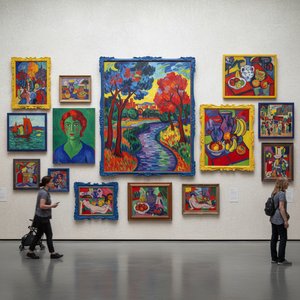
Fauvismo: 10 Obras-Primas que Revolucionaram a Arte Moderna | TopImpressionists
Descubra as 10 obras-primas do Fauvismo, com Matisse e Derain! Explore a história, cores vibrantes e técnicas revolucionárias deste movimento artístico. Encontre reproduções de arte exclusivas para decorar sua casa em TopImpressionists.com.

André Derain: Fauvism's Bold Visionary & the Evolution of Modern Color
Explore the revolutionary art of André Derain, co-founder of Fauvism. Discover his bold use of color, evolution from radical expressionism to classicism, and lasting influence on modern art history. Learn more at TopImpressionists.
Explore obras de arte organizadas por temas, estilos e características.

