

 Visualizar em escala
 Enviar
 Compartilhar
 Ver detalhes
 Guia
Guia

 Baixar imagem
 Semelhantes
 Raio X
 Apresentação de slides
 Estatísticas
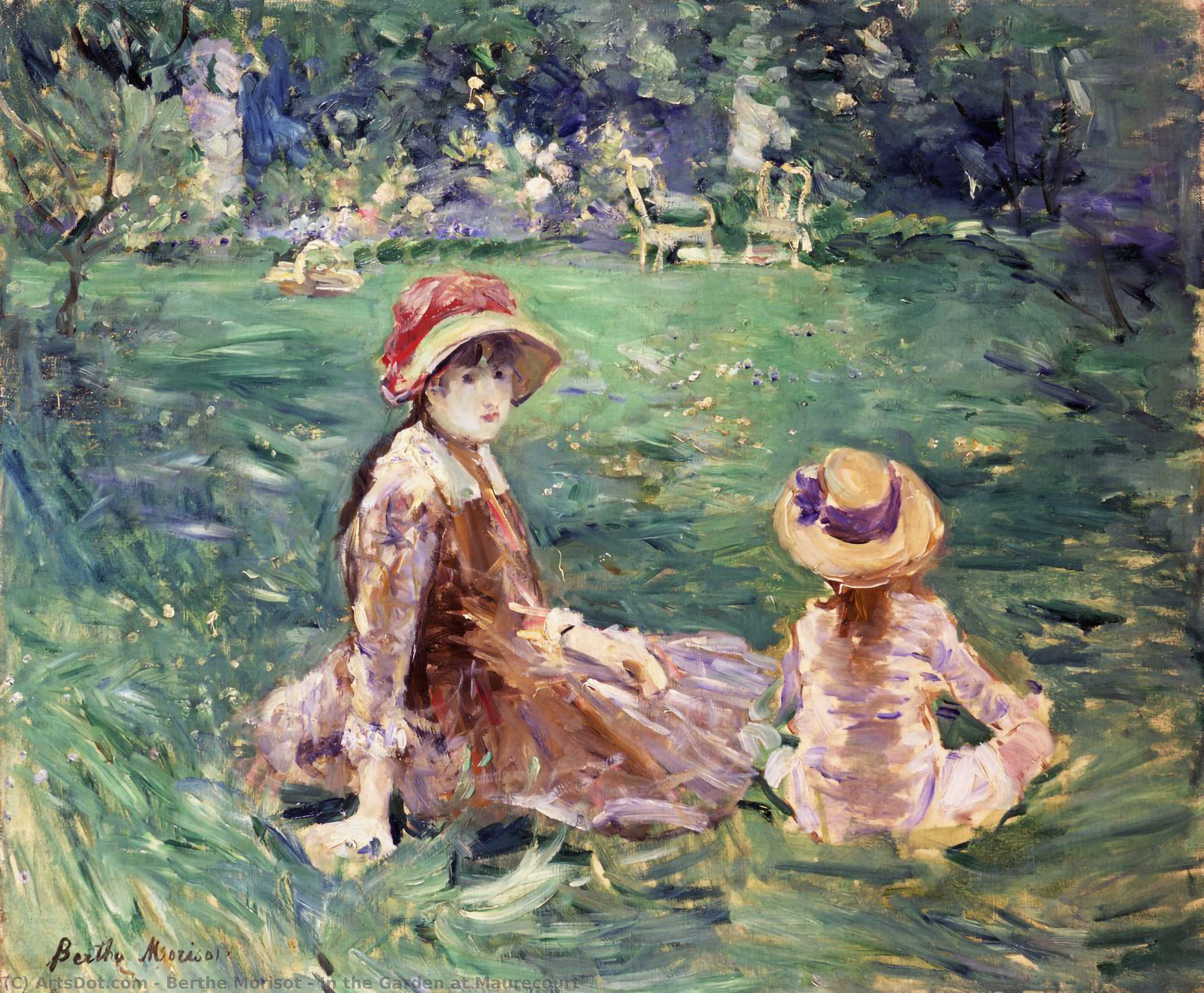
In the Garden at Maurecourt
 Oil On Canvas
- WallArt
- Impressionist Movement
 1884
1884- 19th Century
 54.0 x 65.0 cm
 Toledo Museum of Art
 Ver mais
Reprodução em Óleo Feita à Mão
Óleo sobre tela pintado à mão no tamanho e moldura de sua escolha, feito sob encomenda pelos nossos artistas. ( Alternar para Impressão Ver Imagem Digital)




P118B $10

P118H $10

P118W $10

P438Z $10

P508JH $12

P508YH $12

P805H $10

P805Z $10

P919BZ $10

P919G $10

P919XJ $10

P959ZH $10

P968JZ $12

W106C $8

W218G $10

W218JH $8

W218Y $10

W307PJ $10

W316G $10

W316PJ $8

W316Y $10

W398PJ $8

W4111J $10

W500HY $15

W500JH $15

W692G $12

W849H $8

W940BG $15

W953PJ $8




Padrão
sob medida
CM
INCH
Escolha entre os nossos tamanhos pré-definidos que respeitam as proporções originais da obra de arte.
Loading sizes...

largura
altura
Pode inserir as suas próprias dimensões para se adequar a uma moldura ou espaço específico. Se o tamanho selecionado não corresponder às proporções da imagem original, iremos cortar a obra de arte ou estender a pintura com elementos adicionais pintados à mão. Um esboço digital será enviado para sua aprovação antes do início da produção.
Tenha em atenção que a pré-visualização no ecrã não reflete o corte ou extensão real. Apenas o esboço mostrará com precisão a composição final.
Embora tamanhos personalizados estejam disponíveis, recomendamos selecionar uma dimensão da lista predefinida para preservar as proporções originais.
Exemplos do que pode ser personalizado: Substituir o rosto pela foto do cliente; Adicionar um animal de estimação (ex: substituir gato por cão); Incluir uma mensagem oculta no fundo; Alterar a paisagem ou elementos do fundo.
Após o pedido, a equipa TopImpressionists.com enviará um e-mail ao cliente para solicitar instruções e fornecer uma prévia do esboço.
Após o pedido, a equipa TopImpressionists.com enviará um e-mail ao cliente para solicitar instruções e fornecer uma prévia do esboço.
Entrega mundial () em 3 a 4 semanas, em vez das 5 semanas padrão. (23 Setembro). Sem comprometer a qualidade.

Envio expresso gratuito para todo o mundo

Tela de Linho Premium

Seguro de transporte total

Garantia de Reembolso de Impostos Alfandegários

Garantia de Fidelidade de Cor

Política de Devolução em 100 Dias (Apenas para Defeitos)

Garantia de reembolso de 100%

Desconto para múltiplas unidades
 A opção de vidro está disponível apenas para tamanhos inferiores a 110 cm

In the Garden at Maurecourt
Técnica de Reprodução
Dimensões da Reprodução
-


Preço Total
$ 269
A Symphony of Light and Leisure
In the soft, dappled sunlight of a French afternoon, Berthe Morisot’s “In the Garden at Maurecourt” invites the viewer into a sanctuary of profound stillness. Completed in 1884, this masterpiece serves as a window into the Belle Époque, capturing a moment that feels both fleeting and eternal. The scene unfolds within a lush, verdant garden—likely the Morisot estate near Maurecourt—where two young figures, including the artist’s daughter Julie, are nestled amidst the grass. There is an undeniable intimacy to the composition; the way the figures sit in quiet companionship suggests a private world, shielded from the bustling modernity of the late 19th century. For the collector or interior designer, this piece offers more than mere decoration; it provides an emotional anchor of tranquility, making it an exquisite addition to spaces designed for reflection and peace.
The artistry of Morisot is defined by her ability to translate the ephemeral into the tangible. Eschewing the rigid lines of academic realism, she employs a quintessential Impressionist technique characterized by loose, spontaneous brushstrokes that mimic the fluidity of a watercolor sketch. The canvas vibrates with life through a masterful interplay of light and shadow. Sunlight filters through a canopy of mature trees, casting dancing patterns across the white and lilac fabrics of the girls' dresses. This technique does not merely depict a garden; it recreates the very sensation of warmth on skin and the rustle of leaves in a gentle breeze. The palette, dominated by soothing greens and deep blues, is punctuated by delicate highlights that draw the eye across the textured surface, revealing the artist's profound command over color temperature and atmospheric depth.
Symbolism and the Impressionist Vision
Beyond its aesthetic charm, “In the Garden at Maurecourt” is rich with the stylistic dialogues of its era. Morisot utilizes a central tree to bisect the canvas, a compositional choice that mirrors the influence of Japanese woodblock prints, which were then revolutionizing European perspectives on space and balance. This structural element creates two distinct spheres within the garden, lending a sense of organized harmony to the otherwise wild, organic foliage. The garden itself serves as a powerful symbol of a cultivated paradise—a sanctuary removed from the harsh realities of the industrial world. Through her lens, the landscape becomes an extension of the soul, where the blooming flowers and lush greenery reflect the innocence and budding vitality of the subjects depicted.
For those looking to curate a collection of fine art reproductions, this work stands as a testament to the enduring legacy of Berthe Morisot. Her ability to capture the domestic sphere with such dignity and artistic rigor elevates a simple garden scene into a monumental study of light and life. Whether placed in a sun-drenched morning room or a sophisticated contemporary gallery, this painting brings with it an aura of timeless elegance and a gentle, rhythmic beauty that continues to captivate the modern eye.
Obras Relacionadas


Biografia do Artista
A Life Immersed in Light and Intimacy
Berthe Morisot, born in Bourges, France, in 1841, stands as a remarkably significant figure within the Impressionist movement—a title she earned not simply through membership, but through an utterly unique artistic vision. To reduce her story to mere “female Impressionism” is to fundamentally misunderstand the profound originality of her approach and her unwavering dedication to capturing the fleeting, intimate moments that defined modern life. Her lineage was rich with artistic heritage; she descended from Jean-Honoré Fragonard, a celebrated Rococo painter, providing her with an early exposure to the world of art and establishing a connection to a long line of creative expression. Despite the limitations placed upon women’s education during this era, Morisot received an uncommon upbringing—one that nurtured her innate talent and fostered a lifelong commitment to painting. Her initial training involved lessons with Geoffroy-Alphonse Chocarne and Joseph Guichard, providing foundational skills in technique, but it was her immersion within the masterpieces of the Louvre, meticulously copying works by Old Masters, that truly ignited her artistic sensibility—a process that instilled in her a deep understanding of composition, color theory, and the power of observation. This rigorous period of study laid the groundwork for her later explorations of light, color, and form, shaping her distinctive style. Crucially, she was deeply influenced by Jean-Baptiste-Camille Corot, whose emphasis on *plein air* painting—working directly from nature outdoors—became a cornerstone of Morisot’s artistic practice. This approach allowed her to capture the ephemeral qualities of light, atmosphere, and emotion with an unparalleled sensitivity, transforming fleeting moments into enduring works of art.Navigating the Impressionist Circle
Morisot's artistic journey became inextricably linked with that of Édouard Manet, whom she met in 1864. Their relationship transcended a simple mentor-student dynamic; it blossomed into one of mutual respect, intellectual exchange, and genuine friendship. Manet served as a guiding influence, offering encouragement and sharing his evolving style, but Morisot was far from a passive subject. She actively participated in the burgeoning Impressionist movement, becoming a founding member alongside Monet, Degas, Renoir, and Pissarro. This decision to join the “rejected” artists at the 1874 exhibition—a bold move that defied the conservative standards of the official Salon—marked a pivotal moment in art history. The first Impressionist exhibition, held in a studio belonging to the photographer Nadar, was a defiant assertion of artistic independence and a challenge to the established order. Morisot’s participation solidified her place within this revolutionary group, demonstrating her commitment to pushing boundaries and exploring new forms of expression. She continued to exhibit with the Impressionists throughout the 1870s and 1880s, consistently showcasing her unique perspective and contributing to the movement's growing recognition. Her work—often depicting intimate domestic scenes, portraits of family members, and glimpses into everyday life—offered a distinctly feminine gaze, subtly challenging societal expectations and expanding the possibilities for female artists.A Distinctive Artistic Voice
What truly distinguishes Berthe Morisot’s art is not merely *what* she painted but *how* she painted it—her distinctive technique and approach to capturing light and emotion. Her brushwork is characterized by a remarkable delicacy and fluidity, conveying an impression of spontaneity and immediacy. She employed a technique known as “broken color”—applying small, distinct strokes of pure pigment side-by-side rather than blending them together—to create a shimmering effect of light and atmosphere. This method allowed her to capture the subtle nuances of color and texture with remarkable precision. Unlike some of her Impressionist colleagues who focused on grand landscapes or bustling cityscapes, Morisot often chose intimate interior scenes and portraits, exploring the complexities of human relationships and the quiet beauty of everyday life. Her palette is typically soft and harmonious, favoring pastel shades and delicate gradations of color—a deliberate choice that contributes to the overall sense of serenity and intimacy in her paintings. Furthermore, she was a skilled printmaker, mastering techniques such as etching and drypoint, which allowed her to explore different textures and tonal values. Her work is not simply decorative; it possesses a profound emotional depth and a remarkable sensitivity to light—qualities that continue to resonate with viewers today.Key Works and Recognition
Throughout her career, Morisot produced a body of work that showcases her evolving artistic style and her deep engagement with the world around her. Some of her most celebrated paintings include *Woman at Her Toilette* (1876), a remarkably intimate portrait capturing a moment of private reflection; *The Cradle* (1872), depicting a tender scene between a mother and child; and *Summer’s Day* (1879), which captures the fleeting beauty of a summer afternoon. These works, along with many others, demonstrate her mastery of light, color, and composition—as well as her ability to convey complex emotions through subtle gestures and expressions. Despite facing considerable prejudice and skepticism during her lifetime, Morisot’s work gradually gained recognition within the art world. She was praised by critics like Gustave Geffroy, who described her as “one of the three great ladies” of Impressionism—alongside Marie Bracquemond and Mary Cassatt—acknowledging her significant contribution to the movement. Her paintings were included in international exhibitions, including the International Exhibition in Paris (1887) and the exhibition at the Metropolitan Museum of Art in New York City (1887), further solidifying her place as a major figure in modern art.Legacy and Lasting Influence
Berthe Morisot’s life was tragically cut short by pneumonia in 1895, but her artistic legacy endures—a testament to her talent, dedication, and unwavering spirit. Her work continues to be celebrated for its delicate beauty, emotional honesty, and innovative technique. She paved the way for future generations of female artists, demonstrating that women could achieve artistic excellence and contribute meaningfully to the evolution of art history. Morisot’s paintings are now housed in prestigious collections around the world—serving as a reminder of her enduring influence on the art world and her profound contribution to the development of Impressionism. Her story is one of quiet determination, artistic vision, and a remarkable ability to capture the fleeting beauty of everyday life.
Berthe Morisot
1841 - 1895 , França
Informações Rápidas
- Artistic Movement Or Style: Impressionismo
- Artists Or Movements Influenced By This Artist: ['Impressionismo']
- Artists Who Influenced This Artist:
- Corot
- Manet
- Date Of Birth: 14 Jan 1841
- Date Of Death: 2 Mar 1895
- Full Name: Berthe Morisot
- Nationality: Francesa
- Notable Artworks:
- Mulher no vestido verde
- O berço
- Dia de verão
- Place Of Birth: Bourges, França
Artigos Relacionados

The Enduring Legacy of French Art: Movements, Masters & Cultural Impact
Explore the rich history of French art, from the Salon to Impressionism & beyond. Discover iconic masters, key movements, and expert guidance for collecting timeless masterpieces. TopImpressionists.

Os 10 Ícones do Impressionismo para Inspirar sua Decoração | TopImpressionists
Descubra os 10 quadros impressionistas mais icônicos de Monet, Renoir e Degas! Explore a história, cores vibrantes e técnicas revolucionárias do Impressionismo. Encontre reproduções de arte exclusivas para inspirar sua decoração em TopImpressionists.com.

Os 10 Mestres do Impressionismo: Obras que Definiram um Movimento Artístico |
Descubra os 10 quadros impressionistas que revolucionaram a arte! Explore Monet, Renoir, Degas e outros mestres. História, técnica e cores vibrantes para inspirar sua decoração. Encontre reproduções de alta qualidade em

Cultivating Paradise: A Historical & Artistic Exploration of Gardens in Painting
Explore the rich history of gardens in painting! Discover masterpieces from Renaissance to Impressionism & beyond. Learn about symbolism, artists like Monet & Klimt, and find your perfect artwork at TopImpressionists.

Portrayals of Power & Perception: A Historical Survey of Women in Art
Explore the rich history of women in art – from iconic muses to groundbreaking artists. Discover feminist movements & reclaim female narratives with TopImpressionists. Expert insights for discerning collectors.
Explore obras de arte organizadas por temas, estilos e características.


