Visualizar na parede
 Compartilhar
 Compartilhar
 Detalhes
 Guia
Guia

 Baixar imagem
 Semelhantes
 Raio X
 Ver diaporama
 Perguntas e Respostas
 Estatísticas
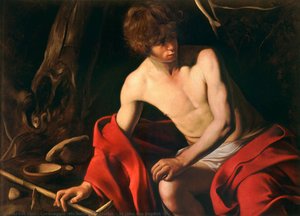
ragazzo con canestro di frutta


Experience the dramatic tenebrism of Caravaggio's masterpiece Young Man with Fruit Basket, where intense light meets realistic detail in this Baroque gem, perfect for adding timeless elegance to your private collection.
 Ler mais
Caravaggio (1571-1610): Mestre barroco do realismo e tenebrismo! Cenas religiosas dramáticas, contraste luz/sombra e estilo revolucionário.
Giclée / Impressão de Arte
Impressão giclée ou em tela de qualidade de museu, com produção rápida e opções flexíveis de acabamento. ( Comprar pintura feita à mão Alternar para Imagem Digital)




P118B €10

P118H €10

P118W €10

P438Z €10

P508JH €12

P508YH €12

P805H €10

P805Z €10

P919BZ €10

P919G €10

P919XJ €10

P959ZH €10

P968JZ €12

W106C €8

W218G €10

W218JH €8

W218Y €10

W307PJ €10

W316G €10

W316PJ €8

W316Y €10

W398PJ €8

W4111J €10

W500HY €15

W500JH €15

W692G €12

W849H €8

W940BG €15

W953PJ €8




Tamanho padrão
personalizado
CM
INCH
Escolha entre os nossos tamanhos pré-definidos que respeitam as proporções originais da obra de arte.
Loading sizes...

largura
altura
Insira a largura e a altura desejadas para se ajustarem à sua moldura ou parede. Uma impressão pode ser apenas cortada, nunca ampliada além da imagem original; portanto, um tamanho com proporções diferentes resultará na perda de parte da imagem. Enviamos uma maquete digital para sua aprovação antes de realizarmos a impressão. A imagem exibida nesta página não mostra o corte real — apenas a maquete o faz.
Entrega mundial () em 2 semanas, em vez das 4/5 semanas padrão. (6 Novembro)

Envio expresso gratuito para todo o mundo

Tela de Linho de Alta Qualidade

Seguro de transporte completo

Garantia de Reembolso de Impostos Alfandegários

Garantia de Fidelidade Cromática

Política de Devolução em 100 Dias (Apenas para Defeitos)

Garantia de reembolso de 100%

Oferta de desconto por quantidade
 A opção de vidro está disponível apenas para tamanhos inferiores a 110 cm

ragazzo con canestro di frutta
Giclée / Impressão de Arte
Tamanho da Reprodução
-


Preço Total
€ 63
A Symphony of Light and Stillness
In the quiet corners of the Galleria Borghese, there exists a moment frozen in time, a masterpiece that captures the very essence of the Baroque soul. Caravaggio’s Ragazzo con canestro di frutta, or Young Man with Fruit Basket, is far more than a simple study of a youth and his harvest; it is a profound meditation on the fleeting nature of life. Painted during the artist's formative years in Rome around 1593-1594, this work serves as an early, breathtaking testament to his revolutionary ability to breathe life into the inanimate. As one gazes upon the canvas, the initial impression is one of startling intimacy, as if the viewer has stumbled upon a private moment of contemplation in a sun-drenched Roman studio.
The composition is anchored by the striking presence of a young man, whose gaze holds a subtle, enigmatic quality that bridges the gap between the painted world and our own. He carries a basket overflowing with the bounties of the earth—apples, pears, plums, and oranges—each rendered with such meticulous, tactile precision that one can almost sense the cool skin of the fruit and the sweet scent of ripening nectar. This level of verismo, or hyper-realism, was Caravaggio's gift to the art world, stripping away the idealized veneers of the Renaissance to reveal the raw, unadorned beauty of the natural world.
The Drama of Shadow and Substance
To understand this painting is to understand the mastery of tenebrism. Caravaggio does not merely use light; he wields it like a sculptor’s chisel. A radiant, directional glow strikes the young man's shoulder and the upper edges of the fruit, pulling them forward from an encroaching, velvety darkness. This dramatic interplay of chiaroscuro creates a sense of three-dimensional volume that is nothing short of hypnotic. The deep shadows do not simply represent empty space; they provide a psychological depth, suggesting mysteries that lie just beyond the reach of the light, inviting the observer to linger and wonder.
For the discerning collector or interior designer, this technique offers an unparalleled emotional resonance. The stark contrasts within the piece lend themselves beautifully to sophisticated environments, providing a focal point that commands attention through its quiet intensity rather than loud color. The way the light dances across the textures of the basket's weave and the soft flesh of the fruit creates a rhythmic visual experience that can anchor a room with both elegance and gravitas.
Symbolism and the Eternal Moment
Beneath the surface of this beautiful arrangement lies a complex web of symbolism. The abundance of the fruit basket serves as a classic memento mori—a reminder of the cycle of life, growth, and inevitable decay. While the fruits appear at the peak of their perfection, the very realism Caravaggio employs hints at the ephemeral nature of beauty. This tension between the vibrant present and the approaching shadow is what gives the work its enduring emotional impact, evoking a sense of bittersweet nostalgia that resonates across centuries.
Integrating a high-quality reproduction of this masterpiece into a contemporary space allows for a continuous dialogue with history. It brings into the home not just a beautiful image, but a piece of the Baroque revolution. Whether placed in a minimalist gallery-style setting or a richly textured classical study, Ragazzo con canestro di frutta acts as a window into the profound, reminding us that even in the simplest basket of fruit, there is a universe of light, shadow, and human emotion waiting to be discovered.
Perguntas e Respostas
Onde posso encontrar obras de arte semelhantes a "ragazzo con canestro di frutta", de Caravaggio?
Obras semelhantes a "ragazzo con canestro di frutta" estão listadas na página de Obras semelhantes desta obra.
Como o meio e o movimento se combinam em "ragazzo con canestro di frutta"?
Em "ragazzo con canestro di frutta", a técnica de Oil On Canvas encontra o movimento Baroque Painting.
A qual movimento artístico pertence "ragazzo con canestro di frutta", de Caravaggio?
"ragazzo con canestro di frutta", de Caravaggio pertence ao movimento Baroque Painting. Este movimento fornece o contexto estilístico da obra.
Biografia do Artista
Uma Vida Forjada na Sombra e na Luz
Michelangelo Merisi da Caravaggio, um nome indissociável da intensidade dramática da pintura barroca, nasceu em Milão em 1571, uma época permeada por florescimento artístico e turbulência social. Sua infância foi marcada pela perda; a peste assolou sua cidade natal, ceifando as vidas de seu pai e avô quando ele tinha apenas seis anos. Criado em relativa pobreza, os primeiros anos de Michelangelo lhe conferiram uma aguda consciência do sofrimento humano e da resiliência – temas que mais tarde dominariam suas telas. Iniciou sua formação artística em Milão sob a tutela de Simone Peterzano, um antigo aluno de Ticiano, absorvendo os fundamentos da técnica renascentista, mas já prenunciando um espírito rebelde que em breve estilhaçaria as convenções estabelecidas. Este aprendizado forneceu uma base sólida, mas foi em Roma, por volta de 1592, que Caravaggio verdadeiramente encontrou sua voz, embora não sem lutas e dificuldades iniciais. A cidade, um vibrante centro de mecenato artístico e fervor religioso, provou ser ao mesmo tempo atraente e implacável para o ambicioso jovem pintor.Revolucionando a Visão: Técnica e Estilo
A chegada de Caravaggio a Roma anunciou uma mudança sísmica na paisagem da arte italiana. Ele rejeitou o estilo maneirista predominante – caracterizado por sua elegância artificial e formas alongadas – em favor de um realismo implacável que chocou e cativou o público. Sua inovação mais marcante foi seu domínio magistral do chiaroscuro, o contraste dramático entre luz e sombra, que elevou a um novo nível de poder expressivo. Esta técnica, frequentemente referida como tenebrismo, não era meramente uma escolha estética; era um meio de intensificar o impacto emocional, atraindo os espectadores para o coração da cena e imbuindo suas figuras com uma palpável sensação de presença. Ele evitou representações idealizadas, povoando suas pinturas com pessoas comuns – frequentemente retiradas das ruas de Roma – como modelos para figuras religiosas. Essa abordagem radical desafiou as noções tradicionais de beleza e santidade, tornando o sagrado relacionável e profundamente humano. Suas composições eram muitas vezes austeras e diretas, focando em momentos cruciais de intensa dramaticidade, seja o brutal realismo de “A Captura de Cristo” ou a contemplação silenciosa em "São Francisco de Assis em Êxtase".Obras-Chave e Influência Duradoura
Ao longo de sua carreira relativamente curta, Caravaggio produziu um corpo de trabalho que continua a ressoar com o público hoje. Peças iniciais como “A Cartomante” (1594) demonstram seu talento crescente para capturar detalhes realistas e nuances psicológicas. "Supper at Emmaus" (1601-1602), abrigada na National Gallery em Londres, exemplifica seu domínio do chiaroscuro e sua capacidade de transmitir profunda profundidade emocional dentro de uma narrativa bíblica. “David com a Cabeça de Golias” (c. 1610) é particularmente assombrosa, frequentemente interpretada como um autorretrato refletindo o próprio estado perturbado de Caravaggio. Sua influência se estendeu muito além da Itália, inspirando uma geração de artistas conhecidos como os Caravaggisti, ou “ombristas”, que adotaram seu estilo em toda a Europa. Seguidores notáveis incluíram Peter Paul Rubens, Jusepe de Ribera e Gerrit van Honthorst, cada um adaptando as técnicas de Caravaggio às suas próprias visões artísticas únicas.Uma Existência Tumultuosa e Legado Eterno
A vida de Caravaggio foi tão dramática e turbulenta quanto sua arte. Um temperamento volátil e uma propensão para brigas o levaram a frequentes problemas com a lei, culminando em uma acusação de assassinato em 1606 que o forçou a fugir de Roma. Passou os quatro anos seguintes vagando por Nápoles, Malta e Sicília, continuando a pintar enquanto buscava desesperadamente um perdão papal. Apesar de seus esforços, permaneceu um fora da lei, assombrado pelo passado e atormentado por conflitos pessoais. Morreu em Porto Ercole, Itália, em 1610 em circunstâncias misteriosas – a causa de sua morte permanece debatida, com teorias variando de febre a envenenamento. Embora sua vida tenha sido interrompida, o legado artístico de Caravaggio perdura como um testemunho de sua visão revolucionária e compromisso inabalável com o realismo. Ele desafiou as convenções de seu tempo, abrindo caminho para uma abordagem mais moderna da pintura e deixando uma marca indelével no curso da história da arte ocidental. Seu trabalho continua a inspirar admiração e provocar contemplação, lembrando-nos do poder da arte para iluminar os cantos mais escuros da experiência humana.
Caravaggio
1571 - 1610 , Itália
Dados Rápidos
- Artistas Que O Influenciaram:
- Titian
- Leonardo da Vinci
- Artistas/Movimentos Influenciados:
- Rubens
- Ribera
- Caravaggisti
- Data De Falecimento: 18 de julho de 1610
- Data De Nascimento: 29 de setembro de 1571
- Local De Nascimento: Milão, Itália
- Movimento Artístico: Barroco, Tenebrismo
- Nacionalidade: Italiano
- Nome Completo: Michelangelo Merisi da Caravaggio
- Obras Notáveis:
- A Fortune Teller
- Supper at Emmaus
- David com a cabeça...
Artigos Relacionados

Drama and Light: Discover the Captivating Grandeur of Baroque Art
Immerse yourself in the dramatic splendor of Baroque art. Explore the profound impact of light, shadow, and the Counter-Reformation through an expert historical lens, celebrating the masters who defined an era of unparalleled grandeur and emotional intensity.

The Drama of Light: Capturing Emotion and Spiritual Fervor in Baroque Portraiture
Explore the breathtaking drama of Baroque portraiture. Discover how masters like Caravaggio used chiaroscuro to capture profound emotion, spiritual fervor, and psychological depth through the revolutionary interplay of light and shadow.

Chiaroscuro & Emotion: Capturing the Dramatic Soul of Baroque Art
Explore the profound drama of Baroque art. Discover how masters used chiaroscuro and intense emotion to capture the soul of the 17th century through light, shadow, and spiritual grandeur in this expert art history guide.
Explore obras de arte organizadas por temas, estilos e características.