


 Visualizar em escala
 Enviar
 Compartilhar
 Ver detalhes
 Guia de Obras do Aluno

 Baixar imagem
 Semelhantes
 Raio X
 Apresentação de slides
 Estatísticas
Maria Immaculata
 Oil On Canvas
- WallArt
- Baroque Classicizing Style
 1688
1688 181.0 x 128.0 cm
 Galeria de Pinturas do Sanssouci
Marvel at 'Maria Immaculata' by Carlo Maratta! This stunning Baroque masterpiece depicts the Virgin Mary with angels, showcasing exquisite detail and classicizing style from 1688. A timeless work of art.
 Ver mais
Carlo Maratta (1625-1713) foi um pintor barroco italiano conhecido por seu estilo clássico refinado e obras religiosas impactantes, incluindo afrescos para o Vaticano. Explore sua arte e legado!
Giclée / Impressão de Arte
Impressão giclée ou em tela de qualidade de museu, com produção rápida e opções flexíveis de acabamento. ( Encomendar reprodução pintada à mão Ver Imagem Digital)




P118B €10

P118H €10

P118W €10

P438Z €10

P508JH €12

P508YH €12

P805H €10

P805Z €10

P919BZ €10

P919G €10

P919XJ €10

P959ZH €10

P968JZ €12

W106C €8

W218G €10

W218JH €8

W218Y €10

W307PJ €10

W316G €10

W316PJ €8

W316Y €10

W398PJ €8

W4111J €10

W500HY €15

W500JH €15

W692G €12

W849H €8

W940BG €15

W953PJ €8




Padrão
sob medida
CM
INCH
Escolha entre os nossos tamanhos pré-definidos que respeitam as proporções originais da obra de arte.
Loading sizes...

largura
altura
Digite a largura e a altura de que necessita, para se ajustar à sua moldura ou à sua parede. Uma impressão só pode ser cortada, nunca ampliada além da imagem original, pelo que um tamanho com uma proporção diferente perderá parte da imagem. Enviamos-lhe uma maquete digital para aprovação antes de imprimirmos qualquer coisa. A imagem apresentada nesta página não mostra o corte real — apenas a maquete o faz.
Entrega mundial () em 2 semanas, em vez das 4/5 semanas padrão. (25 Outubro)

Envio expresso gratuito para todo o mundo

Tela de Linho Premium

Seguro de transporte total

Garantia de Reembolso de Impostos Alfandegários

Garantia de Fidelidade de Cor

Política de Devolução em 100 Dias (Apenas para Defeitos)

Garantia de reembolso de 100%

Desconto para múltiplas unidades
 A opção de vidro está disponível apenas para tamanhos inferiores a 110 cm

Maria Immaculata
Giclée / Impressão de Arte
Dimensões da Reprodução
-


Preço Total
€ 61
A Divine Embrace: Exploring the Baroque Majesty of Maria Immaculata
Carlo Maratta’s “Maria Immaculata,” painted in 1688, isn't merely a depiction of the Virgin Mary; it’s a carefully constructed tableau of faith, grace, and the burgeoning classical ideals of the late Baroque period. The painting immediately draws the viewer into a scene brimming with serene beauty – a testament to Maratta’s mastery of light, composition, and his deep understanding of religious iconography. The work transcends simple portraiture, offering a glimpse into a world where divine presence is palpable, inviting contemplation on themes of motherhood, purity, and spiritual devotion.
Maratta, a pivotal figure in Roman art after the Mannerist style, skillfully blended the emotional intensity of the Baroque with a newfound emphasis on clarity and balance. He was deeply influenced by Andrea Sacchi, his mentor, who instilled within him a reverence for classical forms and a restraint that tempered the dramatic flourishes characteristic of earlier Baroque painters. This influence is evident in “Maria Immaculata” – the figures are rendered with elegant poise, their gestures refined and harmonious, creating an atmosphere of dignified serenity. The color palette is rich yet controlled, dominated by deep blues and golds, evoking a sense of majesty and spiritual depth.
- Subject & Composition: At the heart of the painting stands Mary, presented as a figure of profound grace and maternal tenderness. She cradles the infant Jesus, his face radiating an innocent beauty. Surrounding them are a host of angels – one hovering above her head, another descending from the heavens, and two more positioned on either side, acting as silent witnesses to this sacred moment. The composition is meticulously balanced, drawing the eye towards Mary’s central position while subtly guiding it through the intricate arrangement of figures and architectural elements.
- Technique & Style: Maratta's brushwork is remarkably smooth and polished, indicative of his meticulous attention to detail. He employs sfumato – a technique borrowed from Leonardo da Vinci – to soften edges and create an ethereal quality, particularly around Mary’s face and the infant Jesus. The use of gold leaf adds a luminous sheen to the garments and halos, further enhancing the painting's sense of grandeur.
- Historical Context: Painted in 1688, “Maria Immaculata” reflects the Counter-Reformation’s emphasis on religious art as a tool for spiritual instruction and inspiration. The Catholic Church actively commissioned artworks that reinforced its doctrines and promoted piety among the faithful. The depiction of Mary as Immaculate – signifying her sinless conception – was a key theological concept during this period, emphasizing her unique role in salvation history.
Symbolism Woven into Sacred Space
Beyond its immediate beauty, “Maria Immaculata” is laden with symbolic meaning. The angels themselves represent divine messengers and protectors, embodying the grace and guidance offered by God’s presence. Mary's pose – her hand gently shielding the infant Jesus – symbolizes protection, nurturing, and the safeguarding of faith. The architectural setting, though somewhat simplified, evokes a sense of heavenly space, suggesting the sacredness of this encounter. The inclusion of light is particularly significant; it emanates from Mary and the Christ Child, illuminating the scene and symbolizing divine grace.
Notably, the painting’s composition echoes classical ideals of harmony and proportion, reflecting Maratta's commitment to a refined aesthetic rooted in antiquity. The arrangement of figures creates a pyramidal structure, a compositional device frequently employed by Renaissance artists to convey stability and balance.A Legacy of Baroque Elegance
Carlo Maratta’s “Maria Immaculata” stands as a remarkable example of the Roman Baroque at its most refined. It showcases his ability to seamlessly blend technical mastery with profound spiritual insight, creating an artwork that continues to resonate with viewers centuries later. The painting's enduring appeal lies not only in its aesthetic beauty but also in its capacity to evoke feelings of reverence, peace, and a deep connection to the timeless themes of faith and motherhood. Reproductions of this masterpiece offer a chance to bring this serene vision into any space, fostering contemplation and reminding us of the profound beauty found within religious art.
Further Research: For more information about Carlo Maratta and “Maria Immaculata,” explore resources such as the TopImpressionists website (https://TopImpressionists.com/carlo-maratta-maria-immaculata) and Wikipedia’s entry on Carlo Maratta (https://en.wikipedia.org/wiki/Carlo_Maratta).
Perguntas e Respostas
Que sensação as cores de "Maria Immaculata" de Carlo Maratta transmitem?
A paleta Earthy de "Maria Immaculata" de Carlo Maratta harmoniza-se com seu tom emocional Tranquil. A cor é uma das formas pelas quais uma obra transmite sentimento.
Onde posso encontrar estatísticas sobre "Maria Immaculata" de Carlo Maratta?
As estatísticas sobre "Maria Immaculata" de Carlo Maratta encontram-se na página de Estatísticas da obra: visitas mensais da obra, visitas às obras do artista e o detalhamento por país e idioma dos visitantes recentes.
Que atmosfera possui "Maria Immaculata"?
"Maria Immaculata" de Carlo Maratta é descrito como tendo um clima Calm. Esta classificação pode ajudar a combinar a obra com um ambiente.
Biografia do Artista
Um Mestre Romano do Estilo Barroco Classicista
Carlo Maratta, frequentemente conhecido como Maratti, posiciona-se como uma figura fundamental na pintura italiana do século XVII, personificando a transição do Alto Barroco para uma estética mais refinada e de inspiração clássica. Nascido em 15 de maio de 1625, em Camerano, nos Estados Papais — hoje parte da Itália —, sua jornada artística teve início com uma mudança precoce para Roma aos onze anos de idade. Essa mudança revelou-se transformadora, pois ele ingressou no ateliê de Andrea Sacchi, um pintor renomado por suas composições medidas e pelo compromisso com os ideais clássicos. A influência de Sacchi moldaria profundamente o estilo em desenvolvimento de Maratta, instilando nele uma dedicação à clareza, ao equilíbrio e a um emocionalismo contido que o distinguia de seus contemporâneos barrocos mais exuberantes. Este aprendizado não foi meramente um treinamento técnico; foi uma imersão em uma abordagem filosófica da arte, que priorizava o rigor intelectual e o design harmonioso em detrimento do espetáculo dramático. Maratta absorveu esses princípios, mas não permaneceu confinado a eles, demonstrando uma habilidade notável de sintetizar os fundamentos clássicos com as correntes predominantes da sensibilidade barroca.A Carreira Florescente em Roma
O talento de Maratta floresceu rapidamente e, em meados da década de 1650, ele já começava a atrair encomendas significativas. Suas obras iniciais, como A Visitação (1656) para Santa Maria della Pace, revelam um domínio magistral da luz e do movimento, aliados a uma capacidade emergente de imbuir cenas religiosas com um sentido palpável de profundidade espiritual. Ele não estava simplesmente replicando modelos estabelecidos; ele os infundia com sua própria visão única, caracterizada por figuras graciosas, drapeados elegantes e um uso sutil, porém poderoso, da cor. Este período também testemunhou a criação de O Mistério da Trindade Revelado a Santo Agostinho (cerca de 1655), uma obra que exemplifica sua habilidade em equilibrar o idealismo clássico com o dinamismo barroco. À medida que sua reputação crescia, aumentavam também a escala e o prestígio de seus encargos. Ele tornou-se um artista predileto entre as proeminentes famílias romanas e, crucialmente, do próprio papado. Ao longo de seis décadas, Maratta recebeu o patrocínio de nada menos que seis papas — um testemunho de sua destreidade artística e perspicácia política. Este apoio papal constante não apenas proporcionou segurança financeira, mas também o posicionou no coração da vida artística e cultural de Roma.Uma Síntese de Estilos e Influências
O estilo de Maratta é frequentemente descrito como “Barroco Classicista”, um termo que encapsula sua posição única no cenário da história da arte. Embora profundamente enraizado na tradição clássica derivada de Rafael, ele não estava imune à influência das tendências mais teatrais do Barroco. Seu contemporâneo, Giovanni Bellori, reconheceu essa síntese, documentando a abordagem artística de Maratta em uma biografia precoce. O artista integrou habilidosamente o uso dramático de luz e sombra, característico da pintura barroca, com a clareza de forma e o equilíbrio composicional favorecidos pelos classicistas. Essa fusão resultou em obras que eram simultaneamente emocionalmente envolventes e intelectualmente satisfatórias. Sua paleta, embora vibrante, era muitas vezes contida, priorizando relações cromáticas harmoniosas em vez de contrastes ousados. Ele se destacava na representação de narrativas religiosas, imbuindo-as de um senso de reverência e intensidade espiritual. A Aparição da Virgem a São Filipe Neri (cerca de 1675), hoje abrigada no Palácio Pitti, em Florença, é um exemplo primordial de sua capacidade de interpretar tais temas com graça e profunda ressonância emocional.Além da Pintura: Restauração e Legado
As contribuições de Maratta estenderam-se para além da criação de novas obras de arte; ele também foi encarregado de preservar o patrimônio artístico de Roma. Em 1702-1703, Inocêncio XI nomeou-o surintendent des chambres du vatican e incumbiu-o de reparar os afrescos de Rafael nas Stanze do Vaticano — uma responsabilidade que sublinhava seu status como uma autoridade líder na arte clássica. Este empreendimento não era apenas uma questão de restauração técnica; era um ato de reverência a um dos maiores tesouros artísticos da Itália, confiado a um mestre que compreendia sua magnitude. Maratta continuou trabalhando prolificamente até sua morte em Roma, em 15 de dezembro de 1713, deixando para trás um corpo de trabalho vasto e influente. Seu legado como mestre do estilo barroco classicista tardio perdurou por todo o século XVIII, influenciando gerações de artistas com sua ênfase na clareza, no equilíbrio e na composição harmoniosa. Hoje, suas pinturas podem ser encontradas em museus ao redor do mundo, garantindo que sua visão artística continue a inspirar e cativar o público através dos séculos.Obras Principais e Impacto Duradouro
- Apolo Perseguindo Dafne: Uma representação dinâmica do mito clássico, exibindo a habilidade de Maratta em retratar movimento e emoção.
- Adoração dos Magos (em Guirlanda): Uma composição ricamente detalhada que exemplifica seu domínio da cor e da forma.
- Adoração dos Pastores: Uma obra-prima barroca de 1690, celebrada por seu simbolismo divino e arranjo dinâmico.
- A Visitação: Uma obra inicial que demonstra o talento emergente de Maratta para a luz e o movimento dentro de um contexto religioso.
- O Mistério da Trindade Revelado a Santo Agostinho: Um exemplo convincente de sua capacidade de fundir o idealismo clássico com elementos barrocos.

Carlo Maratta
1625 - 1713 , Itália
Informações Rápidas
- Artistic Movement Or Style: Barroco Classicizante
- Artists Who Influenced This Artist: ['Andrea Sacchi']
- Date Of Birth: 18 May 1625
- Date Of Death: 15 December 1713
- Full Name: Carlo Maratta
- Nationality: Italiano
- Notable Artworks:
- A Visitação
- O Mistério da Trindade Revelado a São Agostinho
- A Adoração dos Reis Magos
- A Adoração dos Pastoris
- Place Of Birth: Camerano, Itália
Artigos Relacionados

The Dramatic Flourish: Exploring the Baroque Movement's Enduring Legacy in Art History
Explore the dramatic world of Baroque art! Discover iconic artists like Caravaggio & Rubens, defining techniques, and its lasting impact on art history. Expert insights for collectors & enthusiasts at TopImpressionists.

Baroque Classicism: The Grandeur of Order and Drama in 17th-Century Art History
Explore the profound elegance of Baroque Classicism. Discover how 17th-century masters synthesized dramatic emotion with classical order through the lens of the Counter-Reformation and the works of legends like Carlo Maratta and Andrea Sacchi.

Barroco Brasileiro: Opulência e Emoção para Interiores Contemporâneos
Descubra como o Barroco brasileiro pode transformar seus interiores! Explore a história, elementos-chave e dicas para integrar este estilo luxuoso e cheio de emoção em sua casa.

The Visceral Stage: Exploring Dramatic Narratives & Emotional Intensity in Baroque Art
Explore the dramatic world of Baroque art! Discover iconic masters like Caravaggio & Rembrandt, their techniques, and the movement's lasting impact. Expert insights for collectors & enthusiasts at TopImpressionists.
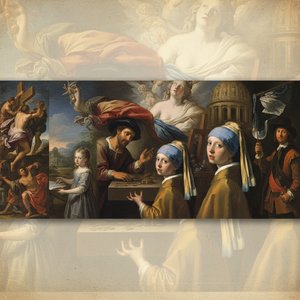
Os 10 Mestres do Barroco: Obras-Primas que Moldaram a Arte e Decoram o Lar
Descubra os 10 maiores ícones do Barroco! Explore a história, técnica e emoção por trás de Caravaggio, Rembrandt, Bernini e outros mestres. Encontre reproduções de arte barroca para decorar seu lar com luxo em TopImpressionists.com.
Explore obras de arte organizadas por temas, estilos e características.
