

 Visualizar na parede
 Compartilhar
 Compartilhar
 Detalhes
 Guia
Guia

 Baixar imagem
 Semelhantes
 Raio X
 Ver diaporama
 Perguntas e Respostas
 Estatísticas
Polishing The Copper

Admire 'Polishing The Copper' by Claude Joseph Bail – a charming 17th/18th century French painting of domestic life. Explore this evocative scene & discover more about the artist.
Discover Claude Joseph Bail (1862-1921), a French artist renowned for his charming scenes of daily life & domestic interiors. Explore his evocative paintings featuring women, food, and rural settings.
 Ler mais
Giclée / Impressão de Arte
Impressão giclée ou em tela de qualidade de museu, com produção rápida e opções flexíveis de acabamento. ( Comprar pintura feita à mão Alternar para Imagem Digital)




P118B €10

P118H €10

P118W €10

P438Z €10

P508JH €12

P508YH €12

P805H €10

P805Z €10

P919BZ €10

P919G €10

P919XJ €10

P959ZH €10

P968JZ €12

W106C €8

W218G €10

W218JH €8

W218Y €10

W307PJ €10

W316G €10

W316PJ €8

W316Y €10

W398PJ €8

W4111J €10

W500HY €15

W500JH €15

W692G €12

W849H €8

W940BG €15

W953PJ €8




Tamanho padrão
personalizado
CM
INCH
Escolha entre os nossos tamanhos pré-definidos que respeitam as proporções originais da obra de arte.
Loading sizes...

largura
altura
Insira a largura e a altura desejadas para se ajustarem à sua moldura ou parede. Uma impressão pode ser apenas cortada, nunca ampliada além da imagem original; portanto, um tamanho com proporções diferentes resultará na perda de parte da imagem. Enviamos uma maquete digital para sua aprovação antes de realizarmos a impressão. A imagem exibida nesta página não mostra o corte real — apenas a maquete o faz.
Entrega mundial () em 2 semanas, em vez das 4/5 semanas padrão. (3 Novembro)

Envio expresso gratuito para todo o mundo

Tela de Linho de Alta Qualidade

Seguro de transporte completo

Garantia de Reembolso de Impostos Alfandegários

Garantia de Fidelidade Cromática

Política de Devolução em 100 Dias (Apenas para Defeitos)

Garantia de reembolso de 100%

Oferta de desconto por quantidade
 A opção de vidro está disponível apenas para tamanhos inferiores a 110 cm

Polishing The Copper
Giclée / Impressão de Arte
Tamanho da Reprodução
-


Preço Total
€ 62
Biografia do Artista
Claude Joseph Bail: A Painter of Quiet Moments
Claude Joseph Bail (1862-1921), a French artist born in Limoges, stands as a quietly compelling figure within the late 19th-century art world. While Impressionism and Modernism were dramatically reshaping artistic conventions, Bail steadfastly rooted his work in the traditions of Realism, drawing inspiration from the Dutch masters and the serene domestic scenes favored by artists like Jean-Siméon Chardin. His paintings aren’t characterized by bold experimentation or revolutionary techniques; instead, they offer a comforting glimpse into the everyday lives of ordinary people – women engaged in domestic tasks, rural laborers, and moments of quiet contemplation—a deliberate choice that resonated with audiences seeking stability amidst rapid social change.Early Life and Artistic Foundations
Bail’s artistic journey began within a family deeply connected to painting. His father, Jean-Antoine Bail, was a respected genre painter who instilled in his sons a profound appreciation for the traditions of French Realism, particularly the meticulous observation and intimate portrayal of daily life championed by artists like Chardin. This lineage profoundly shaped young Claude’s artistic sensibilities. He received his initial training under his father, absorbing not only technical skills but also a deep respect for the values of the past—a deliberate counterpoint to the avant-garde movements gaining momentum at the time. A brief stint with Jean-Léon Gérôme, a prominent academic painter, proved short-lived, likely due to a divergence in their artistic approaches; Bail’s preference for humble subjects and quiet scenes contrasted sharply with Gérôme's focus on grand historical narratives. This early exposure to both familial tradition and formal training laid the groundwork for his distinctive style.The Language of Domesticity
Bail’s most enduring legacy lies in his captivating depictions of domestic life. He eschewed dramatic compositions or overtly emotional scenes, instead focusing on the subtle details of everyday routines—maids embroidering, cooks preparing meals, women tending to their homes. These seemingly simple subjects were imbued with a remarkable sense of warmth and humanity. His use of light is particularly noteworthy; often bathing his figures in soft, diffused illumination emanating from windows, creating an atmosphere of intimacy and tranquility. This technique, reminiscent of the work of Johannes Vermeer, draws the viewer into these quiet moments, inviting them to share in the simple pleasures of domestic life. He frequently depicted women engaged in tasks—sewing, cooking, laundering—transforming mundane activities into scenes of grace and dignity. His paintings aren’t merely representations of daily life; they are celebrations of the ordinary, imbued with a gentle nostalgia for a bygone era.Recognition and Artistic Development
Bail's talent quickly gained recognition within the Parisian art scene. He debuted at the 1878 Salon with *Nature Morte*, establishing his early style. Throughout the late 19th century, he consistently exhibited at the Salon, receiving both critical acclaim and prestigious awards—an honorable mention in 1885, bronze in 1886, silver in 1887 and 1889, and a gold medal at the 1900 World Exhibition. His work resonated with audiences seeking an antidote to the increasingly radical trends of the time. In 1902, he was awarded an honorary medal and named a Chevalier of the Legion of Honor, solidifying his position as a respected figure in French art. His summers spent in Bois-le-Roi, just outside Fontainebleau, further enriched his repertoire, inspiring landscapes and genre scenes that captured the essence of rural life. Notably, Bail’s style evolved subtly over time, incorporating elements reminiscent of Chardin's meticulous detail and Vermeer's atmospheric lighting—a testament to his deep understanding of artistic tradition and his ability to synthesize diverse influences.Legacy and Historical Significance
Claude Joseph Bail’s work represents a quiet yet powerful counterpoint to the turbulent artistic landscape of the late 19th century. While Impressionism and Post-Impressionism were pushing the boundaries of representation, Bail remained firmly rooted in Realism, offering viewers a comforting glimpse into the familiar rhythms of domestic life. His paintings—characterized by their warmth, intimacy, and understated elegance—continue to resonate with audiences today, reminding us of the beauty that can be found in the ordinary. His dedication to portraying the lives of everyday people, particularly women, offers a valuable perspective on a period often dominated by grand narratives and heroic figures. He is remembered as an artist who captured not just images but also the spirit of a bygone era—a testament to his enduring artistic vision.
Claude Joseph Bail
1862 - 1921 , France
Dados Rápidos
- Full Name: Claude Joseph Bail
- Nationality: French
- Date Of Birth: 1862
- Date Of Death: 1921
- Place Of Birth: France
- Notable Artworks:
- Polishing The Copper
- The Sisters Beaune Saying
- La Menagere
- Artistic Movement Or Style: Realism, Impressionism
- Artists Who Influenced This Artist:
- Jean-Antoine Bail
- Johannes Vermeer
- Artists Or Movements Influenced By This Artist:
- Théodule Ribot
- François Bonvin
Artigos Relacionados
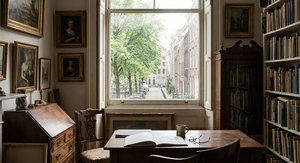
The Interior Gaze: Exploring Representations of Domestic Space in Art History
Explore the fascinating history of domestic interiors in art! From Dutch Masters to Impressionism, discover how artists captured home life & social meaning. Expert analysis and insights at TopImpressionists.

The Intimate Sphere: Domesticity & Representation in Western Art
Explore the rich history of domesticity in Western art, from Renaissance courts to Modernist masterpieces. Discover how artists captured everyday life and build your collection with TopImpressionists.

Joseph Highmore: Moral Tales & Domestic Genre in 18th-Century British Art
Explore the captivating world of Joseph Highmore, a leading British Rococo painter. Discover his elegant portraits, insightful 'Pamela' illustrations & contributions to 18th-century art history. Learn more at TopImpressionists.

Intimate Interiors: Domestic Life & Artistic Representation from Renaissance to Impressionism
Explore the evolution of domestic life in Western art from the Renaissance to Impressionism. Discover symbolism, realism & artistic techniques shaping intimate interior scenes. Learn more with TopImpressionists.

Claude Monet: As 25 Obras-Primas Essenciais para Amantes da Arte e Decoração
Descubra as 25 obras-primas de Claude Monet, o mestre do Impressionismo! Explore a história por trás dos nenúfares, paisagens e cores vibrantes que revolucionaram a arte. Encontre reproduções de alta qualidade para decorar sua casa com a beleza atemporal de Monet em TopImpressionists.com.