


 Visualizar na parede
 Compartilhar
 Compartilhar
 Detalhes
 Guia
Guia

 Baixar imagem
 Semelhantes
 Raio X
 Ver diaporama
 Estatísticas
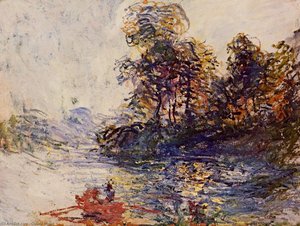
Manhã na Senna


Immerja-se na beleza da luz e das cores em "Manhã na Senna", de Monet! Uma obra-prima impressionista que captura a magia do amanhecer sobre o rio Sena. Descubra a arte de Claude Monet.
 Ler mais
Explore o mundo de Claude Monet, o mestre impressionista renomado por capturar a luz e as cores fugazes através de paisagens icônicas como 'Nenúfares' e 'Palheiros'.
Giclée / Impressão de Arte
Impressão giclée ou em tela de qualidade de museu, com produção rápida e opções flexíveis de acabamento. ( Comprar pintura feita à mão Alternar para Imagem Digital)




P118B €10

P118H €10

P118W €10

P438Z €10

P508JH €12

P508YH €12

P805H €10

P805Z €10

P919BZ €10

P919G €10

P919XJ €10

P959ZH €10

P968JZ €12

W106C €8

W218G €10

W218JH €8

W218Y €10

W307PJ €10

W316G €10

W316PJ €8

W316Y €10

W398PJ €8

W4111J €10

W500HY €15

W500JH €15

W692G €12

W849H €8

W940BG €15

W953PJ €8




Tamanho padrão
personalizado
CM
INCH
Escolha entre os nossos tamanhos pré-definidos que respeitam as proporções originais da obra de arte.
Loading sizes...

largura
altura
Insira a largura e a altura desejadas para se ajustarem à sua moldura ou parede. Uma impressão pode ser apenas cortada, nunca ampliada além da imagem original; portanto, um tamanho com proporções diferentes resultará na perda de parte da imagem. Enviamos uma maquete digital para sua aprovação antes de realizarmos a impressão. A imagem exibida nesta página não mostra o corte real — apenas a maquete o faz.
Entrega mundial () em 2 semanas, em vez das 4/5 semanas padrão. (25 Outubro)

Envio expresso gratuito para todo o mundo

Tela de Linho de Alta Qualidade

Seguro de transporte completo

Garantia de Reembolso de Impostos Alfandegários

Garantia de Fidelidade Cromática

Política de Devolução em 100 Dias (Apenas para Defeitos)

Garantia de reembolso de 100%

Oferta de desconto por quantidade
 A opção de vidro está disponível apenas para tamanhos inferiores a 110 cm

Manhã na Senna
Giclée / Impressão de Arte
Tamanho da Reprodução
-


Preço Total
€ 61
A Dawn of Impressionism: Unveiling Claude Monet’s *Morning on the Seine*
Claude Monet's *Morning on the Seine*, painted in 1893, isn’t merely a depiction of a riverbank; it’s an immersion into the very essence of Impressionism. This captivating work transcends simple landscape painting, becoming a meditation on light, atmosphere, and the fleeting beauty of a single moment. It's a testament to Monet’s revolutionary approach – capturing not just what he *saw*, but how his eye perceived the world at that precise instant. The painting embodies his core philosophy: to translate the immediate sensations of nature onto canvas, prioritizing the ephemeral effects of light and color over rigid representation.
The scene unfolds along the Seine River in France, a familiar yet subtly transformed vista. A prominent tree dominates the composition, its branches reaching across the frame like delicate fingers, creating a dynamic interplay between foreground and background. The reflection shimmering on the water’s surface is not a literal copy of the tree but an interpretation – a ghostly echo imbued with the changing light. This deliberate ambiguity is characteristic of Monet's style; he wasn’t striving for photographic accuracy, but rather for the subjective experience of seeing. Notice how the artist uses loose, flowing brushstrokes to capture the movement of the water and the subtle shifts in color as the sun rises.
The Language of Broken Brushstrokes: A Masterclass in Impressionism
Monet’s technique in *Morning on the Seine* is a masterclass in Impressionist brushwork. He employs short, broken strokes – tiny dabs of color applied with seemingly effortless speed – to build up layers of light and shadow. These individual marks coalesce into an overall impression rather than sharply defined forms. The artist’s use of color is profoundly evocative. He doesn't rely on traditional techniques of mixing colors to achieve a realistic palette. Instead, he juxtaposes complementary colors – such as blues and oranges – to intensify their vibrancy and create a sense of visual excitement. The painting utilizes pure, unmixed pigments directly on the canvas, allowing them to blend optically when viewed from a distance, creating an astonishing luminosity particularly evident in the shimmering reflections on the water and the rosy hues of the dawn sky.
Observe how Monet masterfully captures the diffused light of early morning. The colors aren’t blended smoothly; instead, they are applied in distinct patches, allowing the viewer's eye to blend them together. This technique creates a sense of vibrancy and movement, as if the scene is constantly shifting with the changing light. The overall effect is one of shimmering light and atmospheric depth, capturing the feeling of a cool morning mist rising from the river.
A Window into Monet’s World: Giverny and the Pursuit of Light
To fully appreciate *Morning on the Seine*, it's helpful to understand the context in which it was created. In 1893, Monet had established his home and studio at Giverny, a charming village just outside Paris. This idyllic setting became the subject of countless paintings, allowing him to meticulously study the changing seasons and light conditions. The Seine River itself held particular significance for Monet; he frequently painted it from various vantage points, always seeking to capture its ever-shifting moods. The painting reflects his dedication to capturing the essence of a specific moment in time, a philosophy deeply rooted in his life at Giverny.
The inclusion of a small boat on the river adds an element of human presence, subtly reminding us that this is not simply a study of nature but also a reflection on our relationship with the natural world. It suggests a moment of quiet contemplation, inviting the viewer to share in the serenity of the scene. Monet’s work during this period was driven by a desire to record his immediate perceptions, prioritizing feeling over precise representation – a core tenet of Impressionism.
Symbolism and Emotional Resonance: A Moment of Tranquility
Beyond its technical brilliance, *Morning on the Seine* resonates deeply with viewers due to its inherent symbolism. The tree, reaching towards the sky, can be interpreted as a symbol of aspiration and connection to nature. The shimmering water represents fluidity, change, and the passage of time. And the soft, diffused light evokes feelings of peace, tranquility, and hope – capturing the magic of a new day beginning. Monet’s work isn't just about depicting a scene; it’s about conveying an atmosphere, a feeling, a fleeting moment of beauty that resonates with our own experiences of nature.
Monet’s *Morning on the Seine* is more than just a beautiful painting; it's an invitation to slow down, observe the world around us with fresh eyes, and appreciate the fleeting beauty of everyday moments. It remains a timeless masterpiece, continuing to inspire awe and wonder in generations of art lovers.
Visit TopImpressionists.com to explore more artworks by Claude Monet, including his famous series of water lily paintings. You can also learn more about the artist's life and work on TopImpressionists.com and Wikipedia. The Museum of Fine Arts in Boston also has an extensive collection of Monet's works, including Morning on the Seine near Giverny, which can be viewed on their website.
The painting Morning on the Seine is a must-see for anyone interested in Impressionist art and the works of Claude Monet.
A Life Immersed in Light: The World of Claude Monet
Oscar-Claude Monet, a name synonymous with Impressionism, wasn’t merely a painter of landscapes; he was a chronicler of fleeting moments, a poet of light and color. Born in Paris on November 14, 1840, his early life took an unexpected turn when his family relocated to Le Havre, Normandy, at the age of five. While initially destined for a commercial career by his father, young Claude’s innate artistic talent quickly surfaced, manifesting first in charcoal caricatures sold locally – a testament to both his skill and entrepreneurial spirit. However, it was his encounter with Eugène Boudin that proved pivotal. Boudin didn’t just teach Monet *how* to paint; he instilled within him the revolutionary idea of painting en plein air—directly from nature—a practice that would define his entire artistic journey.
Monet’s formal training began in Paris, briefly at the Académie
Perguntas e Respostas
Quando foi criada a obra "Manhã na Senna" e a qual movimento ela pertence?
"Manhã na Senna" foi realizada em 1893, dentro do movimento Impressionist Landscape.
Em que parte da casa uma reprodução de "Manhã na Senna" ficaria bem?
"Manhã na Senna", de Claude Monet é recomendado para um(a) Sala de Estar. Esta sugestão baseia-se no tema, nas cores e na atmosfera da obra.
"Manhã na Senna" está disponível como uma impressão fine art?
"Manhã na Senna" está disponível como uma impressão fine art em tela de algodão ou papel canvas de arquivo. Os pedidos podem ser feitos na página de Impressão Fine Art, no tamanho de sua escolha.
Obras Relacionadas



Biografia do Artista
Uma Vida Imersa na Luz: O Mundo de Claude Monet
Oscar-Claude Monet, um nome sinônimo do Impressionismo, não era meramente um pintor de paisagens; ele era um cronista de momentos fugazes, um poeta da luz e da cor. Nascido em Paris em 14 de novembro de 1840, sua vida inicial tomou uma reviravolta inesperada quando sua família se mudou para Le Havre, na Normandia, aos cinco anos de idade. Embora inicialmente destinado a uma carreira comercial por seu pai, o talento artístico inato do jovem Claude logo surgiu, manifestando-se primeiro em caricaturas a carvão vendidas localmente – um testemunho tanto de sua habilidade quanto de seu espírito empreendedor. No entanto, foi seu encontro com Eugène Boudin que se provou crucial. Boudin não apenas ensinou Monet como pintar; ele instilou nele a ideia revolucionária de pintar en plein air—diretamente da natureza—uma prática que definiria toda sua jornada artística.
O treinamento formal de Monet começou em Paris, brevemente na Académie Suisse e, mais tarde, sob a tutela de Charles Gleyre. Foi aqui que ele forjou amizades duradouras com colegas artistas como Auguste Renoir, um vínculo construído sobre frustrações artísticas compartilhadas e o desejo de libertar-se das restrições da pintura acadêmica tradicional. Suas primeiras obras, embora demonstrassem proficiência técnica, careciam da voz distinta que logo caracterizaria seu estilo. Um período de turbulência se seguiu – a Guerra Franco-Prussiana forçou Monet a buscar refúgio em Londres, onde mergulhou na obra de mestres da paisagem inglesa, como J.M.W. Turner, absorvendo seus efeitos atmosféricos e o uso inovador da cor.
O Nascimento de uma Revolução Estética
Ao retornar à França, Monet tornou-se uma figura central em uma rebelião artística emergente. Insatisfeito com os padrões conservadores do Salão, ele uniu forças com outros artistas de pensamento semelhante para organizar exposições independentes. A exposição de 1874 provou ser um momento divisor de águas, não apenas para Monet, mas para todo o mundo da arte. Foi ali que sua pintura “Impression, soleil levant” (Impressão, Nascer do Sol) – uma representação nebulosa do porto de Le Havre ao amanhecer – foi exibida, e de onde originou o termo depreciativo "Impressionismo". No entanto, o nome permaneceu, evoluindo para um emblema de honra para um movimento que buscava capturar a impressão subjetiva de uma cena, em vez de sua representação precisa.
O estilo característico de Monet floresceu durante este período: pinceladas soltas e visíveis, cores vibrantes e muitas vezes não misturadas aplicadas lado a lado (uma técnica conhecida como “cor fragmentada”), e um foco inabalável em capturar as qualidades efêmeras da luz. Ele perseguiu incansavelmente sua prática en plein air, trabalhando rapidamente para registrar suas percepções imediatas antes que as condições mutáveis alterassem a cena. Essa dedicação não era simplesmente sobre retratar o que ele via, mas sim como ele se sentia em resposta a isso – um afastamento radical das convenções artísticas.
Giverny: Um Paraíso de Luz e Reflexo
Em 1883, Monet estabeleceu-se em Giverny, ao noroeste de Paris, criando um lar e um jardim que se tornariam tanto seu santuário quanto sua maior fonte de inspiração. Ele transformou meticulosamente a propriedade em um paraíso elaborado, repleto de flores exóticas, salgueiros chorões e, o mais famoso, um lago de ninféias atravessado por uma ponte japonesa. Este não era apenas um jardim decorativo; era um laboratório vivo onde Monet podia estudar os efeitos da luz sobre a água, a folhagem e os reflexos em condições controladas.
As últimas décadas de sua vida foram quase inteiramente dedicadas à pintura do lago de ninféias em Giverny. Ele embarcou na monumental série Nymphéas (Nenúfares), criando vastas telas que retratavam a superfície do lago como uma tapeçaria de cor e luz em constante mutação. Estas não eram simplesmente pinturas de flores; eram experiências imersivas, projetadas para envolver o espectador em um mundo de beleza serena e quietude contemplativa. A escala dessas obras é de tirar o fôlego, desafiando os limites da pintura tradicional e antecipando o expressionismo abstrato.
Legado: Um Impacto Duradouro na História da Arte
O impacto de Claude Monet na história da arte é imensurável. Ele não foi apenas o fundador do Impressionismo; ele alterou fundamentalmente a maneira como os artistas percebiam e representavam o mundo ao seu redor. Sua ênfase na experiência subjetiva, sua adoção da pintura en plein air e suas técnicas inovadoras pavimentaram o caminho para a exploração da abstração e das formas não representacionais na arte moderna.
Monet alcançou um sucesso comercial considerável durante sua vida – uma raridade para os artistas de vanguarda de sua era. Sua obra continua a inspirar admiração e a cativar públicos em todo o mundo, consolidando seu lugar como uma das figuras mais importantes da arte ocidental. Ele faleceu em 5 de dezembro de 1926, deixando um legado que ressoa através de gerações de artistas e amantes da arte. Coleções significativas de suas obras-primas estão guardadas em instituições prestigiadas, como o Musée d'Orsay e o Musée Marmottan Monet em Paris, garantindo que sua visão continue a iluminar o mundo.
Principais Técnicas Artísticas
- Pintura Plein Air: Central para seu desenvolvimento, permitindo a observação direta da luz e da atmosfera. <
- Cor Fragmentada: Aplicação de pequenas pinceladas de cor pura lado a lado para a mistura óptica.
- Pintura de Séries: Representação do mesmo tema sob diferentes condições de iluminação e clima – demonstrando o poder transformador do tempo e da luz.

Claude Monet
1840 - 1926 , França
Dados Rápidos
- Artistas Que O Influenciaram:
- Eugène Boudin
- J.M.W. Turner
- Artistas/Movimentos Influenciados: ['Arte Moderna']
- Data Da Morte: 5 de dezembro de 1926
- Data De Nascimento: 14 de novembro de 1840
- Local De Nascimento: Paris, França
- Movimento Artístico: Impressionismo
- Nacionalidade: Francês
- Nome Completo: Oscar-Claude Monet
- Obras Notáveis:
- Impressão, nascer do sol
- Série Nenúfares
- Almofadas de feno
Artigos Relacionados

Capturing the Light: A Journey Through the Soul of American Impressionism and the Hudson River School
Explore the luminous beauty of American Impressionism and the Hudson River School. Discover a curated journey through light, landscape, and history, celebrating the enduring legacy of masters through exquisite, hand-painted oil reproductions for the discerning art lover.
Explore obras de arte organizadas por temas, estilos e características.


