


 Visualizar na parede
 Compartilhar
 Compartilhar
 Detalhes
 Guia
Guia

 Baixar imagem
 Semelhantes
 Raio X
 Ver diaporama
 Q&A
Q&A Estatísticas
Democritus
 Oil On Canvas
- WallArt
- Baroque
 1628
1628 101.0 x 81.0 cm
 Musée des Beaux-Arts et de la Céramique
Discover Diego Velázquez's 'Democritus,' a captivating portrait of the ancient Greek philosopher Democritus. Explore its Baroque artistry, realism & psychological depth at the Musée des Beaux-Arts.
 Ler mais
Diego Velázquez: Mestre da luz e sombra, retratista icônico da corte espanhola. Sua obra-prima, 'Las Meninas', revolucionou a pintura com realismo, psicologia e inovação artística. Descubra o gênio barroco!
Giclée / Impressão de Arte
Impressão giclée ou em tela de qualidade de museu, com produção rápida e opções flexíveis de acabamento. ( Comprar pintura feita à mão Alternar para Imagem Digital)




P118B €10

P118H €10

P118W €10

P438Z €10

P508JH €12

P508YH €12

P805H €10

P805Z €10

P919BZ €10

P919G €10

P919XJ €10

P959ZH €10

P968JZ €12

W106C €8

W218G €10

W218JH €8

W218Y €10

W307PJ €10

W316G €10

W316PJ €8

W316Y €10

W398PJ €8

W4111J €10

W500HY €15

W500JH €15

W692G €12

W849H €8

W940BG €15

W953PJ €8




Tamanho padrão
personalizado
CM
INCH
Escolha entre os nossos tamanhos pré-definidos que respeitam as proporções originais da obra de arte.
Loading sizes...

largura
altura
Insira a largura e a altura desejadas para se ajustarem à sua moldura ou parede. Uma impressão pode ser apenas cortada, nunca ampliada além da imagem original; portanto, um tamanho com proporções diferentes resultará na perda de parte da imagem. Enviamos uma maquete digital para sua aprovação antes de realizarmos a impressão. A imagem exibida nesta página não mostra o corte real — apenas a maquete o faz.
Entrega mundial () em 2 semanas, em vez das 4/5 semanas padrão. (30 Outubro)

Envio expresso gratuito para todo o mundo

Tela de Linho de Alta Qualidade

Seguro de transporte completo

Garantia de Reembolso de Impostos Alfandegários

Garantia de Fidelidade Cromática

Política de Devolução em 100 Dias (Apenas para Defeitos)

Garantia de reembolso de 100%

Oferta de desconto por quantidade
 A opção de vidro está disponível apenas para tamanhos inferiores a 110 cm

Democritus
Giclée / Impressão de Arte
Tamanho da Reprodução
-


Preço Total
€ 61
The Enigmatic Smile of Democritus
Diego Velázquez’s “Democritus,” painted between 1628 and 1629, is not merely a portrait; it's an invitation into the mind of a philosopher, a subtle meditation on knowledge, laughter, and the very nature of reality. Housed within the Musée des Beaux-Arts et de la Céramique in Rouen, France, this oil painting transcends its modest dimensions (101 x 81 cm) to become a cornerstone of Baroque artistry, showcasing Velázquez’s unparalleled ability to capture not just likeness but also character and an elusive sense of inner life. The subject, believed to be a representation of the ancient Greek philosopher Democritus – though more likely embodying the concept of the ‘laughing philosopher’ – presents a captivating scene of quiet contemplation, his expression a carefully constructed blend of amusement and profound thought.
Velázquez's genius lies in his masterful manipulation of light and shadow, a technique deeply rooted in the Baroque tradition. The background is deliberately subdued, rendered in deep, warm tones that draw the viewer’s eye directly to the figure at the center. This strategic use of chiaroscuro not only creates depth but also serves to heighten the sense of drama and intrigue surrounding Democritus's face. Notice how the light gently caresses his features, highlighting the lines around his eyes and mouth – suggesting a life lived in intellectual pursuit and perhaps, a touch of wry amusement at the follies of humankind. The artist’s meticulous attention to texture is equally remarkable; from the intricate lacework of the collar to the subtly rendered folds of the cloak, every detail contributes to the painting's overall sense of realism and tactile presence.
A Portrait Steeped in Symbolism
Beyond its immediate visual appeal, “Democritus” is rich with symbolic elements that invite interpretation. The subject’s attire – a black cloak adorned with a white ruff – immediately establishes his social standing within the Spanish court. However, it's the inclusion of the globe in his right hand that truly elevates the painting to a higher level of meaning. Globes were frequently used as symbols of knowledge, exploration, and philosophical inquiry during this period, suggesting Democritus’s engagement with the vastness of the universe and the pursuit of understanding its fundamental principles. The carefully chosen pose – relaxed yet alert – further reinforces this interpretation, conveying an image of a man comfortable in his own intellectual world.
The painting's historical context is equally significant. In the early 17th century, Democritus’s ideas were often associated with Heraclitus, ‘the weeping philosopher,’ creating a compelling juxtaposition between two contrasting attitudes toward the world. This pairing—a cheerful, inquisitive mind versus a melancholic one—became a popular theme in Spanish art and literature, prompting artists to explore the complexities of human experience. Velázquez cleverly captures this duality, presenting Democritus not as a rigid intellectual but as a vibrant individual capable of both profound thought and genuine laughter.
Velázquez’s Masterstroke: Technique and Legacy
Diego Velázquez was a revolutionary painter, pushing the boundaries of portraiture with his innovative techniques. “Democritus” exemplifies this approach, demonstrating his ability to capture not just a likeness but also the very essence of his subject. His use of *alla prima* painting—working directly on the canvas without preliminary sketches—allowed him to achieve an unprecedented level of spontaneity and immediacy in his brushwork. The loose, expressive strokes create a sense of movement and vitality, while the subtle variations in color and tone contribute to the painting’s overall atmospheric quality.
“Democritus” stands as one of Velázquez's most celebrated works, admired for its psychological depth, technical brilliance, and enduring appeal. It is a testament to the artist’s extraordinary talent and his profound understanding of human nature. Reproductions of this masterpiece continue to captivate audiences worldwide, offering a glimpse into the mind of a brilliant philosopher and the genius of one of art history's greatest masters. Its quiet dignity and enigmatic smile remain a source of endless fascination, inviting viewers to contemplate the mysteries of knowledge, laughter, and the human condition.
Perguntas e Respostas
Quantas pessoas visualizam "Democritus"?
As estatísticas sobre "Democritus", de Diego Rodríguez de Silva y Velázquez encontram-se na página de Estatísticas da obra: visitas mensais da obra, visitas às obras do artista e o detalhamento por país e idioma dos visitantes recentes.
Existe uma apresentação de slides para "Democritus", de Diego Rodríguez de Silva y Velázquez?
"Democritus", de Diego Rodríguez de Silva y Velázquez pode ser visualizada em formato de slideshow na página de Apresentação de imagens da obra.
Onde posso ver a obra original "Democritus", de Diego Rodríguez de Silva y Velázquez?
"Democritus", de Diego Rodríguez de Silva y Velázquez está em exibição no Musée des Beaux-Arts et de la Céramique, Rouen, França. A referência ao museu diz respeito à obra original, não a reproduções.
Biografia do Artista
O Mestre da Luz e Sombra: Diego Velázquez
Diego Rodríguez de Silva y Velázquez, nascido em Sevilha em 1599, ocupa uma posição singular na história da arte – não apenas como um mestre espanhol, mas como uma figura central cujas inovações ressoaram ao longo dos séculos. Sua vida se desenrolou durante a Idade de Ouro Espanhola, um período definido pelo poder imperial e pela efervescência cultural, e sua arte tornou-se inextricavelmente ligada à grandeza e às complexidades da corte dos Habsburgos. Saindo de origens humildes, Velázquez ascendeu para ser mais do que apenas um pintor; ele foi um intérprete visual de um império, capturando seus governantes, cortesãos e a vida cotidiana com um realismo e uma profundidade psicológica sem precedentes. Sua jornada começou sob a tutela de Francisco de Herrera el Viejo e, crucialmente, com Francisco Pacheco, cujo rigoroso treinamento lhe incutiu uma base em técnica, proporção e aprendizado clássico. No entanto, foi o talento inato de Velázquez – uma sensibilidade extraordinária à luz, cor e caráter humano – que realmente o diferenciou. Mesmo os primeiros trabalhos, como *Uma Velha Fritando Ovos*, prenunciavam a abordagem revolucionária que ele adotaria na pintura de gênero, imbuindo cenas comuns com dignidade e imediatismo antes nunca vistos.Ascensão à Corte de Filipe IV
Em 1623, aos vinte e quatro anos, Velázquez tomou a decisão transformadora de se mudar para Madrid, buscando patrocínio no coração do poder espanhol. Essa mudança provou ser fundamental. Ele rapidamente ganhou reconhecimento e foi nomeado pintor da corte do rei Filipe IV em 1628, uma posição que ocuparia pelo resto de sua vida. Esta nomeação não era apenas sobre garantir um emprego; concedeu a Velázquez acesso sem precedentes à família real e à nobreza, permitindo que ele se tornasse seu cronista através da pintura. Ao contrário de muitos artistas da corte que idealizavam seus sujeitos, Velázquez buscou um realismo implacável. Ele retratou Filipe IV não como um símbolo distante de autoridade, mas como um homem – inteligente, melancólico e sobrecarregado de responsabilidade. Este compromisso com a veracidade, combinado com sua técnica magistral, conquistou a confiança do rei e uma crescente liberdade artística. Seus primeiros retratos da corte demonstram um estilo em evolução, afastando-se da rigidez formal dos primeiros retratos espanhóis em direção a uma abordagem mais naturalista e psicologicamente perspicaz. A influência dos mestres venezianos como Ticiano – cujas obras Filipe IV colecionava avidamente – é evidente no pincel cada vez mais fluido de Velázquez e nas paletas de cores ricas. Ele absorveu as lições da pintura veneziana, particularmente sua ênfase na cor e no pincel solto, transformando-as em algo exclusivamente seu.O Apogeu da Inovação Artística: *Las Meninas* e Além
O gênio artístico de Velázquez atingiu o auge na década de 1650, culminando na criação de sua obra-prima, *Las Meninas* (1656). Esta pintura não é meramente um retrato; é uma meditação complexa sobre a própria arte. Ela retrata a Infanta Margarida Teresa cercada por suas damas de companhia, anões e outros membros da corte, enquanto Velázquez próprio está diante de uma grande tela, aparentemente pego no ato de pintar. A inclusão do rei e da rainha refletidos em um espelho no fundo da sala adiciona outra camada de intriga, obscurecendo as linhas entre observador e observado, realidade e representação. *Las Meninas* é uma demonstração magistral de perspectiva, composição e perspicácia psicológica, desafiando os espectadores a questionarem seu próprio papel no ato de observar. É uma pintura sobre ver, ser visto e a própria natureza da criação artística. Outras obras significativas deste período incluem *A Rendição de Breda*, uma poderosa representação da vitória espanhola com notável humanidade, e retratos como *Dona Mariana da Áustria*, mostrando sua capacidade de capturar tanto a dignidade real quanto a vulnerabilidade interior. Sua técnica continuou a evoluir, caracterizada por pinceladas soltas, gradações sutis de tom e uma sensibilidade extraordinária à luz e à atmosfera – uma marca registrada que influenciaria profundamente as gerações futuras de artistas.Legado e Influência Duradoura
Diego Velázquez morreu em Madrid em 1660, deixando para trás um corpo de trabalho que influenciaria profundamente o curso da arte ocidental. Sua ênfase no realismo, seu uso inovador de luz e sombra e sua profundidade psicológica abriram novos caminhos na pintura. Ele não estava apenas registrando aparências; ele estava capturando a essência da experiência humana. No século XIX, pintores realistas franceses como Gustave Courbet olharam para Velázquez como um modelo para seu próprio compromisso em retratar a vida sem idealização. Édouard Manet, profundamente inspirado por *Las Meninas*, referenciou diretamente a composição de Velázquez em suas próprias obras, demonstrando o poder duradouro da visão do mestre espanhol. No século XX, artistas como Pablo Picasso e Francis Bacon se envolveram com as pinturas de Velázquez através de reinterpretações e homenagens, reconhecendo sua relevância contínua para a arte moderna. Picasso, por exemplo, criou uma série de variações sobre *Las Meninas*, explorando sua estrutura composicional e complexidades psicológicas. Hoje, as obras-primas de Velázquez estão abrigadas em museus ao redor do mundo, mais notavelmente no Museo del Prado em Madrid, onde os visitantes podem experimentar em primeira mão o brilho deste artista extraordinário. Seu legado continua a inspirar admiração e reverência, solidificando seu lugar como um dos maiores pintores que já viveram – um mestre da luz, sombra e do espírito humano.Obras Chave & Coleções
- *Las Meninas* (1656): Museo del Prado, Madrid - Arguavelmente sua obra mais famosa, um retrato complexo da família real.
- *A Rendição de Breda* (1634-1635): Museo del Prado, Madrid – Uma poderosa representação da vitória espanhola com notável humanidade.
- *Vênus no Espelho* (c. 1647–1651): Museo del Prado, Madrid - Demonstra sua habilidade em equilibrar realismo e beleza.
- *Dona Mariana da Áustria, Rainha da Espanha* (1649): Museo del Prado, Madrid – Um retrato deslumbrante que mostra elegância régia.
- *Retrato do Papa Inocêncio X* (1650): Galleria Doria Pamphilj, Roma - Um retrato marcante e não convencional do pontífice.
- *Autorretrato* (1643): Musée des Beaux-Arts, Valence – Revela um artista digno e introspectivo.

Diego Rodríguez de Silva y Velázquez
1599 - 1660 , Espanha
Dados Rápidos
- Artistas Influenciados:
- Manet
- Picasso
- Artistas Que Influenciaram: ['Titian']
- Data Da Morte: 1660
- Data De Nascimento: 1599
- Local De Nascimento: Sevilha, Espanha
- Movimento Artístico: Barroco, Realismo
- Nacionalidade: Espanhol
- Nome Completo: Diego Rodríguez de Silva y Velázquez
- Obras Notáveis:
- Las Meninas
- A Rendição de Breda
Artigos Relacionados

Spanish Baroque Art: The Dramatic Mastery of Light and Shadow in the Age of Velázquez
Explore the profound drama of Spanish Baroque art. Delve into the mastery of light, shadow, and realism through the legendary works of Diego Velázquez and the Spanish Golden Age.

The Golden Age Reforged: Dramatic Realism & Religious Zeal in Spanish Baroque Art
Explore the dramatic world of Spanish Baroque art! Discover masters like Zurbarán & the powerful influence of religious zeal on painting techniques – a guide for collectors and enthusiasts.

Diego Velázquez: Master of the Spanish Golden Age – Technique, Influence & Courtly Portraiture
Explore the life & work of Diego Velázquez, master of the Spanish Golden Age. Discover his innovative techniques, iconic paintings like Las Meninas, and lasting influence on art history. Expert insights for collectors.

Spanish Baroque Art: The Dramatic Mastery of Light and Shadow in the Age of Velázquez
Explore the profound drama of Spanish Baroque art. Delve into the mastery of light, shadow, and realism through the legendary works of Diego Velázquez and the Spanish Golden Age with our expert-led historical guide.
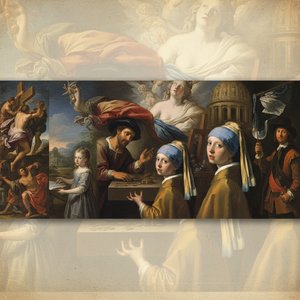
Os 10 Mestres do Barroco: Obras-Primas que Moldaram a Arte e Decoram o Lar
Descubra os 10 maiores ícones do Barroco! Explore a história, técnica e emoção por trás de Caravaggio, Rembrandt, Bernini e outros mestres. Encontre reproduções de arte barroca para decorar seu lar com luxo em TopImpressionists.com.
Explore obras de arte organizadas por temas, estilos e características.


