


 Visualizar na parede
 Compartilhar
 Compartilhar
 Detalhes
 Guia
Guia

 Baixar imagem
 Semelhantes
 Raio X
 Ver diaporama
 Q&A
Q&A Estatísticas
The Crowning with Thorns
 Oil On Canvas
- WallArt
- Baroque
 1621
1621 106.0 x 136.0 cm
 Alte Pinakothek
Experience the somber drama of The Crowning with Thorns by Dirck van Baburen (1621), a masterpiece of Dutch Baroque suffering; bring this profound moment home.
 Ler mais
Dirck van Baburen (1595-1624) foi um pintor Caravaggista holandês conhecido por tenebrismo dramático, cenas de gênero e obras religiosas. Figura chave da Escola de Utrecht, influenciando Rembrandt e a arte Barroca.
Giclée / Impressão de Arte
Impressão giclée ou em tela de qualidade de museu, com produção rápida e opções flexíveis de acabamento. ( Comprar pintura feita à mão Alternar para Imagem Digital)




P118B €10

P118H €10

P118W €10

P438Z €10

P508JH €12

P508YH €12

P805H €10

P805Z €10

P919BZ €10

P919G €10

P919XJ €10

P959ZH €10

P968JZ €12

W106C €8

W218G €10

W218JH €8

W218Y €10

W307PJ €10

W316G €10

W316PJ €8

W316Y €10

W398PJ €8

W4111J €10

W500HY €15

W500JH €15

W692G €12

W849H €8

W940BG €15

W953PJ €8




Tamanho padrão
personalizado
CM
INCH
Escolha entre os nossos tamanhos pré-definidos que respeitam as proporções originais da obra de arte.
Loading sizes...

largura
altura
Insira a largura e a altura desejadas para se ajustarem à sua moldura ou parede. Uma impressão pode ser apenas cortada, nunca ampliada além da imagem original; portanto, um tamanho com proporções diferentes resultará na perda de parte da imagem. Enviamos uma maquete digital para sua aprovação antes de realizarmos a impressão. A imagem exibida nesta página não mostra o corte real — apenas a maquete o faz.
Entrega mundial () em 2 semanas, em vez das 4/5 semanas padrão. (30 Outubro)

Envio expresso gratuito para todo o mundo

Tela de Linho de Alta Qualidade

Seguro de transporte completo

Garantia de Reembolso de Impostos Alfandegários

Garantia de Fidelidade Cromática

Política de Devolução em 100 Dias (Apenas para Defeitos)

Garantia de reembolso de 100%

Oferta de desconto por quantidade
 A opção de vidro está disponível apenas para tamanhos inferiores a 110 cm

The Crowning with Thorns
Giclée / Impressão de Arte
Tamanho da Reprodução
-


Preço Total
€ 61
The Weight of Sacrifice: An Encounter with Dirck van Baburen's Devotion
To stand before a depiction such as The Crowning with Thorns is not merely to observe paint on canvas; it is to step into the crucible of profound human suffering and divine sacrifice. This masterful work, executed by Dirck van Baburen in 1621, captures one of the most emotionally charged moments in Christian iconography—the moment Christ is mocked and subjected to the agonizing indignity of the thorns.
Van Baburen, a key figure within the vibrant Utrecht School of Caravaggisti, channels the dramatic intensity that defined his era. His technique eschews mere narrative illustration for something far more visceral. The composition draws the viewer immediately into the harrowing tableau surrounding the central figure. Notice how the light does not illuminate evenly; rather, it seems to strike with a harsh, theatrical brilliance, carving out forms from deep shadow—a hallmark of Caravaggesque drama that lends an almost unbearable realism to the scene.
Mastery in Shadow and Light: Technical Brilliance
The technical prowess displayed here is breathtaking. Van Baburen utilizes tenebrism with remarkable skill, allowing the surrounding figures—the soldiers, the onlookers—to recede into palpable darkness. This dramatic contrast serves a dual purpose: it heightens the sense of isolation experienced by Christ, and simultaneously focuses all emotional energy onto his suffering form. The visible nails and outstretched arms are rendered with an almost painful clarity, forcing the viewer to confront the physical reality of the ordeal. It is this meticulous handling of texture—the rough wood of the cross, the yielding flesh, the sharp gleam of metal—that elevates the piece from devotional art to a profound study in human endurance.
Symbolism and Emotional Resonance
The symbolism woven throughout The Crowning with Thorns is rich and deeply resonant. The crown itself is not merely an object; it is a potent symbol of mockery, transforming royalty into suffering servitude. Yet, within that suffering lies the promise of salvation. The surrounding figures—some displaying detached curiosity, others perhaps exhibiting fear or pity—create a complex psychological landscape. They are witnesses, each representing a facet of humanity’s reaction to ultimate sacrifice: indifference, horror, and reluctant acknowledgment.
For the collector or decorator, this piece offers more than just religious grandeur; it provides an atmosphere of deep contemplation. It demands that one pause, reflect, and feel the weight of history and theology within a meticulously crafted visual narrative.
A Timeless Presence for Any Space
Reproducing such a powerful work allows us to bring this intense emotional gravity into modern living spaces. Whether placed in a formal study where deep thought is encouraged, or in a gallery setting meant to evoke contemplation, the drama inherent in Van Baburen’s brushwork will command attention. The somber palette and dramatic chiaroscuro ensure that it acts as an anchor of profound artistic weight, transforming any room into a space imbued with historical depth and enduring emotional resonance.
Perguntas e Respostas
Como "The Crowning with Thorns" se integra aos temas e ao estilo de Dirck Van Baburen?
"The Crowning with Thorns" integra a produção Baroque de Dirck Van Baburen, cujos temas recorrentes incluem caravaggism influence on utrecht school, biblical narrative of sacrifice, emotional intensity of suffering, focus on dramatic realism.
Quem criou "The Crowning with Thorns" e em que ano?
Dirck Van Baburen criou "The Crowning with Thorns" em 1621.
Como posso obter uma versão digital de "The Crowning with Thorns", de Dirck Van Baburen?
Para obter uma versão digital de "The Crowning with Thorns", de Dirck Van Baburen, peça download de imagem digital em alta resolução em sua página Imagem Digital de Alta Resolução.
Biografia do Artista
A Sombra e a Luz: A Vida de Dirck van Baburen
Nos anais da Idade de Ouro holandesa, poucos nomes evocam o drama visceral da sombra e da iluminação súbita como Dirck van Baburen. Nascido por volta de 1595 em Wijk bij Duurstede, sua vida foi um impacto meteórico, breve mas brilhante, através da tela da história da arte. Embora seus anos tenham sido tragicamente curtos, encerrando-se em 1624, ele conseguiu incendiar uma revolução estilística que redefiniria a estética do norte da Europa. Como um pilar central da Escola de Caravaggisti de Utrecht, van Baburen não apenas pintava cenas; ele orquestrava momentos de profunda tensão, utilizando a linguagem austera do tenebrismo para atrair os espectadores para a realidade íntima e, muitas vezes, crua de seus temas.
O alicerce de sua maestria foi estabelecido nos estúdios de Utrecht, sob a tutela do respeitado Paulus Moreelse. No entanto, a verdadeira metamorfose de sua alma e de seu pincel ocorreu durante sua peregrinação transformadora a Roma, entre 1612 e 1615. Foi nas ruas banhadas pelo sol, mas repletas de sombras, da Cidade Eterna que van Baburen encontrou o espírito revolucionário de Caravaggio. Através de sua estreita associação com Bartolomeo Manfredi, um devoto seguidor dos métodos de Caravaggio, o jovem holandês absorveu os segredos do chiaroscuro — a arte de usar contrastes extremos entre luz e escuridão para criar volume e profundidade psicológica. Essa imersão romana não foi meramente acadêmica; foi uma ascensão social e profissional, à medida que ele conquistava encomendas de patronos prestigiados, como o Cardeal Scipione Borghese, colocando-o no coração pulsante do movimento Barroco.
A Gênese dos Caravaggisti de Utrecht
Ao retornar aos Países Baixos, van Baburen não chegou como um mero estudante, mas como uma vanguarda. Ao lado de contemporâneos como Hendrick ter Brugghent e Gerard van Honthorst, ele liderou um movimento que alteraria para sempre a trajetória da pintura holandesa. Este coletivo, conhecido como os Caravaggisti de Utrecht, buscava transplantar a intensidade dramática do Barroco italiano para o vernáculo local. O trabalho deles caracterizava-se por um afastamento das paisagens polidas e serenas de seus predecessores, favorecendo, em vez disso:
- Cenas de Gênero: Representações vívidas e muitas vezes exuberantes da vida cotidiana, incluindo músicos, bebedores e camponeses, retratados com um senso de presença surpreendente.
- Tenebrismo: O uso de sombras profundas e impenetráveis que engolem o plano de fundo, forçando o olhar do espectador a concentrar-se exclusivamente nas figuras iluminadas.
- Imediatez Emocional: Um foco na condição humana, capturando expressões fugazes de alegria, tristeza ou quietude contemplativa.
Sua destreza técnica permitia-lhe manipular a luz como se fosse uma substância física, esculpindo figuras da escuridão com uma precisão que parecia quase tátil. Seja retratando o fervor religioso ou as atividades humildes de uma taverna, sua pincelada possuía uma energia que preenchia a lacuna entre a escala monumental da arte italiana e o foco íntimo e doméstico da tradição holandesa.
Legado e Significância Histórica
O impacto de Dirck van Baburen estende-se muito além das fronteiras de Utrecht. Embora sua carreira tenha sido interrompida precocemente, em seus trinta anos, as ondas de sua inovação viajaram através das décadas, influenciando o desenvolvimento do Barroco Holandês e até mesmo servindo como um precursor estilístico para as obras de Rembrandt van Rijn. A maneira como Rembrandt manipularia mais tarde a luz para evocar verdades psicológicas profundas deve uma dívida significativa ao trabalho fundamental estabelecido pelos mestres de Utrecht.
Hoje, van Baburen é lembrado não apenas como um seguidor de um mestre italiano, mas como um arquiteto de uma nova linguagem visual. Ele transformou a tela em um palco onde a luz e a sombra encenam um drama perpétuo, garantindo que seu nome permaneça gravado na história da arte como um mestre do profundo, do dramático e do profundamente humano. Sua habilidade de encontrar o extraordinário dentro do comum continua a cativar estudiosos e amantes da arte, servindo como um testemunho do poder duradouro do espírito caravaggesco.

Dirck Van Baburen
1595 - 1624 , Países Baixos
Dados Rápidos
- Artistic Movement Or Style: Caravaggisti; Escola de Utrecht
- Artists Or Movements Influenced By This Artist: ['Rembrandt van Riijn']
- Artists Who Influenced This Artist:
- Paulus Moreelse
- Bartolomeo Manfredi
- Date Of Birth: Utrecht, Países Baixos (1595)
- Date Of Death: 1624
- Full Name: Dirck Jaspersz. van Baburen
- Nationality: Holandês
- Notable Artworks:
- A Procuress
- Um filósofo
- São Francisco em Meditação
- Place Of Birth: Wijk bij Duurstede
Artigos Relacionados

Giclée Prints: Archival Quality & Aesthetic Nuances for the Discerning Collector
Explore the world of giclée prints with TopImpressionists. Learn about archival quality, aesthetic nuances & investment potential. Expert guidance for discerning art collectors seeking museum-quality reproductions and lasting value.
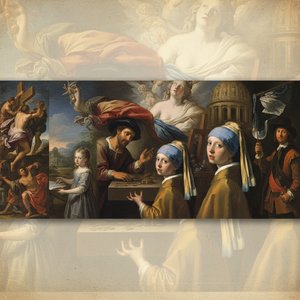
Os 10 Mestres do Barroco: Obras-Primas que Moldaram a Arte e Decoram o Lar
Descubra os 10 maiores ícones do Barroco! Explore a história, técnica e emoção por trás de Caravaggio, Rembrandt, Bernini e outros mestres. Encontre reproduções de arte barroca para decorar seu lar com luxo em TopImpressionists.com.

Echoes of Time: Exploring the Enduring Appeal & Historical Context of Vintage Art Prints
Explore the captivating world of vintage art prints! Discover their history, collecting tips & enduring appeal. Expert insights on chromolithography and building a legacy collection with TopImpressionists.

The Enduring Legacy of Fine Art Prints: Technique, History & Aesthetic Impact
Explore the rich history & techniques of fine art prints. Discover investment potential, assess authenticity, and learn how to preserve your collection with expert guidance. Trusted insights for discerning collectors.

Barroco Brasileiro: Opulência e Emoção para Interiores Contemporâneos
Descubra como o Barroco brasileiro pode transformar seus interiores! Explore a história, elementos-chave e dicas para integrar este estilo luxuoso e cheio de emoção em sua casa.