

 Visualizar na parede
 Compartilhar
 Compartilhar
 Detalhes
 Guia
Guia

 Baixar imagem
 Semelhantes
 Raio X
 Ver diaporama
 Q&A
Q&A Estatísticas
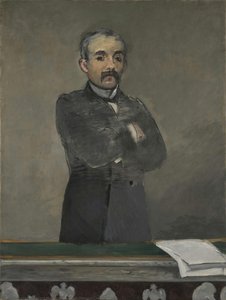
Theodore Duret


Captured in Manet’s Impressionistic style, this portrait depicts a dignified gentleman against a simple tabletop setting—a bold departure from academic tradition. Exploring themes of urban life and observation, Édouard Manet's masterpiece invites you to experience the beauty of modern Paris.
 Ler mais
Descubra Édouard Manet (1832-1883), um pioneiro entre o Realismo e Impressionismo! Explore obras icônicas e seu legado na arte moderna.
Obtenha um arquivo pronto para impressão que vai muito além da visualização na web. Cada imagem digital que vendemos provém de um arquivo mestre de alta resolução em nosso banco de dados — geralmente entre 5.000 e 15.000 pixels de largura — para que você possa imprimir em grandes formatos, realizar cortes precisos ou reproduzir detalhes minuciosos com total confiança.
Nenhum arquivo sai do nosso estúdio sem passar por um cuidadoso processo de revisão. Um especialista digital verifica as cores em relação à pintura original e as corrige se necessário, aumentando então a clareza e o detalhe com ferramentas profissionais de retoque — sempre mantendo a fidelidade às pinceladas e ao estilo do artista. O resultado é uma imagem que se assemelha à pintura, e não a um scan com filtros.
Aprovação antes da finalização: nosso especialista enviará a imagem por e-mail em até 72 horas para sua revisão. Não ficou satisfeito? Solicite melhorias ou correções, ou peça o reembolso caso a qualidade não atenda às suas expectativas.
Esta é a qualidade em que confiam editoras, estúdios de design, galerias e gráficas.
Imagem Digital
Baixe um arquivo de alta resolução para exibição pessoal, impressão e projetos criativos. ( Alternar para Impressão Comprar pintura feita à mão)
Incluído em cada compra de imagem digital
Entrega Digital Especializada e Garantida
Ao escolher o TopImpressionists.com, você não está apenas adquirindo uma imagem — você está recebendo uma obra de arte digital profissionalmente aprimorada, elaborada com precisão e com garantia de satisfação. Aqui está tudo o que acompanha seu pedido, automaticamente:

Entrega rápida por e-mail
O seu arquivo de imagem digital em alta resolução será enviado por e-mail em até 72 horas após o pedido — pronto para uso imediato.

Arquivo Digital com IA Otimizado
Sua obra de arte é otimizada profissionalmente por meio de ferramentas avançadas de IA e edição manual, garantindo o máximo de detalhes, clareza e precisão de cores.

Reenvio gratuito vitalício
Apagou ou perdeu o seu ficheiro acidentalmente? Não se preocupe – nós reenviamos para si a qualquer momento, gratuitamente.

Sem Taxas de Importação - Sempre
Desfrute da sua obra de arte instantaneamente, sem taxas alfandegárias, impostos ou custos de entrega — downloads digitais são sempre isentos de taxas.

Garantia de Fidelidade de Cores
Garantimos que sua imagem digital reflita as cores originais com a maior fidelidade possível, utilizando ferramentas profissionais e gerenciamento de cores.

Garantia de satisfação de 100 dias
Se não estiver satisfeito com a sua imagem digital, nós a revisaremos ou reembolsaremos 100% dentro de 100 dias — sem perguntas.

Garantia de Reembolso 100%
Não está satisfeito? Receba o reembolso total em até 100 dias após o recebimento do seu arquivo digital — sem perguntas.

Descontos para pedidos em lote
Compre 3 imagens, economize 10% - Compre 5, economize 15% - Compre 10+, economize 20%. Ideal para projetos criativos, galerias e agências.
A Glimpse into Parisian Modernity
In the heart of 1868 Paris, amidst the burgeoning energy of a city on the precipice of radical change, Édouard Manet captured more than just a likeness; he captured an era. His portrait of Theodore Duret serves as a profound distillation of the anxieties and aspirations simmering beneath the surface of Belle Époque society. This is not merely a formal sitting of a prominent figure, but a carefully constructed window into a world where tradition was being dismantled by the raw, unvarnished truth of modern life. When one gazes upon this work, they are invited to step into a moment of quiet intensity, where the weight of history meets the fleeting essence of the present.
The subject, Theodore Duret, was far more than a mere sitter; he was a vital force in the art world—a journalist, critic, and one of the most fervent advocates for the Impressionist movement. Manet’s decision to portray him in such an informal, almost casual setting—seated beside a table laden with bottles—was a deliberate departure from the stiff, idealized portraiture favored by the academic establishment. There is a palpable sense of intimacy here, as if the viewer has stumbled upon a private moment in a Parisian café, witnessing the very man who would soon champion the revolution of light and color.
The Mastery of Impressionistic Technique
Technically, Theodore Duret stands as a testament to Manet’s role as a bridge between classical tradition and the radical energy of modern art. Eschewing the meticulous, smooth surfaces of his predecessors, Manet employed a loose, visible brushwork that breathes life into the canvas. This technique is particularly striking in the depiction of drapery and skin tones, where the paint seems to dance with a sense of immediacy and spontaneity. The artist prioritizes capturing atmospheric effects and the play of light over rigid anatomical precision, a hallmark of the burgeoning Impressionist style.
The palette is masterfully muted, relying on subtle tonal variations rather than jarring, vibrant colors to create depth and mood. This restraint allows the viewer to focus on the interplay of shadow and light, much like the works of the Old Masters Manet so deeply studied in the Louvre. The black of the subject's suit is not merely a flat pigment but a complex arrangement of dark tones that anchor the composition, providing a stark contrast to the softer, more ephemeral elements of the background. For the discerning collector or interior designer, this sophisticated use of tone offers a timeless elegance that integrates seamlessly into both classical and contemporary spaces.
Symbolism and Emotional Resonance
Beyond the technical brilliance lies a deeper layer of symbolism that speaks to the tension of the age. The presence of the bottles on the table serves as a subtle nod to the everyday realities of Parisian life, grounding the portrait in the tangible world of the senses. It strips away the heroic veneer often found in academic portraits, replacing it with a sense of modernity—the beauty found in the mundane and the unpolished. The man's posture, with one hand on his hip and the other holding his hat, suggests a character of confidence and perhaps a touch of defiance, mirroring Manet’s own rebellious spirit against the Salon.
For those seeking to adorn their homes with art that inspires conversation, this piece offers an unparalleled emotional impact. It evokes a sense of nostalgia for a lost Paris while simultaneously feeling strikingly fresh. To hang a high-quality reproduction of this masterpiece is to bring into one's environment a piece of history that refuses to be static. It is an invitation to contemplate the courage of the avant-garde and the enduring power of a single, well-captured moment in time.
Perguntas e Respostas
Quem criou "Theodore Duret" e em que ano?
"Theodore Duret" foi criado por Édouard Manet em 1868.
Quem é o artista por trás de "Theodore Duret"?
"Theodore Duret" é atribuída a Édouard Manet.
Onde posso baixar "Theodore Duret", de Édouard Manet?
Um download está disponível para "Theodore Duret": a página de Download da obra oferece download de imagem digital em alta resolução.
Obras Relacionadas





Biografia do Artista
Um Rebelde Parisiense: A Vida e a Arte de Édouard Manet
Édouard Manet, nascido em 1832 no seio de uma confortável família burguesa parisiense, dificilmente estava destinado à vida de um artista revolucionário. Seu pai, um respeitado juiz, vislumbrava um futuro seguro para o filho na advocacia ou talvez na marinha – profissões respeitáveis que condiziam com seu status social. No entanto, desde tenra idade, o coração de Manet pertencia à arte. Aos onze anos, iniciou aulas formais de desenho e, embora brevemente aprendiz do pintor acadêmico Thomas Couture, logo encontrou os métodos rígidos de Couture sufocantes. Essa resistência inicial prenunciava uma vida inteira dedicada a desafiar as convenções artísticas. Manet não se interessava em simplesmente replicar o passado; buscava capturar a vitalidade – e, por vezes, as realidades inquietantes – da moderna vida parisiense. Frequentava o Louvre, não apenas para copiar os Velos Mestres, mas para dissecar suas técnicas, aprendendo com artistas como Caravaggio e Velázquez como a luz e a sombra poderiam esculpir formas e evocar emoções. Contudo, foi uma mudança nas correntes artísticas, particularmente o surgimento do Realismo defendido por Gustave Courbet, que verdadeiramente incendiou o caminho criativo de Manet. A insistência de Courbet em retratar a vida cotidiana sem idealização ressoou profundamente em Manet, libertando-o das amarras de temas históricos ou mitológicos.Rompendo com a Tradição: Escândalo e Inovação
A década de 1860 marcou um período de intensa fermentação artística em Paris, e Manet encontrou-se no epicentro de tudo isso. A chegada das estampas japonesas – *ukiyo-e* – impactou profundamente sua sensibilidade estética. Ficou cativado por suas perspectivas achatadas, composições ousadas e uso marcante da cor, elementos que se tornariam marcas registradas de seu próprio estilo. Essa influência, combinada com sua crescente rejeição ao polimento acadêmico, levou a obras que chocaram e escandalizaram o mundo artístico parisiense. Le Déjeuner sur l'herbe (O Almoço na Relva), exibido no Salon des Refusés em 1863 – uma exposição para trabalhos rejeitados pelo Salão oficial – tornou-se um estopim para a controvérsia. A pintura, retratando uma mulher nua casualmente fazendo piquenique com dois homens totalmente vestidos, não se resumia à nudez; tratava-se de *como* essa nudez era apresentada. As figuras de Manet careciam das formas idealizadas e do contexto mitológico dos nus tradicionais. Eram inegavelmente modernas, confrontando o espectador com uma direta inquietude. O escândalo em torno de Le Déjeuner intensificou-se com sua obra-prima de 1865, Olympia. Esta pintura, uma reimaginação deliberada da *Vênus de Urbino* de Ticiano, apresentava uma prostituta contemporânea encarando ousadamente o espectador. O realismo implacável e o tema provocativo foram recebidos com ampla condenação. Críticos acusaram Manet de vulgaridade e incompetência artística, mas por baixo da indignação jazia um reconhecimento de que ele estava alterando fundamentalmente a linguagem da pintura.Uma Ponte para o Impressionismo: Luz, Pincelada e Vida Moderna
Embora Manet nunca tenha abraçado totalmente o rótulo “Impressionista”, sua influência sobre o movimento foi inegável. Compartilhava sua rejeição às convenções acadêmicas e seu compromisso em capturar os efeitos fugazes da luz e da atmosfera. Expôs ao lado de Monet, Renoir, Degas e outros nas exposições independentes dos Impressionistas, solidificando sua posição como uma figura-chave na vanguarda. A técnica de Manet evoluiu para uma pincelada mais solta, priorizando a impressão da forma em detrimento do detalhe preciso. Experimentou com a cor, frequentemente usando contrastes acentuados para criar efeitos dramáticos. Além dos nus escandalosos, Manet explorou uma ampla gama de temas: retratos – incluindo representações marcantes de sua esposa Suzanne e do colega artista Émile Zola; cenas da vida noturna parisiense, como Um Bar no Folies-Bergère, que captura magistralmente a alienação e o espetáculo da vida urbana moderna; e cenas domésticas íntimas. Ele não se limitava a documentar esses temas; estava interrogando-os, questionando as normas sociais e desafiando concepções convencionais de beleza.Legado e Impacto Duradouro
A morte prematura de Édouard Manet em 1883 devido à sífilis interrompeu uma carreira que já havia alterado irrevogavelmente o curso da história da arte. Embora sua reputação tenha crescido significativamente após sua morte, seu impacto foi imediatamente sentido por artistas mais jovens que o reconheceram como um libertador. Ele derrubou barreiras, desafiando as noções tradicionais de tema, técnica e propósito artístico.- Sua ênfase em capturar a vida moderna abriu caminho para o Impressionismo e o Pós-Impressionismo.
- Seu uso inovador da pincelada e da cor influenciou gerações de pintores.
- Sua disposição em confrontar verdades desconfortáveis sobre a sociedade forçou os espectadores a questionarem suas próprias suposições.

Édouard Manet
1832 - 1883 , França
Breve Biografia
- Artistas Que O Influenciaram:
- Caravaggio
- Velázquez
- Courbet
- Artistas/Movimentos Influenciados:
- Monet
- Renoir
- Degas
- Data Da Morte: 30 de abril de 1883
- Data De Nascimento: 23 de janeiro de 1832
- Local De Nascimento: Paris, França
- Movimento Artístico: Realismo, Impressionismo
- Nacionalidade: Francês
- Nome Completo: Édouard Manet
- Obras Notáveis:
- Le Déjeuner sur l'herbe
- Olympia
- A Bar at the Folies-Bergère