Visualizar na parede
 Compartilhar
 Compartilhar
 Detalhes
 Guia
Guia

 Baixar imagem
 Semelhantes
 Raio X
 Ver diaporama
 Q&A
Q&A Estatísticas
Freight Car at Truro


Edward Hopper’s ‘Freight Car at Truro,’ a masterful Social Realism painting from 1931 captures the poignant solitude of rural America. Its stark lighting and minimalist composition evoke a profound sense of quiet contemplation, inviting viewers to explore this iconic piece.
 Ler mais
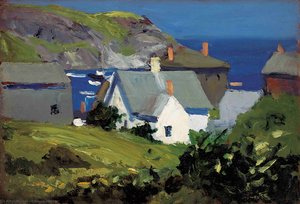
Edward Hopper: mestre do realismo americano, captura solidão e vida urbana com luzes e sombras evocativas. Explore suas obras icônicas como Nighthawks e Monhegan Houses.
A obra de arte exibida nesta página é protegida por leis de direitos autorais, o que significa que não podemos criar ou vender legalmente uma reprodução idêntica. Esta proteção é aplicada por meio de acordos internacionais, tais como a Convenção de Berna e pelas leis nacionais, incluindo as estabelecidas por Lei de Direitos Autorais dos EUA - Título 17.
Este método cumpre plenamente as regulamentações de direitos autorais, pois não envolve a cópia ou duplicação da obra protegida. Em vez disso, trata-se de uma reinterpretação criativa — uma nova pintura que é influenciada pela original, mas não idêntica a ela.
Giclée / Impressão de Arte
Impressão giclée ou em tela de qualidade de museu, com produção rápida e opções flexíveis de acabamento. ( Comprar pintura feita à mão Alternar para Imagem Digital)




P118B €10

P118H €10

P118W €10

P438Z €10

P508JH €12

P508YH €12

P805H €10

P805Z €10

P919BZ €10

P919G €10

P919XJ €10

P959ZH €10

P968JZ €12

W106C €8

W218G €10

W218JH €8

W218Y €10

W307PJ €10

W316G €10

W316PJ €8

W316Y €10

W398PJ €8

W4111J €10

W500HY €15

W500JH €15

W692G €12

W849H €8

W940BG €15

W953PJ €8




Tamanho padrão
personalizado
CM
INCH
Escolha entre os nossos tamanhos pré-definidos que respeitam as proporções originais da obra de arte.
Loading sizes...

largura
altura
Insira a largura e a altura desejadas para se ajustarem à sua moldura ou parede. Uma impressão pode ser apenas cortada, nunca ampliada além da imagem original; portanto, um tamanho com proporções diferentes resultará na perda de parte da imagem. Enviamos uma maquete digital para sua aprovação antes de realizarmos a impressão. A imagem exibida nesta página não mostra o corte real — apenas a maquete o faz.
Entrega mundial () em 2 semanas, em vez das 4/5 semanas padrão. (2 Novembro)

Envio expresso gratuito para todo o mundo

Tela de Linho de Alta Qualidade

Seguro de transporte completo

Garantia de Reembolso de Impostos Alfandegários

Garantia de Fidelidade Cromática

Política de Devolução em 100 Dias (Apenas para Defeitos)

Garantia de reembolso de 100%

Oferta de desconto por quantidade
 A opção de vidro está disponível apenas para tamanhos inferiores a 110 cm

Freight Car at Truro
Giclée / Impressão de Arte
Tamanho da Reprodução
-


Preço Total
€ 61
A Symphony of Solitude: The Quiet Power of Freight Car at Truro
In the vast, sweeping landscape of American art, few images capture the heavy, cinematic silence of a moment quite like Edward Hopper’s Freight Car at Trurol. Painted in 1931, this masterpiece serves as more than just a depiction of a railway car resting on its tracks; it is a distilled essence of the American experience during the Great Depression. As the viewer's eye meets the stark, vibrant red of the train car, they are immediately transported to a rural New England setting, where the afternoon light feels diffused and heavy with memory. There is a profound stillness here, a sense that the world has paused to catch its breath, leaving us to contemplate the beauty found in isolation.
Hopper, a master of Social Realism, eschewed the idealized, romanticized landscapes of his predecessors. Instead, he turned his gaze toward the unvarnished truth of everyday life, imbuing even the most mundane subjects with deep psychological resonance. In this work, the composition is deceptively simple: a solitary freight car set against a backdrop of distant, rolling hills. Yet, within this simplicity lies a complex emotional architecture. The warmth radiating from the reds and oranges of the train creates a striking visual tension against the cool, receding blues and greens of the countryside, amplifying the sense of a singular object—and perhaps a singular soul—standing apart from the world.
Technique and the Architecture of Light
The emotional impact of this painting is inseparable from Hopper’s meticulous technical execution. He employed a sophisticated layering technique, using thin washes of oil paint to build up tonal gradations that capture the subtle, fleeting nuances of light and shadow. This painstaking approach allows the light to appear as if it is not merely hitting the surface of the canvas, but emerging from within it. The way the light grazes the metallic edges of the car and settles into the shadows of the tracks creates a tactile realism that draws the collector closer to the scene.
For the interior designer or art enthusiast, this painting offers a unique versatility. Its balanced color palette—anchored by bold primary tones but softened by earthy, natural hues—allows it to serve as a commanding focal point in a variety of settings. Whether placed in a modern, minimalist gallery space or a more traditional, cozy study, the work brings with it an atmosphere of quiet contemplation and sophisticated gravity. It does not demand attention through noise, but rather through a steady, enduring presence.
Historical Resonance and Emotional Depth
To look upon Freight Car at Truro is to witness the visual language of an era marked by economic hardship and social anxiety. Created during a period of profound displacement in American society, the painting speaks to the pervasive feeling of disconnection that characterized the early 1930s. Hopper deliberately avoids a clear narrative; there are no figures engaged in conversation, no obvious movement toward a destination. This ambiguity is intentional, inviting each viewer to project their own stories of longing and solitude onto the canvas.
The painting functions as a mirror for the human condition, exploring themes of loneliness not as a tragedy, but as a fundamental state of being. It captures that specific, electric tension found in the pauses between life's major events. For those seeking to bring a piece of art history into their homes, this reproduction offers more than just aesthetic beauty; it offers a window into the soul of 20th-century America, providing a permanent sense of peace and profound reflection within any living space.
Perguntas e Respostas
Qual é a atmosfera de "Freight Car at Truro"?
"Freight Car at Truro", de Edward Hopper é descrito como tendo um clima Calm. Esta classificação pode ajudar a combinar a obra com um ambiente.
Para qual ambiente "Freight Car at Truro", de Edward Hopper é recomendado, considerando as suas cores?
Com sua paleta Neutrals, "Freight Car at Truro", de Edward Hopper é recomendado para um Living Room. As cores são parte do motivo desta sugestão.
A que fase da trajetória de Edward Hopper "Freight Car at Truro" pertence?
"Freight Car at Truro" pertence ao Mature Period da carreira de Edward Hopper. Esta classificação relaciona a obra ao desenvolvimento do artista.
Obras Relacionadas


Biografia do Artista
A Solitude Observed: The Life and Art of Edward Hopper
Edward Hopper, um nome inextricavelmente ligado à quietude e à melancolia sutil que permeavam a vida americana do século XX, não foi simplesmente um pintor de cenas; ele foi um poeta da luz e das sombras, um cronista da solidão moderna. Nascido em Nyack, Nova York, em 1882, filho de pais de origem holandesa de classe média, os primeiros anos de Hopper foram marcados por uma criação estável que nutria suas inclinações artísticas. Desde esboços infantis meticulosamente datados e assinados, tornou-se evidente que a observação aguçada e o talento inato para o desenho eram centrais em sua essência. Embora inicialmente encorajado a seguir uma carreira como ilustrador comercial – uma sugestão pragmática de seus pais –, as ambições de Hopper se inclinavam à arte fina, levando-o à New York School of Art, onde estudou sob William Merritt Chase e Robert Henri. Esses anos formativos não apenas lhe transmitiram habilidade técnica, mas também um apreço pelo realismo e um compromisso em retratar o mundo como ele o via – sem adornos e honesto. As escritas de Ralph Waldo Emerson ressoaram profundamente com Hopper, reforçando seu senso de individualismo e observação aguda – qualidades que se tornariam marcas registradas de sua visão artística. Viagens iniciais a Paris expuseram Hopper ao Impressionismo, mas ele rapidamente divergiu de suas pinceladas fugazes, forjando um caminho singularmente seu.Encontrando Sua Voz: Realismo e a Cena Americana
A jornada artística de Hopper não foi imediata nem fácil. Ele lutou para descobrir sua voz distinta, experimentando com vários estilos antes de se estabelecer no realismo que definiria sua carreira. Isso não era mera reprodução da realidade; era uma destilação de sua essência, removendo detalhes desnecessários para revelar verdades emocionais subjacentes. Seus quadros começaram a se concentrar em cenas cotidianas – casas, lanchonetes, escritórios, quartos de hotel – imbuídas de um senso de quietude e, frequentemente, solidão. Ele possuía uma capacidade extraordinária de capturar os estados psicológicos de seus sujeitos, insinuando narrativas sem declará-las explicitamente. A renderização precisa da luz e das sombras tornou-se crucial, não apenas como elementos descritivos, mas como pistas emocionais, criando atmosferas que eram ao mesmo tempo cativantes e perturbadoras. *House by the Railroad* (1925), uma obra-prima precoce, exemplifica essa abordagem – uma composição aparentemente simples irradiando um profundo senso de isolamento e mistério. A influência de Robert Henri, um dos seus professores, foi fundamental para Hopper, encorajando-o a usar as suas artes para “fazer um movimento no mundo”. Os estudantes de Henri, muitos dos quais desenvolveram-se artistas importantes, tornaram-se conhecidos como Escola Ashcan de arte norte-americana.Visões Icônicas: Nighthawks e Além
Embora a carreira de Hopper tenha se desenvolvido gradualmente, certos quadros catapultaram-no para o reconhecimento generalizado. *Nighthawks* (1942), possivelmente sua obra mais famosa, tornou-se um ícone da cultura americana instantaneamente. A cena noturna do restaurante, banhada em luz fluorescente forte, encapsula perfeitamente a alienação e a anonimidade da vida urbana moderna. As figuras dentro estão perdidas em seus próprios pensamentos, desconectadas umas das outras apesar de sua proximidade – um comentário pungente sobre a condição humana. *Gas* (1940), com sua representação marcante de uma posto de gasolina, demonstra a fascinação de Hopper por paisagens americanas e pela cultura automobilística emergente. Outras obras notáveis como *Automat*, *Office in a Small City* e *Summertime* oferecem cada uma insights únicos sobre as complexidades da sociedade americana do século XX. Esses quadros não eram meras representações de lugares; eles eram explorações de humor, psicologia e os dramas sutis que se desenrolavam em ambientes cotidianos. Sua esposa, Josephine Nivison Hopper, desempenhou um papel vital não apenas como sua companheira de vida, mas também como modelo frequente, contribuindo significativamente para a caracterização de suas figuras femininas.Temas e Legado: Uma Influência Duradoura
Vários temas recorrentes permeiam a obra de Hopper. A solidão urbana é talvez o mais proeminente – o senso de isolamento experimentado por indivíduos mesmo em meio à multidão. Ele explorou a paisagem americana, tanto rural quanto urbana, frequentemente enfatizando sua severidade e vazio. Sua obra investiga o realismo psicológico, sondando as vidas interiores de seus sujeitos com uma sensibilidade que transcende a mera representação. Há também um pressentimento de nostalgia por um passado mais simples, contraposto à consciência das complexidades e ansiedades da vida moderna. Hopper não foi apenas um pintor; ele foi um filósofo visual, oferecendo insights profundos sobre a condição humana através de seu domínio único da luz, sombra e composição. Sua capacidade de capturar a essência da vida americana com honestidade, sensibilidade e um estilo artístico distinto garante seu lugar como um dos artistas mais importantes do século XX.- Sua herança não reside apenas na beleza de seus quadros, mas também em sua capacidade duradoura de provocar o pensamento, evocar emoções e nos lembrar da solidão silenciosa que muitas vezes define nossas vidas.
- A obra de Hopper continua a cativar públicos porque fala sobre temas universais de solidão, isolamento e a busca por significado em um mundo em rápida mudança.
- Seus quadros tornaram-se representações icônicas da cultura americana, frequentemente usados para simbolizar as ansiedades e aspirações do século XX – e além.
- A estética de Hopper influenciou artistas subsequentes, incluindo Pierre Sanford Ross, e continua a ressoar com artistas contemporâneos que buscam capturar a essência da experiência humana.

Edward Hopper
1931 - 1967 , Estados Unidos da América
Dados Rápidos
- Artistic Movement Or Style: Realismo
- Artists Or Movements Influenced By This Artist: ['Ross']
- Artists Who Influenced This Artist:
- Chase
- Henri
- Date Of Birth: 22 de julho de 1882
- Date Of Death: 15 de maio de 1967
- Full Name: Edward Hopper
- Nationality: Americano
- Notable Artworks:
- Nighthawks
- House
- Gas
- Place Of Birth: Nyack, EUA
Artigos Relacionados

John Constable: As 25 Obras-Primas que Definem o Mestre da Paisagem Inglesa | TopImpressionists
Descubra as 25 obras-primas de John Constable, o mestre da paisagem inglesa! Explore a arte romântica, cores vibrantes e histórias fascinantes por trás de 'Hay Wain' e outras pinturas icônicas. Encontre reproduções de alta qualidade para decorar sua casa com TopImpressionists.com.

Realismo Contemporâneo: 10 Obras-Primas que Moldaram a Arte Moderna | TopImpressionists
Descubra as 10 obras-primas do Realismo Contemporâneo que revolucionaram a arte moderna! Explore a história, técnica e emoção por trás de artistas como Lucian Freud e Gerhard Richter. Encontre reproduções de alta qualidade em TopImpressionists.com.

Edward Hopper: As 25 Obras-Primas que Definem a Alma Americana | TopImpressionists
Descubra as 25 obras-primas de Edward Hopper, o mestre do realismo americano. Explore a atmosfera melancólica, luz e sombra em quadros icônicos como 'Nighthawks'. Encontre reproduções de arte exclusivas para decorar sua casa com TopImpressionists.com.

Cultivating Visions: A Historical Journey Through Rural Landscapes in Art
Explore the rich history of rural landscape painting with TopImpressionists. Discover Impressionist masterpieces, key artists & movements. Find your perfect serene artwork and bring nature's beauty home.

Realismo Americano: 10 Obras-Primas que Moldaram a Arte e Decoram o Lar
Descubra as 10 obras-primas do Realismo Americano! Explore a história de Hopper, Homer e Cassatt. Encontre reproduções de arte com qualidade museológica para decorar sua casa. Inspire-se em cores vibrantes e atmosferas únicas. Explore a coleção completa na TopImpressionists.com.
Explore obras de arte organizadas por temas, estilos e características.