


 Visualizar em escala
 Enviar
 Compartilhar
 Ver detalhes
 Guia de Obras do Aluno

 Baixar imagem
 Semelhantes
 Raio X
 Apresentação de slides
 Estatísticas
Sunflower


A melancholic study of decay and fragility, Egon Schieles 1909 Expressionist Sunflower captures a hauntingly beautiful floral portrait that invites you to explore the profound depths of this timeless masterpiece.
 Ver mais
Explore a arte expressionista intensa de Egon Schiele (1890-1918): retratos marcantes, temas psicológicos e linhas únicas. Descubra reproduções exclusivas!
Reprodução em Óleo Feita à Mão
Óleo sobre tela pintado à mão no tamanho e moldura de sua escolha, feito sob encomenda pelos nossos artistas. ( Alternar para Impressão Ver Imagem Digital)




P118B €10

P118H €10

P118W €10

P438Z €10

P508JH €12

P508YH €12

P805H €10

P805Z €10

P919BZ €10

P919G €10

P919XJ €10

P959ZH €10

P968JZ €12

W106C €8

W218G €10

W218JH €8

W218Y €10

W307PJ €10

W316G €10

W316PJ €8

W316Y €10

W398PJ €8

W4111J €10

W500HY €15

W500JH €15

W692G €12

W849H €8

W940BG €15

W953PJ €8




Padrão
sob medida
CM
INCH
Escolha entre os nossos tamanhos pré-definidos que respeitam as proporções originais da obra de arte.
Loading sizes...

largura
altura
Type the width and the height you need, to fit your frame or your wall. This is hand-painted, so for a size with a different shape the artist can paint a bit more around the picture, or cut a bit — you choose. We send you a digital mockup to approve before the painting starts. The picture shown on this page does not show the real result — only the mockup does.
Exemplos do que pode ser personalizado: Substituir o rosto pela foto do cliente; Adicionar um animal de estimação (ex: substituir gato por cão); Incluir uma mensagem oculta no fundo; Alterar a paisagem ou elementos do fundo.
Após o pedido, a equipa TopImpressionists.com enviará um e-mail ao cliente para solicitar instruções e fornecer uma prévia do esboço.
Após o pedido, a equipa TopImpressionists.com enviará um e-mail ao cliente para solicitar instruções e fornecer uma prévia do esboço.
Entrega mundial () em 3 a 4 semanas, em vez das 5 semanas padrão. (14 Outubro). Sem comprometer a qualidade.

Envio expresso gratuito para todo o mundo

Tela de Linho Premium

Seguro de transporte total

Garantia de Reembolso de Impostos Alfandegários

Garantia de Fidelidade de Cor

Política de Devolução em 100 Dias (Apenas para Defeitos)

Garantia de reembolso de 100%

Desconto para múltiplas unidades
 A opção de vidro está disponível apenas para tamanhos inferiores a 110 cm

Sunflower
Técnica de Reprodução
Dimensões da Reprodução
-


Preço Total
€ 233
A Silent Bloom Amidst Darkness: The Haunting Beauty of Schiele’s Sunflower
In the vast landscape of early 20th-century art, few images possess the quiet, unsettling magnetism of Egon Schiele’s Sunflower. Created in 1909, this work transcends the traditional boundaries of botanical illustration to offer a profound psychological portrait. While many are familiar with the vibrant, sun-drenched ecstasy of Van Gogh’s sunflowers, Schiele presents us with something entirely different: a specimen that feels as much like a living soul as it does a flower. The painting captures a sense of fragile existence, where the sunflower stands not in triumph, but in a state of delicate, melancholic transition. It is a piece that invites the viewer into a world of introspection, making it an extraordinary choice for those who appreciate art that speaks to the deeper, more complex layers of the human condition.
The composition is defined by its striking, elongated format, which creates a sense of vertical tension and isolation. Schiele utilizes a stark, minimalist background that strips away all environmental context, forcing our gaze to confront the subject in its rawest form. The sunflower itself is depicted with an angularity and a certain skeletal grace characteristic of the Expressionist movement. We see a heavy, dark center—a void-like heart that seems to pull at the viewer’s attention—surrounded by petals that appear to be fading or perhaps even decaying. This deliberate focus on the ephemeral nature of life serves as a poignant metaphor for Schiele's own preoccupations with mortality and the fleeting beauty found within vulnerability.
Technique, Texture, and the Expressionist Spirit
Executed in oil on canvas, the technical mastery of this piece lies in its ability to balance intricate detail with raw, emotive energy. Schiele’s brushwork is deliberate and textured, creating a surface that feels palpable and alive. There is a rhythmic quality to the way he applies paint, using layered strokes to build a sense of weight in the flower's head while maintaining a delicate lightness in the surrounding smaller blooms. The color palette is a sophisticated study in contrasts; rich, vibrant yellows are tempered by earthy, autumnal tones and deep, shadowy hues. This interplay of light and dark does more than just create depth—it establishes a mood of "silent darkness," as if the flower is emerging from, or perhaps receding into, an internal psychological landscape.
For the discerning collector or interior designer, this painting offers a unique opportunity to introduce a focal point that is both intellectually stimulating and aesthetically profound. The way the light catches the textured oil pigments makes the piece dynamic, changing character depending on the lighting of the room. It possesses a timeless quality that complements both modern minimalist spaces and more traditional, classical settings. To possess a high-quality reproduction of this work is to bring a piece of art history into one's home—a piece that does not merely decorate a wall but serves as a window into the turbulent, beautiful spirit of the Austrian Expressionist era.
Ultimately, Schiele’s Sunflower is an invitation to contemplate the beauty found in imperfection and the strength found in fragility. It is a masterpiece of emotional resonance, capturing that precise moment where life meets its inevitable decline, yet doing so with such exquisite artistry that the viewer cannot help but be moved. Whether viewed as a study in color, a triumph of technique, or a profound philosophical statement, it remains an enduring icon of modern art.
Perguntas e Respostas
Que tema e atmosfera combinam em "Sunflower" de Egon Schiele?
"Sunflower" de Egon Schiele retrata sunflower, floral arrangement, botanical painting, austrian art, symbolism, organic form, texture detail, em uma atmosfera Dramatic. O tema e a ambientação descrevem, juntos, a obra.
Quem criou "Sunflower" e em que ano?
Egon Schiele criou "Sunflower" em 1909.
Está disponível um download para "Sunflower"?
A imagem de "Sunflower" de Egon Schiele pode ser baixada na página de Baixar da obra: download de imagem digital em alta resolução.
Biografia do Artista
A Life Forged in Expression
Egon Schiele, nascido em Tulln an der Donau, na Áustria, em 1890, foi um pintor austríaco cuja vida e obra são marcadas por uma intensidade emocional e uma busca implacável pela verdade. Sua trajetória foi permeada por perdas trágicas, desafios pessoais e uma visão artística que desafiou as convenções de sua época. Desde cedo, Schiele demonstrou uma sensibilidade aguçada e um fascínio pelo mundo ao seu redor, especialmente pelos trens – um tema recorrente em suas pinturas, simbolizando a efemeridade da vida e o desejo de movimento. Sua infância, no entanto, foi marcada pela doença e pela morte do pai, Adolf Schiele, vítima de sífilis quando Egon tinha apenas 14 anos. A perda da irmã Elvira também deixou uma cicatriz profunda em sua psique, influenciando a temática central de suas obras: a mortalidade e a fragilidade da existência humana. Criado inicialmente por sua mãe e posteriormente sob a tutela do tio Leopold Czihaczek, Schiele desenvolveu um espírito independente e uma determinação férrea em seguir seu próprio caminho artístico.The Crucible of Vienna: Artistic Development
Schiele iniciou seus estudos formais na Kunstgewerbeschule (Escola de Artes e Ofícios) em Viena, mas logo se sentiu sufocado por sua abordagem conservadora. Transferiu-se para a Akademie der bildenden Künste (Academia de Belas Artes), apenas para se decepcionar ainda mais com as rígidas tradições acadêmicas. Desiludido com o sistema formal, Schiele optou por trilhar seu próprio caminho, uma demonstração de sua convicção artística inabalável. A influência de Gustav Klimt foi fundamental em seus primeiros anos; admirava o estilo decorativo e a exploração simbólica do mestre vienense, recebendo até mesmo orientação dele. No entanto, Schiele logo se distanciou da estética de Klimt, desenvolvendo uma voz singular caracterizada pela honestidade crua e pela intensidade psicológica. Co-fundou o Neues Wiener Kunstgruppe (Novo Grupo de Arte Vienense) em 1909, juntando-se a outros artistas progressistas que desafiavam as normas artísticas predominantes. Suas primeiras obras, frequentemente retratos perturbadores e autorretratos, emergiram como declarações poderosas de angústia emocional, apresentando figuras distorcidas e uma sensação palpável de vulnerabilidade. Essas pinturas não eram meras representações físicas, mas sim explorações do mundo interior – as ansiedades, desejos e medos que assombravam a psique humana. Ele buscava representar não o que *via*, mas o que *sentia*.Raw Emotion and Unflinching Truth
A arte de Egon Schiele é imediatamente reconhecível por sua honestidade crua e profundidade psicológica. Confrontou sem hesitação temas frequentemente considerados tabu – sexualidade, morte, ansiedade, isolamento – com um olhar direto e implacável. Seu estilo distintivo apresenta figuras alongadas, poses contorcidas e linhas expressivas que transmitem uma sensação de inquietação e intensidade emocional. A figura humana, particularmente o nua, tornou-se seu principal assunto, não como um objeto de beleza idealizada, mas como um veículo para explorar as complexidades da experiência humana. Os autorretratos constituem uma parte significativa de sua obra, oferecendo vislumbres íntimos de seu mundo interior – um mundo frequentemente marcado pela solidão e pela autossabotagem. Ele não se esquivou de retratar a si mesmo em poses desfavoráveis ou vulneráveis, revelando um nível profundo de autoconsciência e introspecção. Além dos autorretratos, Schiele criou inúmeros retratos de outros indivíduos, capturando seus semblantes com um realismo inquietante que parecia penetrar abaixo da superfície. Seus paisagens, embora menos centrais em sua obra do que seus retratos, demonstram seu domínio da forma e da cor, frequentemente refletindo a mesma intensidade emocional de seus retratos. O uso da linha é particularmente notável na arte de Schiele; não é meramente uma ferramenta para definir a forma, mas uma força expressiva que transmite emoção e tensão psicológica.Key Themes and Legacy
As obras de Egon Schiele são caracterizadas por uma série de temas recorrentes que refletem sua visão pessimista da vida e da morte. A mortalidade é um tema central, frequentemente representada através de símbolos como o *Physalis* (uma planta com um caroço seco que simboliza a transitoriedade da vida), a decomposição e a fragilidade do corpo humano. A sexualidade também desempenha um papel importante em sua obra, explorada de forma crua e honesta, muitas vezes com uma intensidade erótica e perturbadora. O isolamento e a solidão são temas constantes, refletidos na imagem solitária dos seus personagens e na atmosfera melancólica de suas paisagens. Apesar de enfrentar censura e desafios legais – incluindo um breve encarceramento por supostamente corromper menores com sua arte – Schiele ganhou reconhecimento dentro dos círculos vanguardistas de Viena. Sua obra desafiou as convenções da época, provocando admiração e indignação. No momento de sua trágica morte durante a pandemia da gripe espanhola em 1918, aos 28 anos, havia estabelecido-se como uma figura proeminente do Expressionismo austríaco. Suas obras, incluindo *Self-Portrait with Physalis*, *Couple Embracing* e *Field Landscape (Kreuzberg near Krumau)*, são consideradas testemunhos de seu talento artístico. Sua influência em gerações posteriores de artistas é inegável, especialmente aqueles interessados em explorar temas psicológicos e desafiar as normas artísticas convencionais. A arte de Schiele continua a ressoar com o público hoje, tornando-o um dos artistas mais importantes e influentes do início do século XX. Suas pinturas são agora exibidas em importantes museus ao redor do mundo, incluindo o Leopold Museum em Viena e o Egon Schiele Art Centrum em Český Krumlov, garantindo que seu legado artístico perdure. Ele deixou para trás um corpo de trabalho que não é apenas esteticamente atraente, mas profundamente humano – um testemunho do poder da arte para confrontar as complexidades da existência com honestidade, coragem e visão inabalável.- Temas Chave: Mortalidade, sexualidade, isolamento, angústia psicológica.
- Influências: Gustav Klimt, Secessione Vienense, trauma pessoal.
- Características do Estilo: Figuras alongadas, poses contorcidas, linhas expressivas, emoção crua.

Egon Schiele
1890 - 1918 , Croatia
Informações Rápidas
- Full Name: Egon Schiele
- Nationality: Austrian
- Date Of Birth: 1890
- Date Of Death: 1918
- Place Of Birth: Vienna, Croatia
- Notable Artworks:
- Self-Portrait with Physalis
- Couple Embracing
- Field Landscape (Kreuzberg)
- Artistic Movement Or Style: Expressionism
- Artists Who Influenced This Artist: ['Gustav Klimt']
- Artists Or Movements Influenced By This Artist: ['Expressionism']
Artigos Relacionados

Os 25 Tesouros do Kunsthistorisches Museum: Arte, História e Decoração em Viena
Descubra os 25 tesouros do Kunsthistorisches Museum em Viena! Explore a história de Raphael, Rembrandt, Vermeer e outras obras-primas. Encontre reproduções de arte exclusivas para decorar sua casa com elegância. Explore a coleção completa na TopImpressionists.com.

Art Nouveau: 10 Obras-Primas que Definiram um Movimento Atemporal | TopImpressionists
Descubra as 10 obras-primas que moldaram a Art Nouveau! Explore a beleza floral de Mucha, o simbolismo de Klimt e a inovação de Gaudí. Encontre reproduções de arte exclusivas e inspire sua decoração em TopImpressionists.com.

Expressionismo em Cores: 10 Obras-Primas que Definiram um Movimento Artístico
Descubra as 10 obras-primas do Expressionismo! Explore a emoção e intensidade de Munch, Kirchner, Kandinsky e outros artistas icônicos. Reproduções de arte exclusivas para decorar sua casa com paixão e história em TopImpressionists.com.
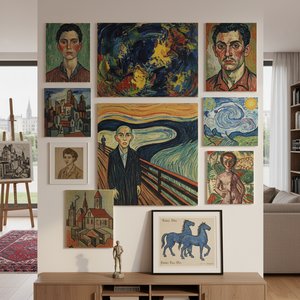
Expressionismo: 10 Obras-Primas que Moldaram a Arte Moderna | TopImpressionists
Descubra as 10 obras-primas do Expressionismo que revolucionaram a arte moderna! Explore a emoção, cores vibrantes e histórias de Munch, Kirchner, Kandinsky e outros artistas icônicos. Encontre reproduções de alta qualidade em TopImpressionists.com.

Egon Schiele: As 25 Obras-Primas que Definem um Gênio Expressionista | TopImpressionists
Descubra as 25 obras-primas de Egon Schiele, o mestre expressionista austríaco. Explore a vida, técnica e simbolismo por trás de seus retratos icônicos e nus impactantes. Encontre reproduções de arte exclusivas para decorar sua casa com emoção e estilo em TopImpressionists.com
Explore obras de arte organizadas por temas, estilos e características.


