

 Visualizar em escala
 Enviar
 Compartilhar
 Ver detalhes
 Guia de Obras do Aluno

 Baixar imagem
 Semelhantes
 Raio X
 Apresentação de slides
 Estatísticas
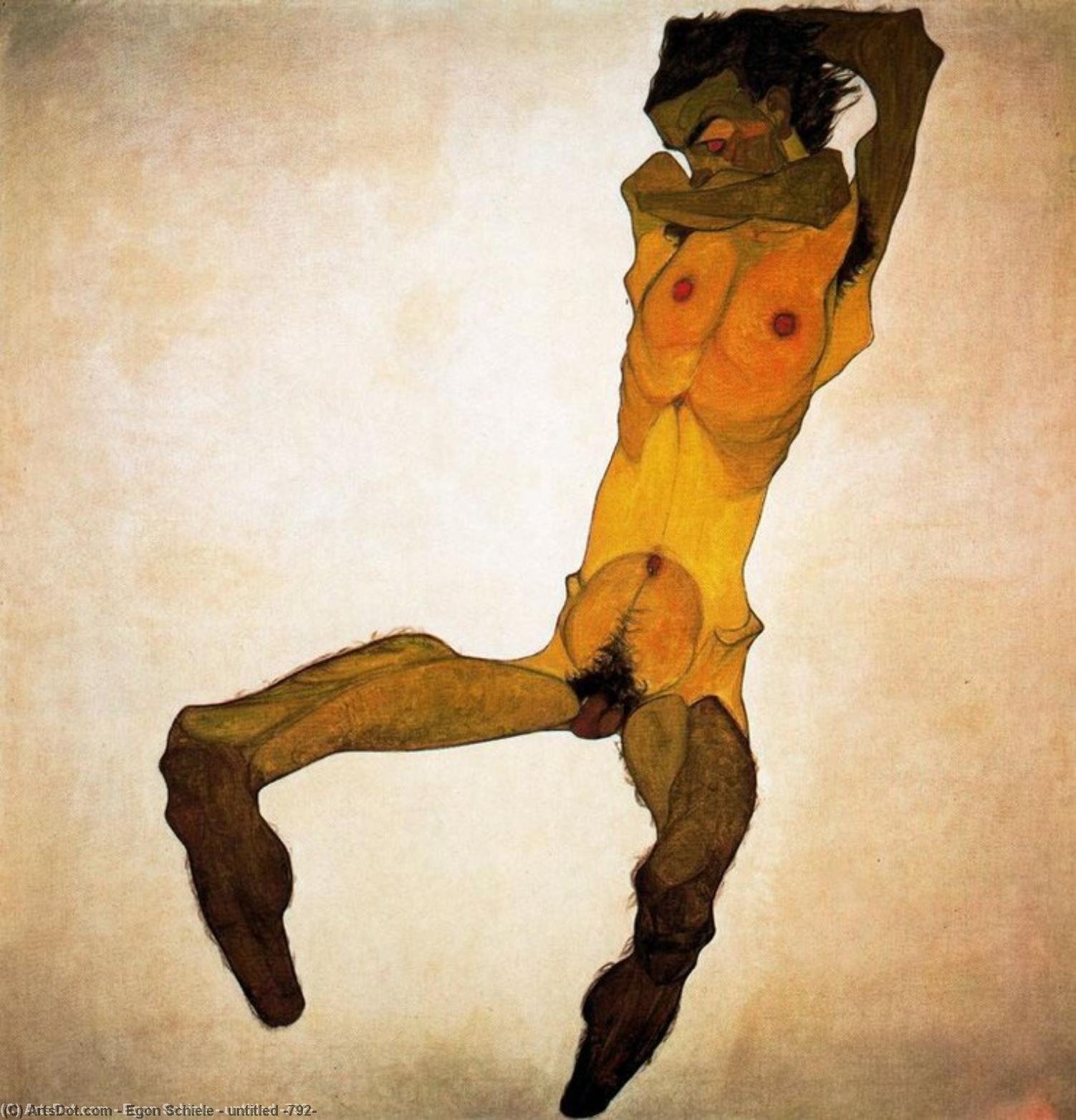
Título Traduzido: Untitled (792)

Descrição Meta Traduzida: Uma obra-prima expressionista de Egon Schiele que captura emoções cruas e formas humanas ousadas com linhas marcantes e uma paleta de cores impactante. Explore reproduções exclusivas!
 Ver mais
Explore a arte expressionista intensa de Egon Schiele (1890-1918): retratos marcantes, temas psicológicos e linhas únicas. Descubra reproduções exclusivas!
Giclée / Impressão de Arte
Impressão giclée ou em tela de qualidade de museu, com produção rápida e opções flexíveis de acabamento. ( Encomendar reprodução pintada à mão Ver Imagem Digital)




P118B $10

P118H $10

P118W $10

P438Z $10

P508JH $12

P508YH $12

P805H $10

P805Z $10

P919BZ $10

P919G $10

P919XJ $10

P959ZH $10

P968JZ $12

W106C $8

W218G $10

W218JH $8

W218Y $10

W307PJ $10

W316G $10

W316PJ $8

W316Y $10

W398PJ $8

W4111J $10

W500HY $15

W500JH $15

W692G $12

W849H $8

W940BG $15

W953PJ $8




Padrão
sob medida
CM
INCH
Escolha entre os nossos tamanhos pré-definidos que respeitam as proporções originais da obra de arte.
Loading sizes...

largura
altura
Você pode inserir suas próprias dimensões para se ajustar a uma moldura ou espaço específico. Se o tamanho selecionado não corresponder às proporções da imagem original, iremos recortar a obra de arte ou estender a imagem com uma borda espelhada ou preenchimento sólido. Um mockup digital será enviado para sua aprovação antes do início da produção.
Por favor, observe que a visualização na tela não reflete o recorte ou a extensão real. Apenas o mockup mostrará com precisão a composição final.
Embora tamanhos personalizados estejam disponíveis, recomendamos selecionar uma dimensão da lista predefinida para preservar as proporções originais.
Entrega mundial () em 2 semanas, em vez das 4/5 semanas padrão. (27 Setembro)

Envio expresso gratuito para todo o mundo

Tela de Linho Premium

Seguro de transporte total

Garantia de Reembolso de Impostos Alfandegários

Garantia de Fidelidade de Cor

Política de Devolução em 100 Dias (Apenas para Defeitos)

Garantia de reembolso de 100%

Desconto para múltiplas unidades
 A opção de vidro está disponível apenas para tamanhos inferiores a 110 cm

Título Traduzido: Untitled (792)
Giclée / Impressão de Arte
Dimensões da Reprodução
-


Preço Total
$ 69
A Cry from Within: Decoding Egon Schiele’s Untitled (792)
Egon Schiele's untitled (792) is not merely a painting; it’s a visceral outpouring of emotion, a raw and unflinching exploration of the human condition rendered in swirling lines and unsettling color. The work depicts a solitary female figure, dramatically posed with arms raised – an ambiguous gesture that can be interpreted as supplication, ecstasy, or even despair. Her body, painted in a striking shade of yellow, dominates the canvas, its form both vulnerable and defiant. This isn’t a celebration of the nude in the classical sense; rather, it's a psychological portrait, a window into an interior landscape fraught with tension and longing. The presence of two figures in the background, seemingly detached observers or perhaps participants in her emotional turmoil, adds to the painting’s enigmatic quality.
The Expressionist Tempest: Style and Technique
Schiele was a pivotal figure in Austrian Expressionism, a movement that sought to convey subjective emotion and experience rather than objective reality. untitled (792) exemplifies this approach through its distorted forms, jarring color palette, and energetic brushwork. The artist eschews traditional notions of beauty and anatomical accuracy, prioritizing instead the conveyance of inner turmoil. His lines are often jagged and angular, creating a sense of unease and instability. The yellow hue enveloping the figure is particularly significant; it can be seen as representing illness, decay, or perhaps even a feverish intensity of feeling – all themes frequently explored in Schiele’s oeuvre. He wasn't interested in replicating what he *saw*, but rather translating what he *felt* onto the canvas. This painting isn’t about precise representation; it’s about emotional resonance.
A Life Etched in Art: Historical Context and Personal Turmoil
To understand Schiele’s work, one must consider the context of his tragically short life (1890-1918). Born into a world grappling with societal upheaval and personal loss – including the early death of his father to syphilis and a complex upbringing under the control of an uncle – Schiele channeled his experiences into art. His work often reflects themes of sexuality, mortality, and alienation. He was deeply influenced by Gustav Klimt, who served as a mentor, but quickly surpassed his teacher in terms of radical experimentation and emotional intensity. Schiele’s willingness to confront taboo subjects and depict the human body with such unflinching honesty led to controversy during his lifetime; he even faced obscenity charges for his work. Yet, this very boldness is what continues to captivate audiences today.
The Language of Gesture: Symbolism and Emotional Impact
The raised arms in untitled (792) are a powerful symbol open to multiple interpretations. They could represent a reaching out for salvation, a desperate plea for connection, or even an expression of liberation. The figure’s nakedness isn’t simply about physical exposure; it symbolizes vulnerability and emotional rawness. The painting doesn’t offer easy answers or comforting resolutions. Instead, it invites the viewer to confront their own anxieties and desires. It is a work that lingers in the mind long after viewing, prompting introspection and challenging conventional notions of beauty and representation. The overall effect is profoundly moving – a testament to Schiele's ability to translate the complexities of the human psyche onto canvas.
Death and the Maiden (Schiele)
Schiele’s fascination with death—a recurring motif in his artistic output—is palpable in this haunting depiction. Influenced by Renaissance iconography, particularly Raphael’s “Madonna della Scala,” Schiele reimagines the traditional subject matter with unsettling psychological depth. The woman clutches a skeletal hand, symbolizing mortality and confronting one's own vulnerability. Klimt’s influence is evident in the stylized rendering of the figures and the opulent color palette—a deliberate contrast to the stark emotional core of the piece.
Exploring Schiele's Legacy
Schiele’s uncompromising vision solidified his place as a cornerstone of Expressionism, inspiring subsequent artists and continuing to resonate with audiences worldwide. His exploration of human sexuality and psychological torment remains relevant today, prompting dialogue about artistic freedom and confronting uncomfortable truths. Reproductions of untitled (792) offer an opportunity to engage with Schiele’s groundbreaking aesthetic—a bold challenge to traditional artistic conventions that continues to provoke contemplation.
Biografia do Artista
A Life Forged in Expression
Egon Schiele, nascido em Tulln an der Donau, na Áustria, em 1890, foi um pintor austríaco cuja vida e obra são marcadas por uma intensidade emocional e uma busca implacável pela verdade. Sua trajetória foi permeada por perdas trágicas, desafios pessoais e uma visão artística que desafiou as convenções de sua época. Desde cedo, Schiele demonstrou uma sensibilidade aguçada e um fascínio pelo mundo ao seu redor, especialmente pelos trens – um tema recorrente em suas pinturas, simbolizando a efemeridade da vida e o desejo de movimento. Sua infância, no entanto, foi marcada pela doença e pela morte do pai, Adolf Schiele, vítima de sífilis quando Egon tinha apenas 14 anos. A perda da irmã Elvira também deixou uma cicatriz profunda em sua psique, influenciando a temática central de suas obras: a mortalidade e a fragilidade da existência humana. Criado inicialmente por sua mãe e posteriormente sob a tutela do tio Leopold Czihaczek, Schiele desenvolveu um espírito independente e uma determinação férrea em seguir seu próprio caminho artístico.The Crucible of Vienna: Artistic Development
Schiele iniciou seus estudos formais na Kunstgewerbeschule (Escola de Artes e Ofícios) em Viena, mas logo se sentiu sufocado por sua abordagem conservadora. Transferiu-se para a Akademie der bildenden Künste (Academia de Belas Artes), apenas para se decepcionar ainda mais com as rígidas tradições acadêmicas. Desiludido com o sistema formal, Schiele optou por trilhar seu próprio caminho, uma demonstração de sua convicção artística inabalável. A influência de Gustav Klimt foi fundamental em seus primeiros anos; admirava o estilo decorativo e a exploração simbólica do mestre vienense, recebendo até mesmo orientação dele. No entanto, Schiele logo se distanciou da estética de Klimt, desenvolvendo uma voz singular caracterizada pela honestidade crua e pela intensidade psicológica. Co-fundou o Neues Wiener Kunstgruppe (Novo Grupo de Arte Vienense) em 1909, juntando-se a outros artistas progressistas que desafiavam as normas artísticas predominantes. Suas primeiras obras, frequentemente retratos perturbadores e autorretratos, emergiram como declarações poderosas de angústia emocional, apresentando figuras distorcidas e uma sensação palpável de vulnerabilidade. Essas pinturas não eram meras representações físicas, mas sim explorações do mundo interior – as ansiedades, desejos e medos que assombravam a psique humana. Ele buscava representar não o que *via*, mas o que *sentia*.Raw Emotion and Unflinching Truth
A arte de Egon Schiele é imediatamente reconhecível por sua honestidade crua e profundidade psicológica. Confrontou sem hesitação temas frequentemente considerados tabu – sexualidade, morte, ansiedade, isolamento – com um olhar direto e implacável. Seu estilo distintivo apresenta figuras alongadas, poses contorcidas e linhas expressivas que transmitem uma sensação de inquietação e intensidade emocional. A figura humana, particularmente o nua, tornou-se seu principal assunto, não como um objeto de beleza idealizada, mas como um veículo para explorar as complexidades da experiência humana. Os autorretratos constituem uma parte significativa de sua obra, oferecendo vislumbres íntimos de seu mundo interior – um mundo frequentemente marcado pela solidão e pela autossabotagem. Ele não se esquivou de retratar a si mesmo em poses desfavoráveis ou vulneráveis, revelando um nível profundo de autoconsciência e introspecção. Além dos autorretratos, Schiele criou inúmeros retratos de outros indivíduos, capturando seus semblantes com um realismo inquietante que parecia penetrar abaixo da superfície. Seus paisagens, embora menos centrais em sua obra do que seus retratos, demonstram seu domínio da forma e da cor, frequentemente refletindo a mesma intensidade emocional de seus retratos. O uso da linha é particularmente notável na arte de Schiele; não é meramente uma ferramenta para definir a forma, mas uma força expressiva que transmite emoção e tensão psicológica.Key Themes and Legacy
As obras de Egon Schiele são caracterizadas por uma série de temas recorrentes que refletem sua visão pessimista da vida e da morte. A mortalidade é um tema central, frequentemente representada através de símbolos como o *Physalis* (uma planta com um caroço seco que simboliza a transitoriedade da vida), a decomposição e a fragilidade do corpo humano. A sexualidade também desempenha um papel importante em sua obra, explorada de forma crua e honesta, muitas vezes com uma intensidade erótica e perturbadora. O isolamento e a solidão são temas constantes, refletidos na imagem solitária dos seus personagens e na atmosfera melancólica de suas paisagens. Apesar de enfrentar censura e desafios legais – incluindo um breve encarceramento por supostamente corromper menores com sua arte – Schiele ganhou reconhecimento dentro dos círculos vanguardistas de Viena. Sua obra desafiou as convenções da época, provocando admiração e indignação. No momento de sua trágica morte durante a pandemia da gripe espanhola em 1918, aos 28 anos, havia estabelecido-se como uma figura proeminente do Expressionismo austríaco. Suas obras, incluindo *Self-Portrait with Physalis*, *Couple Embracing* e *Field Landscape (Kreuzberg near Krumau)*, são consideradas testemunhos de seu talento artístico. Sua influência em gerações posteriores de artistas é inegável, especialmente aqueles interessados em explorar temas psicológicos e desafiar as normas artísticas convencionais. A arte de Schiele continua a ressoar com o público hoje, tornando-o um dos artistas mais importantes e influentes do início do século XX. Suas pinturas são agora exibidas em importantes museus ao redor do mundo, incluindo o Leopold Museum em Viena e o Egon Schiele Art Centrum em Český Krumlov, garantindo que seu legado artístico perdure. Ele deixou para trás um corpo de trabalho que não é apenas esteticamente atraente, mas profundamente humano – um testemunho do poder da arte para confrontar as complexidades da existência com honestidade, coragem e visão inabalável.- Temas Chave: Mortalidade, sexualidade, isolamento, angústia psicológica.
- Influências: Gustav Klimt, Secessione Vienense, trauma pessoal.
- Características do Estilo: Figuras alongadas, poses contorcidas, linhas expressivas, emoção crua.

Egon Schiele
1890 - 1918 , Áustria
Informações Rápidas
- Artistic Movement Or Style: Expressionismo
- Artists Or Movements Influenced By This Artist: ['Viennese Secession']
- Artists Who Influenced This Artist: ['Gustav Klimt']
- Date Of Birth: 1890
- Full Name: Egon Schiele
- Nationality: Austríaco
- Notable Artworks:
- Autorretratos nus
- Retratos
- Paisagens
- Place Of Birth: Tulln, Áustria
Artigos Relacionados

Egon Schiele: As 25 Obras-Primas que Definem um Gênio Expressionista | TopImpressionists
Descubra as 25 obras-primas de Egon Schiele, o mestre expressionista austríaco. Explore a vida, técnica e simbolismo por trás de seus retratos icônicos e nus impactantes. Encontre reproduções de arte exclusivas para decorar sua casa com emoção e estilo em TopImpressionists.com

Expressionismo em Cores: 10 Obras-Primas que Definiram um Movimento Artístico
Descubra as 10 obras-primas do Expressionismo! Explore a emoção e intensidade de Munch, Kirchner, Kandinsky e outros artistas icônicos. Reproduções de arte exclusivas para decorar sua casa com paixão e história em TopImpressionists.com.
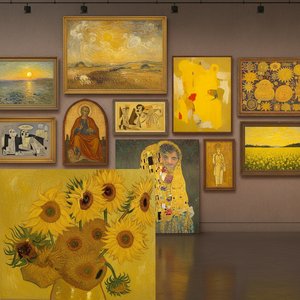
As 10 Obras Mais Famosas Dominadas pelo 'Amarelo Cromo': Arte e Decoração
Descubra as 10 pinturas mais famosas dominadas pelo vibrante 'amarelo cromo'! Explore a história de Van Gogh, Monet e outros mestres. Encontre reproduções de arte exclusivas para decorar sua casa com elegância em TopImpressionists.com.
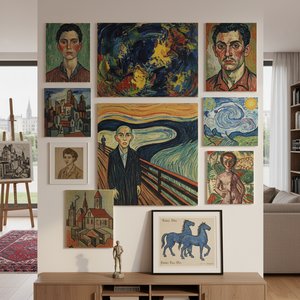
Expressionismo: 10 Obras-Primas que Moldaram a Arte Moderna | TopImpressionists
Descubra as 10 obras-primas do Expressionismo que revolucionaram a arte moderna! Explore a emoção, cores vibrantes e histórias de Munch, Kirchner, Kandinsky e outros artistas icônicos. Encontre reproduções de alta qualidade em TopImpressionists.com.

Egon Schiele: Expressionism, Anxiety & the Modern Condition – A Comprehensive Exploration
Explore the emotionally charged world of Egon Schiele (1890-1918). Discover his Expressionist masterpieces, psychological themes, and lasting impact on modern art. A comprehensive guide for collectors & enthusiasts.
Explore obras de arte organizadas por temas, estilos e características.


