


 Visualizar em escala
 Enviar
 Compartilhar
 Ver detalhes
 Guia de Obras do Aluno

 Baixar imagem
 Semelhantes
 Raio X
 Apresentação de slides
 Estatísticas
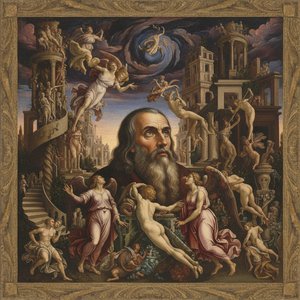
A Angústia no Jardim


 Ver mais
Reprodução em Óleo Feita à Mão
Óleo sobre tela pintado à mão no tamanho e moldura de sua escolha, feito sob encomenda pelos nossos artistas. ( Alternar para Impressão Ver Imagem Digital)




P118B €10

P118H €10

P118W €10

P438Z €10

P508JH €12

P508YH €12

P805H €10

P805Z €10

P919BZ €10

P919G €10

P919XJ €10

P959ZH €10

P968JZ €12

W106C €8

W218G €10

W218JH €8

W218Y €10

W307PJ €10

W316G €10

W316PJ €8

W316Y €10

W398PJ €8

W4111J €10

W500HY €15

W500JH €15

W692G €12

W849H €8

W940BG €15

W953PJ €8




Padrão
sob medida
CM
INCH
Escolha entre os nossos tamanhos pré-definidos que respeitam as proporções originais da obra de arte.
Loading sizes...

largura
altura
Digite a largura e a altura de que necessita, para se ajustar à sua moldura ou à sua parede. Esta obra é pintada à mão, por isso, para um tamanho com uma proporção diferente, o artista pode pintar um pouco mais ao redor da imagem ou cortar um pouco — você escolhe. Enviamos-lhe uma maquete digital para aprovação antes de a pintura começar. A imagem exibida nesta página não mostra o resultado real — apenas a maquete mostra.
Exemplos do que pode ser personalizado: Substituir o rosto pela foto do cliente; Adicionar um animal de estimação (ex: substituir gato por cão); Incluir uma mensagem oculta no fundo; Alterar a paisagem ou elementos do fundo.
Após o pedido, a equipa TopImpressionists.com enviará um e-mail ao cliente para solicitar instruções e fornecer uma prévia do esboço.
Após o pedido, a equipa TopImpressionists.com enviará um e-mail ao cliente para solicitar instruções e fornecer uma prévia do esboço.
Entrega mundial () em 3 a 4 semanas, em vez das 5 semanas padrão. (24 Outubro). Sem comprometer a qualidade.

Envio expresso gratuito para todo o mundo

Tela de Linho Premium

Seguro de transporte total

Garantia de Reembolso de Impostos Alfandegários

Garantia de Fidelidade de Cor

Política de Devolução em 100 Dias (Apenas para Defeitos)

Garantia de reembolso de 100%

Desconto para múltiplas unidades
 A opção de vidro está disponível apenas para tamanhos inferiores a 110 cm

A Angústia no Jardim
Técnica de Reprodução
Dimensões da Reprodução
-


Preço Total
€ 236
The Agony in the Garden: A Masterpiece of Baroque Drama
Giovanni Bellini’s “Agony in the Garden,” completed around 1459–1465, stands as an exceptional achievement within the Venetian Renaissance and a cornerstone of Northern European art history. More than just a depiction of biblical scripture—the arrest of Jesus before Passover—it embodies a profound exploration of human emotion and spiritual contemplation, skillfully rendered in tempera on poplar wood. Its enduring fascination stems from Bellini’s masterful manipulation of light and color to convey an atmosphere of palpable tension and foreshadowing doom.Early Venetian Influence: Mantegna's Shadow
Bellini’s artistic journey began amidst the burgeoning humanist spirit of Venice, where he absorbed influences from artists like Andrea Mantegna—a fellow Venetian painter whose meticulous attention to detail and dramatic use of perspective profoundly impacted Bellini’s approach. As evidenced by “Agony in the Garden,” Bellini consciously countered the prevailing stylistic trends of his time, favoring a more nuanced portrayal of emotion over idealized beauty. The painting's composition reflects this deliberate choice—a carefully orchestrated tableau designed to elicit contemplation rather than mere visual pleasure.Composition and Symbolism: A Landscape of Sorrow
The scene unfolds in a darkened landscape dominated by three hillsides populated by humble dwellings, mirroring the Venetian urban environment of Bellini’s era. At the center stands Jesus Christ, seated on a rock—a deliberate allusion to Golgotha—and surrounded by his disciples Peter, James and John who are asleep. The positioning of these figures is crucial; they represent humanity's vulnerability and despair in the face of divine judgment. Above Christ’s head floats an angel holding a chalice – symbolizing Jesus’s acceptance of the cup of suffering and sacrifice. To Christ’s right stands Judas, accompanied by Roman soldiers, representing the inescapable reality of betrayal and impending doom. The diagonal line from the angel through Christ to the soldiers reinforces this sense of inevitability.Technique: Tempera's Subtle Brilliance
Bellini employed tempera paint—known for its luminosity and durability—on poplar wood, a technique favored by Venetian artists during the Quattrocento. Unlike oil paints which blend seamlessly into each other, tempera pigments remain distinct, creating a textured surface that enhances the painting’s expressive qualities. Bellini skillfully layered thin glazes of color over a preparatory underdrawing, achieving remarkable depth and tonal variation—particularly noticeable in the radiant illumination emanating from the chalice held by the angel and illuminating Christ's face. This subtle brilliance contributes significantly to the painting’s emotive power, conveying both solemn piety and profound sorrow.Legacy: A Precursor of Baroque Drama
“Agony in the Garden” is considered a pivotal work bridging the Renaissance and Baroque periods—a testament to Bellini’s artistic vision and his ability to capture the psychological complexities inherent in religious experience. Its influence can be seen in subsequent Baroque paintings, where artists sought to evoke similar feelings of pathos and grandeur through dramatic lighting and expressive gestures. Today, housed prominently at the National Gallery in London, “Agony in the Garden” continues to inspire admiration for its artistic merit and its enduring capacity to communicate universal themes of faith, suffering, and redemption—a timeless masterpiece that resonates across centuries.Perguntas e Respostas
A qual artista "A Angústia no Jardim" é atribuída?
"A Angústia no Jardim" é atribuída a El Greco.
Que humor e emoção se unem em "A Angústia no Jardim"?
"A Angústia no Jardim" de El Greco transmite um sentimento Melancólico dentro de uma atmosfera geral Dramático.
Qual cor mais se destaca em "A Angústia no Jardim"?
A cor que mais se destaca em "A Angústia no Jardim" é Celadon (#bab5b9). A cor dominante é útil ao combinar uma obra de arte com um ambiente interno.
Biografia do Artista
Doménikos Theotokópoulos, called El Greco
Doménikos Theotokópoulos, universally known as El Greco – “the Greek” – stands as one of the most enigmatic and influential figures in Western art history. Born around 1541 in Crete, then under Venetian rule, his artistic journey transcended geographical boundaries and stylistic conventions, establishing him as a pioneer whose vision anticipated movements like Expressionism and Cubism centuries later. More than just a painter, El Greco was a sculptor and architect who embodied the spirit of his time—a testament to faith, innovation, and an unwavering pursuit of artistic truth.Early Training and Cretan Roots
El Greco’s formative years were steeped in Byzantine tradition. Crete, at that time a bastion of Orthodox Christianity, nurtured a rich artistic heritage characterized by meticulous detail, symbolic imagery, and profound spiritual contemplation. He received his initial training within this environment, mastering the techniques of icon painting—a craft demanding unwavering precision and an understanding of theological concepts. This foundational knowledge would profoundly shape his subsequent artistic endeavors, informing his approach to composition, color palette, and expressive gesture. The influence of Byzantine art is palpable in his early works, particularly *Saint Titus*, where the drapery folds are rendered with astonishing realism and imbued with a sense of solemn dignity—a hallmark of Cretan painting during the Renaissance.Venetian Exposure: Embracing Innovation
Around 1567, El Greco embarked on a transformative voyage to Venice, Italy’s artistic epicenter at the time. This relocation marked a pivotal moment in his artistic development, exposing him to the groundbreaking innovations championed by Titian, Tintoretto, and Veronese—masters who had revolutionized painting with their mastery of color, perspective, and dramatic lighting. He eagerly absorbed their techniques, experimenting with looser brushwork and embracing the sensual qualities of oil paint—a departure from the more restrained mediums favored in Crete. The Venetian influence is vividly apparent in *Saint Sebastian*, painted shortly after his arrival, where anatomical accuracy blends seamlessly with theatrical chiaroscuro—creating a scene brimming with emotional intensity. This encounter with Venetian art propelled him toward a bolder stylistic vision, one that would ultimately define his legacy.Roman Aspirations and Mannerist Influence
El Greco’s ambition extended beyond Venice; he sought recognition in Rome, the heart of the Renaissance and papal patronage. Despite facing considerable competition within the Roman art world—a realm dominated by established artists and conservative tastes—he persevered, honing his skills and producing a series of works that showcased his talent for capturing psychological nuance and conveying profound emotion. However, El Greco struggled to gain widespread acclaim in Rome, finding it difficult to secure commissions from influential patrons. Nevertheless, he absorbed the stylistic precepts of Mannerism—a movement characterized by elongated figures, distorted perspectives, and stylized compositions—further enriching his artistic repertoire. This exposure to Mannerist aesthetics contributed to the distinctive elongation of his figures and the unsettling grandeur of his canvases—elements that would become synonymous with El Greco’s style.Toledo: Spiritual Synthesis and Artistic Zenith
In 1577, El Greco established himself in Toledo, Spain—a city steeped in religious fervor during the Counter- Reformation and renowned for its magnificent cathedral and monastic institutions. This relocation proved to be instrumental in achieving his artistic zenith, providing him with a supportive environment and fostering collaborations with prominent patrons who recognized his singular genius. It was here that he produced his most celebrated paintings—works imbued with an unparalleled blend of Byzantine tradition, Venetian innovation, and Mannerist refinement. *The Burial of the Count of Orgaz*, considered El Greco’s masterpiece, exemplifies this synthesis perfectly—a monumental composition featuring elongated figures bathed in ethereal light, conveying a sense of spiritual transcendence that captivated audiences throughout Europe. His Toledo paintings stand as enduring symbols of faith, artistic ambition, and the transformative power of creative vision—solidifying his place among the greatest artists of all time.
El Greco
1541 - 1614 , Grécia
Informações Rápidas
- Artistic Movement Or Style: Mannerismo e Barroco
- Artists Who Influenced This Artist:
- Titian
- Tintoretto
- Date Of Birth: 1541
- Full Name: Doménikos Theotokópoulos
- Nationality: Grega
- Notable Artworks:
- Burial of the Count of Orgaz
- View of Toledo
- El Espolio
- Saint Sebastian
- Place Of Birth: Crete, Greece
Artigos Relacionados

El Greco: As 25 Obras-Primas que Definem um Gênio da Pintura | TopImpressionists
Descubra as 25 obras-primas de El Greco, o mestre renascentista espanhol! Explore a história, técnica e emoção por trás de quadros icônicos como 'O Enterro do Conde Orgaz'. Encontre reproduções de arte exclusivas e inspire sua decoração em TopImpressionists.com.
Mannerism Unveiled: The Dramatic Evolution of Renaissance Art and the Visionary Legacy of El Greco
Explore the dramatic transition from High Renaissance harmony to Mannerist tension. Discover how masters like El Greco redefined art through distortion and spiritual intensity. An expert guide for art enthusiasts seeking deep historical context and museum-quality inspiration.

Os 10 Mestres do Barroco: Obras-Primas que Moldaram a Arte e Decoram o Lar
Descubra os 10 maiores ícones do Barroco! Explore a história, técnica e emoção por trás de Caravaggio, Rembrandt, Bernini e outros mestres. Encontre reproduções de arte barroca para decorar seu lar com luxo em TopImpressionists.com.

El Greco: Spirituality, Style & Innovation – A Renaissance Master's Legacy
Explore the captivating world of El Greco! Discover his unique style, spiritual intensity, and lasting impact on art history. Learn about this Renaissance master's life, iconic paintings & legacy.

The Dramatic Flourish: Exploring the Baroque Movement's Enduring Legacy in Art History
Explore the dramatic world of Baroque art! Discover iconic artists like Caravaggio & Rubens, defining techniques, and its lasting impact on art history. Expert insights for collectors & enthusiasts at TopImpressionists.
Explore obras de arte organizadas por temas, estilos e características.


