

Exibido: · Com a moldura:
 Visualizar na parede
 Compartilhar
 Compartilhar
 Detalhes
 Guia
Guia

 Baixar imagem
 Semelhantes
 Raio X
 Ver diaporama
 Perguntas e Respostas
 Estatísticas

€ 239
Reprodução em Óleo Feita à Mão
Óleo sobre tela pintado à mão no tamanho e moldura de sua escolha, feito sob encomenda pelos nossos artistas. ( Alternar para Impressão Alternar para Imagem Digital)
Tamanho
·Tamanho padrão
personalizado
CM
INCH
Escolha entre os nossos tamanhos pré-definidos que respeitam as proporções originais da obra de arte.
Carregando tamanhos...

largura
altura
Insira a largura e a altura desejadas para se ajustarem à sua moldura ou parede. Como esta obra é pintada à mão, para um tamanho com proporções diferentes, o artista poderá pintar um pouco mais ao redor da imagem ou reduzir ligeiramente a composição — você escolhe. Enviamos uma maquete digital para sua aprovação antes de iniciar a pintura. A imagem exibida nesta página não representa o resultado real — apenas a maquete mostra o resultado final.
 Leia mais
Finalizar
·
Branco €1

Bordas esfumaçadas €1

Bordas estendidas €1

P118B €10

P118H €10

P118W €10

P438Z €10

P508JH €12

P508YH €12

P805H €10

P805Z €10

P919BZ €10

P919G €10

P919XJ €10

P959ZH €10

P968JZ €12

W106C €8

W218G €10

W218JH €8

W218Y €10

W307PJ €10

W316G €10

W316PJ €8

W316Y €10

W398PJ €8

W4111J €10

W500HY €15

W500JH €15

W692G €12

W849H €8

W940BG €15

W953PJ €8

H24-GOLD €30

H24-SILVER €30

H36-GOLD €45

H36-SILVER €45
Enviado em um tubo protetor, pronto para ser emoldurado por você.
Extras
opcionalO que os extras incluem?
Exemplos do que pode ser alterado: Substituir o rosto pela foto do cliente; Adicionar um animal de estimação (ex: substituir gato por cachorro); Incluir uma mensagem oculta no fundo; Alterar a paisagem ou elementos do fundo.
Após o pedido, a equipe da TopImpressionists.com enviará um e-mail ao cliente para instruções e fornecerá uma prévia da montagem
Após o pedido, a equipe da TopImpressionists.com enviará um e-mail ao cliente para instruções e fornecerá uma prévia da montagem
Entrega mundial () em 3 a 4 semanas, em vez das 5 semanas padrão. (4 Novembro). Sem comprometer a qualidade.
Verniz de Proteção
Etiqueta de identificação
Detalhes da Placa de Bronze Gravada
This elegant plaque features the artist's name and the title of the artwork, finely engraved for a timeless presentation.
It is made from bronze with a refined, elegant finish. The text is precisely laser-engraved for a sharp and permanent result. Measuring 9x2 cm, the plaque is compact yet easy to read. It's built to be durable and scratch-resistant, offering a professional, museum-quality look. Mounting is simple thanks to the included adhesive backing.
Detalhes da Placa de Acrílico Transparente
The plaque includes essential engraved details such as the artist's name, the title of the artwork, the date it was created, the type of media used-like oil on canvas or watercolor-a brief description of the piece, and a QR code that links to the complete artwork information.
It is crafted from clear acrylic, offering a sleek, modern appearance. The text is UV-engraved in black to ensure strong visual contrast. With a size of 10x15 cm, it ensures optimal readability. It comes equipped with two metal hooks for secure wall mounting. The plaque is designed to be weather-resistant, making it suitable for various environments, and it includes interactive features that work seamlessly with smartphone scanning.
Detalhes da Placa de Acrílico Preto
This elegant plaque includes engraved information such as the artist's name, the title of the artwork, the date it was created, the type of media used (like oil on canvas or watercolor), a short description of the artwork, and a QR code for quick access to more information.
The plaque itself is made from refined black acrylic with a premium finish. The text is laser-engraved in white for high contrast and readability. Its size is 10x15 cm, designed to be easy to read. It comes with two metal hooks for professional mounting. The design is sleek and fits any interior style. It is also weather-resistant and durable, with built-in digital integration for mobile compatibility.
A opção de vidro está disponível apenas para tamanhos inferiores a 110 cm
 A opção de vidro está disponível apenas para tamanhos inferiores a 110 cm
- Envio expresso gratuito para todo o mundo
- Tela de Linho de Alta Qualidade
- Seguro de transporte completo
- Garantia de Reembolso de Impostos Alfandegários
- Garantia de Fidelidade Cromática
- Política de Devolução em 100 Dias (Apenas para Defeitos)
- Garantia de reembolso de 100%
- Oferta de desconto por quantidade


Descrição do Item
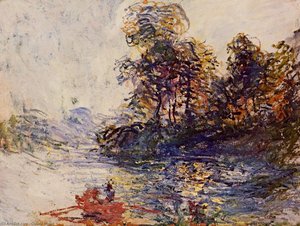
Experience Paul Gauguin's 'Mountain Landscape' (1882) – a vibrant post-impressionist masterpiece capturing nature’s essence with bold colors & expressive brushstrokes. Hand-painted reproductions available.
Biografia do Artista
Paul Gauguin: Um pintor revolucionário pós-impressionista, conhecido por cores vibrantes, temas exóticos e simbolismo profundo. Descubra sua jornada da finança à lenda artística.
Sobre a pintura
A Journey Into Gauguin’s Soul: “Mountain Landscape”
Paul Gauguin's "Mountain Landscape," painted in 1882, isn’t merely a depiction of a hillside; it’s a profound distillation of the artist’s evolving vision and his yearning for a deeper connection with nature and spirituality. Emerging from the vibrant, yet ultimately superficial, world of Impressionism, Gauguin embarked on a radical shift—a deliberate rejection of objective representation in favor of subjective experience and symbolic resonance. This painting stands as a pivotal moment in that transformation, showcasing a nascent style that would profoundly influence generations of artists to come. The scene itself is deceptively simple: a rugged, almost primordial landscape dominated by towering mountains and a swirling, cloudy sky. Yet, within this apparent simplicity lies a complex interplay of color, texture, and emotion—a testament to Gauguin’s innovative approach to capturing the essence of his subject. He wasn't striving for photographic accuracy; instead, he sought to translate the *feeling* of being amidst such grandeur, an experience deeply rooted in personal intuition and spiritual contemplation.- The Palette of Emotion: Gauguin’s masterful use of color is immediately striking. Gone are the delicate pastel hues of Impressionism; here, we encounter a bolder, more assertive palette—deep greens, rich browns, ochre yellows, and dramatic blues. These aren't colors that simply describe the landscape; they *become* the landscape itself, imbued with an emotional charge. The vibrant greens suggest life and vitality, while the earthy browns ground the scene in a sense of solidity and permanence. The sky, rendered in swirling shades of blue and grey, evokes both serenity and turbulence—a reflection perhaps of Gauguin’s own inner turmoil during this period of intense artistic exploration.
- Brushstrokes as Voices: Gauguin's distinctive brushwork is equally crucial to the painting’s impact. His strokes are not smooth or blended; they are loose, expressive, and often deliberately uneven. These visible marks—a hallmark of his style—inject a sense of movement and energy into the scene, suggesting the constant flux of nature and the artist’s own restless spirit. The brushstrokes seem to dance across the canvas, creating a tactile quality that invites the viewer to reach out and touch the landscape.
- A Departure from Realism: Notice how Gauguin simplifies forms—the mountains are not meticulously rendered but rather suggested through broad masses of color and texture. This simplification isn’t an act of carelessness; it's a deliberate choice to prioritize emotional impact over literal representation. He is less concerned with depicting *what* he sees than with conveying *how* he feels about what he sees.
The Context of Transformation: Gauguin and Post-Impressionism
To fully appreciate “Mountain Landscape,” it’s essential to understand its place within the broader context of Post-Impressionism—a movement that arose in reaction to the limitations of Impressionism. While Impressionists sought to capture fleeting moments of light and color, Post-Impressionist artists like Gauguin aimed to delve deeper into the underlying emotions and symbolic meanings of their subjects. They rejected the purely optical approach of Impressionism, embracing a more subjective and expressive style. Gauguin’s journey began in Paris, where he initially experimented with Impressionistic techniques. However, disillusioned by what he perceived as its superficiality, he sought refuge in Brittany, immersing himself in rural life and drawing inspiration from Celtic folklore and mythology. This experience profoundly shaped his artistic vision, leading him to develop a style characterized by bold colors, simplified forms, and symbolic imagery—a style that would become synonymous with Post-Impressionism. Key Influences:- Synthetism: Gauguin’s exploration of Synthetism – an artistic style focused on the synthesis of form and color – is evident in this work.
- Primitivism: His fascination with non-Western cultures, particularly those of Tahiti, fueled his desire to strip away Western conventions and embrace a more primal, intuitive approach to art.
Decoding the Symbolism
“Mountain Landscape” isn’t simply a landscape painting; it's a visual poem—a meditation on nature, spirituality, and the human condition. The towering mountains themselves can be interpreted as symbols of strength, permanence, and the sublime—evoking a sense of awe and humility in the face of nature’s grandeur. The swirling clouds suggest both tranquility and turbulence, reflecting the complexities of life and the artist's own inner struggles. Notably, the absence of human figures reinforces this focus on the landscape itself, transforming it into a sacred space—a realm where the viewer can connect with something larger than themselves. Gauguin was deeply interested in exploring themes of spirituality and mythology, often incorporating symbolic elements into his work to convey hidden meanings. The painting invites contemplation: What does the rugged terrain represent? How does the sky’s movement affect your mood?A Legacy of Innovation
“Mountain Landscape” is a remarkably prescient work—a harbinger of the radical artistic movements that would emerge in the early 20th century. Gauguin's bold experimentation with color, texture, and symbolism paved the way for Expressionism, Fauvism, and other avant-garde styles. His willingness to challenge conventional notions of representation and embrace a more subjective approach to art continues to inspire artists today. Reproductions of this iconic painting offer a unique opportunity to experience Gauguin’s visionary spirit—to step into his world and contemplate the timeless beauty and profound mystery of the natural landscape.Perguntas e Respostas
De que técnica é feita a obra "Mountain landscape"?
"Mountain landscape" é executada em Oil On Canvas.
Que emoção transmite "Mountain landscape", de Paul Gauguin?
O tom emocional registrado para "Mountain landscape", de Paul Gauguin é Tranquil. Ele resume o sentimento que a obra expressa.
Qual é a técnica e a data de criação de "Mountain landscape", de Paul Gauguin?
"Mountain landscape" foi criada em 1882 utilizando a técnica de Oil On Canvas. O material e a data descrevem como e quando o original foi feito.
Informações rápidas e quiz de arte
Sobre Paul Gauguin

Paul Gauguin
1848 - 1903, França
Biografia do Artista
Eugène Henri Paul Gauguin: Um Pintor em Cores de Revolução
Eugène Henri Paul Gauguin, um nome que ressoa com cores vibrantes e espírito rebelde, se destaca como uma figura central na transição do Impressionismo para a arte moderna. Nascido em Paris em 1848, sua vida foi longe de ser convencional. Seus primeiros anos foram moldados por uma criação incomum: seu pai, um jornalista, e sua mãe descendente da aristocracia peruana – sua avó materna, Flora Tristan, uma pioneira feminista e escritora socialista cujos ideais certamente ressoaram dentro da família. Essa herança profunda influenciou a visão artística de Gauguin, instilando nele uma fascinação por culturas além da Europa. Um período formativo gasto no Peru como criança, após a mudança da família em 1850, mergulhou-o em um mundo vastamente diferente da sociedade parisiense, uma experiência que permaneceu e, em última análise, alimentou sua busca por autenticidade na arte. Retornando à França após a morte de seu pai, Gauguin recebeu uma educação formal, mas se sentiu atraído não pela academia, mas pelo crescente mundo financeiro, embarcando em uma carreira como corretor de valores – um caminho aparentemente incompatível com o destino artístico que o aguardava.Da Finança ao Chamado Artístico
Por anos, Gauguin liderou uma vida dupla, dedicando-se diligentemente aos seus negócios enquanto secretamente nutria uma paixão pela pintura. Inicialmente influenciado pelos Impressionistas, ele começou a experimentar com cor e luz em seu tempo livre, mas logo se sentiu restrito por sua dedicação em capturar momentos fugazes da realidade. A crise financeira de 1882 provou ser um ponto de virada, forçando-o a abandonar sua carreira lucrativa e abraçar plenamente sua vocação artística. Isso não foi apenas uma mudança de profissão; foi uma mudança fundamental de perspectiva. Ele buscou orientação de Camille Pissarro, que o encorajou em seu desenvolvimento e apresentou-o aos círculos vanguardistas de Paris. No entanto, Gauguin rapidamente começou a divergir dos princípios impressionistas, ansiando por algo mais expressivo, mais simbólico – um meio de transmitir não apenas *o que ele via*, mas *o que ele sentia*. Esse desejo o levou a uma jornada de exploração artística que levaria-o muito além das salões parisienses e para o coração das culturas “primitivas”. Ele não estava simplesmente interessado em retratar essas culturas; ele buscava absorver sua essência, acreditando que elas ofereciam uma pureza perdida na civilização ocidental.O Chamado de Bretanha e Tahiti
A evolução artística de Gauguin foi inextricavelmente ligada às suas viagens. Passou um tempo na Bretanha, cativado pelos paisagens acidentadas e pelas tradições profundamente enraizadas de seu povo. Este período viu-o experimentar com formas achatadas, contornos ousados e simplificação da composição – técnicas que o afastaram ainda mais do realismo e se aproximaram de uma linguagem simbólica. Mas foi sua jornada para Tahiti em 1891 que realmente desencadeou seu potencial criativo. Buscando refúgio do que ele percebia como as restrições sufocantes da civilização europeia, Gauguin esperava encontrar inspiração na cultura polinésia, acreditando que ela oferecia uma maneira mais autêntica e espiritual de vida. Isso não foi apenas uma busca artística; foi uma jornada espiritual. Ele se imergiu nos costumes e crenças locais, retratando mulheres polinesianas, paisagens e práticas religiosas por meio de sua visão única. Influenciado pelo Japonismo – *Japonisme* – e pela arte medieval, ele desenvolveu uma estética distinta caracterizada por cores vibrantes, assunto exótico e um ar de mistério. Pinturas icônicas como “Vahine no te miti” (Mulher com Mamão), “Manao Tupapau” (Observada pelo Espírito da Morte) e “O Dia dos Deuses” emergiram desse período, consolidando sua reputação como um artista visionário. O uso de cores se tornou cada vez mais ousado e não naturalista, servindo para expressar emoção e significado espiritual, em vez de replicar a realidade.Legado e Controvérsia
Apesar de seus avanços artísticos, a vida de Gauguin foi frequentemente marcada por dificuldades. Ele lutou com dificuldades financeiras e problemas de saúde durante seu tempo em Tahiti e mais tarde nas Ilhas Marquesas, onde finalmente se estabeleceu. No entanto, ele continuou a pintar prolissimamente, explorando incessantemente temas de vida, morte e espiritualidade. Ele morreu em 1903 na ilha remota de Hiva Oa, no arquipélago das Marquesas, largamente não reconhecido por seu gênio. Foi somente após sua morte que a obra de Gauguin começou a receber o reconhecimento que merecia. Hoje, ele é celebrado como uma figura central no desenvolvimento da arte moderna, conectando a ponte entre o Impressionismo e o Simbolismo, abrindo caminho para movimentos como o Fauvismo. Seu uso de cores, formas simplificadas e imagens simbólicas influenciou profundamente artistas como Pablo Picasso, Henri Matisse e muitos outros. No entanto, Gauguin permanece uma figura controversa devido a aspectos de sua vida pessoal – particularmente seus relacionamentos com jovens mulheres polinesianas – que continuam a ser debatidos e reinterpretados à luz das considerações éticas contemporâneas. Apesar disso, suas contribuições artísticas são inegáveis e seu legado continua a inspirar artistas e amantes da arte em todo o mundo. Ele foi um verdadeiro inovador, um rebelde que ousou desafiar as convenções e forjar seu próprio caminho, deixando para trás um corpo de trabalho tão cativante e enigmático quanto o homem.Influências Chave & Características Artísticas
- Impressionismo: Influência inicial na cor e luz, posteriormente rejeitado por seu foco em momentos fugazes da realidade.
- Japonisme: Inspirou perspectivas achatadas, contornos ousados e padrões decorativos.
- Arte Medieval: Influenciou a imagem simbólica e uma rejeição ao realismo estrito.
- Sintetismo: Um estilo desenvolvido por Gauguin enfatizando a criação de arte com base na experiência subjetiva, em vez da observação objetiva.
- Primitivismo: Fascínio pelas culturas não ocidentais, acreditando que elas ofereciam uma maneira mais autêntica e espiritual de vida. Isso é refletido em seu assunto e escolhas estilísticas.
Informações rápidas sobre Paul Gauguin
- Artistic Movement Or Style: Pós-Impressionismo, Simbolismo
- Artists Or Movements Influenced By This Artist:
- Pablo Picasso
- Henri Matisse
- Artists Who Influenced This Artist: ['Camille Pissarro']
- Date Of Birth: 7 de junho de 1848
- Date Of Death: 8 de maio de 1903
- Full Name: Eugène-Henri Paul Gauguin
- Nationality: Francês
- Notable Artworks:
- Vahine no te miti
- Manao Tupapau
- The Day of Gods
- Place Of Birth: Paris, França
Obras Relacionadas


Explore obras de arte organizadas por temas, estilos e características.


Paul Gauguin
Mountain landscape
() ·
Com a moldura: · Pintura a óleo sobre linho feita à mão
Total