


 Visualizar na parede
 Compartilhar
 Compartilhar
 Detalhes
 Guia
Guia

 Baixar imagem
 Semelhantes
 Raio X
 Ver diaporama
 Q&A
Q&A Estatísticas
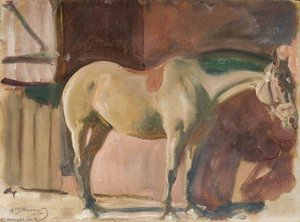
A Horse Drinking
 Oil On Canvas
- WallArt
- Impressionism
 1887
1887- 19th Century
 22.0 x 16.0 cm
A serene Impressionist study of a horse drinking from a trough by Eugène Louis Boudin captures the fleeting beauty of light and nature in this 1887 masterpiece, perfect for adding timeless elegance to your collection.
 Ler mais
Eugène Boudin (1824-1898): Pioneiro da pintura *en plein air* e influenciador chave do Impressionismo. Descubra seus paisagens marítimas, cenas de praia e estudos magistrais de luz!
Giclée / Impressão de Arte
Impressão giclée ou em tela de qualidade de museu, com produção rápida e opções flexíveis de acabamento. ( Comprar pintura feita à mão Alternar para Imagem Digital)




P118B €10

P118H €10

P118W €10

P438Z €10

P508JH €12

P508YH €12

P805H €10

P805Z €10

P919BZ €10

P919G €10

P919XJ €10

P959ZH €10

P968JZ €12

W106C €8

W218G €10

W218JH €8

W218Y €10

W307PJ €10

W316G €10

W316PJ €8

W316Y €10

W398PJ €8

W4111J €10

W500HY €15

W500JH €15

W692G €12

W849H €8

W940BG €15

W953PJ €8




Tamanho padrão
personalizado
CM
INCH
Escolha entre os nossos tamanhos pré-definidos que respeitam as proporções originais da obra de arte.
Loading sizes...

largura
altura
Insira a largura e a altura desejadas para se ajustarem à sua moldura ou parede. Uma impressão pode ser apenas cortada, nunca ampliada além da imagem original; portanto, um tamanho com proporções diferentes resultará na perda de parte da imagem. Enviamos uma maquete digital para sua aprovação antes de realizarmos a impressão. A imagem exibida nesta página não mostra o corte real — apenas a maquete o faz.
Entrega mundial () em 2 semanas, em vez das 4/5 semanas padrão. (29 Outubro)

Envio expresso gratuito para todo o mundo

Tela de Linho de Alta Qualidade

Seguro de transporte completo

Garantia de Reembolso de Impostos Alfandegários

Garantia de Fidelidade Cromática

Política de Devolução em 100 Dias (Apenas para Defeitos)

Garantia de reembolso de 100%

Oferta de desconto por quantidade
 A opção de vidro está disponível apenas para tamanhos inferiores a 110 cm

A Horse Drinking
Giclée / Impressão de Arte
Tamanho da Reprodução
-


Preço Total
€ 61
A Moment Captured in Light: The Essence of Boudin’s Vision
In the quietude of 1887, Eugène Louis Boudin captured a scene of profound simplicity that resonates with the very soul of the Impressionist movement. A Horse Drinking is not merely a depiction of an animal at a trough; it is a masterful study of a fleeting moment, where the boundaries between nature and light begin to dissolve. The painting presents a horse bowed in a moment of tranquil necessity, its form rendered with a delicate touch that suggests both strength and vulnerability. As the eye wanders from the horse’s focused posture toward the soft, atmospheric background, one encounters a world where the mundane is elevated to the sublime through the artist's unparalleled ability to manipulate color and luminosity.
The composition invites the viewer into a pastoral narrative, where the presence of distant figures and a quiet dining table suggests a lived-in landscape, a slice of life caught in the amber of time. There is a rhythmic grace to the way Boudin positions his subjects, creating a sense of balance that feels both spontaneous and meticulously orchestrated. For the collector or interior designer, this piece offers more than just visual beauty; it provides an emotional anchor, a window into a period of art history where the pursuit of truth lay in the honest observation of light hitting a surface.
Technique and the Impressionist Spirit
Boudin, often celebrated as a precursor to Claude Monet, brings his signature plein air sensibility to this intimate work. His technique is characterized by a sophisticated use of a muted palette, where shades of gray, white, and soft earth tones coalesce to create a sense of atmospheric depth. Rather than relying on harsh outlines, Boudin employs nuanced brushstrokes that impart a tactile texture to the horse's coat, capturing the subtle interplay of light and shadow across its musculature. This approach allows the subject to emerge organically from the environment, as if the creature were woven from the very mist and morning light of the French countryside.
The artist’s mastery lies in his ability to avoid idealization, opting instead for a naturalistic detail that honors the reality of the scene. This commitment to capturing the "impression" of a moment—the way light reflects off water or how shadows soften at midday—is what makes this reproduction such a compelling choice for modern spaces. The painting does not demand attention through loud colors but earns it through a quiet, persistent beauty that rewards prolonged contemplation.
A Timeless Addition to the Curated Home
Integrating a work of this caliber into an interior design scheme offers an opportunity to introduce a sense of historical depth and serenity. Whether placed in a sun-drenched morning room or a sophisticated study, A Horse Drinking serves as a conversation piece that bridges the gap between the nineteenth-century French coast and contemporary elegance. The modest dimensions of the original work allow it to nestle intimately within a gallery wall or stand alone as a focal point of calm.
For those seeking to surround themselves with art that evokes emotion and intellect, this piece stands as a testament to the enduring legacy of Eugène Louis Boudin. It is an invitation to slow down, to observe the subtle variations in light, and to appreciate the quiet dignity found in the simplest of natural encounters. Owning a high-quality reproduction of this masterpiece allows the spirit of Impressionism to breathe within the modern home, offering a perennial source of inspiration and peace.
Perguntas e Respostas
Qual cor predomina na composição de "A Horse Drinking", de Eugène Louis Boudin?
A cor dominante de "A Horse Drinking", de Eugène Louis Boudin é Rosy Brown (#b6a895).
Posso ver "A Horse Drinking", de Eugène Louis Boudin sob diferentes luzes?
A página Raio X de "A Horse Drinking", de Eugène Louis Boudin é um visualizador interativo que permite percorrer onze camadas ópticas da imagem da obra, incluindo uma visualização em estilo raio-X.
Qual é a luminosidade percebida de "A Horse Drinking", de Eugène Louis Boudin?
A luminosidade percebida de "A Horse Drinking", de Eugène Louis Boudin é shadow. Ela pode ser harmonizada com a iluminação do espaço pretendido.
Obras Relacionadas




Biografia do Artista
Early Life and Artistic Beginnings
Eugène Louis Boudin, born in the picturesque coastal town of Honfleur, France, in 1824, was destined to be inextricably linked to the sea from his very first breath. His father, a skilled harbor pilot, instilled within him an early and profound appreciation for the ever-changing moods, the dramatic shifts in light, and the captivating beauty of the maritime world—a fascination that would become the bedrock of Boudin’s artistic vision. Unlike many of his contemporaries who pursued formal academic training, young Eugène embarked on a more unconventional path, beginning his working life at the tender age of ten as a cabin boy aboard a steamboat traversing between Le Havre and Honfleur. It was during these voyages—amongst the rhythmic creaks of the ship and the endless expanse of water—that he first felt an irresistible compulsion to capture those fleeting, ephemeral impressions of light and water with quick sketches in the margins of his books – the nascent stirrings of a lifelong passion that would ultimately define his artistic legacy. The family’s subsequent move to Le Havre, where his father established a successful stationery shop and picture framing business, further immersed Boudin within an environment rich with artistic potential. He diligently worked alongside his father, eventually branching out to establish his own small shop, which provided him with invaluable opportunities to interact with and learn from local artists such as Constant Troyon and Jean-François Millet—men who recognized his burgeoning talent and generously encouraged his artistic pursuits, steering him away from the confines of commerce and towards a dedicated life devoted entirely to painting.Developing a Unique Style: Plein Air Painting and Influences
Boudin’s artistic development was profoundly shaped by a confluence of influential figures and techniques. A pivotal moment in his career arrived with his introduction to Johan Jongkind, a Dutch painter who championed the revolutionary practice of *en plein air*—painting directly from nature outdoors. This groundbreaking approach, which prioritized capturing the immediacy and authenticity of light and atmosphere, fundamentally altered Boudin’s artistic sensibilities. He embraced this technique wholeheartedly, rapidly developing an exceptional ability to render the subtle nuances of sky, sea, and shoreline with breathtaking precision and sensitivity. His style was further enriched by a deep admiration for the 17th-century Dutch masters—artists like Rembrandt and Vermeer—whose meticulous attention to detail, masterful use of atmospheric perspective, and profound understanding of light and shadow resonated deeply within his artistic soul. Boudin’s early pastel works, characterized by their delicate textures, luminous colors, and evocative depictions of coastal scenes, quickly garnered recognition among the Parisian art community. Notably, in 1858, he met Claude Monet, then a young aspiring artist, who was profoundly influenced by Boudin's dedication to *en plein air* painting and his ability to capture the fleeting effects of light. This encounter proved to be a crucial turning point, laying the foundation for Monet’s own revolutionary approach to Impressionism.The Normandy Coast: A Lifelong Muse
Boudin’s artistic heart belonged unequivocally to the rugged beauty of the Normandy coast—particularly his hometown of Honfleur and its surrounding villages. He spent countless hours exploring the coastline, meticulously observing the interplay between land and sea, the shifting patterns of light, and the ever-changing moods of the weather. This intimate connection with his surroundings fueled his artistic creativity, resulting in a vast body of work that celebrates the region’s distinctive character—its dramatic cliffs, sandy beaches, quaint harbors, and vibrant fishing communities. His paintings are not merely representations of landscapes; they are imbued with a palpable sense of atmosphere, capturing the very essence of Normandy's spirit. Boudin’s ability to convey this feeling – the salty tang of the air, the warmth of the sun on his skin, the rhythmic crash of waves against the shore – is what truly sets his work apart. He was particularly drawn to painting during dawn and dusk, when the light takes on a magical quality, casting long shadows and creating an ethereal glow over the landscape.Recognition and Legacy
Despite his undeniable talent and growing reputation, Boudin’s artistic career was marked by a certain degree of modesty and self-deprecation. He remained remarkably humble throughout his life, often downplaying his achievements and expressing reservations about his own abilities. However, his work gradually gained recognition, culminating in a third-place medal at the Paris Salon in 1881 and a gold medal at the Exposition Universelle of 1889—a testament to his enduring contribution to French art. Eugène Boudin was knighted into the Légion d’honneur in 1892, an honor bestowed upon him for his artistic merit and influence on contemporary artists. He continued to paint prolifically until his death in 1898 at Deauville, overlooking the English Channel—a fitting end for a man whose life and art were inextricably intertwined with the sea. Today, Eugène Boudin is remembered as a pioneering figure in French landscape painting, a key influence on Impressionism, and a master of capturing the beauty and atmosphere of the Normandy coast. His works are celebrated in museums around the world, serving as a poignant reminder of his artistic vision and enduring legacy.Major Works
Some of Boudin’s most notable paintings include: *Still Life with Lobster on a White Tablecloth*, *Honfleur, the Saint Catherine Market Place*, *The Beach at Trouville*, *The Port of Honfleur*, *The Cliffs of Étretat*, and numerous pastel studies of coastal scenes. These works exemplify his mastery of light, color, and composition, as well as his deep understanding of the Normandy landscape.
Eugène Louis Boudin
1824 - 1898 , França
Dados Rápidos
- Artistic Movement Or Style: Impressionismo
- Artists Or Movements Influenced By This Artist:
- Claude Monet
- Impressionismo
- Artists Who Influenced This Artist:
- Johan Jongkind
- Masters holandeses
- Date Of Birth: 12 Jul 1824
- Date Of Death: 8 Aug 1898
- Full Name: Eugène Louis Boudin
- Nationality: Francês
- Notable Artworks:
- Natureza morta com lagosta
- Paisagem sol poente
- Retrato de menina
- Place Of Birth: Honfleur, França
Artigos Relacionados

Beyond the Screen: Transforming Personal Memories into Timeless AI-Driven Anime Masterpieces
Experience the magic of digital metamorphosis. Transform your cherished photos into stunning, hand-painted anime masterpieces using our proprietary AI technology and professional artists. Elevate your personal story with a timeless, high-quality oil painting on canvas.
Explore obras de arte organizadas por temas, estilos e características.


