


 Visualizar em escala
 Enviar
 Compartilhar
 Ver detalhes
 Guia de Obras do Aluno

 Baixar imagem
 Semelhantes
 Raio X
 Apresentação de slides
 Estatísticas
Salome
 Acrylic On Canvas
- WallArt
- German Symbolism
 1906
1906 92.0 x 114.0 cm
 Lenbachhaus
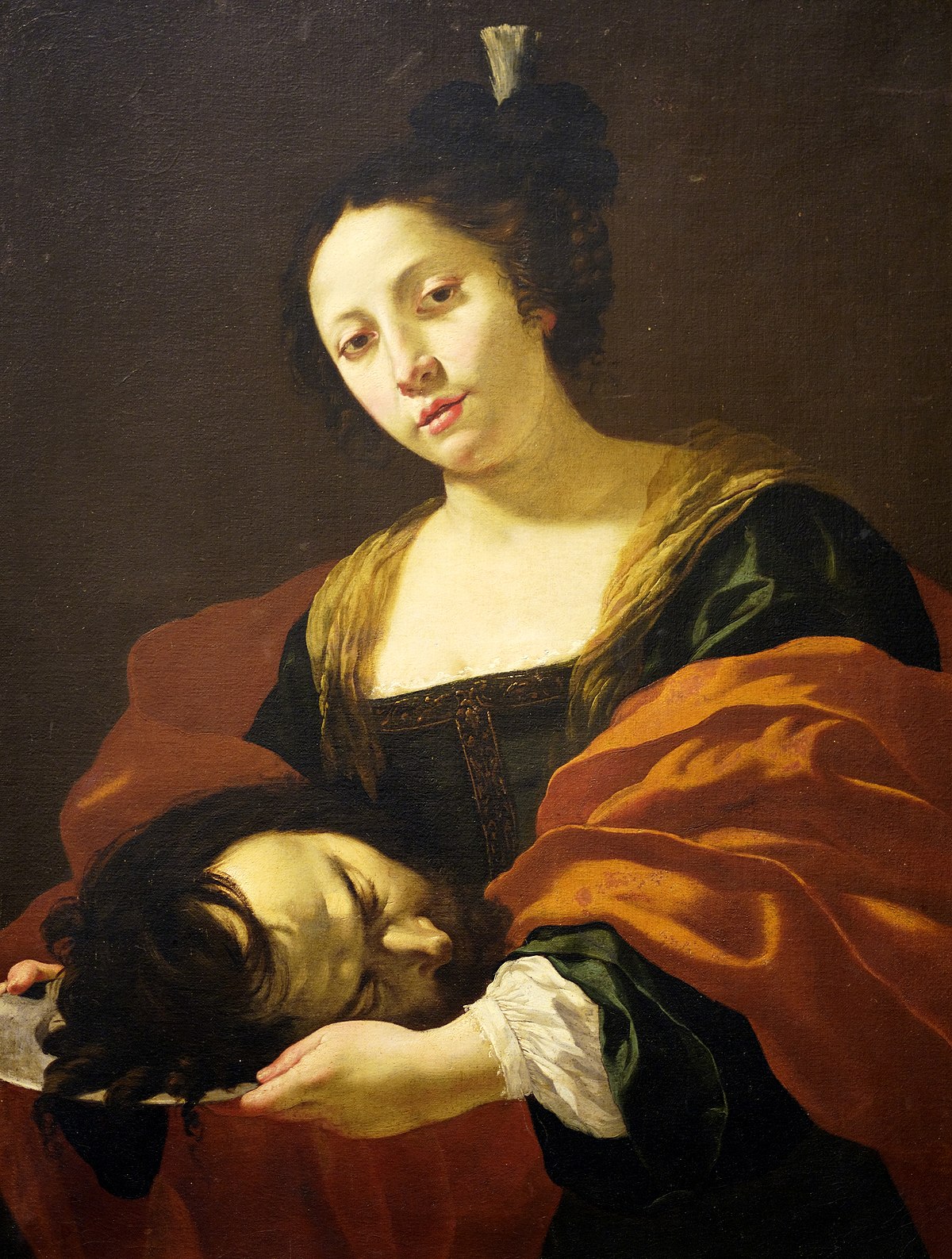
Franz Ritter von Stuck's "Salome" (1906) depicts a captivating dance of desire and tragedy, blending Symbolism with biblical drama. Explore the haunting beauty & dark narrative of this iconic masterpiece.
 Ver mais
Franz Ritter von Stuck foi um pintor e escultor alemão, mestre do simbolismo e conhecido por suas obras mitológicas e sensuais, que revolucionaram a arte da Secession de Munique.
Adquira uma imagem digital de alta resolução e aprimorada, muito superior à prévia online.
Cada arquivo é meticulosamente preparado por nossos especialistas internos, utilizando ferramentas avançadas e retoques manuais de alta precisão. Garantimos que cada imagem apresente clareza excepcional, fidelidade de cores e detalhes minuciosos.
O arquivo final é entregue por e-mail em até 72 horas, otimizado para uso imediato em ambientes profissionais, editoriais e de impressão. Esta é a mesma qualidade utilizada por estúdios de design de alto nível, editoras e galerias.
Imagem Digital
Baixe um arquivo de alta resolução para exibição pessoal, impressão e projetos criativos. ( Alternar para Impressão Encomendar reprodução pintada à mão)
Incluído em cada pedido de imagem digital
Entrega Digital Especializada e Garantida
Ao escolher o TopImpressionists.com, você não está apenas adquirindo uma imagem — você está recebendo uma obra de arte digital profissionalmente aprimorada, elaborada com precisão e com garantia de satisfação. Aqui está tudo o que acompanha seu pedido, automaticamente:

Entrega rápida por e-mail
O seu arquivo de imagem digital em alta resolução será enviado por e-mail em até 72 horas após o pedido — pronto para uso imediato.

Arquivo Digital com IA Otimizado
Sua obra de arte é otimizada profissionalmente por meio de ferramentas avançadas de IA e edição manual, garantindo o máximo de detalhes, clareza e precisão de cores.

Reenvio gratuito vitalício
Apagou ou perdeu o seu ficheiro acidentalmente? Não se preocupe – nós reenviamos para si a qualquer momento, gratuitamente.

Sem Taxas de Importação - Sempre
Desfrute da sua obra de arte instantaneamente, sem taxas alfandegárias, impostos ou custos de entrega — downloads digitais são sempre isentos de taxas.

Garantia de Precisão de Cores
Garantimos que sua imagem digital reflita as cores originais com a maior fidelidade possível, utilizando ferramentas profissionais e gerenciamento de cores.

Garantia de satisfação de 100 dias
Se não estiver satisfeito com a sua imagem digital, nós a revisaremos ou reembolsaremos 100% dentro de 100 dias — sem perguntas.

Garantia de Reembolso 100%
Não está satisfeito? Receba o reembolso total em até 100 dias após o recebimento do seu arquivo digital — sem perguntas.

Descontos para pedidos em lote
Compre 3 imagens, economize 10% - Compre 5, economize 15% - Compre 10+, economize 20%. Ideal para projetos criativos, galerias e agências.
The Enigmatic Dance: Unveiling Franz Ritter von Stuck’s “Salome”
Franz Ritter von Stuck's 1906 painting, "Salome," is not merely a depiction of a biblical episode; it’s a profoundly unsettling and intensely symbolic exploration of desire, power, and the dark undercurrents of human nature. Emerging from the fertile ground of German Symbolism, Stuck masterfully blends classical precision with the dreamlike logic of the subconscious, creating an image that continues to captivate and disturb over a century later. The painting’s immediate impact lies in its dramatic composition – a carefully orchestrated tableau of figures poised on the precipice of violence and obsession. The scene unfolds within a shadowy, almost claustrophobic space, dominated by a towering, ornate architecture suggesting both opulence and impending doom. This isn't a straightforward narrative; it’s an atmosphere saturated with tension, inviting viewers to contemplate the motivations and fates of those involved.
A Symphony of Contrasts: Style, Technique, and Materiality
Stuck’s artistic style is immediately recognizable as a potent blend of Symbolism and Art Nouveau influences. The painting showcases his signature use of rich, jewel-toned colors – deep reds, emerald greens, and shimmering golds – applied with meticulous detail to create an opulent yet unsettling effect. His brushwork is deliberately expressive, employing visible strokes that contribute to the overall sense of drama and movement. Notice particularly the way he renders the textures: the velvet drapery, the polished surfaces of the architecture, and even the glistening skin of Salome herself – all are rendered with a tactile quality that draws the viewer into the scene. The painting was executed in oil on canvas, a medium that allowed Stuck to achieve both luminous color saturation and remarkable textural detail. The use of chiaroscuro—the dramatic contrast between light and shadow—further intensifies the emotional impact, highlighting key figures and obscuring others in an atmosphere of mystery and foreboding.
The Narrative Unfolds: Biblical Context and Symbolism
At its core, “Salome” depicts a pivotal moment from the New Testament – the fulfillment of Herodias’s vengeful plot against John the Baptist. However, Stuck doesn't offer a simple retelling of the story; instead, he delves into the psychological complexities of the characters and imbues the scene with layers of symbolic meaning. Salome herself is not portrayed as a seductive temptress but rather as a figure caught in a web of manipulation and driven by a primal desire for power. The presence of the dark servant, clutching John’s severed head on a platter, introduces an element of grotesque horror – a stark reminder of the brutal consequences of unchecked ambition. The architecture—a blend of Romanesque and Byzantine styles—suggests both grandeur and decay, mirroring the moral corruption at the heart of the narrative. The star-studded night sky serves as a backdrop to this drama, hinting at a realm beyond earthly concerns and perhaps suggesting a connection between life and death.
A “Prince of Art”: Stuck’s Legacy and Artistic Significance
Franz Ritter von Stuck was more than just an artist; he was a cultural phenomenon. Nicknamed the "Prince of Art" during his lifetime, he bridged the gap between academic tradition and the burgeoning currents of modernism. His work explored themes of sin, beauty, and the subconscious with a boldness and emotional intensity that resonated deeply with audiences at the turn of the 20th century. Villa Stuck, his own architectural masterpiece in Munich, stands as a testament to his artistic vision—a lavishly decorated space filled with sculptures, paintings, and intricate details reflecting his fascination with mythology, symbolism, and the darker aspects of human experience. “Salome” is arguably one of his most enduring works, demonstrating his mastery of dramatic composition, evocative color palettes, and profound psychological insight. It remains a powerful and unsettling image that continues to provoke discussion and inspire interpretation.
Perguntas e Respostas
De que material é feita a obra "Salome" e em qual estilo?
"Salome" é feita em Acrylic On Canvas, no estilo German Symbolism.
"Salome" de Franz Ritter von Stuck é uma pintura, um desenho ou uma gravura?
"Salome" é uma peça de WallArt.
Qual é a data e o estilo de "Salome" de Franz Ritter von Stuck?
"Salome" foi criada em 1906 como uma obra do movimento German Symbolism. A data e o movimento situam a obra na história da arte.
Biografia do Artista
A Vida e a Ascensão de um Mestre Simbolista
Franz Ritter von Stuck, uma figura que transcende o tempo e continua a fascinar por sua capacidade de evocar mistério e beleza, nasceu em Tettenweis, na Baviera, em 23 de fevereiro de 1863. Filho de um forester e uma professora, sua infância rural contrastava com a paixão precoce que despertou pela arte – um talento que se manifestava desde cedo através de caricaturas e desenhos. Aos seis anos, já demonstrava uma habilidade notável para capturar a essência das pessoas em suas representações, prenúncio de uma vida dedicada à criação visual. Aos 18 anos, abandonou o caminho tradicional traçado por seu pai e partiu para Munique, o epicentro cultural da Alemanha, onde se matriculou na Escola de Artes Aplicadas e, posteriormente, na Academia de Belas Artes, buscando aprimorar suas técnicas e desenvolver sua visão artística. Foi na Academia que encontrou em Arnold Böcklin, com seus paisagens místicas e figuras enigmáticas, um mentor que moldaria profundamente seu estilo e sensibilidade. Stuck não era apenas um pintor; ele era um visionário, um “Príncipe da Arte” como foi carinhosamente apelidado durante sua vida, capaz de unir a precisão clássica com o simbolismo, criando obras que desafiavam as convenções da época e prenunciavam as vanguardas do século XX.O Despertar do Simbolismo: Uma Revolução na Pintura
A carreira artística de Stuck ganhou impulso decisivo em 1889, com a exposição de *O Guardião do Paraíso* no Palácio de Vidro em Munique. A pintura, que retratava uma figura andrógina envolta em mistério e simbolismo, causou um impacto imediato na crítica e no público, consagrando Stuck como um dos principais expoentes do movimento simbolista alemão. O sucesso de *O Guardião do Paraíso* não foi apenas um reconhecimento técnico; foi a manifestação de uma nova voz artística – uma que explorava as profundezas da psique humana, os sonhos e os desejos ocultos, através de imagens sugestivas e atmosferas carregadas de emoção. Rapidamente, Stuck se tornou um líder na luta contra as restrições impostas pela academia tradicional, co-fundando a Secessão de Munique em 1892 – um grupo de artistas que buscava romper com o status quo e defender uma arte mais livre e inovadora. Este ato de rebelião artística coincidiu com sua incursão na escultura, com a criação de *Atleta*, demonstrando sua versatilidade e capacidade de dominar diferentes mídias artísticas. No entanto, foi *O Pecado* (1893) que solidificou sua reputação como um mestre do simbolismo, cativando o público com sua intensidade dramática e profundidade psicológica.A Expressão da Sensualidade e do Mito: Temas Recorrentes na Obra de Stuck
O universo artístico de Franz von Stuck é permeado por temas recorrentes que revelam seu profundo engajamento com questões universais. A mitologia, em suas diversas manifestações – grega, romana e bíblica – serviu como fonte inesgotável de inspiração, permitindo-lhe reinterpretar narrativas ancestrais através de uma lente pessoal e original. Essas não eram meras reproduções; eram explorações da condição humana filtradas pelas histórias do passado, carregadas de simbolismo e significado. A sensualidade e a figura feminina, frequentemente retratadas em poses provocantes e expressões enigmáticas, ocupam um lugar central em sua obra. *Salomé*, por exemplo, não é apenas uma representação física da beleza; é uma investigação psicológica das complexidades do desejo, do poder e da moralidade. Subjacente a tudo isso, reside uma profunda reverência pela arte clássica, evidente na precisão técnica, na anatomia impecável e na composição equilibrada de suas pinturas. Stuck não se limitou a imitar os mestres do passado; ele sintetizou influências diversas – Böcklin, os Pré-Rafaelitas e Gustave Moreau – para criar um estilo único e inconfundível, que exerceu uma influência duradoura sobre as gerações futuras de artistas.Villa Stuck: Uma Obra-Prima Arquitetônica e Artística
Em 1897, Stuck encontrou o amor em Mary Lindpainter, uma viúva americana, e juntos decidiram construir sua própria residência e estúdio em Munique – a Villa Stuck. Este projeto não foi apenas um ato de construção; foi uma expressão total da visão artística de Stuck, abrangendo desde o planejamento da planta até a decoração interna. A villa se tornou um microcosmo de seu universo criativo, onde arquitetura, escultura, pintura e design se fundiam em uma harmonia única. Os móveis que ele projetou para a villa receberam uma medalha de ouro na Exposição Mundial de 1900 em Paris, testemunhando o reconhecimento internacional de sua genialidade. A Villa Stuck, hoje um museu, é um legado tangível de sua vida e obra, oferecendo aos visitantes uma oportunidade de mergulhar em seu mundo artístico e contemplar a beleza e a complexidade de suas criações.Legado e Reconhecimento: Um Artista Honrado e Influente
Ao longo de sua carreira, Franz von Stuck recebeu inúmeros prêmios e honrarias, incluindo a ennobecimento em 1905, que lhe conferiu o título de “Ritter von Stuck”. Ele foi membro da International Society of Sculptors, Painters and Gravers, e suas obras foram exibidas em importantes eventos artísticos, como a competição de escultura nos Jogos Olímpicos de Verão de 1928. Mesmo após a mudança das tendências artísticas do século XX, sua influência permaneceu notável, com jovens artistas buscando inspiração em seu trabalho. Stuck faleceu em 30 de agosto de 1928, em Munique, sendo lembrado como “o último príncipe da arte dos grandes dias de Munique”. Seu legado perdura através de suas pinturas e esculturas, bem como através das inúmeras pessoas que foram influenciadas por sua visão artística.
Franz Ritter von Stuck
1863 - 1928 , Alemanha
Informações Rápidas
- Artistic Movement Or Style: Simbolismo, Art Nouveau
- Artists Or Movements Influenced By This Artist: ['Pre-Rafaelistas']
- Artists Who Influenced This Artist: ['Arnold Böcklin']
- Date Of Birth: 23 de fevereiro de 1863
- Date Of Death: 30 de agosto de 1928
- Full Name: Franz Ritter von Stuck
- Nationality: Alemão
- Notable Artworks:
- O Pecado
- Salome
- O Guardião do Paraíso
- Place Of Birth: Tettenweis, Alemanha