

 Visualizar na parede
 Compartilhar
 Compartilhar
 Detalhes
 Guia
Guia

 Baixar imagem
 Semelhantes
 Raio X
 Ver diaporama
 Perguntas e Respostas
 Estatísticas
Garden Scene

Discover "Garden Scene" by Gaston de la Touche – an exquisite Impressionist oil painting of a vibrant garden. Explore its loose brushstrokes & serene beauty. Buy original art online.
"meta_description": "Gaston La Touche (1854-1913): Pintor francês da Belle Époque, famoso por paisagens luminosas, cenas idílicas e trabalhos decorativos como os do Le Train Bleu. Influenciado por Degas e Manet, com obras que evocam a beleza e o encanto."
 Ler mais
Giclée / Impressão de Arte
Impressão giclée ou em tela de qualidade de museu, com produção rápida e opções flexíveis de acabamento. ( Comprar pintura feita à mão Alternar para Imagem Digital)




P118B €10

P118H €10

P118W €10

P438Z €10

P508JH €12

P508YH €12

P805H €10

P805Z €10

P919BZ €10

P919G €10

P919XJ €10

P959ZH €10

P968JZ €12

W106C €8

W218G €10

W218JH €8

W218Y €10

W307PJ €10

W316G €10

W316PJ €8

W316Y €10

W398PJ €8

W4111J €10

W500HY €15

W500JH €15

W692G €12

W849H €8

W940BG €15

W953PJ €8




Tamanho padrão
personalizado
CM
INCH
Escolha entre os nossos tamanhos pré-definidos que respeitam as proporções originais da obra de arte.
Loading sizes...

largura
altura
Insira a largura e a altura desejadas para se ajustarem à sua moldura ou parede. Uma impressão pode ser apenas cortada, nunca ampliada além da imagem original; portanto, um tamanho com proporções diferentes resultará na perda de parte da imagem. Enviamos uma maquete digital para sua aprovação antes de realizarmos a impressão. A imagem exibida nesta página não mostra o corte real — apenas a maquete o faz.
Entrega mundial () em 2 semanas, em vez das 4/5 semanas padrão. (6 Novembro)

Envio expresso gratuito para todo o mundo

Tela de Linho de Alta Qualidade

Seguro de transporte completo

Garantia de Reembolso de Impostos Alfandegários

Garantia de Fidelidade Cromática

Política de Devolução em 100 Dias (Apenas para Defeitos)

Garantia de reembolso de 100%

Oferta de desconto por quantidade
 A opção de vidro está disponível apenas para tamanhos inferiores a 110 cm

Garden Scene
Giclée / Impressão de Arte
Tamanho da Reprodução
-


Preço Total
€ 62
Obras Relacionadas


Biografia do Artista
Early Life and Artistic Awakening
Gaston La Touche, born on October 24, 1854, in the serene environs of Saint-Cloud, France, possessed an innate artistic sensibility that blossomed early in life. Descended from a family rooted in Normandy’s traditions—a lineage steeped in agricultural heritage and rural landscapes—young Gaston was nurtured with a deep appreciation for nature's beauty. From the tender age of ten, he demonstrated a remarkable aptitude for drawing, spending countless hours capturing the world around him on paper. Initially, his artistic pursuits were informal, guided by a local instructor who recognized his natural talent and encouraged his unwavering dedication. However, this structured education was abruptly interrupted by the tumultuous events of the Franco-Prussian War (1870-1871). Forced to seek refuge with his family in Normandy amidst the chaos and uncertainty of war, La Touche’s formal artistic training came to an unforeseen halt—a poignant reminder of the fragility of life and the disruption it can bring. Despite this sudden setback, his passion for art remained undimmed; a testament to his inherent talent and burgeoning ambition. This period instilled within him a self-reliance and a profound understanding of the value of independent artistic expression, shaping him into the distinctive artist he would become.Forging a Path Amidst Artistic Currents
La Touche’s entry into the vibrant and competitive art world of Paris occurred in 1875 with a debut at the prestigious Salon—the primary exhibition for artists in France at the time. He presented both a bas-relief portrait medallion, showcasing his technical skill and attention to detail, and several meticulously crafted etchings that demonstrated his mastery of printmaking techniques. This marked his initial foray into the established art scene, a challenging environment where recognition was fiercely contested. The subsequent years proved pivotal as he became acquainted with some of the most influential figures of the avant-garde—a group of artists, critics, poets, and intellectuals who were pushing the boundaries of artistic expression. He frequented the Café de la Nouvelle Athènes, a legendary Parisian café that served as a hub for intellectual discourse and artistic experimentation. Within this stimulating environment, he encountered luminaries such as Edgar Degas and Édouard Manet—artists whose innovative approaches to painting profoundly influenced his own development. La Touche also formed a close relationship with the writer Émile Zola, whose powerful social realism novels served as a source of inspiration for his early works depicting the lives of laborers and miners. Initially, his paintings reflected a commitment to social realism, mirroring Zola’s unflinching portrayal of working-class life—darker, more somber scenes that offered a stark contrast to the prevailing artistic trends. However, these works failed to garner significant recognition or commercial success, highlighting the challenges faced by artists attempting to challenge established norms.A Transformation in Style: From Realism to Idyllic Visions
A turning point arrived with the guidance of Félix Bracquemond—a painter, engraver, ceramist, and lithographer who was himself deeply influenced by Japanese art. Bracquemond recognized La Touche’s potential and encouraged him to move away from the harsh realities he had previously depicted, embracing instead a brighter palette and exploring new thematic territories—a shift that would ultimately define his artistic legacy. Inspired by the idyllic worlds of Antoine Watteau and François Boucher—artists associated with the Rococo movement—La Touche began to create paintings that captured scenes of leisure, beauty, and grace. He moved away from the gritty realism of his earlier works, focusing instead on creating harmonious and luminous compositions that evoked a sense of serenity and enchantment. This transformation was not merely stylistic; it represented a fundamental shift in La Touche’s artistic philosophy—a desire to escape the constraints of social commentary and immerse himself in a world of beauty and imagination. He began to paint parks, gardens, nymphs, and *fêtes-champêtres*—scenes that celebrated the pleasures of nature and the joys of aristocratic life.Recognition, Legacy, and Lasting Influence
Throughout his career, Gaston La Touche received numerous accolades acknowledging his artistic achievements. He was awarded a Third Class Medal at the Société des Artistes Français in 1884, followed by a Second Class Medal in 1888—a testament to his growing reputation within the Parisian art community. In 1900, he achieved the pinnacle of recognition with a Gold Medal at the prestigious Exposition Universelle—an international exhibition that showcased the finest works of art from around the world. His contributions were further recognized with the Legion d'Honneur in 1900, and he was promoted to Officer in 1909—a significant honor bestowed upon individuals who had made exceptional contributions to French society. Today, La Touche’s work is celebrated in numerous museums across Europe and the United States, including the Musée d’Orsay in Paris, the Dixon Gallery and Gardens in Memphis, Tennessee, and the Art Institute of Chicago—a lasting testament to his enduring appeal and artistic significance. His paintings continue to captivate audiences with their beauty, serenity, and technical brilliance, reminding us of the Belle Époque's fascination with idyllic landscapes and elegant social gatherings. Gaston La Touche’s legacy extends beyond his individual works; he represents a bridge between eras—a painter who skillfully blended Impressionistic techniques with elements of fantasy and symbolism, creating a unique artistic vision that continues to inspire artists today. He passed away while painting in Paris on July 12, 1913, leaving behind a rich artistic legacy that will forever be remembered for its beauty and grace.
Gaston De La Touche
1854 - 1913 , França
Dados Rápidos
- Artistic Movement Or Style: Belle Époque, Impressionismo
- Artists Or Movements Influenced By This Artist: ['Artistas da Belle Époque']
- Artists Who Influenced This Artist:
- Félix Bracquemond
- Watteau
- Manet
- Date Of Birth: 24 de Outubro de 1854
- Date Of Death: 12 de Julho de 1913
- Full Name: Gaston La Touche
- Nationality: Francês
- Notable Artworks:
- A Boating Party
- Cena no Jardim
- Toilette
- Place Of Birth: Saint-Cloud, França
Artigos Relacionados

Capturing the Soul: The Most Emotionally Moving Impressionist and Post-Impressionist Masterpieces
Discover the profound emotional depth of Impressionist and Post-Impressionist masterpieces. Explore how legends like Monet, Van Gogh, and Gauguin captured light and soul through evocative landscapes and vibrant brushwork for a timeless connection to art history.
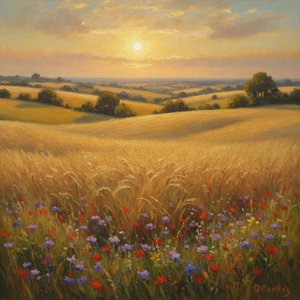
Golden Fields & Sun-Drenched Meadows: Capturing the Soul of Impressionist Landscapes
Immerse yourself in the luminous world of Impressionist landscapes. Discover how masters like Monet and Gauguin captured ephemeral light through plein air painting, and learn to bring the soul of sun-drenched meadows into your home with exquisite, hand-painted oil reproductions.

Beyond the Light: Capturing Raw Emotion and Subjective Vision in Post-Impressionist Landscapes
Explore the profound emotional depth of Post-Impressionist landscapes. Discover how masters like Van Gogh moved beyond light to capture raw human feeling through vibrant color and expressive texture in this expert art history retrospective.

The Beauty of Impermanence: Capturing Decay through Impressionist Eyes
Explore the profound beauty of impermanence through Impressionist and Post-Impressionist eyes. Discover how masters like Monet and Van Gogh captured fleeting light and the poetic essence of nature's transitions in our deep dive into art history and emotional landscapes.

The Timeless Charm of Oil on Board: Reimagining Texture and Light through the Impressionist Lens
Discover the profound intimacy of oil on panel. Explore how Impressionist masters used rigid supports to capture light, texture, and impasto depth through exquisite, handmade oil reproductions for discerning collectors.