


 Visualizar em escala
 Enviar
 Compartilhar
 Ver detalhes
 Guia de Obras do Aluno

 Baixar imagem
 Semelhantes
 Raio X
 Apresentação de slides
 Estatísticas
Café 1


Experience George Grosz’s ‘Café 1’! A vibrant depiction of urban life in Berlin, showcasing his distinctive style & social commentary. Hand-painted reproduction available.
 Ver mais
Descubra George Grosz (1893-1959), um artista chave do Dada e New Objectivity berlinense. Explore suas pinturas satíricas que criticam a Alemanha de Weimar, o fascismo e as mazelas sociais com caricaturas impactantes.
A obra de arte exibida nesta página é protegida por leis de direitos autorais, o que significa que não podemos criar ou vender legalmente uma reprodução idêntica. Esta proteção é aplicada por meio de acordos internacionais, tais como a Convenção de Berna e pelas leis nacionais, incluindo as estabelecidas por Lei de Direitos Autorais dos EUA - Título 17.
Como uma alternativa respeitosa e legal, oferecemos obras de arte personalizadas e pintadas à mão, inspiradas na obra original. Nossos artistas profissionais e experientes estudam cuidadosamente o estilo, a atmosfera e a essência artística da obra original para criar uma peça nova e única que evoque a mesma sensação — permanecendo como uma criação original por direito próprio.
Este método cumpre plenamente as regulamentações de direitos autorais, pois não envolve a cópia ou duplicação da obra protegida. Em vez disso, trata-se de uma reinterpretação criativa — uma nova pintura que é influenciada pela original, mas não idêntica a ela.
Reprodução em Óleo Feita à Mão
Óleo sobre tela pintado à mão no tamanho e moldura de sua escolha, feito sob encomenda pelos nossos artistas. ( Alternar para Impressão Ver Imagem Digital)




P118B €10

P118H €10

P118W €10

P438Z €10

P508JH €12

P508YH €12

P805H €10

P805Z €10

P919BZ €10

P919G €10

P919XJ €10

P959ZH €10

P968JZ €12

W106C €8

W218G €10

W218JH €8

W218Y €10

W307PJ €10

W316G €10

W316PJ €8

W316Y €10

W398PJ €8

W4111J €10

W500HY €15

W500JH €15

W692G €12

W849H €8

W940BG €15

W953PJ €8




Padrão
sob medida
CM
INCH
Escolha entre os nossos tamanhos pré-definidos que respeitam as proporções originais da obra de arte.
Loading sizes...

largura
altura
Digite a largura e a altura de que necessita, para se ajustar à sua moldura ou à sua parede. Esta obra é pintada à mão, por isso, para um tamanho com uma proporção diferente, o artista pode pintar um pouco mais ao redor da imagem ou cortar um pouco — você escolhe. Enviamos-lhe uma maquete digital para aprovação antes de a pintura começar. A imagem exibida nesta página não mostra o resultado real — apenas a maquete mostra.
Exemplos do que pode ser personalizado: Substituir o rosto pela foto do cliente; Adicionar um animal de estimação (ex: substituir gato por cão); Incluir uma mensagem oculta no fundo; Alterar a paisagem ou elementos do fundo.
Após o pedido, a equipa TopImpressionists.com enviará um e-mail ao cliente para solicitar instruções e fornecer uma prévia do esboço.
Após o pedido, a equipa TopImpressionists.com enviará um e-mail ao cliente para solicitar instruções e fornecer uma prévia do esboço.
Entrega mundial () em 3 a 4 semanas, em vez das 5 semanas padrão. (22 Outubro). Sem comprometer a qualidade.

Envio expresso gratuito para todo o mundo

Tela de Linho Premium

Seguro de transporte total

Garantia de Reembolso de Impostos Alfandegários

Garantia de Fidelidade de Cor

Política de Devolução em 100 Dias (Apenas para Defeitos)

Garantia de reembolso de 100%

Desconto para múltiplas unidades
 A opção de vidro está disponível apenas para tamanhos inferiores a 110 cm

Café 1
Técnica de Reprodução
Dimensões da Reprodução
-


Preço Total
€ 236
A Window into the Weimar Soul
In the heart of a bustling, fractured Berlin, George Grosz captures a moment of suspended animation in his evocative work, Café 1. This painting serves as more than just a depiction of a social gathering; it is a vibrant, almost frenetic window into the urban pulse of the early twentieth century. As one gazes upon the canvas, the viewer is immediately swept into a crowded, atmospheric setting where the clinking of cups and the low hum of conversation seem to vibrate through the brushstrokes. The scene is populated by a diverse cast of characters—individuals caught in the quiet, mundane rituals of eating, drinking, and socializing—yet there is an underlying tension that suggests the world outside these cafe walls is far from stable. Through his masterful use of color and composition, Grosz invites us to witness the delicate dance of human connection amidst the encroaching shadows of a changing era.
The technique employed in Café 1 reflects the artist's unique ability to blend meticulous observation with a sharp, satirical edge. While his early training involved the disciplined study of Dutch masters, here we see a departure toward a more expressive and jagged aesthetic. The figures are rendered with a certain rhythmic energy, their forms defined by lines that feel both deliberate and urgent. The interplay of light and shadow across the dining tables creates a sense of depth, drawing the eye through the layers of the crowd toward the subtle details—a man in a tie, a woman lost in thought, and even the unexpected presence of birds that flutter near the periphery. This layering of detail ensures that every glance reveals something new, making the painting an endlessly engaging subject for close study.
Symbolism and the Urban Tapestry
Beyond its surface beauty, Café 1 functions as a profound piece of social commentary. Grosz, a chronicler of societal decay, uses the cafe setting as a microcosm of the Weimar Republic. The arrangement of people—some isolated in their own thoughts, others huddled in small groups—mirrors the fragmented nature of a society struggling to find its footing between tradition and modernity. The presence of the birds adds a layer of surrealist intrigue, perhaps symbolizing a fleeting sense of freedom or an external world that remains indifferent to the human drama unfolding within the cafe's walls. For the discerning collector, the painting offers a rich tapestry of meaning, where every object, from a simple coffee cup to a formal necktie, serves as a symbol of the social hierarchies and cultural shifts defining the age.
For interior designers and art enthusiasts alike, this reproduction offers a commanding presence that brings both historical weight and intellectual depth to any space. The painting’s palette, though colorful, possesses a sophisticated complexity that allows it to integrate seamlessly into both contemporary and classic decor. It acts as a conversation piece, sparking dialogue about history, sociology, and the enduring power of art to capture the human condition. To possess a hand-painted reproduction of Café 1 is to hold a fragment of Berlin's turbulent history, offering an emotional resonance that transcends time and provides a soulful focal point for any curated collection.
Perguntas e Respostas
Posso usar realidade aumentada para ver "Café 1" de George Grosz no meu ambiente?
Você pode visualizar "Café 1" de George Grosz na sua própria parede através da página de Visualização em RA da obra, utilizando realidade aumentada em um dispositivo compatível.
Qual é o uso recomendado de uma impressão de "Café 1"?
Uma reprodução de "Café 1" de George Grosz é recomendada para Conversation. Esta sugestão decorre do tema, do ambiente e das cores da obra.
Qual disposição melhor se adapta ao formato de "Café 1" de George Grosz?
O formato Landscape de "Café 1" de George Grosz é recomendado para um(a) Coffee Shop. O formato e o espaço juntos orientam a disposição de uma reprodução.
Biografia do Artista
A Satirist of Shattered Worlds: The Life and Art of George Grosz
George Grosz, born Georg Ehrenfried Groß em 1893 em Berlim, foi um artista visual que documentou a decadência social e os levantes políticos. Sua arte não era apenas *do* seu tempo—a tumultuada República de Weimar e a ascensão do fascismo—mas uma reação visceral a ela, uma denúncia furiosa expressa em linhas angulares e caricaturas grotescas. Grosz não se contentava em simplesmente retratar Berlim; ele a dessecava, expondo sua podridão moral com honestidade implacável. Os primeiros anos de sua vida foram marcados pela instabilidade após a morte de seu pai, um evento que impulsionou sua mãe a gerenciar uma pensão para oficiais, colocando o jovem Georg em um mundo de militarismo prussiano e hierarquias sociais rígidas—um mundo que ele mais tarde satirizaria implacavelmente. Sua formação artística começou com cópias meticulosas de mestres holandeses tradicionais como Eduard von Grützner, aprimorando a habilidade técnica antes de abandonar as convenções acadêmicas para um caminho muito mais provocador. Essa disciplina precoce, no entanto, forneceu a base sobre a qual seu estilo exclusivamente expressivo seria construído.Dada, New Objectivity e o Nascimento de uma Visão Crítica
O desenvolvimento artístico de Grosz esteve inextricavelmente ligado aos movimentos vanguardistas que floresceram na Alemanha pós-Primeira Guerra Mundial. Ele se tornou uma figura central no Dada de Berlim, abraçando seu espírito nihilista e fervor anti-establishment. No entanto, ao contrário de alguns de seus contemporâneos dadaístas que se deleitavam com a pura absurdidade, Grosz canalizou a energia rebelde do Dada em comentários sociais direcionados. Suas obras durante este período—peças como *The Pit* (1921) e *The Pillars of Society* (1926)—são denúncias ardentes da burguesia alemã, da elite militar e do sistema político corrupto que levou a nação à ruína. Ele não estava interessado em beleza estética; ele buscava chocar, provocar e expor hipocrisia. Esse compromisso com a crítica social evoluiu para sua participação no *Neue Sachlichkeit* (New Objectivity), um movimento caracterizado por sua representação realista, mas desapaixonada da vida contemporânea. Embora compartilhasse o foco do New Objectivity na realidade, Grosz infundiu-o com uma sátira única e distinta que o diferenciava de outros artistas associados ao grupo. Suas pinturas e desenhos não eram simplesmente representações da realidade; eram reflexos distorcidos de uma sociedade à beira do colapso.Exílio e Transformação: Um Novo Mundo, um Estilo em Mudança
A ascensão do Nazismo forçou Grosz a se exilar em 1933. Ele encontrou refúgio nos Estados Unidos, tornando-se cidadão naturalizado em 1938. Essa mudança de localização marcou um ponto de virada significativo em sua carreira artística. Distanciado do contexto imediato que alimentava seu trabalho mais poderoso e confrontado com novas realidades sociais e políticas, o estilo de Grosz começou a mudar. As caricaturas abertas e agressivas deram lugar a paisagens e retratos mais contidos, muitas vezes tingidos por um senso de melancolia e desilusão. Embora ele continuasse a expor e lecionar na Art Students League em Nova York, sua obra carecia da urgência bruta de seu período berlinense. Ele lutou para encontrar seus pés em um novo ambiente, lidando com sentimentos de alienação e incerteza artística. As visões apocalípticas que surgiram durante este tempo—pinturas retratando paisagens desoladas e figuras fragmentadas—refletiam não apenas os horrores em curso na Europa, mas também sua própria angústia interna.Principais Obras e Legado
Ao longo de sua carreira, Grosz produziu uma vasta gama de obras que refletem seu estilo único e visão crítica. Algumas de suas pinturas mais notáveis incluem *The Pit* (1921), uma representação brutal da desigualdade social; *The Agitator* (1924), uma sátira mordaz da política e do poder; e *Pillars of Society* (1926), uma crítica contundente da burguesia alemã. Suas obras também incluem inúmeras caricaturas, desenhos e aguarelas que retratam a vida em Berlim com humor negro e sarcasmo implacável. A influência de Grosz pode ser vista no trabalho de muitos artistas que o seguiram, aqueles atraídos por seu compromisso com o engajamento social e sua disposição de usar a arte como uma arma contra a injustiça. Sua obra permanece relevante hoje como um testemunho da importância da liberdade de expressão e da necessidade de questionar as estruturas de poder.- Poder Sátirico: O uso magistral de caricatura de Grosz continua a inspirar artistas e comentaristas hoje.
- Comentário Social: Sua crítica implacável aos males sociais permanece incrivelmente relevante em um mundo que ainda luta com desigualdade, corrupção e polarização política.
- Testemunho Histórico: Sua arte fornece uma visão valiosa do clima social e político da Alemanha entre as duas guerras mundiais, oferecendo uma compreensão visceral das forças que levaram à Segunda Guerra Mundial.

George Grosz
1893 - 1959 , Alemanha
Informações Rápidas
- Artistic Movement Or Style: Dada e Nova Objetividade
- Artists Or Movements Influenced By This Artist: ['Expressionismo']
- Date Of Birth: 26 de julho de 1893
- Date Of Death: 6 de julho de 1959
- Full Name: George Grosz
- Nationality: Alemão
- Notable Artworks:
- The Pit
- Pillars Society
- Place Of Birth: Berlim, Alemanha
Artigos Relacionados
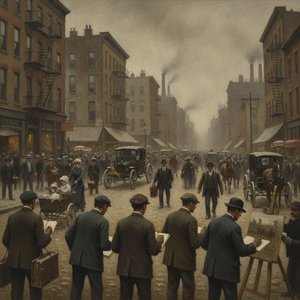
The Ashcan School: Capturing the Raw, Unfiltered Soul of Urban Life through American Realism
Discover the raw beauty of the Ashcan School. Explore how masters like Bellows and Henri captured the gritty, vibrant soul of early 20th-century New York through profound American Realism and evocative urban landscapes.
Explore obras de arte organizadas por temas, estilos e características.


