


 Visualizar em escala
 Enviar
 Compartilhar
 Ver detalhes
 Guia de Obras do Aluno

 Baixar imagem
 Semelhantes
 Raio X
 Apresentação de slides
 Estatísticas
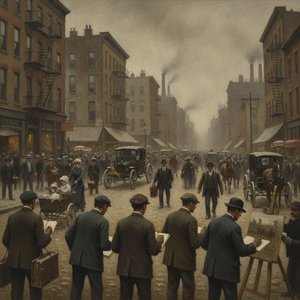
Lone Tenement


Experience the vibrant energy of George Bellows' 'Lone Tenement,' a pivotal realist painting capturing urban life in 1909. A stunning reproduction from the National Gallery of Art, showcasing American dynamism and artistic skill.
 Ver mais
George Bellows: um pintor realista icônico que capturou a vida urbana e o mundo do boxe nos EUA. Suas obras refletem a modernidade e os desafios da época, com estilo vibrante e inovador.
Reprodução em Óleo Feita à Mão
Óleo sobre tela pintado à mão no tamanho e moldura de sua escolha, feito sob encomenda pelos nossos artistas. ( Alternar para Impressão Ver Imagem Digital)




P118B €10

P118H €10

P118W €10

P438Z €10

P508JH €12

P508YH €12

P805H €10

P805Z €10

P919BZ €10

P919G €10

P919XJ €10

P959ZH €10

P968JZ €12

W106C €8

W218G €10

W218JH €8

W218Y €10

W307PJ €10

W316G €10

W316PJ €8

W316Y €10

W398PJ €8

W4111J €10

W500HY €15

W500JH €15

W692G €12

W849H €8

W940BG €15

W953PJ €8




Padrão
sob medida
CM
INCH
Escolha entre os nossos tamanhos pré-definidos que respeitam as proporções originais da obra de arte.
Loading sizes...

largura
altura
Pode inserir as suas próprias dimensões para se adequar a uma moldura ou espaço específico. Se o tamanho selecionado não corresponder às proporções da imagem original, iremos cortar a obra de arte ou estender a pintura com elementos adicionais pintados à mão. Um esboço digital será enviado para sua aprovação antes do início da produção.
Tenha em atenção que a pré-visualização no ecrã não reflete o corte ou extensão real. Apenas o esboço mostrará com precisão a composição final.
Embora tamanhos personalizados estejam disponíveis, recomendamos selecionar uma dimensão da lista predefinida para preservar as proporções originais.
Exemplos do que pode ser personalizado: Substituir o rosto pela foto do cliente; Adicionar um animal de estimação (ex: substituir gato por cão); Incluir uma mensagem oculta no fundo; Alterar a paisagem ou elementos do fundo.
Após o pedido, a equipa TopImpressionists.com enviará um e-mail ao cliente para solicitar instruções e fornecer uma prévia do esboço.
Após o pedido, a equipa TopImpressionists.com enviará um e-mail ao cliente para solicitar instruções e fornecer uma prévia do esboço.
Entrega mundial () em 3 a 4 semanas, em vez das 5 semanas padrão. (7 Outubro). Sem comprometer a qualidade.

Envio expresso gratuito para todo o mundo

Tela de Linho Premium

Seguro de transporte total

Garantia de Reembolso de Impostos Alfandegários

Garantia de Fidelidade de Cor

Política de Devolução em 100 Dias (Apenas para Defeitos)

Garantia de reembolso de 100%

Desconto para múltiplas unidades
 A opção de vidro está disponível apenas para tamanhos inferiores a 110 cm

Lone Tenement
Técnica de Reprodução
Dimensões da Reprodução
-


Preço Total
€ 231
A Snapshot of Urban Life: Exploring George Bellows’ “Lone Tenement”
George Wesley Bellows' "Lone Tenement," painted in 1909, isn’t merely a depiction of a city street; it’s a vibrant pulse captured on canvas. This oil on canvas, now residing within the esteemed collection of the National Gallery of Art in Washington D.C., offers a remarkably honest and unromanticized portrayal of American urban existence during a period of rapid transformation. Bellows, already establishing himself as a key figure in the realist movement, masterfully utilizes composition and color to convey an immediate sense of energy and activity – a feeling that resonates powerfully even today.
The scene unfolds with a dynamic immediacy. A bustling street is populated by figures engaged in everyday tasks: individuals hurrying along, carrying umbrellas against a likely rain, and the quiet observation of a horse tethered to a post on the left foreground. The inclusion of two boats moored in the background hints at the proximity of water – perhaps a river or harbor – further grounding the scene within a larger urban context. Bellows’ eye for detail is evident in the subtle variations of light and shadow, lending depth and realism to each element of the composition. It's a testament to his ability to distill complex scenes into powerfully evocative images.
The Realist Vision: Technique and Composition
Bellows’ approach to painting is distinctly rooted in American Realism, a style that sought to represent life as it truly was – without idealization or embellishment. This is particularly evident in the brushwork; it's loose and expressive, capturing movement and texture with remarkable skill. Notice how he uses short, broken strokes to suggest the flow of traffic and the hurried steps of pedestrians. The color palette leans towards muted tones—grays, browns, and blues—reflecting the atmosphere of a city street, yet punctuated by brighter accents that draw the eye to key figures and details. The strategic placement of the horse, slightly out of focus, creates an intriguing foreground element, subtly shifting the viewer’s perspective and inviting closer inspection.
Furthermore, Bellows' background elements – the boats – aren’t simply decorative; they contribute significantly to the painting’s narrative. They suggest a connection to commerce, transportation, and perhaps even a sense of longing for escape or adventure. The overall composition is carefully balanced, drawing the viewer into the heart of the scene while simultaneously conveying a feeling of movement and dynamism.
Historical Context and Enduring Relevance
“Lone Tenement” was created during a period of immense social and economic change in America – the dawn of the 20th century. Rapid industrialization, urbanization, and immigration were reshaping the nation’s landscape and its people. Bellows' work reflects this transformation, offering a glimpse into the lives of ordinary Americans navigating these complex changes. The painting speaks to themes of community, labor, and the challenges faced by those living in densely populated urban environments – issues that remain remarkably relevant today.
Considering the artist’s biography, it's clear that Bellows’ background as an athlete profoundly influenced his artistic perspective. His keen observation skills, honed through years of physical activity, translated into a remarkable ability to capture movement and form with precision and power. The National Gallery of Art’s Chester Dale Collection provides invaluable context for understanding Bellows’ work and its place within the broader history of American art.
Bringing “Lone Tenement” Home: Reproduction Options
TopImpressionists offers meticulously crafted, hand-painted reproductions of George Bellows' "Lone Tenement," allowing you to experience this iconic artwork in stunning detail. Each reproduction is created by skilled artists who painstakingly recreate the original’s textures, colors, and brushstrokes, ensuring an authentic representation of Bellows’ vision. Whether displayed as a striking statement piece or incorporated into a broader interior design scheme, a TopImpressionists reproduction of “Lone Tenement” will undoubtedly become a focal point, sparking conversation and evoking the energy and spirit of early 20th-century America. Explore our collection today to bring this remarkable work of art into your space.
Perguntas e Respostas
Qual é a data de criação de "Lone Tenement" de George Wesley Bellows?
"Lone Tenement" data de 1909. A data situa a obra na carreira de George Wesley Bellows e em sua época.
Existem obras semelhantes a "Lone Tenement"?
A página Semelhantes de "Lone Tenement" de George Wesley Bellows apresenta obras relacionadas.
Como é descrita a paleta de "Lone Tenement" de George Wesley Bellows?
"Lone Tenement" de George Wesley Bellows utiliza uma paleta de cores Earthy. A paleta resume o caráter cromático geral da obra.
A qual artista "Lone Tenement" é atribuída?
O artista por trás de "Lone Tenement" é George Wesley Bellows. A obra está catalogada sob o nome de George Wesley Bellows.
Qual era a idade de George Wesley Bellows ao criar "Lone Tenement" em 1909?
Quando "Lone Tenement" foi criada em 1909, George Wesley Bellows — nascido(a) em 1882 — tinha 27 anos.
Sobre o que trata "Lone Tenement" e qual é a sua atmosfera?
"Lone Tenement" de George Wesley Bellows retrata urban scene, city street, american art, bellows, 1909, realism, people, boats, em uma atmosfera Nostalgic. O tema e a ambientação descrevem, juntos, a obra.
Como posso visualizar "Lone Tenement" de George Wesley Bellows em formato de apresentação de slides?
O diaporama de "Lone Tenement" pode ser visualizado na página Apresentação de slides da obra.
Biografia do Artista
A Bold Vision of American Life: The World of George Bellows
George Wesley Bellows, um nome sinônimo da energia bruta e da modernidade em ascensão na América do início do século XX, emergiu como uma figura central na pintura realista. Nascido em Columbus, Ohio, em 12 ou 19 de agosto de 1882, sua jornada de promessa atlética a reconhecimento artístico é um testemunho do poder da paixão e da dedicação inabalável. Mesmo antes da educação formal, o jovem George demonstrava um talento inerente para desenho, preenchendo cadernos com esboços que prenunciavam o olhar atento e a habilidade em desenvolvimento dentro dele. Sua criação não se concentrava apenas na arte; ele se destacava nos esportes, jogando tanto baseball quanto basquete na Universidade Estadual de Ohio – uma dualidade que influenciaria profundamente sua perspectiva artística, imbuindo seu trabalho com um senso de movimento dinâmico e fisicalidade. Essa formação atlética lhe conferiu não apenas disciplina, mas também apreciação pela forma humana em ação, um tema que se tornaria central em seus quadros mais celebrados. Ele abandonou a universidade pouco antes de se formar, impulsionado por uma irresistível atração para Nova York e a promessa de treinamento artístico.Forjando um Caminho: A Escola Ashcan e Além
Chegando a Nova York em 1904, Bellows encontrou mentoria com Robert Henri, uma figura proeminente da Escola Ashcan. Esse grupo de artistas – incluindo John Sloan, William Glackens e George Luks – deliberadamente se afastou das convenções acadêmicas, optando por retratar a realidade crua da vida urbana: cortiços lotados, ruas movimentadas e as lutas cotidianas dos trabalhadores. Bellows abraçou essa ética com entusiasmo, inicialmente refletindo o pincel solto e o compromisso com o realismo social de Henri. No entanto, ele não estava satisfeito em simplesmente replicar o estilo de seu mestre; possuía uma ambição de forjar sua própria voz artística distinta. Ele estabeleceu um estúdio com o colega artista Edward Keefe em 1906, marcando o início de um período prolífico de experimentação. Seus primeiros trabalhos, exibidos em 1908, foram recebidos com reações mistas – alguns críticos os consideraram grosseiros, enquanto outros reconheceram sua ousada audácia e espírito inovador. O assunto de seus quadros era frequentemente controverso para a época, desafiando as concepções prevalecentes sobre o que constituía “arte aceitável”. Ele não hesitou em retratar os aspectos menos glamourosos da vida urbana, capturando cenas de pobreza, trabalho e lazer com honestidade implacável.O Domínio da Arena: Boxe e Espectáculo Urbano
Embora o conjunto de obras de Bellows abrangesse uma ampla gama de assuntos – retratos, paisagens, paisagens marítimas –, ele é talvez mais conhecido por suas representações poderosas de lutas de boxe. Esses não eram apenas eventos esportivos para ele; eram microcosmos de drama humano, encarnando temas de luta, resiliência e os instintos primais que impulsionam a competição. Ele frequentava clubes de boxe fumarentos, estudando meticulosamente os movimentos dos lutadores, o olhar intenso de seus olhos e a energia bruta da multidão. Quadros como *Both Members of This Club* (1909) e *Stag at Sharkey’s* (1909) são exemplos magistrais de sua capacidade de capturar essa atmosfera, utilizando iluminação dramática, composições dinâmicas e um senso palpável de tensão. As cenas de boxe não eram simplesmente sobre o esporte em si; elas eram metáforas para as batalhas da vida, refletindo o darwinismo social prevalecente na sociedade americana da época. Além do boxe, Bellows também encontrou inspiração em outros espectáculos de vida urbana – paradas, circos e ruas movimentadas – todos oferecendo oportunidades para explorar temas de movimento, energia e a experiência coletiva.Evolução do Estilo e Legado Duradouro
À medida que Bellows amadurecia como artista, seu estilo passou por uma evolução sutil, mas significativa. Embora tenha mantido seu compromisso com o realismo, ele começou a se afastar da pincelada solta de seus primeiros anos, adotando uma estética mais estilizada caracterizada por curvas suaves, formas monumentais e um senso aumentado de drama. Essa mudança é evidente em obras posteriores como *Dempsey and Firpo* (1924), uma tela monumental que captura o momento climático de uma lendária luta de boxe com intensidade arrebatadora. Ele também experimentou com a litografia, produzindo uma série de impressões marcantes que demonstravam sua maestria na linha e no tom. Apesar de alcançar um sucesso considerável durante sua vida – incluindo a eleição para a Academia Nacional de Design em 1913 –, Bellows permaneceu comprometido em desafiar as fronteiras artísticas e as normas convencionais. Sua morte prematura em 1925, aos 42 anos, interrompeu uma carreira promissora, mas seu legado perdura como um dos pintores realistas mais importantes da América – um retrato poderoso e sem compromisso da vida americana no início do século XX – um mundo repleto de energia, conflito e o espírito duradouro da humanidade. Sua influência pode ser vista nas gerações posteriores de artistas que procuraram capturar a dinâmica e a complexidade da vida urbana moderna. George Bellows não pintava apenas quadros; ele documentava uma era.Principais Obras & Reconhecimento
- *Both Members of This Club* (1909) – Uma obra seminal que captura a atmosfera de um clube de boxe.
- *Stag at Sharkey’s* (1909) – Outro quadro icônico que retrata uma luta de boxe, conhecido por sua iluminação dramática e composição.
- *Men of the Docks* (1912) – Uma representação poderosa dos trabalhadores da costa, mostrando a habilidade de Bellows em capturar fisicalidade e textura.
- *The Germans Arrive* (1918) – Uma série de litografias que retratam as atrocidades cometidas durante a Primeira Guerra Mundial, demonstrando seu engajamento com questões sociais e políticas.
- *Dempsey and Firpo* (1924) – Uma tela monumental que captura o momento climático de uma luta de boxe lendária, mostrando o estilo evoluído de Bellows e sua maestria na composição.

George Wesley Bellows
1882 - 1925 , Estados Unidos da América
Informações Rápidas
- Artistic Movement Or Style: Realismo, Ashcan
- Artists Or Movements Influenced By This Artist: ['Ashcan School']
- Artists Who Influenced This Artist: ['Robert Henri']
- Date Of Birth: 1882
- Date Of Death: 1925
- Full Name: George Wesley Bellows
- Nationality: Americano
- Notable Artworks:
- Both Members
- Stag Sharkey
- Men Docks
- Place Of Birth: Columbus, EUA
Artigos Relacionados

The Unvarnished Truth: A Cultural Journey Through the Soul of American Realism
Explore the profound beauty of American Realism. From the Ashcan School's urban grit to intimate portraits, discover how artists captured the authentic soul of a nation through unvarnished truth and masterful observation.
The Ashcan School: Capturing the Raw, Unfiltered Soul of Urban Life through American Realism
Discover the raw beauty of the Ashcan School. Explore how masters like Bellows and Henri captured the gritty, vibrant soul of early 20th-century New York through profound American Realism and evocative urban landscapes.
Explore obras de arte organizadas por temas, estilos e características.
