


 Visualizar em escala
 Enviar
 Compartilhar
 Ver detalhes
 Guia de Obras do Aluno

 Baixar imagem
 Semelhantes
 Raio X
 Apresentação de slides
 Estatísticas
Trees, winter
 Oil On Canvas
- WallArt
- Post-Impressionism
 1883
1883- 19th Century
 15.0 x 25.0 cm
Experience Georges Pierre Seurat’s "Trees, Winter," a stunning post-impressionist masterpiece showcasing Pointillism's luminous precision and captivating winter forest scene. Discover this iconic artwork and bring its beauty into your space.
 Ver mais
Descubra Georges Seurat (1859-1891), pioneiro do Pontilhismo & Neo-Impressionismo! Explore 'Um Domingo na Ilha de La Grande Jatte' e sua revolucionária teoria da cor. Compre reproduções pintadas à mão!
Giclée / Impressão de Arte
Impressão giclée ou em tela de qualidade de museu, com produção rápida e opções flexíveis de acabamento. ( Encomendar reprodução pintada à mão Ver Imagem Digital)




P118B €10

P118H €10

P118W €10

P438Z €10

P508JH €12

P508YH €12

P805H €10

P805Z €10

P919BZ €10

P919G €10

P919XJ €10

P959ZH €10

P968JZ €12

W106C €8

W218G €10

W218JH €8

W218Y €10

W307PJ €10

W316G €10

W316PJ €8

W316Y €10

W398PJ €8

W4111J €10

W500HY €15

W500JH €15

W692G €12

W849H €8

W940BG €15

W953PJ €8




Padrão
sob medida
CM
INCH
Escolha entre os nossos tamanhos pré-definidos que respeitam as proporções originais da obra de arte.
Loading sizes...

largura
altura
Digite a largura e a altura de que necessita, para se ajustar à sua moldura ou à sua parede. Uma impressão só pode ser cortada, nunca ampliada além da imagem original, pelo que um tamanho com uma proporção diferente perderá parte da imagem. Enviamos-lhe uma maquete digital para aprovação antes de imprimirmos qualquer coisa. A imagem apresentada nesta página não mostra o corte real — apenas a maquete o faz.
Entrega mundial () em 2 semanas, em vez das 4/5 semanas padrão. (24 Outubro)

Envio expresso gratuito para todo o mundo

Tela de Linho Premium

Seguro de transporte total

Garantia de Reembolso de Impostos Alfandegários

Garantia de Fidelidade de Cor

Política de Devolução em 100 Dias (Apenas para Defeitos)

Garantia de reembolso de 100%

Desconto para múltiplas unidades
 A opção de vidro está disponível apenas para tamanhos inferiores a 110 cm

Trees, winter
Giclée / Impressão de Arte
Dimensões da Reprodução
-


Preço Total
€ 61
Georges Pierre Seurat’s “Trees, Winter”: A Symphony of Light and Precision
“Trees, Winter,” painted in 1883 by Georges Pierre Seurat stands as a cornerstone of Post-Impressionism—a movement that irrevocably altered the course of artistic expression. More than just a depiction of a snowy forest landscape, this artwork embodies Seurat’s groundbreaking approach to painting: Pointillism, a method rooted in scientific observation and driven by an unwavering desire to capture the essence of visual perception.
Seurat's journey toward artistic innovation began amidst the intellectual ferment of Parisian life. Born in 1859, he benefited from a privileged upbringing fostered by his father’s legal profession and subsequent foray into property speculation—allowing him access to formative art education. Early influences included Impressionism, particularly Monet and Renoir, yet Seurat swiftly recognized limitations within Impressionistic techniques, prioritizing instead the pursuit of optical accuracy.
The Science Behind Brilliance: Pointillist Technique
Unlike Impressionists who blended colors on canvas to create an illusion of luminosity, Seurat meticulously applied tiny dots of pure pigment—primarily complementary hues—onto the surface. This seemingly simple technique demanded exhaustive mathematical calculations and a profound understanding of color theory. Seurat’s meticulous process aimed to stimulate retinal cells, triggering a phenomenon known as chromoluminarism – essentially recreating the way light interacts with surfaces to produce color perception.
- Mathematical Precision: Seurat employed hexagonal grids overlaid on his canvas to ensure consistent spacing and distribution of pigment dots.
- Complementary Color Harmony: The artist skillfully utilized complementary colors—such as yellow and violet—to maximize visual impact and create a vibrant, balanced composition.
- Optical Mixing: Rather than blending pigments physically, Seurat relied on the eye’s ability to fuse adjacent dots of color, resulting in an astonishingly luminous effect.
A Landscape Steeped in Symbolism
"Trees, Winter" transcends mere topographical representation; it speaks to themes of solitude and contemplation amidst the austere beauty of nature. The stark white snow serves as a canvas for Seurat’s masterful rendering of bare branches—a visual metaphor for resilience and enduring strength during periods of dormancy. Furthermore, the muted earth tones contribute to an atmosphere of quiet introspection, inviting viewers to pause and appreciate the subtle nuances of winter light.
Emotional Resonance: Capturing Atmosphere
Despite its seemingly objective depiction, “Trees, Winter” possesses a palpable emotional depth. Seurat’s unwavering dedication to scientific rigor—combined with his sensitivity to color and texture—creates an artwork that resonates with viewers on a visceral level. It's a testament to the artist’s ability to transform observation into profound artistic expression, securing its place as a timeless masterpiece of Post-Impressionism.
Perguntas e Respostas
Qual é a luminância de "Trees, winter" de Georges Pierre Seurat?
As cores de "Trees, winter" apresentam uma luminância Gentle Luminance.
Qual é a proporção de "Trees, winter" de Georges Pierre Seurat e quais são as suas dimensões?
"Trees, winter" de Georges Pierre Seurat possui as proporções de uma obra em Panoramic de 15 x 25 cm.
Qual técnica foi utilizada para "Trees, winter" de Georges Pierre Seurat?
A técnica de "Trees, winter" de Georges Pierre Seurat é Oil On Canvas. As reproduções visam reproduzir a aparência desta técnica.
Obras Relacionadas


Biografia do Artista
Georges Seurat: A Luz da Ciência e a Poesia do Ponto
Georges Pierre Seurat, nascido em Paris em 1859, é uma figura singular na história da arte, um visionário que transformou a pintura ao transitar do Impressionismo para as fronteiras da modernidade. Sua carreira, embora breve – falecendo aos 31 anos – foi marcada por uma intensidade e precisão notáveis, culminando no desenvolvimento do Pontilhismo, uma técnica revolucionária enraizada em princípios científicos e na busca incessante pela verdade óptica. A história de Seurat é a de um observador meticuloso, um intelectual rigoroso e um artista dotado de uma sensibilidade profunda para as nuances da luz e da cor – qualidades que o distinguiram de seus contemporâneos e continuam a fascinar o público até hoje. Sua infância, embora aparentemente convencional, lançou as bases para suas futuras explorações artísticas. A família mudou-se para o Boulevard de Magenta logo após seu nascimento, e seu pai, Antoine Chrysostome Seurat, um ex-funcionário legal transformado em especulador imobiliário, proporcionou uma educação confortável que permitiu ao jovem Georges acesso à formação artística. Iniciou sua jornada formal na École Municipale de Sculpture et Dessin sob a tutela do escultor Justin Lequien, seguido pelo ingresso na prestigiada École des Beaux-Arts em 1878, onde estudou com Henri Lehmann. Esses anos formativos lhe proporcionaram uma base sólida nas técnicas tradicionais, mas mesmo então, uma personalidade artística única começava a se manifestar – uma fusão de sensibilidade delicada e uma crescente fascinação pela análise sistemática.Da Academia à Cromoluminarismo: Uma Busca por Precisão
O desenvolvimento artístico de Seurat não foi um salto repentino para a inovação, mas sim uma evolução gradual impulsionada pela curiosidade intelectual e pela experimentação rigorosa. Inicialmente, seu trabalho refletia os padrões acadêmicos da época, demonstrando proficiência em desenho e respeito pelos princípios composicionais estabelecidos. No entanto, logo começou a questionar essas convenções, buscando uma abordagem mais científica para a pintura. Mergulhou no campo emergente da teoria das cores, estudando os escritos de cientistas como Michel Eugène Chevreul e Ogden Rood, que exploravam os efeitos ópticos das cores justapostas. Essa pesquisa tornou-se a pedra angular de sua técnica revolucionária, o cromoluminarismo – a ciência da cor – e sua aplicação prática, o Pontilhismo. A ideia central era surpreendentemente simples: aplicar pequenos pontos distintos de cores puras em uma tela, confiando no olhar do espectador para misturá-los opticamente e criar um efeito vibrante e luminoso. Não se tratava apenas de alcançar cores mais brilhantes; era sobre entender como o sistema visual humano percebia a luz e a cor, e aproveitar esse conhecimento para criar uma experiência de pintura mais dinâmica e envolvente. Ele preparava meticulosamente suas composições em grande escala com desenhos a lápis Conté em papel áspero, mapeando cuidadosamente o posicionamento de cada ponto, demonstrando uma precisão quase matemática em seu processo artístico.Obras-Primas da Inovação: Visões Artísticas e Conquistas
A culminação de sua pesquisa e experimentação é talvez melhor exemplificada em A Tarde de Domingo na Ilha de Grande Jatte (1884-1886), uma obra monumental que marcou o início do Neo-Impressionismo. Esta pintura icônica, retratando parisienses desfrutando de uma tarde de lazer às margens do Sena, mostra sua técnica pontilhista em seu auge. As figuras, renderizadas como pontos cuidadosamente colocados de cor, parecem cintilar e vibrar com luz, criando uma atmosfera de calma serena. Alfalfa, Saint-Denis (1886-1887) demonstra sua aplicação da teoria das cores a uma paisagem rural, enquanto obras anteriores como Paisagem em Saint-Ouen (1882-1883) revelam seu estilo em evolução e crescente interesse em capturar os efeitos de luz e atmosfera. Mesmo as representações da vida parisiense moderna, como A Torre Eiffel (1889), foram transformadas por sua técnica única, mostrando uma mistura harmoniosa de modernidade industrial e inovação artística. Os Banho em Asnières (1884), outra obra significativa, explorou temas de lazer e vida moderna com seu estilo distinto, prenunciando a abordagem mais refinada vista em *Grande Jatte*. Essas pinturas não eram meras representações de cenas; eram experimentos visuais cuidadosamente construídos projetados para explorar as possibilidades da cor e da percepção.Um Legado Duradouro: Influência e Significado Histórico
Apesar de uma vida tragicamente curta – Seurat faleceu aos 31 anos em 1891 – seu impacto no mundo da arte foi profundo e abrangente. Seu trabalho desafiou as convenções artísticas tradicionais, abrindo caminho para inúmeros movimentos subsequentes. A ênfase na expressão subjetiva e na exploração de novas técnicas ressoou com artistas que buscavam romper com as restrições acadêmicas. A influência de Seurat pode ser vista nas obras dos Fauvistas, que abraçaram cores ousadas e pinceladas expressivas; dos Cubistas, que desconstruíram formas em formas geométricas; e dos Expressionistas Abstratos, que priorizaram a intensidade emocional e o gesto espontâneo. Sua abordagem científica à pintura, embora inicialmente controversa, ampliou, em última análise, a definição de possibilidade artística. Ele demonstrou que a arte poderia ser intelectualmente rigorosa e emocionalmente evocativa, uma síntese que continua a inspirar artistas hoje. O legado de Seurat se estende além de suas inovações técnicas; ele deixou para trás um corpo de trabalho que captura a essência da vida moderna com precisão e beleza incomparáveis, solidificando seu lugar como um verdadeiro pioneiro da arte moderna. Suas pinturas permanecem testemunhos do poder da observação, experimentação e o desejo humano duradouro de entender o mundo ao nosso redor através das lentes da expressão artística.
Georges Pierre Seurat
1859 - 1891 , França
Informações Rápidas
- Artistas Influenciados:
- Fauvismo
- Cubismo
- Expressionismo Abstrato
- Artistas Que Influenciaram:
- Michel Eugène Chevreul
- Ogden Rood
- Data De Morte: 29 de março de 1891
- Data De Nascimento: 2 de dezembro de 1859
- Local De Nascimento: Paris, França
- Movimento Artístico: Neo-Impressionismo, Pontilhismo
- Nacionalidade: Francês
- Nome Completo: Georges Pierre Seurat
- Obras Notáveis:
- Um Domingo na Ilha...
- Banhistas em Asnières
- Torre Eiffel (1889)
Artigos Relacionados

Beyond the Light: Discovering the Soul and Emotional Depth of Post-Impressionism
Embark on a cultural journey through Post-Impressionism. Discover the profound emotional depth of masters like Van Gogh and Cézanne, exploring how they moved beyond light to capture the very soul of human experience through vibrant color and symbolic form.
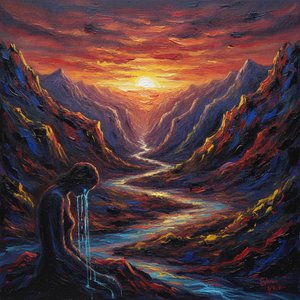
Capturing Emotion: A Journey Through the Soul of Expressionist Landscapes
Explore the profound emotional depth of Expressionist landscapes. Discover how Post-Impressionist masters moved beyond light to capture the soul through vibrant color and form. A curated journey for true art lovers seeking the beauty of expressive mastery.
Explore obras de arte organizadas por temas, estilos e características.


