

Shown: · With its frame:
 Visualizar na parede
 Compartilhar
 Compartilhar
 Detalhes
 Guia
Guia

 Baixar imagem
 Semelhantes
 Raio X
 Ver diaporama
 Q&A
Q&A Estatísticas
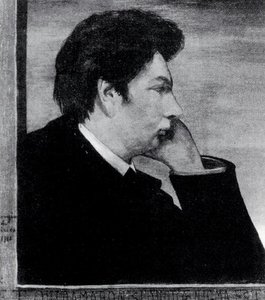
Self-portrait 7


€ 237
Reprodução em Óleo Feita à Mão
Óleo sobre tela pintado à mão no tamanho e moldura de sua escolha, feito sob encomenda pelos nossos artistas. ( Alternar para Impressão Alternar para Imagem Digital)
Esta obra está protegida por direitos autorais
A obra de arte exibida nesta página é protegida por leis de direitos autorais, o que significa que não podemos criar ou vender legalmente uma reprodução idêntica. Esta proteção é aplicada por meio de acordos internacionais, tais como a Convenção de Berna e pelas leis nacionais, incluindo as estabelecidas por Lei de Direitos Autorais dos EUA - Título 17.
Como uma alternativa respeitosa e legal, oferecemos obras de arte personalizadas e pintadas à mão, inspiradas na obra original. Nossos artistas profissionais e experientes estudam cuidadosamente o estilo, a atmosfera e a essência artística da obra original para criar uma peça nova e única que evoque a mesma sensação — permanecendo como uma criação original por direito próprio.
Este método cumpre plenamente as regulamentações de direitos autorais, pois não envolve a cópia ou duplicação da obra protegida. Em vez disso, trata-se de uma reinterpretação criativa — uma nova pintura que é influenciada pela original, mas não idêntica a ela.
 Leia mais
Size
·Tamanho padrão
personalizado
CM
INCH
Escolha entre os nossos tamanhos pré-definidos que respeitam as proporções originais da obra de arte.
Loading sizes...

largura
altura
Insira a largura e a altura desejadas para se ajustarem à sua moldura ou parede. Como esta obra é pintada à mão, para um tamanho com proporções diferentes, o artista poderá pintar um pouco mais ao redor da imagem ou reduzir ligeiramente a composição — você escolhe. Enviamos uma maquete digital para sua aprovação antes de iniciar a pintura. A imagem exibida nesta página não representa o resultado real — apenas a maquete mostra o resultado final.
Finish
·
White €1

Blurside €1

Extended €1

P118B €10

P118H €10

P118W €10

P438Z €10

P508JH €12

P508YH €12

P805H €10

P805Z €10

P919BZ €10

P919G €10

P919XJ €10

P959ZH €10

P968JZ €12

W106C €8

W218G €10

W218JH €8

W218Y €10

W307PJ €10

W316G €10

W316PJ €8

W316Y €10

W398PJ €8

W4111J €10

W500HY €15

W500JH €15

W692G €12

W849H €8

W940BG €15

W953PJ €8

H24-GOLD €30

H24-SILVER €30

H36-GOLD €45

H36-SILVER €45
Shipped in a protective tube, ready for your own framer.
Above 105 cm the frame is shipped as a kit for a professional framer — read the details.
Extras
optionalWhat do the extras include?
Examples of what can be changed: Replace face with customer photo; Add pet (e.g., replace cat with dog); Include hidden message in background; Change background landscape or elements.
After order, TopImpressionists.com team will email client for instructions and provide a mockup preview
After order, TopImpressionists.com team will email client for instructions and provide a mockup preview
Entrega mundial () em 3 a 4 semanas, em vez das 5 semanas padrão. (29 Outubro). Sem comprometer a qualidade.
Verniz de Proteção
Etiqueta de identificação
Detalhes da Placa de Bronze Gravada
This elegant plaque features the artist's name and the title of the artwork, finely engraved for a timeless presentation.
It is made from bronze with a refined, elegant finish. The text is precisely laser-engraved for a sharp and permanent result. Measuring 9x2 cm, the plaque is compact yet easy to read. It's built to be durable and scratch-resistant, offering a professional, museum-quality look. Mounting is simple thanks to the included adhesive backing.
Detalhes da Placa de Acrílico Transparente
The plaque includes essential engraved details such as the artist's name, the title of the artwork, the date it was created, the type of media used-like oil on canvas or watercolor-a brief description of the piece, and a QR code that links to the complete artwork information.
It is crafted from clear acrylic, offering a sleek, modern appearance. The text is UV-engraved in black to ensure strong visual contrast. With a size of 10x15 cm, it ensures optimal readability. It comes equipped with two metal hooks for secure wall mounting. The plaque is designed to be weather-resistant, making it suitable for various environments, and it includes interactive features that work seamlessly with smartphone scanning.
Detalhes da Placa de Acrílico Preto
This elegant plaque includes engraved information such as the artist's name, the title of the artwork, the date it was created, the type of media used (like oil on canvas or watercolor), a short description of the artwork, and a QR code for quick access to more information.
The plaque itself is made from refined black acrylic with a premium finish. The text is laser-engraved in white for high contrast and readability. Its size is 10x15 cm, designed to be easy to read. It comes with two metal hooks for professional mounting. The design is sleek and fits any interior style. It is also weather-resistant and durable, with built-in digital integration for mobile compatibility.
A opção de vidro está disponível apenas para tamanhos inferiores a 110 cm
 A opção de vidro está disponível apenas para tamanhos inferiores a 110 cm
- Envio expresso gratuito para todo o mundo
- Tela de Linho de Alta Qualidade
- Seguro de transporte completo
- Garantia de Reembolso de Impostos Alfandegários
- Garantia de Fidelidade Cromática
- Política de Devolução em 100 Dias (Apenas para Defeitos)
- Garantia de reembolso de 100%
- Oferta de desconto por quantidade


Descrição do Item
A haunting self-portrait by Giorgio de Chirico (1922). Explore the artist's melancholic style, surreal imagery, and philosophical depth in this iconic masterpiece.
Biografia do Artista
Explore o universo surreal de Giorgio de Chirico (1888-1978), fundador da arte metafísica. Descubra paisagens urbanas oníricas, temas filosóficos e manequins icônicos. Influenciou o Surrealismo.
About the painting
A Dreamscape in Gray: De Chirico’s “Self-Portrait 7”
Giorgio de Chirico's "Self-Portrait 7," painted around 1922, isn’t merely a depiction of an artist; it’s a distilled essence of the anxieties and intellectual currents swirling through Europe at the dawn of the 20th century. This haunting monochrome study, housed within the Toledo Museum of Art, invites us into a realm where reality fractures, memory bleeds into dream, and the self becomes both subject and object—a captivating paradox that defines much of de Chirico’s oeuvre. The painting immediately arrests with its stark simplicity: a figure rendered in muted grays, positioned slightly off-center against a subtly receding backdrop, his hand partially obscuring his mouth as if holding back a profound thought or perhaps a secret sorrow.
The work belongs firmly within de Chirico’s “Metaphysical” period, a movement he pioneered alongside his brother, Andrea Savinio. This style rejected the superficiality of contemporary art and sought to capture not just appearances but the underlying anxieties and irrationalities of human experience. Influenced by philosophers like Arthur Schopenhauer and Friedrich Nietzsche, de Chirico aimed to depict a world where logic dissolves, and the familiar becomes unsettlingly strange. The painting’s palette—a carefully orchestrated symphony of grays—is crucial to this effect. It's not simply black and white; it’s a spectrum of tones that evokes both melancholy and a sense of timelessness, mirroring the artist’s own preoccupation with mortality and the passage of time.
Deconstructing Form: Technique and Composition
Technically, “Self-Portrait 7” is characterized by a meticulous layering of oil paint—a technique de Chirico revisited after abandoning his earlier, more vibrant style. He employed subtle gradations of tone to create an illusion of depth and texture, suggesting the rough surface of clothing and the smooth planes of the face. The composition itself is deceptively simple, yet profoundly effective. The figure’s placement off-center creates a dynamic tension, drawing the eye across the canvas and inviting contemplation. Notice how the background recedes sharply, almost dissolving into an indeterminate space—a technique that reinforces the painting's sense of unease and disorientation.
The use of line is equally deliberate. The strong outlines defining the face and body are softened by the surrounding tones, creating a sense of ambiguity. There’s a deliberate lack of detail; de Chirico wasn’t interested in photographic realism but rather in capturing the *feeling* of a scene—the emotional weight of a moment. The inclusion of the bust of Eudipides, subtly referenced in the painting's title and further explored in another work by the artist, adds an additional layer of symbolic complexity, hinting at themes of fate, suffering, and the burden of knowledge.
Symbolism and Emotional Resonance
The obscured mouth is perhaps the most potent symbol within the portrait. It suggests restraint, introspection, or even a suppressed emotion—a refusal to fully articulate the anxieties that plague the artist’s mind. The overall mood is undeniably melancholic, yet there's also an undercurrent of quiet dignity and resilience. De Chirico wasn’t simply depicting sadness; he was exploring the complex relationship between the self and the world, revealing a profound sense of isolation within a rapidly changing society.
The painting’s setting—a vaguely architectural space—further contributes to its unsettling atmosphere. It's reminiscent of Roman arcades, which de Chirico frequently depicted in his work, but here they feel strangely deserted and devoid of life. This reinforces the sense of alienation and loneliness that permeates the portrait. The subtle inclusion of a tangerine adds an unexpected element of warmth and color—a fleeting reminder of beauty amidst the prevailing gloom.
A Legacy of Dreamlike Visions
“Self-Portrait 7” stands as a quintessential example of de Chirico’s unique artistic vision. It's a painting that defies easy interpretation, inviting viewers to engage with its mysteries and grapple with its emotional complexities. It’s not merely a portrait; it’s a window into the artist’s psyche—a glimpse behind the curtain of his creative process. De Chirico’s work continues to resonate today because it taps into universal anxieties about identity, mortality, and the nature of reality. Reproductions of this powerful image offer a chance to bring this dreamlike vision into your own space, prompting reflection and sparking conversation.
Perguntas e Respostas
A qual movimento artístico "Self-portrait 7", de Giorgio de Chirico pertence?
"Self-portrait 7" é uma obra do Metaphysical Art. O movimento indica a tradição artística da qual a obra faz parte.
"Self-portrait 7", de Giorgio de Chirico é uma obra de tons claros ou escuros?
Os valores registrados para "Self-portrait 7", de Giorgio de Chirico são: deep_shadow de brilho e Soft Shadow de luminância.
Onde se recomenda exibir o formato Portrait de "Self-portrait 7"?
O formato Portrait de "Self-portrait 7", de Giorgio de Chirico é recomendado para um(a) Living Room. O formato e o espaço juntos orientam a disposição de uma reprodução.
Quick facts and art quiz
About Giorgio de Chirico

Giorgio de Chirico
1888 - 1978, Grécia
Biografia do Artista
A Jornada de um Sonhador: A Vida e a Arte de Giorgio de Chirico
Nascido em 1888 na pitoresca cidade de Volos, Grécia, filho de pais italianos – uma mãe proveniente de Gênova e um pai oriundo da Sicília – o percurso artístico de Giorgio de Chirico foi marcado por uma profunda ligação com a herança clássica e uma crescente sensação de alienação moderna. Sua educação inicial no Politécnico de Atenas forneceu-lhe uma base sólida em técnicas tradicionais, mas foram seus estudos subsequentes em Munique que realmente acenderam sua chama criativa. Ali, imerso na fermentação intelectual da Europa pré-guerra, encontrou obras de Arnold Böcklin e Max Klinger, artistas cujas paisagens simbólicas e imagens fantasmagóricas ressoariam profundamente com sua própria visão artística em desenvolvimento. Igualmente influentes eram as correntes filosóficas da época – os escritos de Friedrich Nietzsche, Arthur Schopenhauer e Otto Weininger – que exploravam temas de existencialismo, a irracionalidade do desejo humano e a natureza subjetiva da realidade. Essas ideias se tornariam centrais na visão artística inovadora de de Chirico.O Nascimento da Pintura Metafísica
Por volta de 1909, um estilo único começou a emergir das explorações de de Chirico – um estilo que ele próprio denominou “Pintura Metafísica”. Não se tratava apenas de uma inovação estilística; era um esforço profundo para capturar as realidades ocultas por baixo da superfície da vida cotidiana, revelar a poesia inquietante escondida em espaços familiares. Um momento crucial ocorreu durante uma visita a Florença e uma experiência na Piazza Santa Croce, que inspirou sua icônica série “Praças Metáfisicas”. Essas pinturas são caracterizadas por seu silêncio enigmático, longas sombras dramáticas, perspectivas ilógicas e a presença de arquitetura clássica juxtapositada com elementos perturbadores como manequins sem rosto e estátuas imponentes. O efeito é profundamente desconcertante, evocando uma sensação de nostalgia, isolamento e um anseio quase insuportável por algo perdido ou inatingível. De Chirico fundou a *Scuola Metafisica*, impactando profundamente o Surrealismo, embora mais tarde se afastasse das interpretações de sua obra. Suas pinturas não pretendiam ser ilustrações de sonhos, mas sim tentativas de representar uma realidade além do mundo visível – um reino onde tempo e espaço são fluidos e os limites entre a consciência e o inconsciente se desfazem. Obras notáveis como “Os Perturbações do Pensador”, “O Enigma da Tarde Outonal” e “A Canção do Amor” exemplificam essa estética inquietante, convidando os espectadores a contemplar os mistérios da existência e a fragilidade da percepção humana.Influências e a Evolução de um Estilo Único
A influência de Böcklin e Klinger se manifesta na atmosfera melancólica e no simbolismo presente em suas obras, elementos que de Chirico absorveu profundamente. A filosofia de Nietzsche e Schopenhauer forneceu-lhe uma estrutura para explorar temas de angústia existencial, alienação e a busca por significado em um mundo aparentemente sem sentido. No entanto, a visão artística de de Chirico transcendia essas influências, buscando criar uma linguagem visual própria que desafiasse as convenções artísticas da época. Aos poucos, ele começou a experimentar com a perspectiva, distorcendo-a para criar espaços irrealistas e ambíguos, e a introduzir objetos aparentemente desconectados em cenários familiares. Essa combinação de elementos resultou em uma estética única que se tornaria conhecida como “Metafísica”.A Transição para um Novo Caminho Artístico
Após a Primeira Guerra Mundial, por volta de 1919, o caminho artístico de de Chirico tomou um rumo inesperado. Ele rejeitou sua abordagem metafísica anterior, abraçando em vez disso um estilo mais tradicional neoclássico ou neo-barroco. Essa mudança foi recebida com grande controvérsia; muitos críticos lamentaram a suposta perda de qualidade e o acusaram de abandonar o espírito inovador que havia definido seu trabalho inicial. No entanto, de Chirico permaneceu firme em suas escolhas artísticas, revisitando temas de seu passado, mas renderizando-os com uma sensibilidade diferente. Continuou a pintar e expor abundantemente ao longo de sua vida, explorando vários estilos e assuntos, mantendo um compromisso constante com o artesanato e a habilidade técnica. Apesar das críticas, sua influência sobre as gerações posteriores de artistas é inegável. Sua utilização inovadora do espaço, da perspectiva e do simbolismo desafiou as normas artísticas convencionais e abriu caminho para novas formas de expressão.Um Legado Duradouro
De Chirico deixou um legado duradouro na história da arte, abrindo novos caminhos para a representação da realidade interior e da experiência humana. Sua obra continua a inspirar artistas e intelectuais em todo o mundo, convidando-os a explorar os mistérios do inconsciente e a questionar as fronteiras entre o real e o imaginário. Ele não apenas deixou um corpo de obras de arte, mas também uma nova maneira de ver – uma forma de perceber o mundo como um lugar de significados ocultos, beleza inquietante e mistério duradouro.Principais Influências & Linha do Desenvolvimento Artístico
- Influenciado Por: Arnold Böcklin, Max Klinger, Friedrich Nietzsche, Arthur Schopenhauer.
- Influenciou: Surrealismo, particularmente artistas como René Magritte e Salvador Dalí. Sua obra também impactou movimentos posteriores como o Realismo Mágico.
Dados Rápidos
- Artistic Movement Or Style: Metafísica
- Artists Or Movements Influenced By This Artist: ['Surrealismo']
- Artists Who Influenced This Artist:
- Böcklin
- Klinger
- Date Of Birth: 10 Jul 1888
- Date Of Death: 20 Nov 1978
- Full Name: Giorgio de Chirico
- Nationality: Italiano
- Notable Artworks:
- O Retorno do Poeta
- A Enigma da Tarde de Outono
- Place Of Birth: Volos, Grécia
Explore obras de arte organizadas por temas, estilos e características.


Self-portrait 7
·