

 Visualizar na parede
 Compartilhar
 Compartilhar
 Detalhes
 Guia
Guia

 Baixar imagem
 Semelhantes
 Raio X
 Ver diaporama
 Q&A
Q&A Estatísticas
Minuet


Experience the elegance of Rococo art! Giovanni Domenico Tiepolo's 'Minuet,' painted in 1756, captures a lively Venetian ballroom scene with vibrant colors and masterful composition.
 Ler mais
"Meta Description": "Descubra Giovanni Domenico Tiepolo, mestre do Rococó e filho de Giovanni Battista! Explore suas pinturas venezianas e mitológicas, com elegância e arte singular."
Giclée / Impressão de Arte
Impressão giclée ou em tela de qualidade de museu, com produção rápida e opções flexíveis de acabamento. ( Comprar pintura feita à mão Alternar para Imagem Digital)




P118B €10

P118H €10

P118W €10

P438Z €10

P508JH €12

P508YH €12

P805H €10

P805Z €10

P919BZ €10

P919G €10

P919XJ €10

P959ZH €10

P968JZ €12

W106C €8

W218G €10

W218JH €8

W218Y €10

W307PJ €10

W316G €10

W316PJ €8

W316Y €10

W398PJ €8

W4111J €10

W500HY €15

W500JH €15

W692G €12

W849H €8

W940BG €15

W953PJ €8




Tamanho padrão
personalizado
CM
INCH
Escolha entre os nossos tamanhos pré-definidos que respeitam as proporções originais da obra de arte.
Loading sizes...

largura
altura
Insira a largura e a altura desejadas para se ajustarem à sua moldura ou parede. Uma impressão pode ser apenas cortada, nunca ampliada além da imagem original; portanto, um tamanho com proporções diferentes resultará na perda de parte da imagem. Enviamos uma maquete digital para sua aprovação antes de realizarmos a impressão. A imagem exibida nesta página não mostra o corte real — apenas a maquete o faz.
Entrega mundial () em 2 semanas, em vez das 4/5 semanas padrão. (1 Novembro)

Envio expresso gratuito para todo o mundo

Tela de Linho de Alta Qualidade

Seguro de transporte completo

Garantia de Reembolso de Impostos Alfandegários

Garantia de Fidelidade Cromática

Política de Devolução em 100 Dias (Apenas para Defeitos)

Garantia de reembolso de 100%

Oferta de desconto por quantidade
 A opção de vidro está disponível apenas para tamanhos inferiores a 110 cm

Minuet
Giclée / Impressão de Arte
Tamanho da Reprodução
-


Preço Total
€ 61
A Symphony of Grace: The Rococo Splendor of Tiepolo’s Minuet
In the delicate dance of light and shadow, Giovanni Domenico Tiepolo’s 1756 masterpiece, "Minuet," invites the viewer into a world where the boundaries between the earthly and the divine dissolve. As a quintessential emblem of the Rococo movement, this work captures the very essence of eighteenth-century aristocratic elegance—a period defined by a thirst for frivolity, idealized beauty, and theatrical grandeur. To gaze upon this canvas is to step into the opulent social spheres of the Habsburg court, where every gesture is choreographed with refinement and every hue whispers of luxury. The painting does not merely depict a dance; it orchestrates an immersive experience, pulling the observer into a rhythmic celebration of life itself.
The composition is a masterclass in the Rococo aesthetic, characterized by its rejection of Baroque solemnity in favor of playful asymmetry and a luminous, pastel-driven palette. Tiepolo employs a breathtaking array of delicate creams, blush pinks, and shimmering golds that seem to glow from within, mirroring the sumptuous silks and intricate ornamentation found in the grandest European interiors. Through the expert use of trompe l'oeil techniques, the artist subtly blurs the lines between the painted surface and architectural reality, creating an illusionistic depth that makes the grand classical structures feel as though they are expanding into the viewer's own space. The light does not simply illuminate the figures; it dances across them, lending a palpable sense of atmosphere and movement to the entire scene.
Mythological Echoes and Symbolic Grandeur
Beyond its surface-level charm, "Minuet" is deeply interwoven with the mythological narratives that provided the intellectual backbone of the era. At the heart of this graceful ballet stands a statue of Diana, the goddess of hunting and chastity. This inclusion serves as a profound symbol of virtue and nobility, acting as a silent, watchful guardian over the festivities. The dancers and musicians, arranged in a rhythmic semi-circle, are positioned within an architectural setting reminiscent of ancient Roman temples, a deliberate choice by Tiepolo to ground the ephemeral joy of the dance in the eternal ideals of classical harmony and proportion. This juxtaposition suggests that even the most fleeting moments of human pleasure can be imbued with divine significance.
For the discerning collector or interior designer, "Minuet" offers more than just visual beauty; it provides a profound emotional resonance. The painting captures a sense of exuberant optimism and the effortless poise of a bygone era. Whether placed in a sun-drenched gallery or as a focal point in a sophisticated living space, a high-quality reproduction of this work brings with it an air of historical prestige and timeless sophistication. It is a piece that invites conversation, evoking the spirit of an age where art was a celebration of light, movement, and the enduring pursuit of grace.
Perguntas e Respostas
Qual é a atmosfera geral de "Minuet", de Giovanni Domenico Tiepolo?
"Minuet", de Giovanni Domenico Tiepolo é descrito como tendo um clima Elegant. Esta classificação pode ajudar a combinar a obra com um ambiente.
Em que fase da carreira de Giovanni Domenico Tiepolo se situa "Minuet", considerando a sua data?
"Minuet", criado em 1756, pertence ao Mature Period da carreira de Giovanni Domenico Tiepolo.
Qual artista e qual estilo estão por trás de "Minuet"?
"Minuet" foi criada por Giovanni Domenico Tiepolo no estilo Rococo Style. O artista e o movimento identificam a tradição da obra.
Biografia do Artista
Giovanni Domenico Tiepolo: Um Mestre dos Afrescos Rococó
Giovanni Domenico Tiepolo (30 de agosto de 1727 – 3 de março de 1804) foi um proeminente pintor e gravador italiano da República de Veneza. Reconhecido como uma figura de liderança no estilo Rococó, ele herdou e expandiu o legado de seu renomado pai, Giovanni Battista Tieplo. Sua carreira estendeu-se por várias décadas, deixando para trás um rico corpo de obras caracterizado por cores vibrantes, composições dinâmicas e representações elegantes de cenas mitológicas, retratos e paisagens.
Primeira Infância e Formação
Nascido em uma família artística, a vida de Giovanni Domenico esteve profundamente entrelaçada com o mundo da arte desde cedo. Seu pai, Giovanni Battista Tiepolo, um célebre pintor conhecido por seus afrescos monumentais, serviu como seu principal mentor. Sob a orientação paterna, Giovanni Domenico recebeu um treinamento rigoroso, aprendendo as técnicas e nuances estilísticas que moldariam seu próprio desenvolvimento artístico. Ele também se beneficiou do contato com outros artistas notáveis da época, incluindo Sebastiano Ricci e Federico Bencovich, o que ampliou ainda mais seus horizontes criativos. Enquanto jovem, ele frequentemente auxiliava seu pai em projetos de grande escala, adquirindo uma experiência prática inestimável na pintura de afrescos.
Carreira Artística e Estilo
A carreira de Giovanni Domenico floresceu ao longo do século XVIII. Ele estabeleceu-se como um artista habilidoso, capaz de produzir tanto obras independentes quanto contribuir para projetos colaborativos. Embora inicialmente trabalhasse de perto com seu pai, ele desenvolveu gradualmente seu próprio estilo distinto, embora retendo elementos da estética Rococó que predominava na arte veneziana daquele período. Sua produção artística incluiu afrescos, pinturas em tela e gravuras.
- Afrescos: Tiepolo era particularmente renomado por seus afrescos, decorando inúmeros locais por toda a Itália com cenas elaboradas. Exemplos notáveis incluem os afrescos no Ca' Dolfin, no Grande Canal em Veneza, e o teto da igreja Gesuati (Santa Maria del Rosario), também em Veneza.
- Pinturas: Além dos afrescos, ele criou um número significativo de pinturas em tela, muitas vezes retratando temas mitológicos ou retratos. Entre os exemplos estão "Perseu e Andrômeda" (veja aqui), “O Rapto de Europa” (veja aqui) e "Caçador com o Cervo" (veja aqui).
- Gravuras: Tiepolo também demonstrou sua habilidade na gravura, criando impressões detalhadas e expressivas, como "Die heiligen Augustinus, Ludwig von Frankreich, Johannes Evangelist und Magnus" (veja aqui).
Influências e Desenvolvimento
O desenvolvimento artístico de Giovanni Domenico foi profundamente influenciado por seu pai, Giovanni Battista Tiepolo. Ele herdou do mestre a maestria sobre a cor, a composição e a narrativa visual. No entanto, o estilo de Giovanni Domenico evoluiu para incorporar uma maior ênfase em cenas de gênero e representações da vida cotidiana, distinguindo-se das obras mais monumentais e de inspiração clássica de seu pai. Ele também demonstrou um interesse pela teatralidade e pelo movimento, evidente em pinturas como "Pulcinella" (veja aqui) e “A Apoteose de Hércules” (veja aqui).
Significância Histórica
Giovanni Domenico Tiepolo desempenhou um papel crucial na continuidade e evolução da arte Rococó veneziana. Embora tenha sido ofuscado pela fama de seu pai durante sua vida, ele é hoje reconhecido como um artista significativo por mérito próprio. Seus afrescos e pinturas oferecem visões valiosas sobre os gostos artísticos e os valores culturais da Veneza e da Itália do século XVIII. Sua capacidade de fundir temas clássicos com sensibilidades contemporâneas consolidou seu lugar dentro do movimento Rococó, deixando um legado de arte vibrante que continua a cativar o público até os dias de hoje.
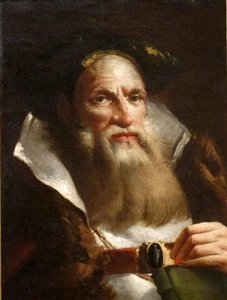
Giovanni Domenico Tiepolo
2007 - 1770 , Itália
Dados Rápidos
- Artistic Movement Or Style: Rococo
- Artists Who Influenced This Artist: ['Giovanni Battista Tiepolo']
- Date Of Birth: August 30, 1727
- Date Of Death: March 3, 1804
- Full Name: Giovanni Domenico Tiepolo
- Nationality: Italian
- Notable Artworks:
- Perseus and Andromeda
- The Rape of Europa
- Hunter with Deer
- Place Of Birth: Venice, Italy
Artigos Relacionados

The Elegance of Rococo: A Journey Through Pastel Dreams and Ornate Splendor
Embark on an elegant journey through the Rococo era. Discover the delicate beauty of pastel masterpieces, the intricate artistry of 18th-century French masters, and how this era of ornate splendor continues to inspire timeless luxury in fine art collecting.

Golden Light & Rich Color: The Timeless Magic of Venetian Renaissance Art
Explore the luminous beauty of Venetian Renaissance art. Discover how masters like Titian used colorito and golden light to redefine painting through texture, emotion, and atmospheric brilliance in a masterclass of historical artistry.
Explore obras de arte organizadas por temas, estilos e características.
