


 Visualizar em escala
 Enviar
 Compartilhar
 Ver detalhes
 Guia de Obras do Aluno

 Baixar imagem
 Semelhantes
 Raio X
 Apresentação de slides
 Estatísticas
Green Tree Form
 Oil On Canvas
- WallArt
- Surreal Expressionism
 1940
1940- Modern
 61.0 x 55.0 cm
 Coleção do Conselho Britânico
This artwork exemplifies Sutherland's signature style, merging English landscape painting traditions with European avant-garde influences like Surrealism. Notable exhibitions include Tate Britain and the National Gallery, showcasing his enduring contribution to British Modern art.
 Ver mais
Graham Vivian Sutherland (1903-1980) foi um artista britânico renomado pela pintura surrealista de paisagens e pelo projeto da catedral de Coventry, símbolo de reconciliação pós-guerra. Explore suas obras gráficas, retratos e arte de guerra que refletem a estranheza da natureza e o impacto artístico do período moderno.
A obra de arte exibida nesta página é protegida por leis de direitos autorais, o que significa que não podemos criar ou vender legalmente uma reprodução idêntica. Esta proteção é aplicada por meio de acordos internacionais, tais como a Convenção de Berna e pelas leis nacionais, incluindo as estabelecidas por Lei de Direitos Autorais dos EUA - Título 17.
Este método cumpre plenamente as regulamentações de direitos autorais, pois não envolve a cópia ou duplicação da obra protegida. Em vez disso, trata-se de uma reinterpretação criativa — uma nova pintura que é influenciada pela original, mas não idêntica a ela.
Giclée / Impressão de Arte
Impressão giclée ou em tela de qualidade de museu, com produção rápida e opções flexíveis de acabamento. ( Encomendar reprodução pintada à mão Ver Imagem Digital)




P118B €10

P118H €10

P118W €10

P438Z €10

P508JH €12

P508YH €12

P805H €10

P805Z €10

P919BZ €10

P919G €10

P919XJ €10

P959ZH €10

P968JZ €12

W106C €8

W218G €10

W218JH €8

W218Y €10

W307PJ €10

W316G €10

W316PJ €8

W316Y €10

W398PJ €8

W4111J €10

W500HY €15

W500JH €15

W692G €12

W849H €8

W940BG €15

W953PJ €8




Padrão
sob medida
CM
INCH
Escolha entre os nossos tamanhos pré-definidos que respeitam as proporções originais da obra de arte.
Loading sizes...

largura
altura
Digite a largura e a altura de que necessita, para se ajustar à sua moldura ou à sua parede. Uma impressão só pode ser cortada, nunca ampliada além da imagem original, pelo que um tamanho com uma proporção diferente perderá parte da imagem. Enviamos-lhe uma maquete digital para aprovação antes de imprimirmos qualquer coisa. A imagem apresentada nesta página não mostra o corte real — apenas a maquete o faz.
Entrega mundial () em 2 semanas, em vez das 4/5 semanas padrão. (24 Outubro)

Envio expresso gratuito para todo o mundo

Tela de Linho Premium

Seguro de transporte total

Garantia de Reembolso de Impostos Alfandegários

Garantia de Fidelidade de Cor

Política de Devolução em 100 Dias (Apenas para Defeitos)

Garantia de reembolso de 100%

Desconto para múltiplas unidades
 A opção de vidro está disponível apenas para tamanhos inferiores a 110 cm

Green Tree Form
Giclée / Impressão de Arte
Dimensões da Reprodução
-


Preço Total
€ 61
A Visionary Encounter with Nature's Hidden Soul
In the quiet tension of 1940, amidst the gathering shadows of World War II, Graham Vivian Sutherland birthed a masterpiece that would redefine the boundaries of the British landscape. “Green Tree Form” is not merely a depiction of flora; it is a profound psychological encounter with the natural world. At first glance, the viewer is met with a vibrant, lush vitality—a large, commanding green tree with a striking yellow trunk that seems to bend under an unseen weight. Yet, as one lingers before the canvas, the initial impression of pastoral beauty gives way to something far more complex and enigmatic. The composition possesses a rhythmic, almost breathing quality, where the sinuous branches and dense foliage create a sense of movement that is both captivating and subtly unsettling.
Sutherland, a titan of British Modernism, possessed a singular ability to infuse the familiar contours of the earth with a sense of spiritual unease. In this work, he masterfully employs the principles of Surrealism and Expressionism to transcend literal representation. The way the trunk arches suggests a living, sentient entity, perhaps reacting to the very atmospheric anxieties of the era. This is not the tranquil landscape of the English tradition; it is a dreamscape where the organic forms are slightly distorted, inviting the observer to look beyond the surface and contemplate the deeper, often turbulent, emotional truths hidden within the woods.
The Alchemy of Texture and Light
Technically, “Green Tree Form” serves as a testament to Sutherland’s meticulous command over medium and texture. The painting is a study in the interplay between light and shadow, where the verdant greens are layered to create a sense of immense depth and density. The artist utilizes a palette that balances the brightness of the yellow trunk against more muted, earthy tones, ensuring that the central focal point commands the viewer's attention while allowing the surrounding elements—such as the two delicate birds positioned within the canopy—to provide moments of unexpected grace. These avian figures act as small anchors of life within the larger, more imposing structure of the tree, adding a layer of narrative intrigue and movement to the scene.
For the discerning collector or interior designer, this piece offers an unparalleled opportunity to introduce a sense of sophisticated drama into a space. The dynamic composition and the bold use of color make it a versatile centerpiece, capable of anchoring a room with its commanding presence. Whether placed in a contemporary gallery setting or a classic study, the painting’s ability to evoke both tranquility and mystery ensures it remains a conversation piece for generations. To possess a reproduction of this work is to bring a fragment of 20th-century modernism into one's home—a piece that does not merely decorate a wall but breathes life and intellectual depth into the very atmosphere of a room.
Perguntas e Respostas
"Green Tree Form" é uma das obras mais populares de Graham Vivian Sutherland?
"Green Tree Form" é classificada como Recognized.
Com qual sentimento "Green Tree Form" está associada?
O tom emocional registrado para "Green Tree Form" de Graham Vivian Sutherland é Mysterious. Ele resume o sentimento que a obra expressa.
Qual é a cor predominante de "Green Tree Form" de Graham Vivian Sutherland?
Phthalo Green (#1c161c) é a cor predominante de "Green Tree Form" de Graham Vivian Sutherland.
Biografia do Artista
As Paisagens Visionárias de Graham Vivian Sutherland
Graham Vivian Sutherland, um titã do Modernismo britânico, possuía a rara habilidade de transformar os contornos familiares do mundo natural em algo profundamente inquietante e espiritual. Nascido em Streatham, Londres, em 1903, a jornada de Sutherland foi de constante metamorfose. Embora seus primeiros anos tenham sido moldados por uma educação clássica no Epsom College, sua verdadeira vocação surgiu longe dos círculos jurídicos de sua família. Sua incursão inicial no mundo técnico de um aprendizado nas oficinas de locomotivas da Midland Railway proporcionou uma base de precisão que mais tarde se manifestaria em suas intrincadas gravuras e pinturas a óleo texturizadas. Ao transitar para a Goldsmiths' School of Árt, Sutherland começou a se afastar da representação tradicional, sentindo-se atraído pelo poder evocativo da gravura e da água-forte.
A estética inicial do artista estava profundamente enraizada no romantismo de Samuel Palmer, mas ele recusou-se a permanecer ancorado ao passado. Em vez disso, Sutherland atuou como uma ponte entre a tradição pastoral inglesa e a energia radical dos movimentos de vanguarda europeus. Ao absorver a lógica onírica do Surrealismo e a emocionalidade crua do Expressionismo, ele desenvolveu uma linguagem visual capaz de capturar tanto a paisagem física quanto o estado psicológico. Suas primeiras gravuras, caracterizadas por um senso de mistério e forma orgânica, lançaram as bases para uma carreira definida pela obsessão com a "estranheza" da natureza — um tema que se tornaria seu legado mais duradouro.
A Sombra da Natureza e os Anos de Guerra
A década de 1940 marcou uma era crucial no desenvolvimento de Sutherland, à medida que seu foco mudava do delicado meio da gravura para as texturas viscerais e impasto da pintura a óleo. Foi durante este período que as paisagens áridas e ventosas de Pembrokes_keshire tornaram-se sua musa principal. Em obras como Thorn Tree, pode-se testemunhar a maestria do artista em fundir a realidade botânica com a distorção surrealista. Ele não apenas pintava árvores; ele pintava a tensão, a luta e a arquitetura esquelética da própria vida. Este período o viu mover-se em direção a uma forma de ver mais abstrata, porém profundamente simbólica, onde espinhos, raízes e ramos retorcidos serviam como metáforas para a vulnerabilidade e a resiliência humana.
A Segunda Guerra Mundial trouxe uma dimensão diferente e mais sombria ao seu trabalho. Servindo como artista de guerra oficial, Sutherland voltou seu olhar para as cenas industriais e muitas vezes assombrosas da frente interna britânica. Suas pinturas desta era, como Flying Bomb Depot The Caverns, são aulas magistrais de atmosfera. Através de texturas pesadas e uma paleta que evoca tanto a decadência quanto o pavor, ele capturou a desolação sinistra dos interiores de tempos de guerra. Estas obras não eram meramente documentação; eram retratos psicológicos de uma era marcada pela ansiedade e pela presença iminente da destruição, refletindo a realidade fraturada de um mundo em guerra.
Um Legado de Simbolismo e Grandiosidade
Nos anos pós-guerra, o trabalho de Sutherland ascendeu a novos patamares de significância espiritual e pública. Ele começou a integrar o simbolismo religioso com seus motivos orgânicos, criando uma síntese poderosa entre o sagrado e o natural. Isso culminou em uma de suas conquistas mais monumentais: o design da enorme tapeçaria central para a nova Catedral de Coventry, intitulada Christ in Glory in the Tetramorph. Esta obra, que utilizou sua habilidade de manipular forma e cor em grande escala, permanece como um testemunho de seu papel na reconstrução cultural da Grã-Bretanha do pós-guerra.
Ao longo de sua carreira prolífica, a versatilidade de Sutherland permitiu-lhe deixar uma marca indelével em múltiplas disciplinas:
- Retratística: Sua habilidade de capturar a profundidade psicológica de figuras públicas, como seu digno e melancólico Somerset Maugham.
- Gravura: Uma dedicação vitalícia à precisão da água-forte e da gravura que informou seu senso de linha e estrutura.
- Artes Decorativas: Suas contribuições para o design de tapeçarias e arte em vidro, trazendo a abstração moderna para o reino da beleza funcional.
Em última análise, Graham Sutherland permanece como uma pedra angular da arte do século XX porque ousou olhar abaixo da superfície da paisagem. Ele encontrou o surreal dentro do real e o divino dentro do orgânico. Seu legado não é encontrado apenas em museus, mas na maneira como percebemos a beleza oculta e muitas vezes irregular do mundo ao nosso redor — um mundo onde cada espinho guarda uma história e cada sombra contém um mistério.

Graham Vivian Sutherland
1903 - 1980 , Reino Unido
Informações Rápidas
- Artistic Movement Or Style: Surrealismo
- Artists Or Movements Influenced By This Artist: ['Paul Nash']
- Artists Who Influenced This Artist:
- Samuel Palmer
- F.L. Griggs
- Date Of Birth: 24 Agosto 1903
- Date Of Death: 17 Febbraio 1980
- Full Name: Graham Vivian Sutherland
- Nationality: Britânica
- Notable Artworks:
- Flying Bomb Depot
- Entrance to a Lane
- Place Of Birth: Londra, Inglaterra
Artigos Relacionados

Capturing the Soul of Nature: A Journey Through the Sublime Majesty of American Romanticism
Explore the breathtaking beauty of American Romanticism. Discover how Hudson River School masters captured the sublime spirit of the wilderness through luminous oil landscapes and emotional depth. A journey into the soul of nature for the true art enthusiast.
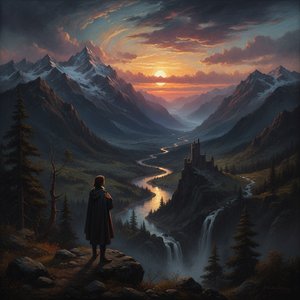
Capturing the Soul: The Emotional Majesty and Sublime Power of Romantic Landscape Painting
Explore the profound emotional depth of Romantic landscape painting. Discover how masters like Turner and Friedrich captured the sublime power of nature through intuition and imagination in this expert art history retrospective.

Capturing the Soul: The Emotional Magic and Sublime Grandeur of Romantic Landscape Painting
Explore the profound emotional depth of Romantic landscape painting. Discover how masters like Friedrich and Turner captured the sublime through light, shadow, and nature's power in this expert art history retrospective for discerning collectors.
Explore obras de arte organizadas por temas, estilos e características.

