


 Visualizar na parede
 Compartilhar
 Compartilhar
 Detalhes
 Guia
Guia

 Baixar imagem
 Semelhantes
 Raio X
 Ver diaporama
 Q&A
Q&A Estatísticas
Crémieu
 Oil On Canvas
- WallArt
- Romanticism
 1847
1847 38.0 x 46.0 cm
 Museu Fitzwilliam
Discover Henri-Joseph Harpignies’ ‘Crémieu’ (1847) – a stunning Romantic landscape oil painting. Explore its dramatic cliffs, atmospheric perspective & textured brushstrokes. A captivating 19th-century masterpiece.
 Ler mais
"meta_description": "Explore as serenas paisagens e cenas rurais de Henri-Joseph Harpignies, mestre da Escola de Barbizon. Suas obras do século XIX evocam tranquilidade e a beleza da natureza francesa, influenciadas por Corot."
Giclée / Impressão de Arte
Impressão giclée ou em tela de qualidade de museu, com produção rápida e opções flexíveis de acabamento. ( Comprar pintura feita à mão Alternar para Imagem Digital)




P118B €10

P118H €10

P118W €10

P438Z €10

P508JH €12

P508YH €12

P805H €10

P805Z €10

P919BZ €10

P919G €10

P919XJ €10

P959ZH €10

P968JZ €12

W106C €8

W218G €10

W218JH €8

W218Y €10

W307PJ €10

W316G €10

W316PJ €8

W316Y €10

W398PJ €8

W4111J €10

W500HY €15

W500JH €15

W692G €12

W849H €8

W940BG €15

W953PJ €8




Tamanho padrão
personalizado
CM
INCH
Escolha entre os nossos tamanhos pré-definidos que respeitam as proporções originais da obra de arte.
Loading sizes...

largura
altura
Insira a largura e a altura desejadas para se ajustarem à sua moldura ou parede. Uma impressão pode ser apenas cortada, nunca ampliada além da imagem original; portanto, um tamanho com proporções diferentes resultará na perda de parte da imagem. Enviamos uma maquete digital para sua aprovação antes de realizarmos a impressão. A imagem exibida nesta página não mostra o corte real — apenas a maquete o faz.
Entrega mundial () em 2 semanas, em vez das 4/5 semanas padrão. (29 Outubro)

Envio expresso gratuito para todo o mundo

Tela de Linho de Alta Qualidade

Seguro de transporte completo

Garantia de Reembolso de Impostos Alfandegários

Garantia de Fidelidade Cromática

Política de Devolução em 100 Dias (Apenas para Defeitos)

Garantia de reembolso de 100%

Oferta de desconto por quantidade
 A opção de vidro está disponível apenas para tamanhos inferiores a 110 cm

Crémieu
Giclée / Impressão de Arte
Tamanho da Reprodução
-


Preço Total
€ 61
A Dramatic Vista of the French Countryside
Henri-Joseph Harpignies’ “Crémieu” (1847) is more than just a landscape painting; it's an immersive experience, a carefully constructed tableau that invites contemplation on the relationship between humanity and the vastness of nature. The scene unfolds within the foothills of the French Alps, depicting a rugged, almost primordial terrain dominated by towering cliffs and a winding path that draws the eye relentlessly into the distance. The painting immediately establishes a sense of solitude and grandeur – an emotional resonance deeply rooted in the Romantic tradition, yet subtly informed by Harpignies’ meticulous observation of light and texture.

The composition is masterfully executed, utilizing a strong diagonal line created by the path to guide the viewer’s gaze and establish a dynamic flow through the scene. The foreground, rendered in earthy browns and ochres, features a dirt road and scattered rocks, gradually transitioning into the imposing cliffs that form the central focus of the painting. These cliffs aren't merely geological formations; they possess an almost sculptural quality, their weathered surfaces hinting at centuries of exposure to the elements. In the distance, a subtle atmospheric perspective – a softening of colors and details as depth increases – suggests the immense scale of the landscape and evokes a feeling of both awe and vulnerability.
The Barbizon School and Luminism
Harpignies’ work firmly places him within the context of the Barbizon School, a movement that championed direct observation of nature and a rejection of academic artifice. Unlike earlier landscape painters who relied heavily on idealized representations, the Barbizon artists sought to capture the essence of the French countryside as they experienced it – with its rough textures, subtle shifts in light, and inherent imperfections. “Crémieu” exemplifies this approach, eschewing smooth brushstrokes and carefully blended colors in favor of visible marks that convey a sense of immediacy and spontaneity. Furthermore, the painting’s emphasis on atmospheric effects aligns closely with Luminism, a style characterized by its soft, diffused lighting and focus on capturing the subtle nuances of light and shadow.
Born in Valenciennes in 1819, Harpignies initially pursued a business career before dedicating himself to art. His early training under Jean Achard instilled in him a solid foundation in draughtsmanship, while his subsequent journey to Italy exposed him to the principles of the Barbizon School and fostered a deep appreciation for the Italian landscape tradition. The painting’s muted palette – dominated by browns, greens, and grays – contributes significantly to its evocative atmosphere, creating a sense of quiet contemplation and timelessness.
Symbolism and Emotional Resonance
Beyond its technical merits, “Crémieu” carries a subtle symbolic weight. The solitary path winding through the landscape can be interpreted as a metaphor for the human journey – a quest for meaning and purpose amidst the vast uncertainties of life. The towering cliffs represent both strength and vulnerability, reminding us of our own smallness in the face of nature’s power. The painting's overall mood is one of serene solitude, inviting viewers to pause and reflect on their place within the natural world.
Interestingly, the village of Crémieu itself, depicted in the painting, holds a rich history. Situated near Lyon, it served as an important trading center throughout the Middle Ages, benefiting from its strategic location along trade routes. The presence of a medieval castle and monastic settlements further adds to the painting’s historical context.
A Masterpiece for Collectors
“Crémieu” is a testament to Harpignies' skill as a landscape painter and his ability to capture the beauty and drama of the French countryside. Reproductions of this captivating artwork are available through TopImpressionists, offering an opportunity to bring its evocative atmosphere into your home or office. Its timeless appeal and rich symbolism make it a valuable addition to any art collection.
Perguntas e Respostas
Qual é a intensidade das cores em "Crémieu", de Henri-Joseph Harpignies?
"Crémieu", de Henri-Joseph Harpignies apresenta uma intensidade de cor Balanced.
A que período da carreira de Henri-Joseph Harpignies pertence "Crémieu"?
"Crémieu" representa o Mature Period de Henri-Joseph Harpignies.
Que tema e atmosfera combinam em "Crémieu", de Henri-Joseph Harpignies?
"Crémieu", de Henri-Joseph Harpignies combina landscape, cliffs, path, solitude, nature, vastness, atmospheric, dramatic com uma atmosfera Romantic.
Biografia do Artista
Henri Harpignies: A Master of Tranquility and Observation
Henri-Joseph Harpignies (Valenciennes, 28 de junho de 1819 – Saint-Privé, Yonne, 28 de agosto de 1916) foi um pintor francês da Escola de Barbizon, conhecido por suas paisagens serenas e pela habilidade em capturar a beleza silenciosa da natureza francesa. Sua obra permanece como um testemunho da importância da observação direta e da busca pela harmonia estética, valores que marcaram profundamente o movimento artístico do século XIX.
Nascido em Valenciennes, filho de pais belgas imigrantes que estabeleceram uma fábrica de açúcar em Famars quando Harpignies era criança, ele recebeu uma educação inicial que enfatizou os estudos humanos e artísticos. Desde cedo demonstrou talento para o desenho, vencendo concursos escolares por volta dos quatorze anos, o que reforçou seu desejo de seguir carreira artística.
Após concluir seus estudos em 1838, Harpignies embarcou em uma jornada pelo território francês, visitando cidades como Paris e Orléans, onde absorveu a influência das obras de arte existentes. Sua paixão pela pintura o levou a estudar na Academia Francesa em Paris, onde adquiriu técnicas avançadas de desenho e composição.
Early Influences and Artistic Training
Apesar da expectativa inicial de seus pais para uma vida empresarial, Harpignies perseverou em seu objetivo artístico, ingressando no atelier do pintor Jean Achard em Paris aos vinte e sete anos. Este período formativo foi marcado pelo estudo rigoroso das obras dos mestres clássicos e pela prática constante do desenho técnico – habilidades que permaneceriam centrais à sua produção artística posterior.
Em 1848, Harpignies realizou uma viagem crucial para Itália, onde entrou em contato com os principais artistas da Escola de Barbizon, liderados por Jean-Baptiste-Camille Corot. A abordagem realista e contemplativa desses pintores inspirou profundamente Harpignies, que passou a incorporar elementos semelhantes em suas próprias obras.
The Barbizon School and Italian Inspiration
Corot desempenhou um papel fundamental na formação estética de Harpignies, compartilhando com ele uma profunda apreciação pela natureza e pela busca pela beleza pura. Os dois artistas viajaram juntos para Itália em 1860, onde estudaram as obras dos mestres renascentistas e observaram atentamente os métodos de pintura utilizados pelos paisagistas italianos.
Essa experiência italiana influenciou significativamente o estilo de Harpignies, que passou a utilizar técnicas inovadoras para capturar a luz e a atmosfera em suas pinturas. Sua obra é caracterizada por uma atenção meticulosa aos detalhes e pela composição equilibrada – elementos que refletem o espírito da Escola de Barbizon.
Notable Works and Legacy
Entre suas obras mais importantes destacam-se *Lisière de bois sur les bords de l'Allier* (1861), uma paisagem emblemática que captura a beleza do rio Loire; *Les Corbeaux* (1865), uma pintura expressiva que transmite emoções profundas através da imagem dos corvos em um bosque sombrio; e *Le Soir* (1866), uma cena noturna que revela o domínio de Harpignies na arte de iluminar paisagens com luz suave.
Além de suas pinturas, Harpignies foi um dedicado professor, transmitindo seu conhecimento artístico para inúmeros estudantes em Saint-Prive e outras cidades francesas. Sua influência pode ser observada no desenvolvimento da pintura francesa ao longo do século XIX e XX, especialmente na Escola de Barbizon.
Henri-Joseph Harpignies permanece como uma figura importante na história da arte francesa, cuja obra representa um marco na busca pela beleza natural e pela expressão artística honesta e sensível. Sua produção artística continua a inspirar artistas contemporâneos e visitantes de museus em todo o mundo.

Henri-Joseph Harpignies
1819 - 1916 , França
Dados Rápidos
- Artistic Movement Or Style: Escola de Barbizon
- Artists Who Influenced This Artist:
- Jean Achard
- Jean Baptiste Camille Corot
- Date Of Birth: 28 de junho de 1819
- Date Of Death: 28 de agosto de 1916
- Full Name: Henri-Joseph Harpignies
- Nationality: Francês
- Notable Artworks:
- Soir sur les bords de la Loire
- Les Corbeaux
- Le Soir
- Le Saut-du-Loup
- La Loire
- Place Of Birth: Valenciennes, França
Artigos Relacionados

Capturing the Soul: The Emotional Magic and Sublime Grandeur of Romantic Landscape Painting
Explore the profound emotional depth of Romantic landscape painting. Discover how masters like Friedrich and Turner captured the sublime through light, shadow, and nature's power in this expert art history retrospective for discerning collectors.
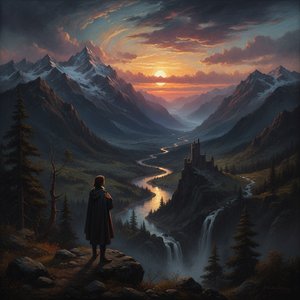
Capturing the Soul: The Emotional Majesty and Sublime Power of Romantic Landscape Painting
Explore the profound emotional depth of Romantic landscape painting. Discover how masters like Turner and Friedrich captured the sublime power of nature through intuition and imagination in this expert art history retrospective.
Explore obras de arte organizadas por temas, estilos e características.
