


 Visualizar em escala
 Enviar
 Compartilhar
 Ver detalhes
 Guia de Obras do Aluno

 Baixar imagem
 Semelhantes
 Raio X
 Apresentação de slides
 Estatísticas
The Invalid
 Acrylic On Canvas
- WallArt
- Fauvist Expressionism
 1899
1899- Modern
 46.0 x 38.0 cm
 Baltimore Museum of Art
 Ver mais
Reprodução em Óleo Feita à Mão
Óleo sobre tela pintado à mão no tamanho e moldura de sua escolha, feito sob encomenda pelos nossos artistas. ( Alternar para Impressão Ver Imagem Digital)




P118B €10

P118H €10

P118W €10

P438Z €10

P508JH €12

P508YH €12

P805H €10

P805Z €10

P919BZ €10

P919G €10

P919XJ €10

P959ZH €10

P968JZ €12

W106C €8

W218G €10

W218JH €8

W218Y €10

W307PJ €10

W316G €10

W316PJ €8

W316Y €10

W398PJ €8

W4111J €10

W500HY €15

W500JH €15

W692G €12

W849H €8

W940BG €15

W953PJ €8




Padrão
sob medida
CM
INCH
Escolha entre os nossos tamanhos pré-definidos que respeitam as proporções originais da obra de arte.
Loading sizes...

largura
altura
Digite a largura e a altura de que necessita, para se ajustar à sua moldura ou à sua parede. Esta obra é pintada à mão, por isso, para um tamanho com uma proporção diferente, o artista pode pintar um pouco mais ao redor da imagem ou cortar um pouco — você escolhe. Enviamos-lhe uma maquete digital para aprovação antes de a pintura começar. A imagem exibida nesta página não mostra o resultado real — apenas a maquete mostra.
Exemplos do que pode ser personalizado: Substituir o rosto pela foto do cliente; Adicionar um animal de estimação (ex: substituir gato por cão); Incluir uma mensagem oculta no fundo; Alterar a paisagem ou elementos do fundo.
Após o pedido, a equipa TopImpressionists.com enviará um e-mail ao cliente para solicitar instruções e fornecer uma prévia do esboço.
Após o pedido, a equipa TopImpressionists.com enviará um e-mail ao cliente para solicitar instruções e fornecer uma prévia do esboço.
Entrega mundial () em 3 a 4 semanas, em vez das 5 semanas padrão. (22 Outubro). Sem comprometer a qualidade.

Envio expresso gratuito para todo o mundo

Tela de Linho Premium

Seguro de transporte total

Garantia de Reembolso de Impostos Alfandegários

Garantia de Fidelidade de Cor

Política de Devolução em 100 Dias (Apenas para Defeitos)

Garantia de reembolso de 100%

Desconto para múltiplas unidades
 A opção de vidro está disponível apenas para tamanhos inferiores a 110 cm

The Invalid
Técnica de Reprodução
Dimensões da Reprodução
-


Preço Total
€ 236
The Invalid: A Study in Tranquility and Fauvist Color
Henri Matisse’s “The Invalid” stands as a testament to the power of understated beauty within the Fauvist movement—a bold departure from academic conventions that nonetheless prioritizes serenity and contemplative observation.
Painted in 1899 during Matisse’s formative years, this oil on canvas measuring 46 x 38 cm resides at the Baltimore Museum of Art, offering viewers a glimpse into the artist's evolving artistic vision. The scene depicts a woman reclining peacefully in bed, her head resting upon a pillow—a deliberate choice that speaks volumes about Matisse’s fascination with capturing stillness and repose.
Composition and Style: Embracing Fauvist Boldness
Matisse skillfully employs compositional elements to heighten the painting's impact. A dining table dominates the foreground, draped in white linen and surrounded by chairs—a subtle suggestion of domestic life juxtaposed against the quiet intimacy of the bedchamber. Two figures appear in the background, providing depth and context without distracting from the central subject.
Crucially, “The Invalid” embodies the core tenets of Fauvism. Matisse’s audacious use of color—particularly vibrant reds, yellows, and blues—is characteristic of this movement's rejection of naturalistic representation. Instead, he prioritizes emotional expression through pigment itself, creating a luminous surface that vibrates with energy.
Artistic Significance: Pioneering Color Expression
“The Invalid” represents a pivotal moment in Matisse’s artistic trajectory, demonstrating his willingness to experiment and push boundaries. Like Picasso and Cézanne before him, Matisse sought to liberate painting from the constraints of traditional perspective and shading—creating a visual language that transcends literal depiction.
This painting isn't merely aesthetically pleasing; it embodies Fauvist’s broader philosophical stance – prioritizing feeling over intellectual analysis. Matisse aimed to convey an inner state of calm and contentment, achieved through masterful color orchestration.
Context Within Matisse’s Oeuvre: Continuity and Innovation
To appreciate “The Invalid” fully, consider its place within Matisse's larger body of work. Alongside masterpieces like “The Open Window” and “La musique”—works that similarly explore color and form—this painting exemplifies Matisse’s unwavering commitment to innovation while retaining a core aesthetic sensibility.
His exploration of decorative patterns and simplified forms foreshadowed developments in later artistic movements. Matisse's legacy continues to inspire artists today, cementing his position as one of the most influential figures in 20th-century art.
Perguntas e Respostas
"The Invalid" de Henri Matisse é uma obra de arte conhecida?
"The Invalid" de Henri Matisse possui um nível de popularidade Iconic. Esta classificação reflete o quão amplamente a obra é reconhecida.
Posso ver "The Invalid" como um slideshow em tela cheia?
"The Invalid" de Henri Matisse pode ser visualizada como um slideshow na página de Apresentação de slides da obra.
"The Invalid", de Henri Matisse, está em domínio público? E por quê?
"The Invalid" de Henri Matisse está em em domínio público - seus direitos autorais expiraram. O período de direitos autorais conta a partir do falecimento do artista, ocorrido em 1954.
Obras Relacionadas


Biografia do Artista
Uma Vida Imersa na Cor: O Mundo de Henri Matisse
Henri Émile Benoît Matisse, nascido em 31 de dezembro de 1869, na pequena cidade do norte da França, Le Cateau-Cambrésis, não estava destinado a uma vida repleta de pigmento e forma. Inicialmente dedicado ao estudo das leis em Paris após o ensino médio, seu caminho mudou drasticamente após um ataque de apendicite em 1889. Confinado à recuperação, descobriu uma paixão latente despertada pelo simples ato de pintar com um conjunto de materiais artísticos presenteados por sua mãe. Não era meramente uma distração; foi uma revelação – um ponto de virada que o afastou dos documentos legais e o direcionou para um mundo onde a cor se tornaria sua linguagem e a tela, seu domínio. Crescendo em Bohain-en-Vermandois, filho de comerciantes de grãos, Matisse inicialmente parecia improvável abraçar a vida boêmia de um artista, no entanto, a semente foi plantada, nutrida pela convalescença e florescendo em uma dedicação vitalícia. Matriculou-se na Académie Julian, depois na École Nationale des Beaux-Arts, estudando sob William-Adolphe Bouguereau e Gustave Moreau respectivamente, absorvendo técnicas clássicas que serviriam de base para suas futuras inovações. As primeiras obras refletiam esse treinamento acadêmico, demonstrando proficiência, mas carecendo da voz distinta que em breve o definiria.O Amanhecer do Fauvismo e a Ousada Experimentação
Um momento crucial chegou em 1896 durante uma visita a Belle-Île com o pintor australiano John Russell. Esse encontro provou ser transformador. Russell apresentou Matisse ao vibrante mundo do Impressionismo, e mais importante, às telas emocionalmente carregadas de Vincent van Gogh. O impacto foi profundo. O uso expressivo da cor por Van Gogh abalou a paleta anteriormente contida de Matisse, impulsionando-o em direção a uma abordagem mais ousada e subjetiva. Ele começou a se afastar dos tons terrosos, abraçando matizes que ressoavam com o sentimento em vez de representações estritas. Essa exploração culminou no surgimento do Fauvismo por volta de 1905 – um movimento onde Matisse se tornou uma figura líder. O próprio nome, significando “feras selvagens”, foi inicialmente depreciativo, concedido por um crítico às pinturas chocantemente vibrantes e não naturalistas do grupo exibidas no Salon d'Automne. Matisse, juntamente com artistas como André Derain e Maurice de Vlaminck, defendeu a cor intensa como um elemento independente de expressão, simplificando as formas para amplificar seu impacto. Pinturas como Os Abóboras (1905) exemplificam esse estilo – uma explosão de vermelhos, verdes e amarelos aplicados com uma liberdade que desconsiderava a perspectiva tradicional e a precisão mimética. As principais características incluíam paletas intensamente saturadas, formas simplificadas, pinceladas expressivas e uma rejeição deliberada da representação convencional em favor da ressonância emocional.Refinamento e Harmonia Decorativa
Após o fervor inicial do Fauvismo, o estilo de Matisse passou por uma evolução sutil, mas significativa. Embora nunca tenha abandonado seu amor pela cor, seu trabalho se tornou mais refinado, inclinando-se para uma estética decorativa que enfatizava formas achatadas e padrões intrincados. Ele explorou temas de lazer, vida doméstica e a figura humana em ambientes tranquilos, criando composições que pareciam harmoniosas e emocionalmente ressonantes. Uma mudança para Nice, na Riviera Francesa, em 1917 influenciou ainda mais essa mudança, imbuindo seu trabalho com uma sensação de serenidade e equilíbrio clássico. Ele começou a se concentrar na criação de ambientes – pinturas, esculturas e objetos decorativos – que envolviam o espectador em uma atmosfera de beleza e calma. Este período o viu experimentar diferentes mídias, incluindo cerâmica e têxteis, estendendo sua visão artística além da tela tradicional. Ele não estava apenas retratando cenas; ele estava construindo mundos projetados para evocar uma resposta emocional específica.Os Últimos Anos: Inovação Através da Limitação
À medida que a saúde debilitada limitava a capacidade de Matisse de pintar da maneira convencional, ele embarcou em um capítulo extraordinário em sua jornada artística – a criação de colagens de papel recortado, ou *découpages*. Começando por volta de 1947, essas obras nasceram da necessidade. Confinado a uma cadeira de rodas, ele não conseguia ficar em pé e pintar fisicamente, mas ainda podia manipular o papel com tesouras. O que começou como uma solução prática evoluiu para uma técnica artística inovadora. Ele pintaria grandes folhas de papel em cores vibrantes, depois cortá-las em formas – formas orgânicas, folhas, figuras – e organizá-las na tela, criando composições dinâmicas e enganosamente simples. Esses *découpages* não eram meros substitutos da pintura; eles representavam uma nova maneira de pensar sobre cor, forma e composição. Eles continuaram sua exploração ao longo da vida desses elementos, demonstrando uma visão artística duradoura mesmo diante das limitações físicas.- A técnica do papel recortado permitiu que ele alcançasse uma pureza de forma e cor que era difícil de obter com a tinta.
- Essas obras frequentemente se referiam a temas e motivos anteriores de suas pinturas, mas os apresentavam de uma maneira nova e inovadora.
- Elas demonstraram sua capacidade de se adaptar e evoluir como artista ao longo de toda a sua carreira.
Um Legado Duradouro: O Impacto de Matisse na Arte Moderna
Henri Matisse morreu em Nice em 1954, deixando para trás um corpo de trabalho que continua a inspirar e cativar o público em todo o mundo. Seu impacto no mundo da arte é inegável; ele desafiou as noções convencionais de representação, defendeu o poder expressivo da cor e abriu caminho para as gerações futuras de artistas. Frequentemente considerado ao lado de Pablo Picasso como uma das figuras mais influentes na arte do século XX, Matisse moldou fundamentalmente o modernismo. Seu legado se estende além de suas próprias obras – ele engloba uma filosofia que celebra a alegria, a beleza e o potencial transformador da cor. Ele não estava simplesmente pintando o que via; ele estava criando uma experiência emocional para o espectador, convidando-o a compartilhar sua visão de um mundo banhado em luz e matizes vibrantes. A influência de Matisse pode ser vista em inúmeras obras de artistas de várias disciplinas, solidificando seu lugar como um verdadeiro mestre da arte moderna – um pintor que ousou ver o mundo não como ele é, mas como poderia ser, cheio de cor, harmonia e possibilidades ilimitadas.
Henri Matisse
1869 - 1954 , França
Informações Rápidas
- Artistas Que O Influenciaram:
- Van Gogh
- Chardin
- Russell
- Artistas/Movimentos Influenciados:
- Modernismo
- Expressionismo
- Data Da Morte: 3 de novembro de 1954
- Data De Nascimento: 31 de dezembro de 1869
- Local De Nascimento: Le Cateau-Cambrésis, França
- Movimento Artístico: Fauvismo
- Nacionalidade: Francês
- Nome Completo: Henri Émile Benoît Matisse
- Obras Notáveis:
- The Gourds
- La Danse
Artigos Relacionados

Henri Matisse: As 25 Obras-Primas que Definem um Mestre da Cor | TopImpressionists
Descubra as 25 obras-primas de Henri Matisse que revolucionaram a arte moderna! Explore o Fauvismo, cores vibrantes e a história por trás dos quadros mais famosos do artista. Encontre reproduções de alta qualidade para decorar sua casa com TopImpressionists.com.

Fauvismo: 10 Obras-Primas que Definiram a Expressão Artística | TopImpressionists
Descubra as 10 obras-primas do Fauvismo com Matisse, Derain e Vlaminck. Explore a história, cores vibrantes e emoção por trás deste movimento artístico revolucionário. Reproduções de arte exclusivas em TopImpressionists.com!
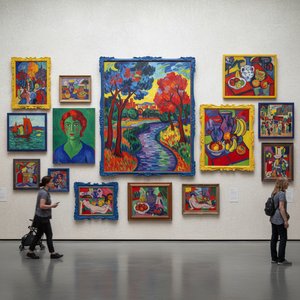
Fauvismo: 10 Obras-Primas que Revolucionaram a Arte Moderna | TopImpressionists
Descubra as 10 obras-primas do Fauvismo, com Matisse e Derain! Explore a história, cores vibrantes e técnicas revolucionárias deste movimento artístico. Encontre reproduções de arte exclusivas para decorar sua casa em TopImpressionists.com.

The Wild Beast Within: Exploring Fauvism's Revolutionary Use of Color and Form
Explore the revolutionary Fauvism movement & Henri Matisse's bold use of color! Discover key characteristics, iconic artworks, and its lasting impact on modern art history with TopImpressionists.

Renoir: As 25 Obras-Primas do Mestre Impressionista | TopImpressionists
Descubra as 25 obras-primas de Renoir, o mestre do Impressionismo! Explore a história, cores vibrantes e emoção por trás de quadros icônicos como 'Bal au moulin de la Galette'. Encontre reproduções de arte exclusivas para decorar sua casa com elegância em TopImpressionists.com.
Explore obras de arte organizadas por temas, estilos e características.


