

Shown: · With its frame:
 Visualizar na parede
 Compartilhar
 Compartilhar
 Detalhes
 Guia
Guia

 Baixar imagem
 Semelhantes
 Raio X
 Ver diaporama
 Q&A
Q&A Estatísticas


€ 239
Reprodução em Óleo Feita à Mão
Óleo sobre tela pintado à mão no tamanho e moldura de sua escolha, feito sob encomenda pelos nossos artistas. ( Alternar para Impressão Alternar para Imagem Digital)
Size
·Tamanho padrão
personalizado
CM
INCH
Escolha entre os nossos tamanhos pré-definidos que respeitam as proporções originais da obra de arte.
Loading sizes...

largura
altura
Insira a largura e a altura desejadas para se ajustarem à sua moldura ou parede. Como esta obra é pintada à mão, para um tamanho com proporções diferentes, o artista poderá pintar um pouco mais ao redor da imagem ou reduzir ligeiramente a composição — você escolhe. Enviamos uma maquete digital para sua aprovação antes de iniciar a pintura. A imagem exibida nesta página não representa o resultado real — apenas a maquete mostra o resultado final.
 Leia mais
Finish
·
White €1

Blurside €1

Extended €1

P118B €10

P118H €10

P118W €10

P438Z €10

P508JH €12

P508YH €12

P805H €10

P805Z €10

P919BZ €10

P919G €10

P919XJ €10

P959ZH €10

P968JZ €12

W106C €8

W218G €10

W218JH €8

W218Y €10

W307PJ €10

W316G €10

W316PJ €8

W316Y €10

W398PJ €8

W4111J €10

W500HY €15

W500JH €15

W692G €12

W849H €8

W940BG €15

W953PJ €8

H24-GOLD €30

H24-SILVER €30

H36-GOLD €45

H36-SILVER €45
Shipped in a protective tube, ready for your own framer.
Above 105 cm the frame is shipped as a kit for a professional framer — read the details.
Extras
optionalWhat do the extras include?
Examples of what can be changed: Replace face with customer photo; Add pet (e.g., replace cat with dog); Include hidden message in background; Change background landscape or elements.
After order, TopImpressionists.com team will email client for instructions and provide a mockup preview
After order, TopImpressionists.com team will email client for instructions and provide a mockup preview
Entrega mundial () em 3 a 4 semanas, em vez das 5 semanas padrão. (1 Novembro). Sem comprometer a qualidade.
Verniz de Proteção
Etiqueta de identificação
Detalhes da Placa de Bronze Gravada
This elegant plaque features the artist's name and the title of the artwork, finely engraved for a timeless presentation.
It is made from bronze with a refined, elegant finish. The text is precisely laser-engraved for a sharp and permanent result. Measuring 9x2 cm, the plaque is compact yet easy to read. It's built to be durable and scratch-resistant, offering a professional, museum-quality look. Mounting is simple thanks to the included adhesive backing.
Detalhes da Placa de Acrílico Transparente
The plaque includes essential engraved details such as the artist's name, the title of the artwork, the date it was created, the type of media used-like oil on canvas or watercolor-a brief description of the piece, and a QR code that links to the complete artwork information.
It is crafted from clear acrylic, offering a sleek, modern appearance. The text is UV-engraved in black to ensure strong visual contrast. With a size of 10x15 cm, it ensures optimal readability. It comes equipped with two metal hooks for secure wall mounting. The plaque is designed to be weather-resistant, making it suitable for various environments, and it includes interactive features that work seamlessly with smartphone scanning.
Detalhes da Placa de Acrílico Preto
This elegant plaque includes engraved information such as the artist's name, the title of the artwork, the date it was created, the type of media used (like oil on canvas or watercolor), a short description of the artwork, and a QR code for quick access to more information.
The plaque itself is made from refined black acrylic with a premium finish. The text is laser-engraved in white for high contrast and readability. Its size is 10x15 cm, designed to be easy to read. It comes with two metal hooks for professional mounting. The design is sleek and fits any interior style. It is also weather-resistant and durable, with built-in digital integration for mobile compatibility.
A opção de vidro está disponível apenas para tamanhos inferiores a 110 cm
 A opção de vidro está disponível apenas para tamanhos inferiores a 110 cm
- Envio expresso gratuito para todo o mundo
- Tela de Linho de Alta Qualidade
- Seguro de transporte completo
- Garantia de Reembolso de Impostos Alfandegários
- Garantia de Fidelidade Cromática
- Política de Devolução em 100 Dias (Apenas para Defeitos)
- Garantia de reembolso de 100%
- Oferta de desconto por quantidade


Descrição do Item
Henry Ossawa Tanner's 'Flight into Egypt' depicts the Holy Family’s escape to safety. This evocative oil painting captures a pivotal biblical scene with masterful light and emotional depth.
Biografia do Artista
Henry Ossawa Tanner (1859-1937) foi um pintor americano pioneiro, conhecido por suas pinturas realistas e religiosas de grande impacto internacional. Sua obra celebra a fé, a dignidade humana e quebrou barreiras raciais, deixando um legado inspirador na arte.
About the painting
The Narrative of Flight: Unveiling Tanner’s “Flight into Egypt”
Henry Ossawa Tanner's "Flight into Egypt," painted in 1899, isn’t merely a depiction of a biblical scene; it’s a profound meditation on faith, family, and the enduring struggle for safety. This oil-on-canvas masterpiece, now housed within the Detroit Institute of Arts, transports us to a frigid winter landscape—a stark contrast to the warmth and security sought by Mary, Joseph, and the infant Jesus as they flee persecution in Herod’s kingdom. Tanner masterfully captures the urgency of their flight, imbuing the scene with an atmosphere of quiet desperation mingled with unwavering hope. The painting immediately draws the eye to the central figures, rendered not as idealized saints but as ordinary people—a family seeking refuge, relatable and deeply human.
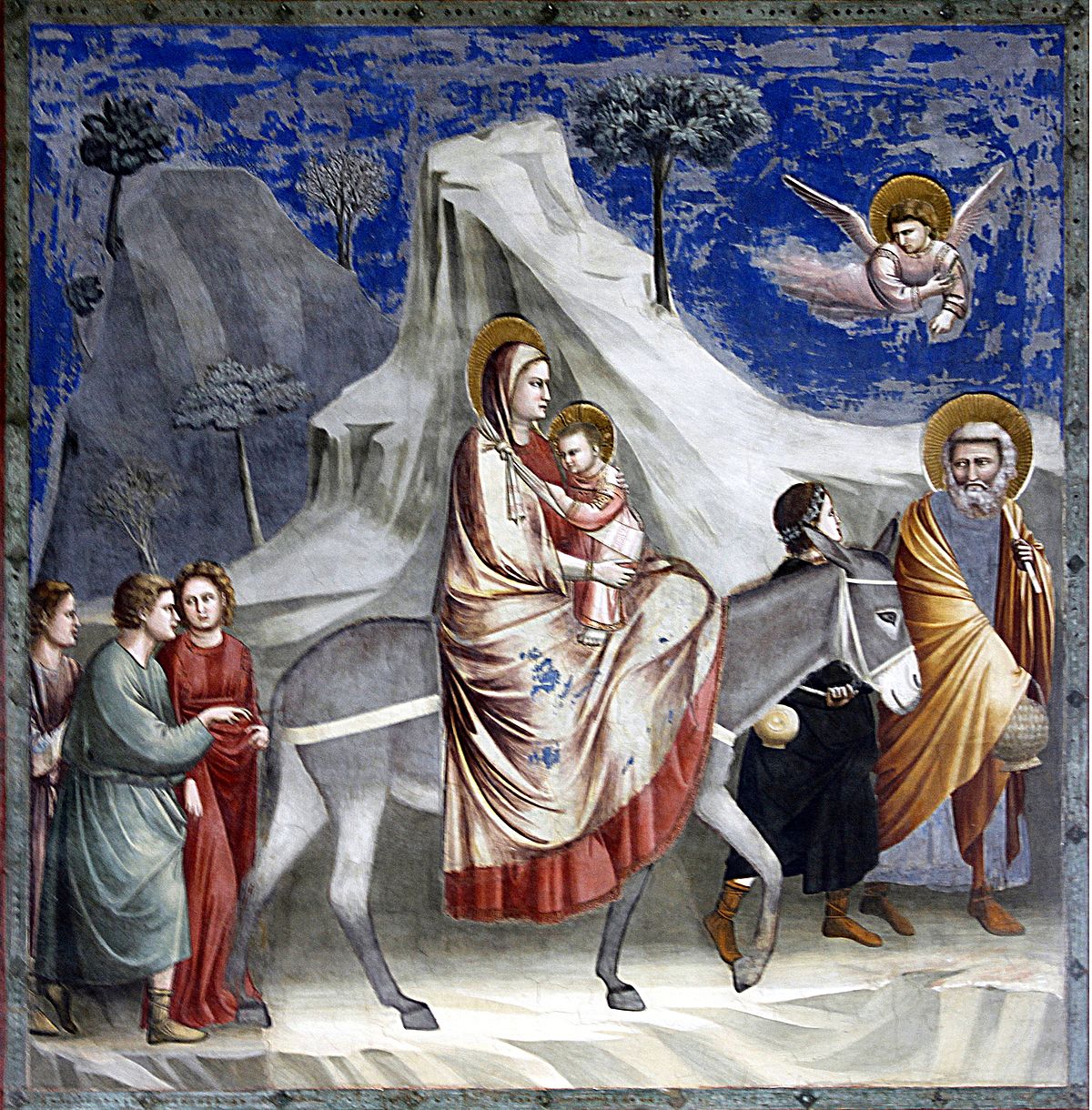
A Symphony of Light and Shadow: Tanner’s Artistic Technique
Tanner's artistic style is immediately recognizable—a bold departure from the prevailing academic traditions of his time. He employs a distinctive technique characterized by loose, expressive brushstrokes and a masterful manipulation of light and shadow, or *chiaroscuro*. The painting is dominated by cool blues and grays, evoking the biting cold of the winter landscape and mirroring the uncertainty faced by the holy family. Yet, within this somber palette, Tanner introduces subtle highlights—a glimmer of warmth emanating from the figures themselves, suggesting their inner resilience and faith. The use of perspective creates a sense of depth, drawing the viewer into the scene and emphasizing the vastness of the journey ahead. The two horses, strategically placed on the right side of the composition, add a dynamic element, symbolizing both the arduousness of their travel and the divine protection they receive.
Roots in Faith and Heritage: Contextualizing Tanner’s Vision
Understanding Henry Ossawa Tanner requires acknowledging his deeply rooted background. Born in Pittsburgh, Pennsylvania, to Reverend Benjamin Tucker Tanner—a prominent figure within the African Methodist Episcopal Church—and Sarah Elizabeth Tanner, who had escaped slavery via the Underground Railroad, Tanner's life was profoundly shaped by faith and a commitment to social justice. His father’s activism instilled in him a strong sense of identity and purpose, which he channeled into his art. Tanner’s early exposure to Philadelphia’s vibrant cultural landscape, coupled with formal training at the Pennsylvania Academy of the Fine Arts, allowed him to develop his unique artistic voice—one that seamlessly blended realism with spiritual depth. The painting reflects this complex heritage, subtly incorporating African and Middle Eastern influences in the clothing and architecture of the background, suggesting a universal message of refuge and hope.
Symbolism and Spiritual Resonance: A Timeless Narrative
Beyond its visual beauty, “Flight into Egypt” is rich in symbolism. The painting’s depiction of a family fleeing persecution resonates with ancient narratives of exile and redemption. The journey itself represents the challenges faced by marginalized communities throughout history—a testament to the enduring human spirit's capacity for resilience. Tanner’s choice to portray the holy family as ordinary people, rather than idealized figures, underscores the universality of their experience. The painting invites viewers to contemplate themes of faith, family, and the search for safety in a world often marked by uncertainty and danger. It is a powerful reminder that even in the darkest of times, hope—and divine protection—can be found.
Perguntas e Respostas
Em que parte da casa uma reprodução de "Flight into Egypt" ficaria bem?
"Flight into Egypt", de Henry Ossawa Tanner é recomendado para um(a) Living Room. Esta sugestão baseia-se no tema, nas cores e na atmosfera da obra.
O que "Flight into Egypt", de Henry Ossawa Tanner retrata?
Os temas presentes em "Flight into Egypt", de Henry Ossawa Tanner incluem flight into egypt, holy family, joseph, mary, jesus, biblical scene, snow landscape, donkeys. Juntos, eles sintetizam o assunto da obra.
Que humor e emoção "Flight into Egypt", de Henry Ossawa Tanner transmite?
"Flight into Egypt", de Henry Ossawa Tanner transmite um sentimento Spiritual em uma atmosfera geral Calm.
Quick facts and art quiz
About Henry Ossawa Tanner

Henry Ossawa Tanner
1859 - 1937, Estados Unidos
Biografia do Artista
Henry Ossawa Tanner - Um Pioneiro da Arte Afroamericana
Henry Ossawa Tanner (OS-uh-wuh) foi um pintor estadunidense e o primeiro pintor afro-estadunidense a obter aclamação internacional. Ele nasceu em Pittsburgh, Pensilvânia, em 21 de junho de 1859, filho de Benjamin Tucker Tanner, um futuro bispo na Igreja Metodista Episcopal Africana (AME), e Sarah Miller Tanner, uma mulher que escapou da escravidão pela Ferrovia Subterrânea. Seu pai era educado na Universidade Avery e Seminário Teológico Ocidental em Pittsburgh, onde desenvolveu uma carreira literária.
Sarah Tanner havia sido libertada como escrava por meio da Ferrovia Subterrânea e compartilhava o compromisso de seu marido com a educação ao conduzir uma escola comunitária em sua casa em Pittsburgh. Sua origem branca influenciou a aparência física de Henry, que nasceu com uma pele clara.
Desde cedo, Tanner demonstrou um interesse excepcional pela arte, nutrido por observações de artistas locais e incentivado apesar das barreiras sociais enfrentadas por artistas afro-americanos na época. Sua família mudou-se para Filadélfia em 1868, onde ele estudou na Academia Filadélfia das Artes em 1879 sob a tutela de Thomas Eakins—um revolucionário figura defendendo o realismo e o estudo anatômico—e ali desenvolveu suas habilidades técnicas e um firme compromisso em capturar a verdade sobre tela.
Paris e o Desenvolvimento Artístico
Um ponto crucial ocorreu em 1891 quando Tanner embarcou em uma jornada para Paris, inicialmente com a intenção de estudar na Academia Julien em Roma. No entanto, o fascínio pela cidade francesa provou ser irresistível. Ele se matriculou na Academia Julian, imergindo-se no vibrante cenário cultural parisiense e absorvendo as influências da arte acadêmica francesa e do Impressionismo emergente. Foi em Paris que Tanner realmente encontrou sua voz, libertado de algumas das restrições impostas pelo preconceito racial em casa.
Em 1896, a aceitação de Daniel na Lions pela prestigiosa Salon foi um marco histórico—uma afirmação estrondosa do talento dele e uma ruptura para um pintor afro-americano no palco internacional. Esse sucesso abriu portas para mais exposições e encomendas, estabelecendo Tanner como uma figura respeitada nos círculos artísticos franceses. Ele não apenas sobrevivia; ele prosperava, desafiando expectativas e abrindo caminho para futuras gerações de artistas.
Temas Religiosos e Realismo Sensível
A obra de Tanner é caracterizada por uma combinação fascinante entre realismo, simbolismo religioso e retratos íntimos da experiência humana. Embora suas obras iniciais como “O Lição do Banjo” oferecessem representações dignificantes da vida afro-americana—um contraste marcante com os estereótipos predominantes na época—ele passou a explorar narrativas bíblicas como meio de investigar temas universais de fé, sofrimento e redenção. Pinturas como “Cristo Caminhando Sobre a Água” e “A Ressurreição de Lázaro” não são apenas imagens da Escritura; elas são meditações profundas sobre espiritualidade, apresentadas com controle técnico impecável e emoção refinada.
Além das obras religiosas, Tanner também explorou paisagens panorâmicas—como a vasta “Vista Panorâmica do Palácio e Jardins de Versalhes”—demonstrando sua versatilidade e domínio técnico. Sua abordagem artística refletiu uma profunda influência da Escola Acadêmica Francesa e um reconhecimento crescente da beleza estética como expressão de valores humanos elevados.
Legado e Reconhecimento Internacional
Henry Ossawa Tanner permanece uma figura monumental na história da arte americana, não apenas por suas conquistas artísticas, mas também por seu papel pioneiro na quebra de barreiras raciais. Ele foi o primeiro pintor afro-americano a obter reconhecimento internacional generalizado, desafiando estereótipos e abrindo portas para inúmeros artistas que o seguiram. Seu sucesso desafiou expectativas e demonstrou que talento não conhece cor.
Tanner tornou-se um símbolo de esperança e resiliência para a comunidade afro-americana, provando que excelência pode triunfar sobre adversidade. Em 1923, ele foi homenageado como cavaleiro da Legião Honorária pelo governo francês—uma testemunha adicional de sua estatura artística.
Ele passou longe de Paris em 1937, onde faleceu pacificamente aos 77 anos após uma vida dedicada à arte e à luta pela igualdade. Sua obra permanece um poderoso lembrete do poder transformador da arte e da força espiritual humana.
Quick facts about Henry Ossawa Tanner
- Artistic Movement Or Style: Realismo Francês
- Artists Or Movements Influenced By This Artist: ['Impressionismo']
- Artists Who Influenced This Artist: ['Thomas Eakins']
- Date Of Birth: Jun 21, 1859
- Full Name: Henry Ossawa Tanner
- Nationality: Americano
- Notable Artworks:
- O Banjo Lesson
- Cristo Caminhando Sobre a Água
- O Ressurreição de Lázaro
- Place Of Death: Paris, França
Obras Relacionadas


Henry Ossawa Tanner
Flight into Egypt
() ·
With its frame: · Hand-painted in oil on linen
Total