

Shown: · With its frame:
 Visualizar na parede
 Compartilhar
 Compartilhar
 Detalhes
 Guia
Guia

 Baixar imagem
 Semelhantes
 Raio X
 Ver diaporama
 Q&A
Q&A Estatísticas


€ 239
Reprodução em Óleo Feita à Mão
Óleo sobre tela pintado à mão no tamanho e moldura de sua escolha, feito sob encomenda pelos nossos artistas. ( Alternar para Impressão Alternar para Imagem Digital)
Size
·Tamanho padrão
personalizado
CM
INCH
Escolha entre os nossos tamanhos pré-definidos que respeitam as proporções originais da obra de arte.
Loading sizes...

largura
altura
Insira a largura e a altura desejadas para se ajustarem à sua moldura ou parede. Como esta obra é pintada à mão, para um tamanho com proporções diferentes, o artista poderá pintar um pouco mais ao redor da imagem ou reduzir ligeiramente a composição — você escolhe. Enviamos uma maquete digital para sua aprovação antes de iniciar a pintura. A imagem exibida nesta página não representa o resultado real — apenas a maquete mostra o resultado final.
 Leia mais
Finish
·
White €1

Blurside €1

Extended €1

P118B €10

P118H €10

P118W €10

P438Z €10

P508JH €12

P508YH €12

P805H €10

P805Z €10

P919BZ €10

P919G €10

P919XJ €10

P959ZH €10

P968JZ €12

W106C €8

W218G €10

W218JH €8

W218Y €10

W307PJ €10

W316G €10

W316PJ €8

W316Y €10

W398PJ €8

W4111J €10

W500HY €15

W500JH €15

W692G €12

W849H €8

W940BG €15

W953PJ €8

H24-GOLD €30

H24-SILVER €30

H36-GOLD €45

H36-SILVER €45
Shipped in a protective tube, ready for your own framer.
Above 105 cm the frame is shipped as a kit for a professional framer — read the details.
Extras
optionalWhat do the extras include?
Examples of what can be changed: Replace face with customer photo; Add pet (e.g., replace cat with dog); Include hidden message in background; Change background landscape or elements.
After order, TopImpressionists.com team will email client for instructions and provide a mockup preview
After order, TopImpressionists.com team will email client for instructions and provide a mockup preview
Entrega mundial () em 3 a 4 semanas, em vez das 5 semanas padrão. (2 Novembro). Sem comprometer a qualidade.
Verniz de Proteção
Etiqueta de identificação
Detalhes da Placa de Bronze Gravada
This elegant plaque features the artist's name and the title of the artwork, finely engraved for a timeless presentation.
It is made from bronze with a refined, elegant finish. The text is precisely laser-engraved for a sharp and permanent result. Measuring 9x2 cm, the plaque is compact yet easy to read. It's built to be durable and scratch-resistant, offering a professional, museum-quality look. Mounting is simple thanks to the included adhesive backing.
Detalhes da Placa de Acrílico Transparente
The plaque includes essential engraved details such as the artist's name, the title of the artwork, the date it was created, the type of media used-like oil on canvas or watercolor-a brief description of the piece, and a QR code that links to the complete artwork information.
It is crafted from clear acrylic, offering a sleek, modern appearance. The text is UV-engraved in black to ensure strong visual contrast. With a size of 10x15 cm, it ensures optimal readability. It comes equipped with two metal hooks for secure wall mounting. The plaque is designed to be weather-resistant, making it suitable for various environments, and it includes interactive features that work seamlessly with smartphone scanning.
Detalhes da Placa de Acrílico Preto
This elegant plaque includes engraved information such as the artist's name, the title of the artwork, the date it was created, the type of media used (like oil on canvas or watercolor), a short description of the artwork, and a QR code for quick access to more information.
The plaque itself is made from refined black acrylic with a premium finish. The text is laser-engraved in white for high contrast and readability. Its size is 10x15 cm, designed to be easy to read. It comes with two metal hooks for professional mounting. The design is sleek and fits any interior style. It is also weather-resistant and durable, with built-in digital integration for mobile compatibility.
A opção de vidro está disponível apenas para tamanhos inferiores a 110 cm
 A opção de vidro está disponível apenas para tamanhos inferiores a 110 cm
- Envio expresso gratuito para todo o mundo
- Tela de Linho de Alta Qualidade
- Seguro de transporte completo
- Garantia de Reembolso de Impostos Alfandegários
- Garantia de Fidelidade Cromática
- Política de Devolução em 100 Dias (Apenas para Defeitos)
- Garantia de reembolso de 100%
- Oferta de desconto por quantidade


Descrição do Item
Biografia do Artista
Descubra Hieronymus Bosch (c.1450-1516), mestre holandês da surrealidade & simbolismo. Explore suas pinturas icônicas, temas religiosos e visões noturnas – influência duradoura na história da arte.
About the painting
A Moment Frozen in Time: Exploring Hieronymus Bosch’s Ecce Homo Detail
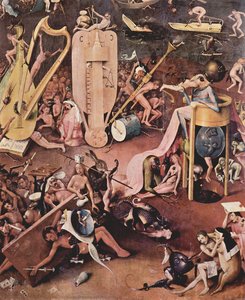
The painting “Ecce Homo” – Latin for “Behold the Man” – is a haunting fragment from Hieronymus Bosch’s monumental triptych, completed around 1475. More than just a depiction of Jesus Christ’s crucifixion, it represents a profound meditation on human suffering and divine compassion, rendered with Bosch's signature blend of meticulous realism and fantastical imagination. This particular detail captures the palpable tension surrounding the figure of Jesus as he is presented to the crowd – a scene charged with religious significance and psychological complexity.The Artist’s Vision: Bosch’s Unique Style
Hieronymus Bosch (c. 1450-1516) stands apart from his contemporaries in Northern Renaissance art. Unlike many artists of his era who adhered to idealized depictions of biblical figures, Bosch embraced a disturbing vision rooted in medieval folklore and Christian mysticism. His style is characterized by an unsettling juxtaposition of naturalistic observation with grotesque imagery – animals transformed into monstrous hybrids, human figures distorted into expressions of agony and ecstasy. This deliberate dissonance wasn’t merely stylistic choice; it served as a powerful tool for conveying Bosch's anxieties about sin, mortality, and the corrupting influence of earthly desires. He meticulously crafted his paintings using oil paint on panel, achieving remarkable detail and luminosity—a technique that allowed him to capture both the physicality of his subjects and the ethereal quality of their spiritual torment.Historical Context: Faith Under Pressure
The triptych itself was commissioned by Willem Boreel, a wealthy Antwerp merchant who sought solace during a period of religious upheaval in Europe. The Protestant Reformation was gaining momentum, challenging papal authority and sparking intense debates about theological interpretation. Bosch’s depiction reflects this climate of uncertainty; the faces of those surrounding Jesus are etched with sorrow and apprehension, mirroring the anxieties felt by many devout Christians grappling with questions of faith and salvation. The inclusion of instruments like a sword and shield speaks to the political tensions of the time – symbols of military might juxtaposed against the vulnerability of Christ on the cross—underscoring Bosch’s awareness of the broader societal landscape.Symbolism: Layers of Meaning Beyond the Visible
Beyond its immediate depiction, “Ecce Homo” is replete with symbolic references that delve into deeper theological concerns. The cup held aloft by one figure represents divine grace – offering solace and redemption to those who acknowledge their failings. Conversely, the expressions on the faces of the onlookers convey a spectrum of emotions: pity, fear, disbelief, and perhaps even contempt. Bosch’s masterful use of color contributes to this symbolic richness; muted tones dominate the scene, emphasizing the solemnity of the occasion while highlighting the luminous glow emanating from Jesus's body—a visual representation of divine holiness amidst human suffering.Emotional Impact: A Portrait of Humanity’s Struggle
“Ecce Homo” continues to resonate with viewers centuries after its creation because it confronts us directly with the fundamental questions of existence. Bosch doesn’t offer easy answers; instead, he compels us to contemplate the horrors of human nature alongside the promise of divine mercy. The painting's unsettling realism combined with fantastical elements creates a visceral experience—one that lingers in the mind long after viewing. It serves as a timeless reminder of our shared vulnerability and the enduring power of faith to illuminate even the darkest corners of the human condition. This detail, like the entire triptych, remains an unforgettable testament to Bosch’s unparalleled artistic genius and his profound engagement with the spiritual anxieties of his time.Perguntas e Respostas
Como "Ecce Homo (detail)", de Hieronymus Bosch pode ser utilizado na decoração de interiores?
"Ecce Homo (detail)" é sugerida para Accent, e o espaço recomendado é um(a) Living Room.
Qual é a atmosfera geral de "Ecce Homo (detail)", de Hieronymus Bosch?
"Ecce Homo (detail)", de Hieronymus Bosch é descrito como tendo um clima Dramatic. Esta classificação pode ajudar a combinar a obra com um ambiente.
Que tipo de obra de arte é "Ecce Homo (detail)", de Hieronymus Bosch?
"Ecce Homo (detail)" é uma obra de WallArt.
Quick facts and art quiz
About Hieronymus Bosch

Hieronymus Bosch
1450 - 1516, Países Baixos
Biografia do Artista
Hieronymus Bosch: Um Enigma Holandês
Nascido por volta de 1450 na vibrante e movimentada cidade de ‘s-Hertogenbosch, nos Países Baixos—então parte da Baviera—Hieronymus Bosch, originalmente Jheronimus van Aken, permanece uma das figuras mais intrigantes e misteriosas da história da arte. Seu mundo era permeado pelo fervor religioso medieval tardio, folclore e um crescente senso de inquietação social, todos os quais moldariam sua visão artística única e perturbadora. Proveniente de uma família com uma longa tradição na pintura—seu avô, Jan van Aken, e seu pai, Anthonius van Aken, eram ambos artistas—Bosch provavelmente recebeu seus primeiros treinamentos dentro do workshop familiar, absorvendo as técnicas e convenções da pintura neerlandesa. No entanto, mesmo em seus anos formativos, ele começou a se desviar das normas estabelecidas, prenunciando a imaginação extraordinária que definiria sua carreira. Os detalhes biográficos são frustrantemente escassos; os registros são fragmentados, deixando muito aberto à especulação e interpretação, adicionando ao ar de mistério que envolve tanto o homem quanto sua obra. Casou-se com Aleyt Goyaerts van den Meerveen em algum momento antes de 1481, uma união que lhe proporcionou alguma segurança financeira através dos bens de sua família, mas pouco mais é conhecido sobre sua vida pessoal.Visões Fantásticas e Profundezas Simbólicas
O estilo artístico de Bosch é instantaneamente reconhecível—uma combinação cativante de detalhes meticulosos e imagens imaginativas. Ele trabalhou principalmente com óleo sobre painéis de carvalho, demonstrando um domínio magistral do meio, alcançando cores luminosas e texturas intrincadas. Embora suas primeiras obras mostrem influências da pintura neerlandesa tradicional, particularmente em seu realismo e atenção aos detalhes, ele rapidamente se moveu além da mera imitação, desenvolvendo uma visão profundamente original. Suas pinturas não são simplesmente representações da realidade; são paisagens alegóricas povoadas por criaturas bizarras, seres híbridos e cenas perturbadoras que parecem saídas de sonhos—ou pesadelos. Temas religiosos formam o núcleo de muito de seu trabalho, mas raramente são representações literais de histórias bíblicas. Em vez disso, Bosch usa simbolismo para explorar conceitos morais e teológicos complexos, muitas vezes concentrando-se nos perigos do pecado, na fragilidade dos prazeres terrenos e na inevitabilidade do julgamento divino. Suas criaturas—demônios grotescos, animais fantásticos e figuras estranhamente humanas—não são meros elementos decorativos; são encarnações da vice, da tentação e da corrupção espiritual. A combinação do sagrado e do profano, da beleza e do grotesco, cria um efeito único e perturbador que continua a cativar os espectadores séculos depois.Mestrias de Alegoria Moral
Entre as obras mais celebradas de Bosch está *O Jardim das Delícias Terrenas* (c. 1490-1510), uma triptique que permanece uma das obras mais enigmáticas e debatidas da história da arte. Quando aberta, apresenta uma visão panorâmica do paraíso, da vida terrena e do inferno—uma representação alegórica complexa da queda da graça humana. O painel esquerdo retrata o Jardim do Éden, repleto de criaturas fantásticas e vegetação exuberante; o painel central representa um mundo consumido pelo prazer sensual e pelo desejo descontrolado; e o painel direito oferece um vislumbre aterrorizante do tormento do inferno. O Triptique do Último Julgamento (c. 1480-1490) é outro exemplo poderoso de sua habilidade em retratar a felicidade celestial e o tormento infernal, enquanto *A Ascensão dos Bem-aventurados* (c. 1480-1490) demonstra sua capacidade de criar cenas etéreas e oníricas. Mesmo obras menores como *O Epifania* (c. 1495) exibem seu uso inovador de óleo sobre madeira e simbolismo complexo, revelando uma mente constantemente confrontada com questões profundas sobre fé, moralidade e a condição humana.Influências e Legado Duradouro
Identificar as influências diretas de Bosch é uma tarefa desafiadora, dada a originalidade de sua visão. Os estudiosos sugerem possíveis conexões com o folclore medieval, textos religiosos—particularmente aqueles enfatizando temas apocalípticos—e as ansiedades crescentes da época, incluindo medos de heresia e agitação social. No entanto, está claro que ele sintetizou esses elementos em algo totalmente novo e exclusivamente seu. Seu impacto nos artistas posteriores é inegável. Pieter Bruegel o Velho seguiu seus passos diretamente, adotando temas e técnicas composicionais semelhantes, enquanto movimentos posteriores, como o Surrealismo, também se inspiraram em suas imagens oníricas e na exploração do inconsciente. Artistas como Salvador Dalí e Max Ernst reconheceram abertamente sua dívida com suas visões perturbadoras. Até hoje, a obra de Bosch continua a fascinar e provocar debate, consolidando seu lugar como um mestre da pintura neerlandesa e um artista visionário cujo impacto se estende muito além de seu próprio tempo. Suas pinturas oferecem insights valiosos sobre o clima religioso, social e psicológico do final do século XV e início do século XVI, desafiando as normas convencionais e abrindo caminho para novas formas de expressão artística. Ele morreu em 1516, deixando para trás um corpo de trabalho que continua a assombrar e inspirar, garantindo sua herança duradoura como uma das vozes mais singulares e inesquecíveis da história da arte.Influências
Bosch foi influenciado por vários artistas e movimentos, incluindo os pintores alemães Martin Schongauer, Matthias Grünewald e Albrecht Dürer. Ele também foi influenciado pelo estilo de Jan van Eyck, mas desenvolveu um estilo próprio que era muito mais imaginativo e simbólico.Quick facts about Hieronymus Bosch
- Artistic Movement Or Style: Surrealismo, Simbolismo
- Artists Or Movements Influenced By This Artist: ['Pieter Bruegel']
- Date Of Birth: c. 1450
- Date Of Death: 1516
- Full Name: Hieronymus Bosch
- Nationality: Holandês
- Notable Artworks:
- Jardim das Delícias Terrenas
- Último Julgamento
- Ascensão dos Bem-aventurados
- Place Of Birth: Den Bosch, Holanda
Explore obras de arte organizadas por temas, estilos e características.




Hieronymus Bosch
Ecce Homo (detail)
() ·
With its frame: · Hand-painted in oil on linen
Total