Visualizar na parede
 Compartilhar
 Compartilhar
 Detalhes
 Guia
Guia

 Baixar imagem
 Semelhantes
 Raio X
 Ver diaporama
 Estatísticas
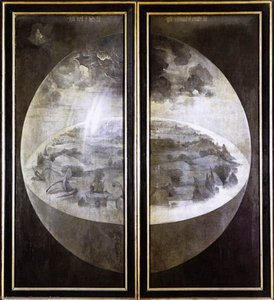
Hermit Saints Triptych (left panel)
 Oil On Panel
- WallArt
- Surrealist Movement
 1505
1505- Renaissance
 86.0 x 29.0 cm
 Palazzo Ducale
A surreal landscape of grotesque creatures and unsettling shadows defines this Northern Renaissance masterpiece by Hieronymus Bosch, inviting you to explore the profound mysteries of his visionary oil on panel painting.
 Ler mais
Descubra Hieronymus Bosch (c.1450-1516), mestre holandês da surrealidade & simbolismo. Explore suas pinturas icônicas, temas religiosos e visões noturnas – influência duradoura na história da arte.
Giclée / Impressão de Arte
Impressão giclée ou em tela de qualidade de museu, com produção rápida e opções flexíveis de acabamento. ( Comprar pintura feita à mão Alternar para Imagem Digital)




P118B €10

P118H €10

P118W €10

P438Z €10

P508JH €12

P508YH €12

P805H €10

P805Z €10

P919BZ €10

P919G €10

P919XJ €10

P959ZH €10

P968JZ €12

W106C €8

W218G €10

W218JH €8

W218Y €10

W307PJ €10

W316G €10

W316PJ €8

W316Y €10

W398PJ €8

W4111J €10

W500HY €15

W500JH €15

W692G €12

W849H €8

W940BG €15

W953PJ €8




Tamanho padrão
personalizado
CM
INCH
Escolha entre os nossos tamanhos pré-definidos que respeitam as proporções originais da obra de arte.
Loading sizes...

largura
altura
Insira a largura e a altura desejadas para se ajustarem à sua moldura ou parede. Uma impressão pode ser apenas cortada, nunca ampliada além da imagem original; portanto, um tamanho com proporções diferentes resultará na perda de parte da imagem. Enviamos uma maquete digital para sua aprovação antes de realizarmos a impressão. A imagem exibida nesta página não mostra o corte real — apenas a maquete o faz.
Entrega mundial () em 2 semanas, em vez das 4/5 semanas padrão. (26 Outubro)

Envio expresso gratuito para todo o mundo

Tela de Linho de Alta Qualidade

Seguro de transporte completo

Garantia de Reembolso de Impostos Alfandegários

Garantia de Fidelidade Cromática

Política de Devolução em 100 Dias (Apenas para Defeitos)

Garantia de reembolso de 100%

Oferta de desconto por quantidade
 A opção de vidro está disponível apenas para tamanhos inferiores a 110 cm

Hermit Saints Triptych (left panel)
Giclée / Impressão de Arte
Tamanho da Reprodução
-


Preço Total
€ 61
A Descent into Surreal Reflection
In the hauntingly beautiful left panel of Hieronymus Bosch’s Hermit Saints Triptych, viewers are invited to step into a dreamlike realm where the boundaries between reality and nightmare dissolve. Painted around 1505, this work serves as a profound testament to the artist's ability to distill the deep-seated anxieties of the High Renaissance into a single, visceral visual experience. The scene presents a desolate, rocky landscape that feels both ancient and otherworldly, teeming with a chaotic tableau of grotesque figures. As one gazes upon the panel, the eye is immediately drawn to the unsettling movement of animalistic creatures—birds with human faces and bizarre hybrids—that crawl across a terrain littered with decaying bones. This deliberate disregard for conventional perspective creates a pervasive sense of disorientation, pulling the observer into a world where the familiar has been irrevocably transformed by spiritual and psychological unrest.
The emotional impact of the piece is amplified by Bosch’s masterful use of light and shadow. Through a dramatic application of chiaroscuro, the artist creates an atmosphere of palpable dread, where deep blacks and earthy browns dominate the composition. Yet, amidst this oppressive darkness, sudden splashes of orange and red emanate from distant fires, acting as flickering reminders of chaos. A pale white highlight on a central figure serves as an unsettling beacon, emphasizing a sense of profound isolation and vulnerability against the encroaching gloom. For the collector or admirer, this interplay of light does more than just illuminate the scene; it breathes life into the very concept of spiritual struggle, making the artwork feel as though it is pulsing with a quiet, restless energy.
Symbolism and the Mastery of Technique
Beyond its surface-level strangeness, the panel is a rich tapestry of medieval Christian iconography. Bosch utilizes every element of the landscape to weave a narrative of moral consequence. The hermit figure, captured in a moment of deep contemplation or perhaps penitence, stands as a symbol of the soul's attempt to find solace amidst worldly corruption. Surrounding him, the grotesque creatures are not merely decorative oddities but are carefully crafted embodiments of temptation and vice. Even the presence of scattered bones serves as a poignant memento mori, prompting the viewer to reflect on the ephemeral nature of earthly existence and the inevitability of mortality. This layer of symbolic depth ensures that the artwork remains an intellectual journey as much as a visual one.
The technical execution of this panel reveals the meticulous craftsmanship characteristic of the Netherlandish tradition. Working with oil paints on a wooden panel, Bosch employed sophisticated layering and glazing techniques to achieve a remarkable tonal richness. This painstaking process allows for subtle gradations in color that capture the gritty textures of stone and the unsettling softness of flesh with astonishing accuracy. The intricate lines used to delineate each small, bizarre creature demonstrate a level of detail that rewards prolonged study. For those seeking to incorporate such a masterpiece into a curated space, a high-quality reproduction offers more than just decoration; it provides a window into the complex psyche of a visionary artist, bringing a sense of historical gravity and profound mystery to any interior setting.
Perguntas e Respostas
Em que ano e em qual movimento foi feita a obra "Hermit Saints Triptych (left panel)"?
"Hermit Saints Triptych (left panel)" foi criada em 1505 como uma obra do movimento Surrealist Movement. A data e o movimento situam a obra na história da arte.
De qual país é a obra do Surrealist Movement "Hermit Saints Triptych (left panel)"?
"Hermit Saints Triptych (left panel)" conecta o movimento Surrealist Movement a Países Baixos por meio do local de nascimento de seu criador.
"Hermit Saints Triptych (left panel)", de Hieronymus Bosch é uma pintura, um desenho ou uma gravura?
No catálogo, "Hermit Saints Triptych (left panel)", de Hieronymus Bosch está registrado como WallArt. A categoria ajuda a encontrar obras semelhantes.
Biografia do Artista
Hieronymus Bosch: Um Enigma Holandês
Nascido por volta de 1450 na vibrante e movimentada cidade de ‘s-Hertogenbosch, nos Países Baixos—então parte da Baviera—Hieronymus Bosch, originalmente Jheronimus van Aken, permanece uma das figuras mais intrigantes e misteriosas da história da arte. Seu mundo era permeado pelo fervor religioso medieval tardio, folclore e um crescente senso de inquietação social, todos os quais moldariam sua visão artística única e perturbadora. Proveniente de uma família com uma longa tradição na pintura—seu avô, Jan van Aken, e seu pai, Anthonius van Aken, eram ambos artistas—Bosch provavelmente recebeu seus primeiros treinamentos dentro do workshop familiar, absorvendo as técnicas e convenções da pintura neerlandesa. No entanto, mesmo em seus anos formativos, ele começou a se desviar das normas estabelecidas, prenunciando a imaginação extraordinária que definiria sua carreira. Os detalhes biográficos são frustrantemente escassos; os registros são fragmentados, deixando muito aberto à especulação e interpretação, adicionando ao ar de mistério que envolve tanto o homem quanto sua obra. Casou-se com Aleyt Goyaerts van den Meerveen em algum momento antes de 1481, uma união que lhe proporcionou alguma segurança financeira através dos bens de sua família, mas pouco mais é conhecido sobre sua vida pessoal.Visões Fantásticas e Profundezas Simbólicas
O estilo artístico de Bosch é instantaneamente reconhecível—uma combinação cativante de detalhes meticulosos e imagens imaginativas. Ele trabalhou principalmente com óleo sobre painéis de carvalho, demonstrando um domínio magistral do meio, alcançando cores luminosas e texturas intrincadas. Embora suas primeiras obras mostrem influências da pintura neerlandesa tradicional, particularmente em seu realismo e atenção aos detalhes, ele rapidamente se moveu além da mera imitação, desenvolvendo uma visão profundamente original. Suas pinturas não são simplesmente representações da realidade; são paisagens alegóricas povoadas por criaturas bizarras, seres híbridos e cenas perturbadoras que parecem saídas de sonhos—ou pesadelos. Temas religiosos formam o núcleo de muito de seu trabalho, mas raramente são representações literais de histórias bíblicas. Em vez disso, Bosch usa simbolismo para explorar conceitos morais e teológicos complexos, muitas vezes concentrando-se nos perigos do pecado, na fragilidade dos prazeres terrenos e na inevitabilidade do julgamento divino. Suas criaturas—demônios grotescos, animais fantásticos e figuras estranhamente humanas—não são meros elementos decorativos; são encarnações da vice, da tentação e da corrupção espiritual. A combinação do sagrado e do profano, da beleza e do grotesco, cria um efeito único e perturbador que continua a cativar os espectadores séculos depois.Mestrias de Alegoria Moral
Entre as obras mais celebradas de Bosch está *O Jardim das Delícias Terrenas* (c. 1490-1510), uma triptique que permanece uma das obras mais enigmáticas e debatidas da história da arte. Quando aberta, apresenta uma visão panorâmica do paraíso, da vida terrena e do inferno—uma representação alegórica complexa da queda da graça humana. O painel esquerdo retrata o Jardim do Éden, repleto de criaturas fantásticas e vegetação exuberante; o painel central representa um mundo consumido pelo prazer sensual e pelo desejo descontrolado; e o painel direito oferece um vislumbre aterrorizante do tormento do inferno. O Triptique do Último Julgamento (c. 1480-1490) é outro exemplo poderoso de sua habilidade em retratar a felicidade celestial e o tormento infernal, enquanto *A Ascensão dos Bem-aventurados* (c. 1480-1490) demonstra sua capacidade de criar cenas etéreas e oníricas. Mesmo obras menores como *O Epifania* (c. 1495) exibem seu uso inovador de óleo sobre madeira e simbolismo complexo, revelando uma mente constantemente confrontada com questões profundas sobre fé, moralidade e a condição humana.Influências e Legado Duradouro
Identificar as influências diretas de Bosch é uma tarefa desafiadora, dada a originalidade de sua visão. Os estudiosos sugerem possíveis conexões com o folclore medieval, textos religiosos—particularmente aqueles enfatizando temas apocalípticos—e as ansiedades crescentes da época, incluindo medos de heresia e agitação social. No entanto, está claro que ele sintetizou esses elementos em algo totalmente novo e exclusivamente seu. Seu impacto nos artistas posteriores é inegável. Pieter Bruegel o Velho seguiu seus passos diretamente, adotando temas e técnicas composicionais semelhantes, enquanto movimentos posteriores, como o Surrealismo, também se inspiraram em suas imagens oníricas e na exploração do inconsciente. Artistas como Salvador Dalí e Max Ernst reconheceram abertamente sua dívida com suas visões perturbadoras. Até hoje, a obra de Bosch continua a fascinar e provocar debate, consolidando seu lugar como um mestre da pintura neerlandesa e um artista visionário cujo impacto se estende muito além de seu próprio tempo. Suas pinturas oferecem insights valiosos sobre o clima religioso, social e psicológico do final do século XV e início do século XVI, desafiando as normas convencionais e abrindo caminho para novas formas de expressão artística. Ele morreu em 1516, deixando para trás um corpo de trabalho que continua a assombrar e inspirar, garantindo sua herança duradoura como uma das vozes mais singulares e inesquecíveis da história da arte.Influências
Bosch foi influenciado por vários artistas e movimentos, incluindo os pintores alemães Martin Schongauer, Matthias Grünewald e Albrecht Dürer. Ele também foi influenciado pelo estilo de Jan van Eyck, mas desenvolveu um estilo próprio que era muito mais imaginativo e simbólico.
Hieronymus Bosch
1450 - 1516 , Países Baixos
Dados Rápidos
- Artistic Movement Or Style: Surrealismo, Simbolismo
- Artists Or Movements Influenced By This Artist: ['Pieter Bruegel']
- Date Of Birth: c. 1450
- Date Of Death: 1516
- Full Name: Hieronymus Bosch
- Nationality: Holandês
- Notable Artworks:
- Jardim das Delícias Terrenas
- Último Julgamento
- Ascensão dos Bem-aventurados
- Place Of Birth: Den Bosch, Holanda
Artigos Relacionados

Pop Surrealism Unveiled: The Sophisticated Intersection of Vibrant Pop Art and Dreamlike Subconscious Landscapes
Explore the captivating world of Pop Surrealism. Discover how vibrant Pop Art meets dreamlike subconscious imagery through the works of masters like Jeff Soto and Ryan Heshka. An expert guide for discerning collectors seeking to understand this profound contemporary art movement.

Beyond Reality: A Sophisticated Exploration of the Dreamlike Architecture in Surrealist Landscapes
Embark on a sophisticated journey through the dreamlike architecture of Surrealist landscapes. Uncover the profound psychological depths and visual paradoxes of masters like Salvador Dalí in this expert exploration of art’s most captivating, impossible vistas.
Explore obras de arte organizadas por temas, estilos e características.