Visualizar em escala
 Enviar
 Compartilhar
 Ver detalhes
 Guia de Obras do Aluno

 Baixar imagem
 Semelhantes
 Raio X
 Apresentação de slides
 Estatísticas
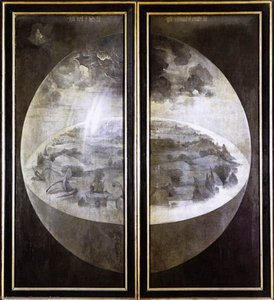
O Juízo Final


Explore Hieronymus Bosch's 'O Juízo Final': uma obra-prima surrealista e simbólica que revela o artista como um mestre da pintura flamenga primitiva e um inquietante testemunho do medo humano.
 Ver mais
Descubra Hieronymus Bosch (c.1450-1516), mestre holandês da surrealidade & simbolismo. Explore suas pinturas icônicas, temas religiosos e visões noturnas – influência duradoura na história da arte.
Giclée / Impressão de Arte
Impressão giclée ou em tela de qualidade de museu, com produção rápida e opções flexíveis de acabamento. ( Encomendar reprodução pintada à mão Ver Imagem Digital)




P118B €10

P118H €10

P118W €10

P438Z €10

P508JH €12

P508YH €12

P805H €10

P805Z €10

P919BZ €10

P919G €10

P919XJ €10

P959ZH €10

P968JZ €12

W106C €8

W218G €10

W218JH €8

W218Y €10

W307PJ €10

W316G €10

W316PJ €8

W316Y €10

W398PJ €8

W4111J €10

W500HY €15

W500JH €15

W692G €12

W849H €8

W940BG €15

W953PJ €8




Padrão
sob medida
CM
INCH
Escolha entre os nossos tamanhos pré-definidos que respeitam as proporções originais da obra de arte.
Loading sizes...

largura
altura
Digite a largura e a altura de que necessita, para se ajustar à sua moldura ou à sua parede. Uma impressão só pode ser cortada, nunca ampliada além da imagem original, pelo que um tamanho com uma proporção diferente perderá parte da imagem. Enviamos-lhe uma maquete digital para aprovação antes de imprimirmos qualquer coisa. A imagem apresentada nesta página não mostra o corte real — apenas a maquete o faz.
Entrega mundial () em 2 semanas, em vez das 4/5 semanas padrão. (24 Outubro)

Envio expresso gratuito para todo o mundo

Tela de Linho Premium

Seguro de transporte total

Garantia de Reembolso de Impostos Alfandegários

Garantia de Fidelidade de Cor

Política de Devolução em 100 Dias (Apenas para Defeitos)

Garantia de reembolso de 100%

Desconto para múltiplas unidades
 A opção de vidro está disponível apenas para tamanhos inferiores a 110 cm

O Juízo Final
Giclée / Impressão de Arte
Dimensões da Reprodução
-


Preço Total
€ 61
A Glimpse into Bosch’s Inferno: Decoding *The Last Judgement (detail)*
Hieronymus Bosch's *Triptych of the Last Judgement*, completed around 1480-1500, stands as a monumental achievement in Northern Renaissance art—a chilling testament to humanity’s moral failings and divine retribution. This particular detail captures the essence of Bosch’s unsettling vision of Hell, inviting viewers into a world where grotesque figures wrestle with tormentors and symbols resonate with profound theological significance. Let's delve deeper into what makes this artwork so captivating and enduring.Subject & Narrative: A Personal Descent Into Darkness
Unlike many depictions of Judgment Day focusing on grand cosmological narratives—the celestial choirs ascending to heaven versus the damned plummeting downwards—Bosch’s Hell is intensely *personal*. The scene unfolds as if we are witnessing a singular soul undergoing uniquely tailored punishments, reflecting the specific sins that have led it astray. Observe the meticulous arrangement of tormented figures: demons wielding instruments of torture – hooks, chains, spiked wheels – engage in a gruesome ballet with victims consumed by despair. Bosch’s genius lies not merely in portraying pain but in transforming it into an embodiment of wrongdoing itself; each instrument becomes an extension of the sin it represents. This isn't simply about physical suffering; it’s about psychological anguish—a visceral confrontation with mortality and divine judgment.Style & Technique: Surrealism Before Surrealism
Bosch’s artistic style defies easy categorization, yet anticipates elements of Surrealism centuries before André Breton formally established the movement. He achieves this unsettling effect through a masterful blend of realism and fantasy. Executed on wooden panel using oil paint—a technique that allows for astonishing detail—the painting employs a flattened perspective, compressing space and intensifying the claustrophobic atmosphere. Note the dramatic contrast between luminous areas highlighting focal points and darker recesses populated by grotesque creatures and shadowy figures. Bosch’s use of *impasto*—thickly applied paint—creates textural surfaces that convey movement and energy within Hell's chaotic landscape. This technique isn’t merely decorative; it contributes to the overall sense of unease and disorientation, mirroring the tormented experience of those condemned.Symbolism & Iconography: Decoding Bosch’s Moral Compass
Every element in Bosch’s work is laden with symbolism—a deliberate strategy designed to provoke contemplation and convey moral lessons. The monstrous figures – hybrids of human and animal forms – represent the bestial nature of sin and the degradation of humanity, mirroring biblical allegories. Instruments of torture aren't just tools of pain; they symbolize specific sins—musical instruments repurposed as instruments of torment highlight the dangers of indulgence. Recurring symbols—such as the spiked wheel representing chastity—allude to contemporary proverbs and religious beliefs, offering a window into 15th-century anxieties about salvation and damnation. Understanding these symbols is key to unlocking Bosch’s profound meditation on human morality and divine justice.Historical Context & Artistic Legacy: Echoes of Medieval Fears
Bosch lived during a period of significant social and religious upheaval—the late medieval Netherlands grappling with the Black Death, papal schism, and growing skepticism about dogma. His art reflects these anxieties, portraying Hell as a tangible manifestation of earthly sins and reminding viewers of the consequences of straying from God’s path. Bosch's influence on subsequent generations of artists is undeniable; he paved the way for Mannerist painters like Pieter Bruegel the Elder and continues to inspire contemporary artists exploring themes of fantasy, horror, and the human condition. *His enduring power lies in his ability to confront uncomfortable truths—a chilling reminder that art can serve as a catalyst for moral reflection.*- Ideal for: Collectors of Northern Renaissance art, those interested in symbolism and allegory, designers seeking impactful statement pieces.
- Mood: Dramatic, unsettling, thought-provoking, gothic.
- Pairing Suggestions: Contemporary furniture with dark hues, gallery walls featuring monochrome palettes, artistic installations exploring themes of existential dread.
Perguntas e Respostas
Qual é o lugar de "O Juízo Final" de Hieronymus Bosch na história da arte?
"O Juízo Final" de Hieronymus Bosch pertence ao movimento Northern Renaissance Surrealism, dentro do período Renascimento. Juntos, eles conferem à obra o seu lugar na história da arte.
Posso encomendar uma reprodução a óleo de "O Juízo Final"?
Cópias pintadas à mão de "O Juízo Final" de Hieronymus Bosch são vendidas no este site: uma reprodução a óleo pintada à mão sobre tela de linho, encomendadas através da sua página Reprodução Pintada à Mão.
"O Juízo Final" está disponível como uma impressão fine art?
Uma impressão de "O Juízo Final" de Hieronymus Bosch pode ser encomendada diretamente na sua página de Impressão Fine Art: uma impressão fine art em tela de algodão ou papel canvas de arquivo.
Biografia do Artista
Hieronymus Bosch: Um Enigma Holandês
Nascido por volta de 1450 na vibrante e movimentada cidade de ‘s-Hertogenbosch, nos Países Baixos—então parte da Baviera—Hieronymus Bosch, originalmente Jheronimus van Aken, permanece uma das figuras mais intrigantes e misteriosas da história da arte. Seu mundo era permeado pelo fervor religioso medieval tardio, folclore e um crescente senso de inquietação social, todos os quais moldariam sua visão artística única e perturbadora. Proveniente de uma família com uma longa tradição na pintura—seu avô, Jan van Aken, e seu pai, Anthonius van Aken, eram ambos artistas—Bosch provavelmente recebeu seus primeiros treinamentos dentro do workshop familiar, absorvendo as técnicas e convenções da pintura neerlandesa. No entanto, mesmo em seus anos formativos, ele começou a se desviar das normas estabelecidas, prenunciando a imaginação extraordinária que definiria sua carreira. Os detalhes biográficos são frustrantemente escassos; os registros são fragmentados, deixando muito aberto à especulação e interpretação, adicionando ao ar de mistério que envolve tanto o homem quanto sua obra. Casou-se com Aleyt Goyaerts van den Meerveen em algum momento antes de 1481, uma união que lhe proporcionou alguma segurança financeira através dos bens de sua família, mas pouco mais é conhecido sobre sua vida pessoal.Visões Fantásticas e Profundezas Simbólicas
O estilo artístico de Bosch é instantaneamente reconhecível—uma combinação cativante de detalhes meticulosos e imagens imaginativas. Ele trabalhou principalmente com óleo sobre painéis de carvalho, demonstrando um domínio magistral do meio, alcançando cores luminosas e texturas intrincadas. Embora suas primeiras obras mostrem influências da pintura neerlandesa tradicional, particularmente em seu realismo e atenção aos detalhes, ele rapidamente se moveu além da mera imitação, desenvolvendo uma visão profundamente original. Suas pinturas não são simplesmente representações da realidade; são paisagens alegóricas povoadas por criaturas bizarras, seres híbridos e cenas perturbadoras que parecem saídas de sonhos—ou pesadelos. Temas religiosos formam o núcleo de muito de seu trabalho, mas raramente são representações literais de histórias bíblicas. Em vez disso, Bosch usa simbolismo para explorar conceitos morais e teológicos complexos, muitas vezes concentrando-se nos perigos do pecado, na fragilidade dos prazeres terrenos e na inevitabilidade do julgamento divino. Suas criaturas—demônios grotescos, animais fantásticos e figuras estranhamente humanas—não são meros elementos decorativos; são encarnações da vice, da tentação e da corrupção espiritual. A combinação do sagrado e do profano, da beleza e do grotesco, cria um efeito único e perturbador que continua a cativar os espectadores séculos depois.Mestrias de Alegoria Moral
Entre as obras mais celebradas de Bosch está *O Jardim das Delícias Terrenas* (c. 1490-1510), uma triptique que permanece uma das obras mais enigmáticas e debatidas da história da arte. Quando aberta, apresenta uma visão panorâmica do paraíso, da vida terrena e do inferno—uma representação alegórica complexa da queda da graça humana. O painel esquerdo retrata o Jardim do Éden, repleto de criaturas fantásticas e vegetação exuberante; o painel central representa um mundo consumido pelo prazer sensual e pelo desejo descontrolado; e o painel direito oferece um vislumbre aterrorizante do tormento do inferno. O Triptique do Último Julgamento (c. 1480-1490) é outro exemplo poderoso de sua habilidade em retratar a felicidade celestial e o tormento infernal, enquanto *A Ascensão dos Bem-aventurados* (c. 1480-1490) demonstra sua capacidade de criar cenas etéreas e oníricas. Mesmo obras menores como *O Epifania* (c. 1495) exibem seu uso inovador de óleo sobre madeira e simbolismo complexo, revelando uma mente constantemente confrontada com questões profundas sobre fé, moralidade e a condição humana.Influências e Legado Duradouro
Identificar as influências diretas de Bosch é uma tarefa desafiadora, dada a originalidade de sua visão. Os estudiosos sugerem possíveis conexões com o folclore medieval, textos religiosos—particularmente aqueles enfatizando temas apocalípticos—e as ansiedades crescentes da época, incluindo medos de heresia e agitação social. No entanto, está claro que ele sintetizou esses elementos em algo totalmente novo e exclusivamente seu. Seu impacto nos artistas posteriores é inegável. Pieter Bruegel o Velho seguiu seus passos diretamente, adotando temas e técnicas composicionais semelhantes, enquanto movimentos posteriores, como o Surrealismo, também se inspiraram em suas imagens oníricas e na exploração do inconsciente. Artistas como Salvador Dalí e Max Ernst reconheceram abertamente sua dívida com suas visões perturbadoras. Até hoje, a obra de Bosch continua a fascinar e provocar debate, consolidando seu lugar como um mestre da pintura neerlandesa e um artista visionário cujo impacto se estende muito além de seu próprio tempo. Suas pinturas oferecem insights valiosos sobre o clima religioso, social e psicológico do final do século XV e início do século XVI, desafiando as normas convencionais e abrindo caminho para novas formas de expressão artística. Ele morreu em 1516, deixando para trás um corpo de trabalho que continua a assombrar e inspirar, garantindo sua herança duradoura como uma das vozes mais singulares e inesquecíveis da história da arte.Influências
Bosch foi influenciado por vários artistas e movimentos, incluindo os pintores alemães Martin Schongauer, Matthias Grünewald e Albrecht Dürer. Ele também foi influenciado pelo estilo de Jan van Eyck, mas desenvolveu um estilo próprio que era muito mais imaginativo e simbólico.
Hieronymus Bosch
1450 - 1516 , Países Baixos
Informações Rápidas
- Artistic Movement Or Style: Surrealismo, Simbolismo
- Artists Or Movements Influenced By This Artist: ['Pieter Bruegel']
- Date Of Birth: c. 1450
- Date Of Death: 1516
- Full Name: Hieronymus Bosch
- Nationality: Holandês
- Notable Artworks:
- Jardim das Delícias Terrenas
- Último Julgamento
- Ascensão dos Bem-aventurados
- Place Of Birth: Den Bosch, Holanda
Artigos Relacionados

Surrealist Dreamscapes: A Curated Journey Through the Subconscious Majesty of Surrealism
Embark on a sophisticated journey through Surrealist dreamscapes. Explore the profound symbolism of masters like Dalí and discover how to curate breathtaking, museum-quality surrealist art for your private collection with expert guidance.

Beyond Reality: The Dreamlike Magic of Surrealist Expression and the Subconscious Mind
Explore the profound beauty of Surrealism. From Dalí’s dreamscapes to the subconscious depths of expressionism, discover how masters captured the irrational mind through breathtaking, hand-painted fine art and historical insight.

Beyond Reality: A Journey Into the Dreamlike World of Surrealism
Embark on a cultural journey through the dreamlike realm of Surrealism. Explore the profound psychological depths of masters like Dalí and Magritte through our expert art history insights and museum-quality hand-painted reproductions.

Beyond Reality: The Dreamlike Power of Surrealist Expressionism and the Subconscious Mind
Explore the profound depths of Surrealist Expressionism. Discover how masters like Dalí used dream logic and subconscious imagery to redefine reality through emotionally resonant, museum-quality art.
Explore obras de arte organizadas por temas, estilos e características.