

Exibido: · Com a moldura:
 Visualizar na parede
 Compartilhar
 Compartilhar
 Detalhes
 Guia
Guia

 Baixar imagem
 Semelhantes
 Raio X
 Ver diaporama
 Perguntas e Respostas
 Estatísticas
- 250.0 x 350.0 cm


€ 372
Reprodução em Óleo Feita à Mão
Óleo sobre tela pintado à mão no tamanho e moldura de sua escolha, feito sob encomenda pelos nossos artistas. ( Alternar para Impressão Alternar para Imagem Digital)
Tamanho
·Tamanho padrão
personalizado
CM
INCH
Escolha entre os nossos tamanhos pré-definidos que respeitam as proporções originais da obra de arte.
Carregando tamanhos...

largura
altura
Insira a largura e a altura desejadas para se ajustarem à sua moldura ou parede. Como esta obra é pintada à mão, para um tamanho com proporções diferentes, o artista poderá pintar um pouco mais ao redor da imagem ou reduzir ligeiramente a composição — você escolhe. Enviamos uma maquete digital para sua aprovação antes de iniciar a pintura. A imagem exibida nesta página não representa o resultado real — apenas a maquete mostra o resultado final.
 Leia mais
Finalizar
·
Branco €1

Bordas esfumaçadas €1

Bordas estendidas €1

P118B €10

P118H €10

P118W €10

P438Z €10

P508JH €12

P508YH €12

P805H €10

P805Z €10

P919BZ €10

P919G €10

P919XJ €10

P959ZH €10

P968JZ €12

W106C €8

W218G €10

W218JH €8

W218Y €10

W307PJ €10

W316G €10

W316PJ €8

W316Y €10

W398PJ €8

W4111J €10

W500HY €15

W500JH €15

W692G €12

W849H €8

W940BG €15

W953PJ €8

H24-GOLD €30

H24-SILVER €30

H36-GOLD €45

H36-SILVER €45
Enviado em um tubo protetor, pronto para ser emoldurado por você.
Extras
opcionalO que os extras incluem?
Exemplos do que pode ser alterado: Substituir o rosto pela foto do cliente; Adicionar um animal de estimação (ex: substituir gato por cachorro); Incluir uma mensagem oculta no fundo; Alterar a paisagem ou elementos do fundo.
Após o pedido, a equipe da TopImpressionists.com enviará um e-mail ao cliente para instruções e fornecerá uma prévia da montagem
Após o pedido, a equipe da TopImpressionists.com enviará um e-mail ao cliente para instruções e fornecerá uma prévia da montagem
Entrega mundial () em 3 a 4 semanas, em vez das 5 semanas padrão. (5 Novembro). Sem comprometer a qualidade.
Verniz de Proteção
Etiqueta de identificação
Detalhes da Placa de Bronze Gravada
This elegant plaque features the artist's name and the title of the artwork, finely engraved for a timeless presentation.
It is made from bronze with a refined, elegant finish. The text is precisely laser-engraved for a sharp and permanent result. Measuring 9x2 cm, the plaque is compact yet easy to read. It's built to be durable and scratch-resistant, offering a professional, museum-quality look. Mounting is simple thanks to the included adhesive backing.
Detalhes da Placa de Acrílico Transparente
The plaque includes essential engraved details such as the artist's name, the title of the artwork, the date it was created, the type of media used-like oil on canvas or watercolor-a brief description of the piece, and a QR code that links to the complete artwork information.
It is crafted from clear acrylic, offering a sleek, modern appearance. The text is UV-engraved in black to ensure strong visual contrast. With a size of 10x15 cm, it ensures optimal readability. It comes equipped with two metal hooks for secure wall mounting. The plaque is designed to be weather-resistant, making it suitable for various environments, and it includes interactive features that work seamlessly with smartphone scanning.
Detalhes da Placa de Acrílico Preto
This elegant plaque includes engraved information such as the artist's name, the title of the artwork, the date it was created, the type of media used (like oil on canvas or watercolor), a short description of the artwork, and a QR code for quick access to more information.
The plaque itself is made from refined black acrylic with a premium finish. The text is laser-engraved in white for high contrast and readability. Its size is 10x15 cm, designed to be easy to read. It comes with two metal hooks for professional mounting. The design is sleek and fits any interior style. It is also weather-resistant and durable, with built-in digital integration for mobile compatibility.
A opção de vidro está disponível apenas para tamanhos inferiores a 110 cm
 A opção de vidro está disponível apenas para tamanhos inferiores a 110 cm
- Envio expresso gratuito para todo o mundo
- Tela de Linho de Alta Qualidade
- Seguro de transporte completo
- Garantia de Reembolso de Impostos Alfandegários
- Garantia de Fidelidade Cromática
- Política de Devolução em 100 Dias (Apenas para Defeitos)
- Garantia de reembolso de 100%
- Oferta de desconto por quantidade


Descrição do Item
The Entombment 1507. Ink and grey wash, 250 x 350 mm. British Museum, London. 912*770 ... Portrait of Hieronymus Bosch - Pencil and sanguine, 410 x 280 mm
Biografia do Artista
Descubra Hieronymus Bosch (c.1450-1516), mestre holandês da surrealidade & simbolismo. Explore suas pinturas icônicas, temas religiosos e visões noturnas – influência duradoura na história da arte.
Sobre a pintura
A Descent into Sorrowful Detail: Exploring Hieronymus Bosch’s “The Entombment”
Hieronymus Bosch’s “The Entombment,” completed in 1507, stands as a haunting testament to the anxieties of Renaissance Europe and a cornerstone of Surrealist art. More than just a depiction of biblical piety, it's an unsettling meditation on mortality, faith, and the grotesque beauty inherent in confronting uncomfortable truths—a characteristic hallmark of Bosch’s singular artistic vision.
- Subject Matter: The artwork portrays the solemn ritual surrounding Christ’s burial – a scene steeped in Christian iconography. Notably, the prominent crown of thorns adorning Jesus' head serves as a potent symbol of suffering and sacrifice, anchoring the composition within established religious tradition.
- Style & Context: Bosch’s style aligns perfectly with the burgeoning Northern Renaissance movement, yet transcends its conventions through an unflinching embrace of bizarre imagery and psychological depth. Executed in the wake of Martin Luther's challenge to papal authority, “The Entombment” reflects a broader cultural preoccupation with demonic forces and the perils of earthly existence—themes that would resonate powerfully throughout subsequent artistic endeavors.
Technical Mastery: Etching’s Delicate Dance of Light and Shadow
Bosch achieved his arresting visual impact through meticulous etching, a technique renowned for its precision and tonal subtlety. The plate itself was painstakingly prepared—likely utilizing acid resist—allowing for the creation of incredibly detailed lines that capture the textures of fabric, skin, and hair with astonishing accuracy. These fine lines are interwoven with hatching and cross-hatching to sculpt shading and depth, generating an atmosphere of palpable gloom.
- Technique: The etching process involved transferring a design onto metal plate using acid resist, followed by carefully removing excess material through controlled etching—a laborious undertaking that demanded considerable artistic skill.
- Materials: Primarily composed of zinc or copper plates and ink, the artwork exemplifies the craftsmanship of its era, demonstrating an understanding of printmaking’s capabilities to convey nuanced emotional expression.
Symbolism Beyond the Surface: Layers of Meaning
“The Entombment” is far more than a straightforward retelling of biblical narrative; it operates on multiple symbolic levels. The crowded figures surrounding Christ—some weeping, others gesturing with solemn expressions—represent humanity grappling with grief and despair. Bosch’s penchant for incorporating fantastical elements—such as grotesque animals and unsettling human-animal hybrids—challenges viewers to confront the darker side of faith and underscores the pervasive influence of medieval folklore.
- Emotional Impact: The artwork evokes a profound sense of sorrow, grief, and contemplation. Bosch’s masterful use of chiaroscuro amplifies these emotions, drawing attention to the central figure's vulnerability while simultaneously conveying the oppressive weight of mortality.
- Recurring Motifs: Bosch frequently employed symbolic imagery—like serpents and skulls—to convey moral lessons and explore existential anxieties. These motifs contribute to “The Entombment’s” unsettling atmosphere and invite viewers to ponder profound questions about life, death, and redemption.
A Legacy of Surrealist Vision
Despite its Renaissance origins, “The Entombment” anticipates the stylistic innovations of Surrealism—a movement spearheaded by André Breton in the 1920s—particularly its fascination with dreamlike imagery and irrational juxtapositions. Bosch’s uncompromising exploration of psychological complexity and his willingness to depict disturbing realities cemented his place as a visionary artist whose influence continues to inspire artists today.
Perguntas e Respostas
A obra "The Entombment" está disponível para download em alta resolução?
Uma imagem digital de "The Entombment", de Hieronymus Bosch pode ser adquirida em sua página de Imagem Digital de Alta Resolução: download de imagem digital em alta resolução.
Que sentimento transmite "The Entombment", de Hieronymus Bosch?
Em "The Entombment", um clima Dramatic acompanha uma emoção Melancholic.
"The Entombment" é uma obra famosa do Northern Renaissance?
"The Entombment", de Hieronymus Bosch é classificada como Iconic e pertence ao movimento Northern Renaissance.
Informações rápidas e quiz de arte
Sobre Hieronymus Bosch

Hieronymus Bosch
1450 - 1516, Países Baixos
Biografia do Artista
Hieronymus Bosch: Um Enigma Holandês
Nascido por volta de 1450 na vibrante e movimentada cidade de ‘s-Hertogenbosch, nos Países Baixos—então parte da Baviera—Hieronymus Bosch, originalmente Jheronimus van Aken, permanece uma das figuras mais intrigantes e misteriosas da história da arte. Seu mundo era permeado pelo fervor religioso medieval tardio, folclore e um crescente senso de inquietação social, todos os quais moldariam sua visão artística única e perturbadora. Proveniente de uma família com uma longa tradição na pintura—seu avô, Jan van Aken, e seu pai, Anthonius van Aken, eram ambos artistas—Bosch provavelmente recebeu seus primeiros treinamentos dentro do workshop familiar, absorvendo as técnicas e convenções da pintura neerlandesa. No entanto, mesmo em seus anos formativos, ele começou a se desviar das normas estabelecidas, prenunciando a imaginação extraordinária que definiria sua carreira. Os detalhes biográficos são frustrantemente escassos; os registros são fragmentados, deixando muito aberto à especulação e interpretação, adicionando ao ar de mistério que envolve tanto o homem quanto sua obra. Casou-se com Aleyt Goyaerts van den Meerveen em algum momento antes de 1481, uma união que lhe proporcionou alguma segurança financeira através dos bens de sua família, mas pouco mais é conhecido sobre sua vida pessoal.Visões Fantásticas e Profundezas Simbólicas
O estilo artístico de Bosch é instantaneamente reconhecível—uma combinação cativante de detalhes meticulosos e imagens imaginativas. Ele trabalhou principalmente com óleo sobre painéis de carvalho, demonstrando um domínio magistral do meio, alcançando cores luminosas e texturas intrincadas. Embora suas primeiras obras mostrem influências da pintura neerlandesa tradicional, particularmente em seu realismo e atenção aos detalhes, ele rapidamente se moveu além da mera imitação, desenvolvendo uma visão profundamente original. Suas pinturas não são simplesmente representações da realidade; são paisagens alegóricas povoadas por criaturas bizarras, seres híbridos e cenas perturbadoras que parecem saídas de sonhos—ou pesadelos. Temas religiosos formam o núcleo de muito de seu trabalho, mas raramente são representações literais de histórias bíblicas. Em vez disso, Bosch usa simbolismo para explorar conceitos morais e teológicos complexos, muitas vezes concentrando-se nos perigos do pecado, na fragilidade dos prazeres terrenos e na inevitabilidade do julgamento divino. Suas criaturas—demônios grotescos, animais fantásticos e figuras estranhamente humanas—não são meros elementos decorativos; são encarnações da vice, da tentação e da corrupção espiritual. A combinação do sagrado e do profano, da beleza e do grotesco, cria um efeito único e perturbador que continua a cativar os espectadores séculos depois.Mestrias de Alegoria Moral
Entre as obras mais celebradas de Bosch está *O Jardim das Delícias Terrenas* (c. 1490-1510), uma triptique que permanece uma das obras mais enigmáticas e debatidas da história da arte. Quando aberta, apresenta uma visão panorâmica do paraíso, da vida terrena e do inferno—uma representação alegórica complexa da queda da graça humana. O painel esquerdo retrata o Jardim do Éden, repleto de criaturas fantásticas e vegetação exuberante; o painel central representa um mundo consumido pelo prazer sensual e pelo desejo descontrolado; e o painel direito oferece um vislumbre aterrorizante do tormento do inferno. O Triptique do Último Julgamento (c. 1480-1490) é outro exemplo poderoso de sua habilidade em retratar a felicidade celestial e o tormento infernal, enquanto *A Ascensão dos Bem-aventurados* (c. 1480-1490) demonstra sua capacidade de criar cenas etéreas e oníricas. Mesmo obras menores como *O Epifania* (c. 1495) exibem seu uso inovador de óleo sobre madeira e simbolismo complexo, revelando uma mente constantemente confrontada com questões profundas sobre fé, moralidade e a condição humana.Influências e Legado Duradouro
Identificar as influências diretas de Bosch é uma tarefa desafiadora, dada a originalidade de sua visão. Os estudiosos sugerem possíveis conexões com o folclore medieval, textos religiosos—particularmente aqueles enfatizando temas apocalípticos—e as ansiedades crescentes da época, incluindo medos de heresia e agitação social. No entanto, está claro que ele sintetizou esses elementos em algo totalmente novo e exclusivamente seu. Seu impacto nos artistas posteriores é inegável. Pieter Bruegel o Velho seguiu seus passos diretamente, adotando temas e técnicas composicionais semelhantes, enquanto movimentos posteriores, como o Surrealismo, também se inspiraram em suas imagens oníricas e na exploração do inconsciente. Artistas como Salvador Dalí e Max Ernst reconheceram abertamente sua dívida com suas visões perturbadoras. Até hoje, a obra de Bosch continua a fascinar e provocar debate, consolidando seu lugar como um mestre da pintura neerlandesa e um artista visionário cujo impacto se estende muito além de seu próprio tempo. Suas pinturas oferecem insights valiosos sobre o clima religioso, social e psicológico do final do século XV e início do século XVI, desafiando as normas convencionais e abrindo caminho para novas formas de expressão artística. Ele morreu em 1516, deixando para trás um corpo de trabalho que continua a assombrar e inspirar, garantindo sua herança duradoura como uma das vozes mais singulares e inesquecíveis da história da arte.Influências
Bosch foi influenciado por vários artistas e movimentos, incluindo os pintores alemães Martin Schongauer, Matthias Grünewald e Albrecht Dürer. Ele também foi influenciado pelo estilo de Jan van Eyck, mas desenvolveu um estilo próprio que era muito mais imaginativo e simbólico.Informações rápidas sobre Hieronymus Bosch
- Artistic Movement Or Style: Surrealismo, Simbolismo
- Artists Or Movements Influenced By This Artist: ['Pieter Bruegel']
- Date Of Birth: c. 1450
- Date Of Death: 1516
- Full Name: Hieronymus Bosch
- Nationality: Holandês
- Notable Artworks:
- Jardim das Delícias Terrenas
- Último Julgamento
- Ascensão dos Bem-aventurados
- Place Of Birth: Den Bosch, Holanda
Explore obras de arte organizadas por temas, estilos e características.




Hieronymus Bosch
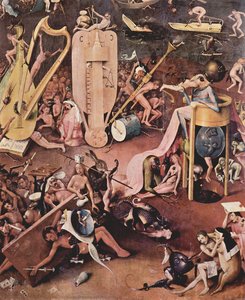
The Entombment
() ·
Com a moldura: · Pintura a óleo sobre linho feita à mão
Total