Visualizar na parede
 Compartilhar
 Compartilhar
 Detalhes
 Guia
Guia

 Baixar imagem
 Semelhantes
 Raio X
 Ver diaporama
 Estatísticas
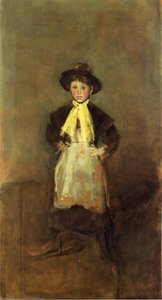
Annie Seated


A delicate monochrome study of quiet introspection, this 1859 graphite drawing by James Abbott McNeill Whistler captures the essence of Aestheticism and invites you to experience its serene, atmospheric beauty.
 Ler mais
Explore James Whistler (1834-1903): artista americano do Tonalismo e Esteticismo. Descubra 'Mãe Whistler', nocturnes, retratos e sua filosofia "arte pela arte". Uma figura inovadora da arte vitoriana.
Giclée / Impressão de Arte
Impressão giclée ou em tela de qualidade de museu, com produção rápida e opções flexíveis de acabamento. ( Comprar pintura feita à mão Alternar para Imagem Digital)




P118B €10

P118H €10

P118W €10

P438Z €10

P508JH €12

P508YH €12

P805H €10

P805Z €10

P919BZ €10

P919G €10

P919XJ €10

P959ZH €10

P968JZ €12

W106C €8

W218G €10

W218JH €8

W218Y €10

W307PJ €10

W316G €10

W316PJ €8

W316Y €10

W398PJ €8

W4111J €10

W500HY €15

W500JH €15

W692G €12

W849H €8

W940BG €15

W953PJ €8




Tamanho padrão
personalizado
CM
INCH
Escolha entre os nossos tamanhos pré-definidos que respeitam as proporções originais da obra de arte.
Loading sizes...

largura
altura
Insira a largura e a altura desejadas para se ajustarem à sua moldura ou parede. Uma impressão pode ser apenas cortada, nunca ampliada além da imagem original; portanto, um tamanho com proporções diferentes resultará na perda de parte da imagem. Enviamos uma maquete digital para sua aprovação antes de realizarmos a impressão. A imagem exibida nesta página não mostra o corte real — apenas a maquete o faz.
Entrega mundial () em 2 semanas, em vez das 4/5 semanas padrão. (27 Outubro)

Envio expresso gratuito para todo o mundo

Tela de Linho de Alta Qualidade

Seguro de transporte completo

Garantia de Reembolso de Impostos Alfandegários

Garantia de Fidelidade Cromática

Política de Devolução em 100 Dias (Apenas para Defeitos)

Garantia de reembolso de 100%

Oferta de desconto por quantidade
 A opção de vidro está disponível apenas para tamanhos inferiores a 110 cm

Annie Seated
Giclée / Impressão de Arte
Tamanho da Reprodução
-


Preço Total
€ 61
A Symphony in Gray: The Intimate World of Annie Seated
In the quietude of James Abbott McNeill Whistler’s 1859 masterpiece, “Annie Seated,” we encounter a moment suspended in time, far removed from the clamor of the industrial age. This delicate work is not merely a portrait of a young woman; it is a profound meditation on atmosphere and the beauty of restraint. Through a masterful command of monochrome tones, Whistler invites us into a private sanctuary where the boundaries between subject and space begin to dissolve. The figure, likely Annie Harriet Haden, sits with a poised yet vulnerable grace, her presence anchored by the simple geometry of a wooden chair against a neutral, receding wall. There is an undeniable intimacy in this composition, a sense that we are witnessing a fleeting, silent breath captured forever in graphite and ink.
The technical brilliance of this piece lies in its subtle complexity. Utilizing the meticulous technique of drypoint etching with pencil, Whistler achieved a textural richness that defies its monochromatic palette. By layering intricate hatching and crosshatching, he built up tonal gradations that mimic the soft grain of paper and the delicate folds of fabric. This approach allows for a play of light that feels diffused and ethereal, as if the scene is viewed through a gentle morning mist. The influence of Japonisme—the mid-19th-century European fascination with Japanese aesthetics—is palpable in the way Whistler prioritizes flat planes of tone and organic, flowing lines over heavy shadows or dramatic perspective. This stylistic choice lends the artwork a modern, almost minimalist elegance that remains strikingly relevant to contemporary tastes.
The Philosophy of Aestheticism and Emotional Resonance
To understand “Annie Seated,” one must understand Whistler’s radical rebellion against the Victorian era's obsession with moralizing art. During a time when paintings were expected to tell didactic stories or convey heavy-handed social messages, Whistler championed the creed of “art for art’s sake.” He believed that the primary purpose of a work was to evoke sensory pleasure and aesthetic harmony through color, form, and composition alone. In this drawing, there is no grand narrative or historical drama; instead, the emotional weight is carried by the subject's downward gaze and the quiet stillness of her posture. This creates a sense of profound introspection and melancholy, making the piece an ideal focal point for spaces designed for contemplation and peace.
For the discerning collector or interior designer, “Annie Seated” offers a timeless versatility. Its neutral, cream-and-gray palette acts as a sophisticated anchor in any room, complementing both classical and modern decor. Whether placed in a sunlit gallery or a moody, dimly lit study, the artwork brings with it an aura of intellectual depth and understated luxury. A high-quality reproduction of this work allows one to possess not just a beautiful image, but a piece of art history—a fragment of the movement that redefined the boundaries of modern beauty and taught us to find magic in the most subtle of shadows.
Perguntas e Respostas
A imagem de "Annie Seated", de James Abbott McNeill Whistler pode ser reproduzida livremente?
"Annie Seated", de James Abbott McNeill Whistler está em em domínio público — seus direitos autorais expiraram. Este status determina como a imagem da obra pode ser reproduzida.
De que técnica é feita a obra "Annie Seated"?
James Abbott McNeill Whistler utilizou a técnica de Etching para "Annie Seated". A técnica define a natureza material da obra original.
Em que ano foi criado "Annie Seated", de James Abbott McNeill Whistler?
"Annie Seated", de James Abbott McNeill Whistler foi criado em 1859.
Biografia do Artista
A Vida Moldada pelo Esteticismo: O Mundo de James Abbott McNeill Whistler
James Abbott McNeill Whistler, nascido em Lowell, Massachusetts em 1834, foi uma figura perpetuamente em conflito com a convenção – um pintor que defendeu “a arte pela arte” durante uma era obcecada com narrativas moralizadoras. Sua vida inicial, marcada por frequentes mudanças de residência devido à carreira de engenheiro ferroviário de seu pai, inculcou nele um senso de adaptabilidade e exposição a ambientes diversos. Um breve e infeliz período em West Point provou ser inadequado para sua inclinação artística, seguido por trabalho com a Pesquisa Costeira e Geodésica dos EUA que, embora atrasasse, não extinguiu sua paixão crescente pela arte. Esses anos formativos foram caracterizados por um talento inato para o desenho e um desejo resoluto de trilhar seu próprio caminho como artista profissional, uma busca que o levaria eventualmente à travessia do Atlântico e ao coração da avant-garde europeia. As sementes da rebelião artística de Whistler foram plantadas cedo, nutrindo-se por uma alma que resistia à conformidade e abraçava a exploração estética acima de tudo.Inícios Parisienses e Cultivação do Estilo
O momento crucial na jornada artística de Whistler chegou com sua mudança para Paris em 1855. Lá, sob a tutela de Sébastien Bouré, ele aperfeiçoou suas habilidades em pintura a óleo, aquarela e gravura, absorvendo as influências dos pintores realistas franceses e da Escola Barbizon. No entanto, Whistler transcendeu rapidamente a mera imitação, desenvolvendo um estilo distinto caracterizado por harmonias tonais e efeitos atmosféricos. Ele não estava interessado em replicar a realidade; ao invés disso, buscava capturar sua *essência*, seus estados de espírito fugazes e nuances sutis. Este período marcou uma mudança crucial da precisão representacional para uma exploração da forma estética pura. Seus primeiros trabalhos já prenunciavam o delicado equilíbrio entre observação e abstração que definiria seu estilo maduro. Foi em Paris que Whistler começou a articular sua crença de que a arte deveria ser julgada apenas por suas qualidades estéticas, livre de narrativas didáticas ou moralizadoras – uma filosofia que se tornaria a pedra angular de sua prática artística e um traço definidor do movimento Estético.Nocturnes, Retratos e a Busca pela Harmonia
A visão artística de Whistler cristalizou-se em vários temas e escolhas estilísticas-chave. Ele defendeu o conceito de “a arte pela arte”, rejeitando narrativas carregadas de moral ou comentários sociais. Sua obra tornou-se um exercício na captura de nuances sutis de luz, cor e atmosfera – uma busca que levou a seus icônicos *Nocturnes*. Essas pinturas atmosféricas de cenas crepusculares, frequentemente retratando o Rio Tamisa à noite, não tinham como objetivo ser representações literais, mas sim impressões evocativas, estudos em harmonia tonal e humor. Ele empregava com frequência paletas limitadas e pinceladas delicadas, criando uma sensação de beleza etérea e contemplação silenciosa. Retratos também ocupavam um lugar central em sua prática, embora ele abordasse-os com uma sensibilidade única. Whistler não estava preocupado em capturar representações perfeitas; ao invés disso, concentrava-se na organização formal e nas relações tonais, tratando seus retratados como elementos composicionais dentro de um quadro estético cuidadosamente construído. Obras como *Arrangement in Grey and Black No. 1* – mais conhecida como *Whistler’s Mother* – demonstram essa abordagem perfeitamente, transformando um retrato familiar em uma imagem icônica da maternidade vitoriana através de seu uso magistral de forma e tom.Controvérsia, Influência e Legado Duradouro
A carreira de Whistler não foi isenta de controvérsias. A famosa ação judicial movida contra ele pelo crítico John Ruskin em 1878, desencadeada por *Nocturne in Black and Gold – The Falling Rocket*, tornou-se um momento marcante na história da arte. Whistler defendeu com sucesso sua autonomia artística, argumentando que suas pinturas não tinham como objetivo ser representações literais, mas sim arranjos estéticos de cor e forma. Este caso elevou seu perfil e desencadeou debates importantes sobre a natureza da crítica de arte e da liberdade artística. Além desta batalha legal, a influência de Whistler se estendeu amplamente. Ele foi profundamente inspirado por gravuras japonesas (ukiyo-e), que informaram seus princípios composicionais e sua ênfase em padrões decorativos, bem como o domínio tonal dos pintores espanhóis como Velázquez. Sua defesa de “a arte pela arte” impactou profundamente o movimento Estético na Inglaterra e nos Estados Unidos, abrindo caminho para o modernismo e desafiando as noções convencionais sobre o propósito da arte. Ele deixou um legado indelével na arte americana, inspirando gerações de artistas a abraçar abordagens formalistas e explorar o potencial expressivo da cor e da composição.
James Abbott McNeill Whistler
1834 - 1903 , Estados Unidos
Dados Rápidos
- Artistic Movement Or Style: Tonalismo e Esteticismo
- Artists Or Movements Influenced By This Artist:
- Movimento Estético
- Modernismo
- Artists Who Influenced This Artist:
- Velázquez
- Xilogravuras japonesas
- Date Of Birth: 10 de julho de 1834
- Date Of Death: 17 de julho de 1903
- Full Name: James Abbott McNeill Whistler
- Nationality: Americano
- Notable Artworks:
- Mãe Whistler
- Nocturno em Azul e Prata
- Arranjo em Cinza e Preto No. 1
- Place Of Birth (City And Country): Lowell, Massachusetts
Artigos Relacionados

Mastering Monochrome: Top 10 Famous Paintings Dominated by Gray Tones
Explore the profound beauty of monochrome mastery. From moody Impressionist landscapes to atmospheric classics, discover 10 iconic paintings defined by gray tones. Find inspiration for your decor with museum-quality art reproductions. Explore the full collection online at TopImpressionists.com.

10 Iconic Graphite Pencil Masterpieces That Redefined Art History
Journey through history with 10 legendary graphite pencil masterpieces. Explore the profound techniques and stories behind these iconic monochrome works. Find museum-quality art reproductions and curated decor inspiration at TopImpressionists.com. Discover all masterpieces on TopImpressionists.com.

10 Iconic Etchings That Revolutionized the World of Art
Journey through history with 10 legendary etchings that redefined art. From Rembrandt to Goya, explore the stories behind these timeless masterpieces and find museum-quality reproductions for your decor. Discover all masterpieces on TopImpressionists.com.
Explore obras de arte organizadas por temas, estilos e características.