Visualizar na parede
 Compartilhar
 Compartilhar
 Detalhes
 Guia
Guia

 Baixar imagem
 Semelhantes
 Raio X
 Ver diaporama
 Q&A
Q&A Estatísticas
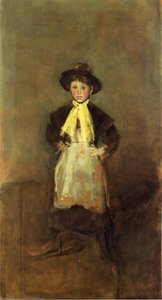
Finette

Experience James Abbott Whistler’s ‘Finette,’ a masterpiece of Tonalism. Explore its serene beauty & atmospheric effects. A timeless work by a pivotal American artist.
 Ler mais
Explore James Whistler (1834-1903): artista americano do Tonalismo e Esteticismo. Descubra 'Mãe Whistler', nocturnes, retratos e sua filosofia "arte pela arte". Uma figura inovadora da arte vitoriana.
Giclée / Impressão de Arte
Impressão giclée ou em tela de qualidade de museu, com produção rápida e opções flexíveis de acabamento. ( Comprar pintura feita à mão Alternar para Imagem Digital)




P118B €10

P118H €10

P118W €10

P438Z €10

P508JH €12

P508YH €12

P805H €10

P805Z €10

P919BZ €10

P919G €10

P919XJ €10

P959ZH €10

P968JZ €12

W106C €8

W218G €10

W218JH €8

W218Y €10

W307PJ €10

W316G €10

W316PJ €8

W316Y €10

W398PJ €8

W4111J €10

W500HY €15

W500JH €15

W692G €12

W849H €8

W940BG €15

W953PJ €8




Tamanho padrão
personalizado
CM
INCH
Escolha entre os nossos tamanhos pré-definidos que respeitam as proporções originais da obra de arte.
Loading sizes...

largura
altura
Insira a largura e a altura desejadas para se ajustarem à sua moldura ou parede. Uma impressão pode ser apenas cortada, nunca ampliada além da imagem original; portanto, um tamanho com proporções diferentes resultará na perda de parte da imagem. Enviamos uma maquete digital para sua aprovação antes de realizarmos a impressão. A imagem exibida nesta página não mostra o corte real — apenas a maquete o faz.
Entrega mundial () em 2 semanas, em vez das 4/5 semanas padrão. (30 Outubro)

Envio expresso gratuito para todo o mundo

Tela de Linho de Alta Qualidade

Seguro de transporte completo

Garantia de Reembolso de Impostos Alfandegários

Garantia de Fidelidade Cromática

Política de Devolução em 100 Dias (Apenas para Defeitos)

Garantia de reembolso de 100%

Oferta de desconto por quantidade
 A opção de vidro está disponível apenas para tamanhos inferiores a 110 cm

Finette
Giclée / Impressão de Arte
Tamanho da Reprodução
-


Preço Total
€ 61
A Moment Suspended: Unveiling Whistler’s *Finette*
James Abbott McNeill Whistler's Finette (circa 1892-93) is a captivating study in quietude, a prime example of American Tonalism that transcends mere portraiture. It isn’t simply a depiction *of* someone; it’s an evocation of a mood, a feeling – a carefully orchestrated harmony of tones and textures designed to resonate with the viewer on a deeply personal level.
The Enigmatic Subject & Composition
The artwork portrays a young woman, known affectionately as “Finette,” seated near a window, lost in thought. Her face is partially veiled by a delicate fan, lending an air of mystery and inviting speculation about her inner world. Whistler deliberately avoids detailed characterization; Finette isn’t presented as a specific individual to be identified, but rather as a universal representation of feminine grace and contemplative solitude. The inclusion of books subtly suggests intellectual pursuits or artistic sensibility, enriching the narrative without explicitly defining it. Her relaxed yet dignified pose contributes to the overall sense of serene detachment.
Mastering Tonalism: Whistler’s Artistic Approach
Finette embodies the core principles of Tonalism – an artistic movement that prioritized atmospheric effects, muted color palettes, and emotional resonance over precise representation. Whistler achieves this through a masterful command of tonal values, employing a limited range of subtly blended creams, grays, and blacks to create a harmonious, almost monochromatic effect. His delicate brushwork and glazing techniques build up layers of tone, resulting in a soft, diffused light that envelops the figure and creates an ethereal atmosphere. This emphasis on *how* something is painted – rather than *what* is painted – exemplifies Whistler’s “art for art’s sake” philosophy.
Historical Context & Aesthetic Influences
Born in Lowell, Massachusetts, Whistler spent a significant portion of his career in Europe, particularly London. He was profoundly influenced by Japanese art and aesthetics – evident in the composition's asymmetry, simplified forms, and emphasis on negative space. He actively rejected academic traditions, championing a purely aesthetic approach to painting that challenged conventional notions of art’s purpose. Whistler believed art should be appreciated for its beauty alone, free from moral or narrative obligations. This stance positioned him as a key figure within the broader Aesthetic Movement.
Symbolism & Emotional Impact
While seemingly simple, Finette is rich in subtle symbolism. The window acts as a threshold between interior and exterior worlds, suggesting introspection and a connection to something beyond the immediate surroundings. The fan, a traditional symbol of femininity and allure, adds an element of grace and sophistication. However, it also serves to partially obscure Finette’s face, reinforcing her enigmatic quality. Ultimately, the painting evokes feelings of quietude, melancholy, and peaceful contemplation – inviting viewers to project their own emotions onto the scene.
Display & Interior Design Considerations
- Lighting: Soft, diffused lighting is essential. Avoid direct sunlight, which can diminish the delicate tonal variations.
- Wall Color: A neutral palette – warm grays, off-whites, or muted beiges – will complement the painting’s subtle hues without overpowering it.
- Framing: A simple, elegant frame in a muted tone (silver, gold leaf, or dark wood) will enhance the artwork's sophistication. Avoid overly ornate frames that distract from the composition.
- Setting: Finette would be particularly well-suited to spaces designed for relaxation and contemplation – libraries, studies, bedrooms, or intimate living areas.
Owning a reproduction of Whistler’s Finette is an invitation to embrace timeless elegance and artistic refinement. It's a piece that rewards quiet observation and offers a constant source of peaceful inspiration—a subtle yet powerful addition to any discerning collection or interior space.
Perguntas e Respostas
Qual é o formato de "Finette"?
"Finette", de James Abbott McNeill Whistler é uma composição em Portrait. Vale a pena conferir as proporções antes de escolher o tamanho da impressão.
Quais temas aparecem em "Finette", de James Abbott McNeill Whistler?
Os temas presentes em "Finette", de James Abbott McNeill Whistler incluem tonalist painting, woman in white, atmospheric mood, quiet reflection, vintage art style, whistler’s legacy, elegant portraiture. Juntos, eles sintetizam o assunto da obra.
Posso ver "Finette", de James Abbott McNeill Whistler na minha própria parede antes de comprar?
A página de Prévia em RA de "Finette", de James Abbott McNeill Whistler utiliza realidade aumentada para mostrar a obra em seu próprio espaço, através de um dispositivo compatível.
Obras Relacionadas




Biografia do Artista
A Vida Moldada pelo Esteticismo: O Mundo de James Abbott McNeill Whistler
James Abbott McNeill Whistler, nascido em Lowell, Massachusetts em 1834, foi uma figura perpetuamente em conflito com a convenção – um pintor que defendeu “a arte pela arte” durante uma era obcecada com narrativas moralizadoras. Sua vida inicial, marcada por frequentes mudanças de residência devido à carreira de engenheiro ferroviário de seu pai, inculcou nele um senso de adaptabilidade e exposição a ambientes diversos. Um breve e infeliz período em West Point provou ser inadequado para sua inclinação artística, seguido por trabalho com a Pesquisa Costeira e Geodésica dos EUA que, embora atrasasse, não extinguiu sua paixão crescente pela arte. Esses anos formativos foram caracterizados por um talento inato para o desenho e um desejo resoluto de trilhar seu próprio caminho como artista profissional, uma busca que o levaria eventualmente à travessia do Atlântico e ao coração da avant-garde europeia. As sementes da rebelião artística de Whistler foram plantadas cedo, nutrindo-se por uma alma que resistia à conformidade e abraçava a exploração estética acima de tudo.Inícios Parisienses e Cultivação do Estilo
O momento crucial na jornada artística de Whistler chegou com sua mudança para Paris em 1855. Lá, sob a tutela de Sébastien Bouré, ele aperfeiçoou suas habilidades em pintura a óleo, aquarela e gravura, absorvendo as influências dos pintores realistas franceses e da Escola Barbizon. No entanto, Whistler transcendeu rapidamente a mera imitação, desenvolvendo um estilo distinto caracterizado por harmonias tonais e efeitos atmosféricos. Ele não estava interessado em replicar a realidade; ao invés disso, buscava capturar sua *essência*, seus estados de espírito fugazes e nuances sutis. Este período marcou uma mudança crucial da precisão representacional para uma exploração da forma estética pura. Seus primeiros trabalhos já prenunciavam o delicado equilíbrio entre observação e abstração que definiria seu estilo maduro. Foi em Paris que Whistler começou a articular sua crença de que a arte deveria ser julgada apenas por suas qualidades estéticas, livre de narrativas didáticas ou moralizadoras – uma filosofia que se tornaria a pedra angular de sua prática artística e um traço definidor do movimento Estético.Nocturnes, Retratos e a Busca pela Harmonia
A visão artística de Whistler cristalizou-se em vários temas e escolhas estilísticas-chave. Ele defendeu o conceito de “a arte pela arte”, rejeitando narrativas carregadas de moral ou comentários sociais. Sua obra tornou-se um exercício na captura de nuances sutis de luz, cor e atmosfera – uma busca que levou a seus icônicos *Nocturnes*. Essas pinturas atmosféricas de cenas crepusculares, frequentemente retratando o Rio Tamisa à noite, não tinham como objetivo ser representações literais, mas sim impressões evocativas, estudos em harmonia tonal e humor. Ele empregava com frequência paletas limitadas e pinceladas delicadas, criando uma sensação de beleza etérea e contemplação silenciosa. Retratos também ocupavam um lugar central em sua prática, embora ele abordasse-os com uma sensibilidade única. Whistler não estava preocupado em capturar representações perfeitas; ao invés disso, concentrava-se na organização formal e nas relações tonais, tratando seus retratados como elementos composicionais dentro de um quadro estético cuidadosamente construído. Obras como *Arrangement in Grey and Black No. 1* – mais conhecida como *Whistler’s Mother* – demonstram essa abordagem perfeitamente, transformando um retrato familiar em uma imagem icônica da maternidade vitoriana através de seu uso magistral de forma e tom.Controvérsia, Influência e Legado Duradouro
A carreira de Whistler não foi isenta de controvérsias. A famosa ação judicial movida contra ele pelo crítico John Ruskin em 1878, desencadeada por *Nocturne in Black and Gold – The Falling Rocket*, tornou-se um momento marcante na história da arte. Whistler defendeu com sucesso sua autonomia artística, argumentando que suas pinturas não tinham como objetivo ser representações literais, mas sim arranjos estéticos de cor e forma. Este caso elevou seu perfil e desencadeou debates importantes sobre a natureza da crítica de arte e da liberdade artística. Além desta batalha legal, a influência de Whistler se estendeu amplamente. Ele foi profundamente inspirado por gravuras japonesas (ukiyo-e), que informaram seus princípios composicionais e sua ênfase em padrões decorativos, bem como o domínio tonal dos pintores espanhóis como Velázquez. Sua defesa de “a arte pela arte” impactou profundamente o movimento Estético na Inglaterra e nos Estados Unidos, abrindo caminho para o modernismo e desafiando as noções convencionais sobre o propósito da arte. Ele deixou um legado indelével na arte americana, inspirando gerações de artistas a abraçar abordagens formalistas e explorar o potencial expressivo da cor e da composição.
James Abbott McNeill Whistler
1834 - 1903 , Estados Unidos
Dados Rápidos
- Artistic Movement Or Style: Tonalismo e Esteticismo
- Artists Or Movements Influenced By This Artist:
- Movimento Estético
- Modernismo
- Artists Who Influenced This Artist:
- Velázquez
- Xilogravuras japonesas
- Date Of Birth: 10 de julho de 1834
- Date Of Death: 17 de julho de 1903
- Full Name: James Abbott McNeill Whistler
- Nationality: Americano
- Notable Artworks:
- Mãe Whistler
- Nocturno em Azul e Prata
- Arranjo em Cinza e Preto No. 1
- Place Of Birth (City And Country): Lowell, Massachusetts
Artigos Relacionados

The Soul of Impressionism: Why Oil on Canvas Captures Eternal Light and Timeless Emotion
Discover the enchanting alchemy of Impressionism. Explore how the mastery of oil on canvas, through glazing and impasto, captures eternal light and emotion. Perfect for lovers of Monet and Van Gogh seeking the profound depth of hand-painted fine art.

The Magic of Tonalism: Capturing Mood, Mist, and Atmospheric Emotion in Landscape Art
Discover the ethereal beauty of Tonalism. Explore how master artists use mist, soft light, and muted palettes to capture profound emotion and atmospheric mood in landscape painting. A deep dive into this quiet, introspective art movement for true connoisseurs.

The Timeless Charm of Oil on Board: Reimagining Texture and Light through the Impressionist Lens
Discover the profound intimacy of oil on panel. Explore how Impressionist masters used rigid supports to capture light, texture, and impasto depth through exquisite, handmade oil reproductions for discerning collectors.
Explore obras de arte organizadas por temas, estilos e características.