

 Visualizar na parede
 Compartilhar
 Compartilhar
 Detalhes
 Guia
Guia

 Baixar imagem
 Semelhantes
 Raio X
 Ver diaporama
 Perguntas e Respostas
 Estatísticas
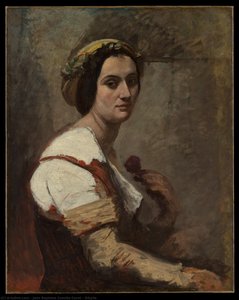
Sibylle


{ "meta_description": "Delve into the serene beauty of Jean Baptiste Camille Corot’s ‘Sibylle,’ a captivating chalk painting from 1870 depicting a woman gazing intently at the viewer with a delicate rose – a masterpiece housed in NYC's Metropolitan Museum.", "json_answer": ""
 Ler mais
Descubra Jean-Baptiste-Camille Corot (1796-1875), mestre das paisagens atmosféricas que une Neoclassicismo e Impressionismo. Explore suas pinturas serenas e sua influência duradoura na história da arte.
Giclée / Impressão de Arte
Impressão giclée ou em tela de qualidade de museu, com produção rápida e opções flexíveis de acabamento. ( Comprar pintura feita à mão Alternar para Imagem Digital)




P118B €10

P118H €10

P118W €10

P438Z €10

P508JH €12

P508YH €12

P805H €10

P805Z €10

P919BZ €10

P919G €10

P919XJ €10

P959ZH €10

P968JZ €12

W106C €8

W218G €10

W218JH €8

W218Y €10

W307PJ €10

W316G €10

W316PJ €8

W316Y €10

W398PJ €8

W4111J €10

W500HY €15

W500JH €15

W692G €12

W849H €8

W940BG €15

W953PJ €8




Tamanho padrão
personalizado
CM
INCH
Escolha entre os nossos tamanhos pré-definidos que respeitam as proporções originais da obra de arte.
Loading sizes...

largura
altura
Insira a largura e a altura desejadas para se ajustarem à sua moldura ou parede. Uma impressão pode ser apenas cortada, nunca ampliada além da imagem original; portanto, um tamanho com proporções diferentes resultará na perda de parte da imagem. Enviamos uma maquete digital para sua aprovação antes de realizarmos a impressão. A imagem exibida nesta página não mostra o corte real — apenas a maquete o faz.
Entrega mundial () em 2 semanas, em vez das 4/5 semanas padrão. (3 Novembro)

Envio expresso gratuito para todo o mundo

Tela de Linho de Alta Qualidade

Seguro de transporte completo

Garantia de Reembolso de Impostos Alfandegários

Garantia de Fidelidade Cromática

Política de Devolução em 100 Dias (Apenas para Defeitos)

Garantia de reembolso de 100%

Oferta de desconto por quantidade
 A opção de vidro está disponível apenas para tamanhos inferiores a 110 cm

Sibylle
Giclée / Impressão de Arte
Tamanho da Reprodução
-


Preço Total
€ 62
A Moment Frozen in Pastoral Tranquility: Exploring Jean Baptiste Camille Corot’s Sibylle
Jean-Baptiste-Camille Corot's “Sibylle,” painted in 1870, transcends mere depiction; it embodies the very essence of Impressionist landscape painting and invites contemplation on themes of femininity, solitude, and the sublime beauty of nature. This serene tableau captures a woman—likely Sibylle Regina Etrusca, referencing an Etruscan mythological figure symbolizing prophetic vision—seated beneath a dappled canopy of trees, her gaze directed towards the viewer with quiet dignity. Held delicately in her hand is a single rose, a symbol universally recognized for love and remembrance, subtly anchoring the composition within a framework of romantic idealism.- Style & Technique: Corot’s masterful approach aligns perfectly with the burgeoning Impressionist movement. He eschewed meticulous detail, prioritizing instead the fleeting effects of light and atmosphere—a hallmark of his distinctive style. The painting utilizes chalk on canvas, a technique favored by Corot for its ability to achieve luminous washes and tonal gradations that capture the subtle nuances of sunlight filtering through foliage. This method allows for an unparalleled sensitivity to color variations and textural subtleties, resulting in an image that feels remarkably alive.
- Historical Context: Painted during a period of significant artistic experimentation, “Sibylle” reflects the broader preoccupation with capturing the grandeur of the natural world—a reaction against academic conventions that favored idealized representations. The Franco-Prussian War cast a shadow over Europe in 1870, yet Corot’s focus remained steadfast on portraying landscapes untouched by human intervention, offering viewers an escape from the anxieties of the time.
- Composition & Color Palette: Corot skillfully employs a pyramidal composition, drawing the eye upwards towards the sky and emphasizing the dominance of natural light. The color palette is muted yet harmonious, dominated by greens and browns—colors that evoke the earthy tones of woodland landscapes. Subtle hints of pinks and yellows illuminate the rose and contribute to the overall impression of ethereal beauty.
- Metropolitan Museum of Art Display: Currently housed at the Metropolitan Museum of Art in New York City, “Sibylle” stands as a testament to Corot’s enduring legacy. Its presence within this prestigious institution underscores its significance as an exemplar of Impressionist art and continues to inspire admiration for its understated elegance and profound emotional resonance.
Perguntas e Respostas
Quem criou "Sibylle" e quando?
Jean-Baptiste-Camille Corot criou "Sibylle" em 1870.
Onde posso comprar uma reprodução pintada à mão de "Sibylle", de Jean-Baptiste-Camille Corot?
"Sibylle" está disponível como uma reprodução a óleo pintada à mão sobre tela de linho. O pedido pode ser feito em sua página de Reprodução Pintada à Mão, com escolha de tamanhos.
Em que ano foi criado "Sibylle"?
"Sibylle", de Jean-Baptiste-Camille Corot foi criado em 1870.
Obras Relacionadas


Biografia do Artista
A Life Immersed in Light and Landscape
Jean-Baptiste-Camille Corot, a name that resonates with the tranquil beauty of 19th-century French landscape painting, was born into a comfortable Parisian bourgeois family on July 16, 1796. Though initially steered towards a commercial path, destiny – and perhaps an innate artistic sensibility – intervened. His early years were marked by an unconventional upbringing; entrusted to the care of a nurse in the countryside near L’Isle-Adam until age four, he developed a profound connection with nature that would indelibly shape his artistic vision. This initial immersion in rural tranquility stood in stark contrast to the bustling city life awaiting him, yet it laid the foundation for a lifelong pursuit of capturing the ephemeral qualities of light and atmosphere. His parents, successful milliners, provided financial stability, allowing Corot the freedom to explore his burgeoning passion for painting after an unsuccessful attempt at mercantile pursuits – a rare privilege for aspiring artists of that era. This support was crucial, enabling him to dedicate himself fully to artistic training without the immediate pressures of earning a livelihood.From Academic Foundations to Plein-Air Innovation
Corot’s formal artistic education began with studies under Achille Etna Michallon and later Jean-Victor Bertin, both esteemed landscape painters steeped in the neoclassical tradition. This grounding instilled in him a meticulous approach to composition and form, emphasizing clarity and structure. However, Corot wasn't content merely replicating established styles; he yearned for something more authentic, a way to convey not just *what* he saw, but *how* it felt to be immersed within the landscape. A pivotal moment arrived with his first journey to Italy in 1825. The Roman Campagna, bathed in golden light and steeped in history, ignited his imagination. He spent years sketching and painting en plein air – directly from nature – a practice that was still relatively uncommon at the time. This dedication to direct observation allowed him to capture the subtle nuances of light and shadow, the delicate atmospheric effects that would become hallmarks of his style. He wasn’t simply recording topographical details; he was striving to evoke a mood, a feeling of tranquility and harmony. His early Italian works demonstrate a clarity of form and bright palette influenced by classical ideals, yet already hint at the softer, more evocative approach that would define his mature style. He meticulously studied the masters, copying their work in the Roman galleries, but always filtered these lessons through his own increasingly sensitive perception of nature.A Bridge Between Traditions
Corot’s artistic development wasn't linear; it was a delicate balancing act between tradition and innovation. He exhibited regularly at the Paris Salon, initially gaining recognition for works rooted in neoclassical conventions. However, as he continued to explore plein-air painting, his style began to evolve. He moved away from highly finished, detailed compositions towards looser brushwork and a more muted palette. This shift wasn't a rejection of academic principles entirely; rather, it was an attempt to infuse them with the immediacy and emotional resonance of direct observation. He became a master of tonalism, using subtle variations in value to create depth and atmosphere. His landscapes weren’t about dramatic narratives or grand gestures; they were about quiet contemplation, the beauty of everyday scenes – a forest glade, a sun-dappled meadow, a tranquil riverbank. This approach resonated with a growing audience seeking respite from the rapid industrialization and social upheaval of 19th-century France. He skillfully blended elements of realism with an almost poetic sensibility, creating landscapes that felt both familiar and deeply personal. He wasn’t interested in grand pronouncements or political statements; his art was about finding beauty in the ordinary, elevating the commonplace to a realm of serene contemplation.Legacy and Enduring Influence
Jean-Baptiste-Camille Corot’s influence on subsequent generations of artists is immeasurable. He served as a crucial link between the neoclassical tradition and the emerging Impressionist movement. Artists like Monet, Pissarro, and Sisley deeply admired his ability to capture the fleeting effects of light and atmosphere, and they built upon his innovations in their own groundbreaking work. Corot’s emphasis on direct observation and plein-air painting paved the way for the Impressionists' radical departure from studio-based practices. However, Corot wasn’t simply a precursor to Impressionism; he was a unique and significant artist in his own right. His vast output – encompassing landscapes, portraits, and figure studies – continues to captivate audiences with its serene beauty and emotional depth. His works can be found in major museums around the world, including the Musée des Beaux-Arts in Dunkirk and the Musée Courbet in Ornans, France, as well as the National Gallery in London and the Metropolitan Museum of Art in New York. He died on February 22, 1875, leaving behind a legacy that continues to inspire artists and art lovers alike – a testament to the enduring power of light, landscape, and quiet contemplation. The Repose, Interrupted Reading, and Agostina remain iconic examples of his mastery, showcasing his ability to capture both the physical world and the inner life of his subjects with remarkable sensitivity and grace. His influence extends beyond painting; he fostered a spirit of artistic freedom and encouraged younger artists to find their own voice, solidifying his place as a pivotal figure in the history of art.
Jean-Baptiste-Camille Corot
1796 - 1875 , França
Dados Rápidos
- Artistic Movement Or Style: Realismo, Impressionismo
- Artists Or Movements Influenced By This Artist:
- Monet
- Pissarro
- Artists Who Influenced This Artist:
- Michallon
- Bertin
- Date Of Birth: 16 Jul 1796
- Date Of Death: 22 Feb 1875
- Full Name: Jean-Baptiste-Camille Corot
- Nationality: Francês
- Notable Artworks:
- O Repouso
- Leau des Saules
- Place Of Birth: Paris, França
Artigos Relacionados

The Magic of Tonalism: Capturing Mood, Mist, and Atmospheric Emotion in Landscape Art
Discover the ethereal beauty of Tonalism. Explore how master artists use mist, soft light, and muted palettes to capture profound emotion and atmospheric mood in landscape painting. A deep dive into this quiet, introspective art movement for true connoisseurs.
Explore obras de arte organizadas por temas, estilos e características.


