


 Visualizar em escala
 Enviar
 Compartilhar
 Ver detalhes
 Guia de Obras do Aluno

 Baixar imagem
 Semelhantes
 Raio X
 Apresentação de slides
 Estatísticas
Small head
 Painting
- Tachisme
 1956
1956- Modern
 22.0 x 27.0 cm
 Museu do Caramulo
A textured pink clay-like head emerges against a striking red background in this 1956 masterpiece by Jean Fautrier, offering a profound tactile experience for collectors seeking unique mid-century modern art.
 Ver mais
A pioneer of Tachisme and Art Informel, Jean Fautrier used thick impasto to create visceral works like Les Otages and Small head, inviting you to experience the profound emotional depth of his textured abstractions.
A obra de arte exibida nesta página é protegida por leis de direitos autorais, o que significa que não podemos criar ou vender legalmente uma reprodução idêntica. Esta proteção é aplicada por meio de acordos internacionais, tais como a Convenção de Berna e pelas leis nacionais, incluindo as estabelecidas por Lei de Direitos Autorais dos EUA - Título 17.
Como uma alternativa respeitosa e legal, oferecemos obras de arte personalizadas e pintadas à mão, inspiradas na obra original. Nossos artistas profissionais e experientes estudam cuidadosamente o estilo, a atmosfera e a essência artística da obra original para criar uma peça nova e única que evoque a mesma sensação — permanecendo como uma criação original por direito próprio.
Este método cumpre plenamente as regulamentações de direitos autorais, pois não envolve a cópia ou duplicação da obra protegida. Em vez disso, trata-se de uma reinterpretação criativa — uma nova pintura que é influenciada pela original, mas não idêntica a ela.
Reprodução em Óleo Feita à Mão
Óleo sobre tela pintado à mão no tamanho e moldura de sua escolha, feito sob encomenda pelos nossos artistas. ( Alternar para Impressão Ver Imagem Digital)




































Padrão
sob medida
CM
INCH
Escolha entre os nossos tamanhos pré-definidos que respeitam as proporções originais da obra de arte.
Loading sizes...

largura
altura
Digite a largura e a altura de que necessita, para se ajustar à sua moldura ou à sua parede. Esta obra é pintada à mão, por isso, para um tamanho com uma proporção diferente, o artista pode pintar um pouco mais ao redor da imagem ou cortar um pouco — você escolhe. Enviamos-lhe uma maquete digital para aprovação antes de a pintura começar. A imagem exibida nesta página não mostra o resultado real — apenas a maquete mostra.
Exemplos do que pode ser personalizado: Substituir o rosto pela foto do cliente; Adicionar um animal de estimação (ex: substituir gato por cão); Incluir uma mensagem oculta no fundo; Alterar a paisagem ou elementos do fundo.
Após o pedido, a equipa TopImpressionists.com enviará um e-mail ao cliente para solicitar instruções e fornecer uma prévia do esboço.
Após o pedido, a equipa TopImpressionists.com enviará um e-mail ao cliente para solicitar instruções e fornecer uma prévia do esboço.
Entrega mundial () em 3 a 4 semanas, em vez das 5 semanas padrão. (16 Outubro). Sem comprometer a qualidade.

Envio expresso gratuito para todo o mundo

Tela de Linho Premium

Seguro de transporte total

Garantia de Reembolso de Impostos Alfandegários

Garantia de Fidelidade de Cor

Política de Devolução em 100 Dias (Apenas para Defeitos)

Garantia de reembolso de 100%

Desconto para múltiplas unidades
 A opção de vidro está disponível apenas para tamanhos inferiores a 110 cm

Small head
Técnica de Reprodução
Dimensões da Reprodução
-


Preço Total
€ 234
A Tactile Encounter with Form and Color
In the evocative realm of mid-century abstraction, Jean Fautrier’s Small head stands as a profound testament to the power of texture and the visceral nature of paint. Created in 1956, this intimate work invites the viewer into a sensory dialogue where the boundaries between subject and medium begin to dissolve. At first glance, the eye is drawn to the central figure—a singular, small head that emerges from the canvas with an almost sculptural presence. The piece is characterized by its remarkable impasto technique, where the paint is applied with such density that it mimics the qualities of clay or earth. This tactile approach transforms the two-dimensional surface into a three-dimensional landscape, making the artwork not just something to be seen, but something to be felt through the eyes.
The color palette of this masterpiece is a study in striking contrasts and emotional depth. The head itself is rendered in soft, fleshy pink tones, suggesting a vulnerability and organic life. This delicate hue is set against a backdrop of deep, pulsating reds that envelop the central form. This juxtaposition creates a rhythmic tension; the warmth of the red background pushes the pink subject forward, creating a sense of emergence or perhaps even an emergence from a primal, elemental state. The interplay between these warm tones evokes a feeling of heat and vitality, yet there is an underlying stillness to the composition that commands a quiet, contemplative respect.
The Mastery of Materiality and Emotion
To understand Small head, one must delve into Fautrier’s unique approach to the materiality of art. As a key figure in the post-war European art scene, Fautrier moved away from traditional representation toward a more "informel" style, where the physical substance of the paint carries as much meaning as the image itself. In this work, the texture is not merely a decorative element; it is the very soul of the piece. The rugged, uneven surface captures light and shadow in a way that changes depending on the viewer's perspective, lending the artwork a living, breathing quality. For the collector or interior designer, this provides an unparalleled level of visual interest, as the painting offers new discoveries with every glance.
Beyond its technical brilliance, the piece carries a profound emotional weight. The isolation of the small head within the vast, crimson expanse can be interpreted as a symbol of the individual's existence within the broader, often overwhelming, universe. It speaks to themes of solitude, resilience, and the fundamental essence of being. This duality—the fragility of the pink form against the intensity of the red void—makes it an incredibly evocative piece for any curated space. Whether placed in a minimalist modern gallery or as a bold focal point in a sophisticated residential interior, Small head serves as a conversation starter, bridging the gap between historical abstraction and contemporary emotional resonance.
Perguntas e Respostas
Qual é a luminosidade de "Small head" de Jean Fautrier?
"Small head" de Jean Fautrier possui uma luminância Bright Balance. A luminância descreve quanta luz as cores parecem refletir.
Qual é a tonalidade predominante que percorre "Small head" de Jean Fautrier?
A tonalidade dominante de "Small head" de Jean Fautrier é Ochre to Sepia. A tonalidade é o tom subjacente da paleta.
Como o movimento e a época se encontram em "Small head" de Jean Fautrier?
"Small head" pertence ao movimento Tachisme, e seu criador trabalhou na era Modern.
Biografia do Artista
The Tactile Soul of Abstraction
Jean Fautrier stands as a monumental figure in the landscape of mid-century abstraction, a painter whose work transcends mere visual representation to become a visceral, sensory experience. Born in Paris, France, his early life was marked by profound personal loss, having lost both his father and grandmother in 1908. This early encounter with fragility perhaps foreshadowed the emotional depth found in his later masterpieces. Seeking new horizons, he moved to London, where he began his formal artistic journey at the Royal Academy of Arts. However, finding the traditional instruction too rigid for his burgeoning spirit, he briefly turned to the Slade School before deciding to embark on the path of a self-taught master, finding far greater inspiration in the evocative works housed within the Tate Gallery.
His artistic evolution is a journey from the structured world of classical training toward the raw, unbridled energy of Tachisme and Art Informel. Fautrier’s work is famously characterized by his invention of haute pâte, or high paste, a technique that replaced traditional oil methods with thick, sculptural constructions. In this approach, the paint is not merely a medium for color but a physical substance—a dense, impasto layer that mimics the qualities of clay or earth. This tactile mastery transforms the canvas into a three-dimensional landscape where the boundaries between subject and material dissolve, inviting the viewer to feel the artwork through their eyes.
Shadows of History and the Human Condition
The historical weight of the twentieth century is deeply embedded in Fautrier’s oeuvre. During the tumultuous years of World War II, Fautrier participated in the French Resistance alongside figures like André Malraux, an experience that profoundly shaped his creative output. His celebrated Otages series serves as a haunting response to the atrocities of the era, utilizing dark, evocative tones to process themes of violence and suffering. In these works, he moved away from traditional representation toward a style where the physical substance of the paint carries the weight of human tragedy.
Beyond the darkness of war, Fautrier’s later works explored a different kind of intensity through light, form, and color. His ability to balance the macabre with the beautiful is evident in his diverse range of subjects:
- The Otages Series: A powerful exploration of duality and emotion, often utilizing black and white palettes to evoke the gravity of wartime experience.
- Nature and Form: Landscapes, nudes, and even animal carcasses were rendered with a focus on organic life and vulnerability.
- Late Abstractions: Works such as Small head demonstrate his mastery of color, using fleshy pinks and pulsating reds to create a sense of emergence from a primal state.
Fautrier’s legacy remains that of a pioneer who challenged the very concept of the unique art object through his Originaux multiples—hand-painted lithographs that blurred the lines between original and reproduction. Through his dedication to the materiality of paint, he ensured that his place in the history of modernism would be defined by an enduring, tactile connection to the human experience.

Jean Fautrier
1898 - 1964 , France
Informações Rápidas
- Artistic Movement Or Style: Tachisme, Art Informel
- Artists Who Influenced This Artist: ['J. M. W. Turner']
- Full Name: Jean Fautrier
- Nationality: French
- Notable Artworks:
- Small head
- Otages fond noir
- Dépouille
- Place Of Birth: Paris, France
- Date Of Birth: 1898
- Date Of Death: 1964
Artigos Relacionados
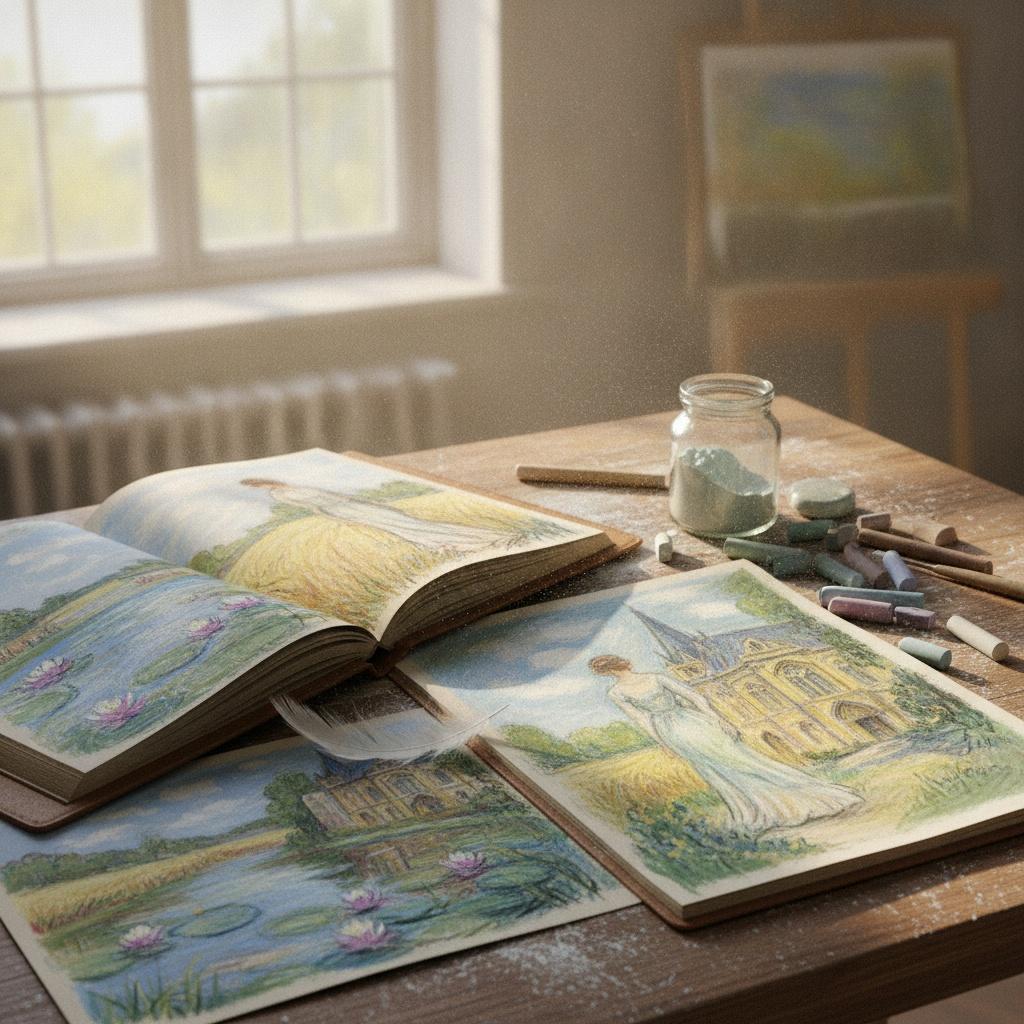
The Soft Magic of Chalk: Capturing Light, Texture, and the Ethereal Soul of Impressionist Masterpieces
Discover the ethereal beauty of pastel and chalk art. Explore how Impressionist masters like Van Gogh and Degas captured light and texture to create timeless, soulful masterpieces for the discerning collector.