

 Visualizar na parede
 Compartilhar
 Compartilhar
 Detalhes
 Guia
Guia

 Baixar imagem
 Semelhantes
 Raio X
 Ver diaporama
 Q&A
Q&A Estatísticas
Lourenço Davi


Uma obra-prima neoclássica que retrata Lourenço Davi em um retrato dignificante, iluminado por uma luz dramática e acompanhado de um caderno aberto, símbolo da intelectualidade artística do pintor francês Jérôme Martin Langlois.
 Ler mais
Jérôme-Martin Langlois (1779-1838): French Neoclassical painter, protégé of Jacques-Louis David. Explore his historical paintings & portraits!
Giclée / Impressão de Arte
Impressão giclée ou em tela de qualidade de museu, com produção rápida e opções flexíveis de acabamento. ( Comprar pintura feita à mão Alternar para Imagem Digital)




P118B €10

P118H €10

P118W €10

P438Z €10

P508JH €12

P508YH €12

P805H €10

P805Z €10

P919BZ €10

P919G €10

P919XJ €10

P959ZH €10

P968JZ €12

W106C €8

W218G €10

W218JH €8

W218Y €10

W307PJ €10

W316G €10

W316PJ €8

W316Y €10

W398PJ €8

W4111J €10

W500HY €15

W500JH €15

W692G €12

W849H €8

W940BG €15

W953PJ €8




Tamanho padrão
personalizado
CM
INCH
Escolha entre os nossos tamanhos pré-definidos que respeitam as proporções originais da obra de arte.
Loading sizes...

largura
altura
Insira a largura e a altura desejadas para se ajustarem à sua moldura ou parede. Uma impressão pode ser apenas cortada, nunca ampliada além da imagem original; portanto, um tamanho com proporções diferentes resultará na perda de parte da imagem. Enviamos uma maquete digital para sua aprovação antes de realizarmos a impressão. A imagem exibida nesta página não mostra o corte real — apenas a maquete o faz.
Entrega mundial () em 2 semanas, em vez das 4/5 semanas padrão. (1 Novembro)

Envio expresso gratuito para todo o mundo

Tela de Linho de Alta Qualidade

Seguro de transporte completo

Garantia de Reembolso de Impostos Alfandegários

Garantia de Fidelidade Cromática

Política de Devolução em 100 Dias (Apenas para Defeitos)

Garantia de reembolso de 100%

Oferta de desconto por quantidade
 A opção de vidro está disponível apenas para tamanhos inferiores a 110 cm

Lourenço Davi
Giclée / Impressão de Arte
Tamanho da Reprodução
-


Preço Total
€ 61
Uma Jornada à Elegância Clássica: Uma Análise da Retrato de Luís David por Jérôme Martin Langlois
A pintura "Louis David" atribuída ao pintor francês Jérôme Martin Langlois representa uma obra que transcende o mero retrato físico, oferecendo um vislumbre profundo das ideias estéticas e filosóficas dominantes na França do início do século XIX. Esta imagem captura a essência da influência neoclássica sobre a arte francesa, consolidada pela figura paterna de Jacques-Louis David, cujo legado artístico permeia toda a produção artística da época.- Contexto Histórico: O retrato surge em um período marcado pela ascensão da burguesia e pelo desejo por uma estética que evocasse os valores da antiguidade clássica – uma reação à exuberância do barroco e ao romantismo emergente. David, como líder intelectual e artístico desse movimento, estabeleceu princípios de ordem, razão e beleza idealizada que influenciaram diretamente Langlois.
- Estilo Neoclássico Refinado: Langlois demonstra maestria na aplicação dos elementos característicos do neoclassicismo. A composição equilibrada, a atenção meticulosa aos detalhes anatômicos e à luz direcionada refletem o desejo de retornar às formas consideradas perfeitas pelos artistas gregos e romanos. Observamos uma busca pela simplicidade formal que contrasta com as emoções exageradas presentes em outras obras da época.
- Técnica Olipada: A pintura apresenta uma técnica meticulosa, evidenciada pela aplicação cuidadosa de camadas de tinta para criar uma textura realista e sutis gradações de cor. O uso de óleo sobre tela permite alcançar profundidade e luminosidade, características essenciais para capturar a beleza idealizada do neoclassicismo.
- Simbolismo da Intelectualidade: A presença do caderno aberto com desenhos revela o papel fundamental da intelectualidade na arte neoclássica. O gesto de Langlois em segurar o caderno simboliza o cultivo do conhecimento e a busca pela perfeição estética, valores que eram considerados supremos pelos artistas e intelectuais da época.
- Impacto Emocional: Apesar da aparente serenidade da imagem, o retrato transmite uma sensação de dignidade e contemplação. O olhar fixo do sujeito e sua postura elegante evocam os ideais de virtude e equilíbrio que eram considerados importantes para a formação do homem neoclássico.
Perguntas e Respostas
Como posso visualizar "Lourenço Davi", de Jérôme Martin Langlois em formato de apresentação de slides?
O diaporama de "Lourenço Davi" pode ser visualizado na página Apresentação de imagens da obra.
"Lourenço Davi", de Jérôme Martin Langlois está em domínio público?
Informação de direitos autorais para "Lourenço Davi", de Jérôme Martin Langlois: a obra está em em domínio público — seus direitos autorais expiraram. Isso determina se reproduções da imagem podem ser feitas livremente.
Onde posso encontrar um guia sobre "Lourenço Davi"?
Uma página de Ficha informativa está disponível para "Lourenço Davi", de Jérôme Martin Langlois: uma ficha informativa imprimível sobre a obra, projetada para estudantes e uso em sala de aula.
Biografia do Artista
A Parisian Beginnings and the Embrace of Neoclassicism
Jérôme-Martin Langlois, born in Paris in 1779, emerged as a significant voice within the refined world of French Neoclassical painting. His artistic journey began under the tutelage of Jacques-Louis David, the preeminent figurehead of the movement and a master whose influence would indelibly shape Langlois’s aesthetic sensibilities. David quickly recognized a spark of talent in the young artist, welcoming him as one of his favored pupils. This mentorship proved invaluable, providing Langlois with a rigorous foundation in draftsmanship, composition, and the ideals of classical beauty that defined the era. The studio of Jacques-Louis David was not merely a place of technical instruction; it was an immersion into a philosophy of art rooted in order, reason, and the emulation of ancient Greek and Roman models. Langlois absorbed these principles wholeheartedly, setting the stage for his own distinguished career.Collaboration with a Master: Early Commissions and Artistic Growth
The early years of Langlois’s career were marked by close collaboration with David on several ambitious projects. He wasn't simply an assistant; he was a contributing artist whose skills were actively sought after. A notable example is his contribution to the monumental painting, Napoleon Crossing the Alps, now housed in Vienna’s Kunsthistorisches Museum. Langlois skillfully rendered the magnificent horse upon which Napoleon is depicted, demonstrating a remarkable ability to capture both anatomical accuracy and dynamic movement. He further honed his skills assisting David on Leonidas at Thermopylae, a powerful depiction of Spartan valor currently displayed in the Musée du Louvre. These experiences were formative, allowing Langlois to learn from a master while simultaneously establishing his own reputation within artistic circles. His dedication and talent did not go unnoticed; he competed for – and achieved recognition through – prestigious awards, including securing the second prize at the Prix de Rome in 1805, followed by the coveted first prize in 1809. This latter achievement granted him a period of study in Rome during the 1810s, an opportunity to immerse himself directly in the classical art and architecture that inspired his artistic vision. A preparatory drawing for his winning Prix de Rome piece, Priam aux pieds d'Achilles, remains preserved at the Musée Magnin in Dijon, offering a glimpse into his creative process. From 1806 onwards, Langlois consistently exhibited his work at the Salon in Paris until 1837, earning further accolades including second prize in 1817 and first prize in 1819.A Flourishing Career: Commissions, Honors, and Artistic Style
Langlois’s career blossomed with a steady stream of commissions that showcased his growing reputation and artistic maturity. In 1822, he was honored with knighthood in the Legion of Honour, a testament to his contributions to French art and culture. His talent extended beyond historical and mythological subjects; he also excelled in portraiture, capturing the likenesses of prominent figures with dignity and grace. A particularly noteworthy commission came while he was in Brussels in 1824: a portrait of Jacques-Louis David himself, which was exhibited in 1831. This work is not merely a depiction of a man; it’s a poignant tribute from one artist to another, revealing the deep respect and admiration Langlois held for his mentor. He became a nominated member of the Académie des Beaux-Arts, solidifying his position within the artistic establishment. Notable works include L'Enlèvement de Déjanire (Museum of Fine Arts, Angers), Le Peintre David (Musée du Louvre), and portraits of influential figures like Urbain de Maillé, Marquis de Brézé, and François Annibal, Duc d’Estrées (Palace of Versailles). Langlois's artistic style remained firmly rooted in Neoclassicism. His paintings are characterized by their emphasis on order, clarity, and idealized forms. He possessed a meticulous attention to detail and a refined sense of composition, creating works that were both visually striking and intellectually engaging.Legacy and Historical Significance
Jérôme-Martin Langlois passed away in Paris in 1838, leaving behind a body of work that continues to resonate with admirers of Neoclassical art. While perhaps not as widely celebrated as his mentor Jacques-Louis David, Langlois played a crucial role in perpetuating the artistic traditions of the era. His paintings offer valuable insights into the cultural values and aesthetic tastes of early 19th-century France. He wasn’t simply imitating David; he was building upon that foundation, adding his own unique voice to the Neoclassical chorus. His dedication to classical principles, combined with his technical skill and artistic sensitivity, ensured that the ideals of order, reason, and beauty continued to flourish in French painting. The enduring appeal of his works lies not only in their aesthetic qualities but also in their ability to transport viewers back to a time when art was seen as a vehicle for moral instruction and civic virtue. His legacy is one of quiet dedication, skillful execution, and a steadfast commitment to the principles that defined a pivotal moment in art history.
Jérôme Martin Langlois
1779 - 1838 , France
Dados Rápidos
- Artistic Movement Or Style: Neoclassicism
- Artists Who Influenced This Artist: ['Jacques-Louis David']
- Date Of Birth: 1779
- Date Of Death: 1838
- Full Name: Jérôme-Martin Langlois
- Nationality: French
- Notable Artworks:
- Napoleon Crossing the Alps
- L'Enlèvement de Déjanire
- Le Peintre David
- Diana and Endymion
- Place Of Birth: Paris, France
Artigos Relacionados
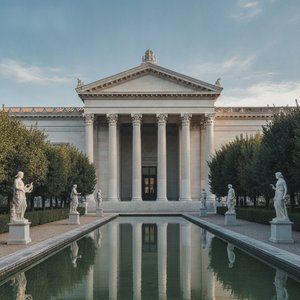
Neoclassicism Unveiled: Discovering the Timeless Elegance and Rational Order of Classical Art
Unveil the timeless elegance of Neoclassicism. Journey through an era defined by reason, order, and the revival of Greco-Roman ideals. Our expert exploration offers a sophisticated look at the transition from Rococo excess to classical precision for the true art enthusiast.
Explore obras de arte organizadas por temas, estilos e características.
