

 Visualizar na parede
 Compartilhar
 Compartilhar
 Detalhes
 Guia
Guia

 Baixar imagem
 Semelhantes
 Raio X
 Ver diaporama
 Q&A
Q&A Estatísticas
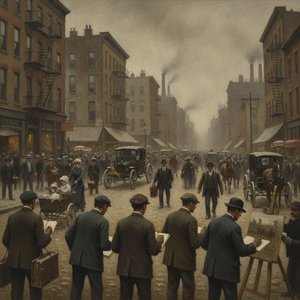
A mechanical Baa-Baa!

- 41.0 x 32.0 cm


Discover John French Sloan’s ‘A mechanical Baa-Baa!’ – a detailed pencil drawing of a Victorian shop scene. Explore realism, nostalgia & intricate mechanics in this 1906 artwork.
 Ler mais
John Sloan (1871-1951) foi um pintor e grabador americano, figura chave da Escola Ashcan e do realismo urbano. Seus retratos vibrantes da vida em Nova York capturam a realidade social e o cotidiano com uma abordagem inovadora e influente.
Giclée / Impressão de Arte
Impressão giclée ou em tela de qualidade de museu, com produção rápida e opções flexíveis de acabamento. ( Comprar pintura feita à mão Alternar para Imagem Digital)




P118B €10

P118H €10

P118W €10

P438Z €10

P508JH €12

P508YH €12

P805H €10

P805Z €10

P919BZ €10

P919G €10

P919XJ €10

P959ZH €10

P968JZ €12

W106C €8

W218G €10

W218JH €8

W218Y €10

W307PJ €10

W316G €10

W316PJ €8

W316Y €10

W398PJ €8

W4111J €10

W500HY €15

W500JH €15

W692G €12

W849H €8

W940BG €15

W953PJ €8




Tamanho padrão
personalizado
CM
INCH
Escolha entre os nossos tamanhos pré-definidos que respeitam as proporções originais da obra de arte.
Loading sizes...

largura
altura
Insira a largura e a altura desejadas para se ajustarem à sua moldura ou parede. Uma impressão pode ser apenas cortada, nunca ampliada além da imagem original; portanto, um tamanho com proporções diferentes resultará na perda de parte da imagem. Enviamos uma maquete digital para sua aprovação antes de realizarmos a impressão. A imagem exibida nesta página não mostra o corte real — apenas a maquete o faz.
Entrega mundial () em 2 semanas, em vez das 4/5 semanas padrão. (1 Novembro)

Envio expresso gratuito para todo o mundo

Tela de Linho de Alta Qualidade

Seguro de transporte completo

Garantia de Reembolso de Impostos Alfandegários

Garantia de Fidelidade Cromática

Política de Devolução em 100 Dias (Apenas para Defeitos)

Garantia de reembolso de 100%

Oferta de desconto por quantidade
 A opção de vidro está disponível apenas para tamanhos inferiores a 110 cm

A mechanical Baa-Baa!
Giclée / Impressão de Arte
Tamanho da Reprodução
-


Preço Total
€ 61
A Mechanical Baa-Baa!: A Glimpse into Victorian Curiosity
John French Sloan’s “A Mechanical Baa-Baa!” isn't merely a depiction of an antique shop; it’s a meticulously crafted narrative frozen in time, offering a poignant window into the burgeoning fascination with industrial innovation and the quiet rhythms of everyday life at the turn of the 20th century. Painted in 1906, during his tenure as a key figure within the Ashcan School movement – an American realist style that championed the gritty realities of urban existence – Sloan masterfully captures a scene brimming with both mechanical wonder and subtle human connection. The artwork immediately draws the viewer into a densely packed interior, dominated by shelves overflowing with intricate automata, gleaming brass instruments, and curious mechanical toys. Two men, their faces partially obscured yet radiating an air of animated conversation, are positioned at the heart of this captivating tableau, suggesting a shared appreciation for the wonders before them.
A Study in Draftsmanship and Texture
Sloan’s technique is remarkably detailed, relying almost entirely on the skillful manipulation of pencil shading to build up an astonishingly rich tapestry of textures. Hatching, cross-hatching, and stippling are employed with precision, creating a palpable sense of volume and form within each object – from the rough grain of the wooden furniture to the polished sheen of the mechanical components. The artist’s mastery lies in his ability to render these disparate surfaces with convincing realism, inviting the viewer to almost reach out and touch the cool metal or feel the worn texture of the aged wood. The deliberate flattening of perspective, a characteristic of illustrative drawings, serves not as a limitation but rather as a strategic device, directing our attention towards the central figures and immersing us within the scene’s contained world.
Symbolism and the Echoes of Nostalgia
Beyond its technical brilliance, “A Mechanical Baa-Baa!” resonates with layers of symbolic meaning. The title itself – a playful juxtaposition of pastoral imagery (“baa-baa,” evoking sheep) and industrial innovation – hints at a broader commentary on the changing landscape of American society. The antique shop, a repository of forgotten technologies and bygone eras, becomes a symbol of nostalgia, prompting reflection on childhood memories and the enduring allure of intricate mechanisms. The two men engaged in conversation likely discuss these objects, perhaps reminiscing about their own youthful fascination with such wonders. There’s an undeniable sense of mystery surrounding their dialogue; what are they debating? What shared experience connects them to this collection of mechanical marvels?
Historical Context and the Rise of Modernity
To fully appreciate “A Mechanical Baa-Baa!” it’s crucial to consider its historical context. The late 19th and early 20th centuries witnessed an unprecedented surge in technological innovation, fueled by advancements in steam power, electricity, and mass production. Automata, mechanical toys, and intricate clocks became increasingly popular status symbols, reflecting a growing fascination with efficiency, precision, and the promise of a mechanized future. Sloan’s artwork captures this spirit of progress while simultaneously acknowledging the sentimental value associated with traditional craftsmanship and the fading allure of simpler times. The painting stands as a testament to a pivotal moment in history – a transition from a largely agrarian society to an increasingly industrialized world.
This meticulously rendered reproduction offers a captivating glimpse into Sloan’s artistic vision and the social landscape of early 20th-century America. Its rich textures, evocative composition, and subtle symbolism make it a compelling addition to any collection or a striking focal point for interior design, transporting viewers back in time to a world brimming with mechanical wonders and quiet contemplation.
Perguntas e Respostas
"A mechanical Baa-Baa!", de John French Sloan é uma obra de tons claros ou escuros?
Os valores registrados para "A mechanical Baa-Baa!", de John French Sloan são: brilliant de brilho e Bright Balance de luminância.
"A mechanical Baa-Baa!" possui uma prévia em realidade aumentada?
Visualize "A mechanical Baa-Baa!", de John French Sloan na sua própria parede através da página de Prévia em RA da obra, utilizando realidade aumentada em um dispositivo compatível.
É possível fazer o download de "A mechanical Baa-Baa!"?
A imagem de "A mechanical Baa-Baa!", de John French Sloan pode ser baixada na página de download da obra: Download download de imagem digital em alta resolução.
Biografia do Artista
Early Life and Artistic Awakening
John French Sloan, nascido em 2 de agosto de 1871, em Lock Haven, Pensilvânia, emergiu de origens humildes que moldaram profundamente sua visão artística. Sua infância foi marcada por uma necessidade familiar de apoio; as lutas financeiras de seu pai resultavam em responsabilidades para o jovem John que iam além de sua idade. Essa exposição precoce à realidade da vida do trabalho – um mundo frequentemente negligenciado pelos círculos artísticos estabelecidos – tornou-se uma característica definidora de seu *oeuvre*. Ele se mudou com sua família para Filadélfia, onde aprimorou suas habilidades inicialmente não por meio de treinamento acadêmico formal, mas como assistente contador na Porter and Coates, uma livraria repleta de gravuras e ilustrações. Esse ambiente provou ser formativo; permitiu que ele estudasse mestres como Dürer e Rembrandt, fomentando um profundo apreço pela técnica de desenho e gravura. Foi ali, no comércio de imagens impressas, que Sloan começou a criar sua própria arte, desenvolvendo silenciosamente um estilo enraizado na observação e no detalhe meticuloso. Seu trabalho inicial não nasceu da riqueza ou do lazer, mas da necessidade e de um olhar aguçado para o mundo ao seu redor – uma base sobre a qual construiria uma carreira notável.The Ashcan School and Urban Realism
A trajetória de Sloan mudou drasticamente com seu encontro com Robert Henri, um pintor carismático que defendia a independência artística e um compromisso em retratar a vida cotidiana. Essa conexão o levou ao coração do que se tornou conhecido como a Escola Ashcan – um grupo de artistas dedicado a representar as duras realidades da Nova York do início do século XX. Ao lado de William Glackens, George Luks, Everett Shinn e outros, Sloan rejeitou os paisagens idealizadas e retratos favorecidos por muitos de seus contemporâneos, concentrando-se em vez disso nas ruas movimentadas, cortiços lotados e vibrante vida social dos bairros mais pobres da cidade. Seu trabalho tornou-se um registro visual desse mundo frequentemente ignorado – capturando cenas do McSorley’s Bar ao cotidiano das mulheres secando o cabelo nos telhados. Sloan não estava apenas documentando; ele estava imbuindo essas cenas de empatia e dignidade, elevando a vida dos cidadãos comuns para a tela. Ele possuía uma capacidade notável de capturar a *essência* da vida do bairro, os gestos sutis e os momentos fugazes que revelavam o caráter de um lugar e seus habitantes. Esse compromisso com o realismo não era simplesmente estético; também estava informado por suas inclinações socialistas, embora sempre mantivesse uma distinção entre sua arte e suas crenças políticas.Style and Influences
O estilo artístico de Sloan é caracterizado por uma mistura distinta de influências. Embora enraizado no realismo, seu trabalho não era desprovido de nuances estilísticas. Ele empregou tons escuros e ricos – frequentemente enfatizando o contraste entre luz e sombra – para criar uma sensação de drama e atmosfera. Suas composições eram cuidadosamente construídas, muitas vezes utilizando diagonais fortes para atrair o olhar do espectador para a cena. A influência da gravura é evidente em sua linha precisa e atenção aos detalhes, mesmo em suas pinturas. Além de Henri, Sloan se inspirou em mestres europeus como Edgar Degas e Honoré Daumier, admirando sua capacidade de capturar movimento e comentário social. No entanto, ele forjou uma voz americana única, que ressoava com a energia e o dinamismo da Nova York. Sua arte não era sobre grandes narrativas ou eventos históricos; era sobre os pequenos momentos, as experiências cotidianas que constituíam a trama da vida urbana. Ele encontrou beleza no banal, transformando cenas ordinárias em obras de arte convincentes. *A Trilha do Ferry*, por exemplo, exemplifica sua capacidade de imbuir uma cena aparentemente simples com profundidade emocional e ressonância simbólica.Major Achievements and Legacy
John French Sloan alcançou inúmeros feitos ao longo de sua carreira. Sua participação na Escola Ashcan ajudou a desafiar as convenções artísticas da época, abrindo caminho para artistas que buscavam retratar a vida urbana com honestidade e autenticidade. Suas pinturas e gravuras documentaram a vida dos trabalhadores, dos imigrantes e das classes mais baixas de Nova York, oferecendo um vislumbre raro de suas vidas e lutas. Sloan também foi um artista versátil, trabalhando em várias mídias – pintura, gravura, litografia, desenho – e explorando consistentemente temas de vida urbana, justiça social e conexão humana. Seu compromisso em retratar a realidade da vida do trabalho pavimentou o caminho para futuras gerações de artistas que buscavam desafiar as normas artísticas convencionais e se envolver com questões sociais. Ele foi um professor dedicado, compartilhando seu conhecimento e paixão com inúmeros alunos ao longo de sua carreira. Mesmo à medida que os gostos artísticos evoluíam, Sloan permaneceu fiel à sua visão, pintando cenas que refletiam sua profunda conexão com Nova York e seus habitantes. Sua obra continua a ressoar hoje, oferecendo um vislumbre pungente de uma época passada e nos lembrando do poder duradouro da arte para iluminar a condição humana. **Suas pinturas não são meros documentos históricos; são retratos atemporais da vida, do amor e da perda.** A influência de Sloan pode ser vista nas obras de artistas subsequentes e continua a inspirar aqueles que buscam encontrar beleza e significado no mundo cotidiano.
John French Sloan
1871 - 1951 , Estados Unidos da América
Dados Rápidos
- Artistic Movement Or Style: Ashcan School, Realismo
- Artists Or Movements Influenced By This Artist: ['Futuras gerações']
- Artists Who Influenced This Artist: ['Robert Henri']
- Date Of Birth: 2 de agosto de 1871
- Date Of Death: 7 de setembro de 1951
- Full Name: John French Sloan
- Nationality: Americano
- Notable Artworks:
- A mechanical Baa-Baa!
- Fall do Greenwich Village Bastille
- Place Of Birth: Lock Haven, EUA
Artigos Relacionados
The Ashcan School: Capturing the Raw, Unfiltered Soul of Urban Life through American Realism
Discover the raw beauty of the Ashcan School. Explore how masters like Bellows and Henri captured the gritty, vibrant soul of early 20th-century New York through profound American Realism and evocative urban landscapes.
Explore obras de arte organizadas por temas, estilos e características.
