


 Visualizar em escala
 Enviar
 Compartilhar
 Ver detalhes
 Guia de Obras do Aluno

 Baixar imagem
 Semelhantes
 Raio X
 Apresentação de slides
 Estatísticas
Emerald Pool
 Impressionism
 1895
1895 63.0 x 63.0 cm
Discover John Henry Twachtman’s ‘Emerald Pool,’ a stunning Impressionist landscape capturing Yellowstone’s beauty. Explore this 1895 oil painting's serene details & artistic vision. #Impressionism #Art
 Ver mais
John Henry Twachtman (1853-1902): Um pioneiro da Impressão e Tonalismo americano. Explore suas paisagens atmosféricas, como 'Arques-la-Bataille', e sua influência na arte do século XX.
Giclée / Impressão de Arte
Impressão giclée ou em tela de qualidade de museu, com produção rápida e opções flexíveis de acabamento. ( Encomendar reprodução pintada à mão Ver Imagem Digital)




P118B €10

P118H €10

P118W €10

P438Z €10

P508JH €12

P508YH €12

P805H €10

P805Z €10

P919BZ €10

P919G €10

P919XJ €10

P959ZH €10

P968JZ €12

W106C €8

W218G €10

W218JH €8

W218Y €10

W307PJ €10

W316G €10

W316PJ €8

W316Y €10

W398PJ €8

W4111J €10

W500HY €15

W500JH €15

W692G €12

W849H €8

W940BG €15

W953PJ €8




Padrão
sob medida
CM
INCH
Escolha entre os nossos tamanhos pré-definidos que respeitam as proporções originais da obra de arte.
Loading sizes...

largura
altura
Você pode inserir suas próprias dimensões para se ajustar a uma moldura ou espaço específico. Se o tamanho selecionado não corresponder às proporções da imagem original, iremos recortar a obra de arte ou estender a imagem com uma borda espelhada ou preenchimento sólido. Um mockup digital será enviado para sua aprovação antes do início da produção.
Por favor, observe que a visualização na tela não reflete o recorte ou a extensão real. Apenas o mockup mostrará com precisão a composição final.
Embora tamanhos personalizados estejam disponíveis, recomendamos selecionar uma dimensão da lista predefinida para preservar as proporções originais.
Entrega mundial () em 2 semanas, em vez das 4/5 semanas padrão. (11 Outubro)

Envio expresso gratuito para todo o mundo

Tela de Linho Premium

Seguro de transporte total

Garantia de Reembolso de Impostos Alfandegários

Garantia de Fidelidade de Cor

Política de Devolução em 100 Dias (Apenas para Defeitos)

Garantia de reembolso de 100%

Desconto para múltiplas unidades
 A opção de vidro está disponível apenas para tamanhos inferiores a 110 cm

Emerald Pool
Giclée / Impressão de Arte
Dimensões da Reprodução
-


Preço Total
€ 59
A Glimpse of Serenity: Exploring Twachtman’s *Emerald Pool*
John Henry Twachtman's *Emerald Pool*, painted in 1895, is a captivating example of American Impressionism at its finest. Measuring 63 x 63 cm, this oil on canvas transports viewers to a tranquil landscape – likely inspired by Yellowstone National Park – where the boundary between reality and atmospheric suggestion beautifully blurs. The scene depicts a serene body of water, reflecting the snow-capped mountains in the distance, framed by delicate trees and brush. It’s not merely a depiction *of* nature, but an evocation *of* its feeling—a quietude that resonates deeply with the soul.Impressionistic Technique & Tonalist Influences
Twachtman masterfully employs loose, visible brushstrokes and a vibrant yet harmonious color palette to capture the fleeting effects of light and atmosphere. This is quintessential Impressionism – prioritizing sensory experience over precise representation. However, *Emerald Pool* also reveals strong influences from Tonalism, an American artistic movement emphasizing mood and subtle harmonies. Notice how Twachtman utilizes muted tones and soft gradations to create a sense of depth and mystery. The painting isn’t about sharp details; it's about the overall impression – the shimmer on the water, the cool air emanating from the mountains, the peaceful stillness of the scene. This delicate balance between Impressionistic vibrancy and Tonalist subtlety is what makes Twachtman’s work so unique.Historical Context & Artistic Legacy
Painted during a period of significant artistic change in America, *Emerald Pool* reflects a growing desire to forge an independent national identity in art. Twachtman, having studied extensively in both Europe and the United States, brought a sophisticated understanding of contemporary styles back home. He became a key figure in the Cos Cob Art Colony in Connecticut – one of the earliest Impressionist communities in America. His work helped pave the way for future generations of American landscape painters, influencing artists who sought to capture the beauty and spirit of the American wilderness. Other notable works by Twachtman, such as *Edge of the Emerald Pool, Yellowstone* and *The Rapids, Yellowstone*, further demonstrate his fascination with capturing the majesty of natural landscapes.Symbolism & Emotional Resonance
Beyond its aesthetic beauty, *Emerald Pool* invites contemplation on themes of tranquility, reflection, and the sublime power of nature. The pool itself can be seen as a symbol of introspection – a mirror reflecting not only the surrounding landscape but also our own inner world. The distant mountains represent enduring strength and timelessness, while the delicate trees suggest vulnerability and resilience. Ultimately, the painting’s emotional impact is one of peaceful contemplation. It offers a respite from the chaos of modern life, inviting viewers to immerse themselves in the serenity of the natural world and reconnect with their own sense of inner peace. It's a piece that would lend itself beautifully to a variety of interior spaces – bringing a touch of calm sophistication to any room.Perguntas e Respostas
Qual era a idade de John Henry Twachtman quando "Emerald Pool" foi criada?
John Henry Twachtman criou "Emerald Pool" aos 42 anos. O artista nasceu em 1853 e a obra data de 1895.
Como é construída a composição cromática de "Emerald Pool" de John Henry Twachtman?
A análise cromática de "Emerald Pool" de John Henry Twachtman registra um contraste Statement e uma harmonia Discordant Palette.
Quem é o autor e qual é a data de "Emerald Pool"?
O autor de "Emerald Pool" é John Henry Twachtman, e a obra data de 1895.
Qual é a data de criação de "Emerald Pool" de John Henry Twachtman?
"Emerald Pool" data de 1895. A data situa a obra na carreira de John Henry Twachtman e em sua época.
A qual artista "Emerald Pool" é atribuída?
"Emerald Pool" é atribuída a John Henry Twachtman.
Onde "Emerald Pool" se posiciona dentro da obra de John Henry Twachtman?
"Emerald Pool" pertence à obra Impressionism de John Henry Twachtman, cujos temas recorrentes incluem impressionist light & color, landscape aesthetics", nature's tranquility, american wilderness", natural beauty, early 20th-century views, "twacht.
De que forma o tema de "Emerald Pool" se relaciona com os temas habituais de John Henry Twachtman?
"Emerald Pool" retrata landscape, yellowstone, mountains, water, snowscape, impressionism, nature, reflection, enquanto os temas recorrentes de John Henry Twachtman são impressionist light & color, landscape aesthetics", nature's tranquility, american wilderness", natural beauty, early 20th-century views, "twacht. A comparação entre ambos revela como a obra se relaciona com os temas habituais do artista.
Obras Relacionadas


Biografia do Artista
A Pioneer of American Impressionism: The Life and Art of John Henry Twachtman
John Henry Twachtman, nascido em Cincinnati, Ohio, em 4 de agosto de 1853, é uma figura fundamental no desenvolvimento do Impressionismo americano. Sua jornada, desde a formação acadêmica até um estilo profundamente pessoal, reflete não apenas sua evolução artística, mas também as mudanças mais amplas que ocorreram no mundo da arte americana durante o final do século XIX e início do século XX. A história de Twachtman é uma busca constante por explorar, uma inquietação em capturar a atmosfera e a emoção através da cor e da luz, deixando uma marca indelével na tradição da paisagem. Sua base inicial na arte veio sob a tutela de Frank Duveneck em sua cidade natal, uma experiência formativa que lhe inculcou uma dedicação à observação direta e um recusa em representações excessivamente idealizadas. Essa formação precoce lançou as bases para sua posterior adoção de técnicas mais progressistas.Influências Europeias e a Adoção do Tonalismo
Impulsionado por uma ambição de refinar suas habilidades e ampliar seus horizontes artísticos, Twachtman embarcou em um período de estudo na Europa que se mostrou transformador. Entre 1875 e 1877, frequentou a Academia de Artes Finas em Munique, onde absorveu os princípios de uma técnica solta e sombreada, prevalecente na época. Uma visita subsequente a Veneza com William Merritt Chase acendeu ainda mais sua paixão por capturar as nuances da luz e da atmosfera. Essas experiências europeias foram cruciais para moldar sua visão artística, mas Twachtman nunca simplesmente copiou o que encontrou no exterior; em vez disso, sintetizou essas influências em algo distintamente seu. O período entre 1883 e 1885 o viu em Paris, na Académie Julian, um ponto de virada onde seu estilo começou a se consolidar em uma abordagem mais suave e atmosférica – um movimento que definiria sua estética característica. Foi durante esse interlúdio parisiense que ele abraçou totalmente o Tonalismo, caracterizado por cores suaves, gradações sutis de tom e ênfase na criação de humor e atmosfera. Obras como *Arques-la-Bataille*, agora residindo no Metropolitan Museum of Art, exemplificam este período, demonstrando sua maestria nas harmonias tonais e paisagens evocativas.A Colônia de Cos Cob e um Estilo Impressionista Pessoal
Ao retornar aos Estados Unidos, Twachtman se estabeleceu em Connecticut, comprando uma fazenda em Greenwich que se tornaria tanto lar quanto santuário artístico. Sua presença na emergente colônia de Cos Cob do artifício foi fundamental, fomentando uma comunidade criativa vibrante onde ideias eram trocadas livremente e a experimentação era encorajada. Ele não era apenas um artista residente; tornou-se um catalisador, inspirando seus amigos e alunos com suas técnicas inovadoras e abordagem filosófica à pintura. Esse período viu Twachtman ir além do Tonalismo estrito em direção a uma forma altamente pessoal de Impressionismo. Embora mantivesse a ênfase na atmosfera e na luz, suas obras posteriores demonstram um uso mais ousado da cor e um pincelada mais dinâmica. Frequentemente pintava paisagens nevadas de sua fazenda e jardim, transformando cenas familiares em meditações poéticas sobre a beleza da natureza. Sua série de cenas vibrantes em Gloucester, Massachusetts, prenunciava uma sensibilidade mais moderna na arte americana, antecipando as explorações abstratas que viriam depois.Legado e Impacto Duradouro
A morte prematura de John Henry Twachtman em 1902, aos quarenta e nove anos, interrompeu uma carreira promissora, mas sua influência continuou a ressoar através das gerações posteriores de artistas americanos. Ele deixou para trás um corpo de trabalho que é celebrado por sua sensibilidade poética, maestria técnica e abordagem inovadora à pintura de paisagens. Suas pinturas não são meras representações de lugares; são evocações de humor, atmosfera e a conexão emocional entre a humanidade e a natureza. Twachtman contribuiu para além de suas telas individuais; ele desempenhou um papel vital na consolidação do Impressionismo americano como um movimento artístico distinto. Ele foi membro da “Ten American Painters”, um grupo de artistas que buscavam romper com as restrições das instituições de arte tradicionais e forjar seu próprio caminho. *Landscape 3*, com sua representação serena da natureza, exemplifica sua abordagem tonalista, enquanto obras como *Reflexões* demonstram sua habilidade em capturar momentos fugazes de luz e atmosfera. Seu legado é ainda reforçado por peças como *Brook among the Trees*, uma pintura pastel cativante que exibe a beleza e a tranquilidade do mundo natural. Twachtman’s innovative spirit continues to inspire artists today, solidifying his place as a true pioneer of American Impressionism and a master of tonal landscape painting.Principais Obras
- Landscape 3 (c. 1894-1902): Um exemplo fundamental de sua abordagem tonalista, demonstrando sua maestria nas harmonias tonais e perspectivas atmosféricas sutis.
- Arques-la-Bataille (1885): Pintada durante seu tempo em Paris, esta obra exemplifica a influência do Impressionismo francês em seu estilo.
- Reflexões (c. 1902): Uma representação serena de uma cena de dock, capturando o jogo de luz e sombra na água.
- Brook among the Trees (c. 1891): Uma pintura pastel cativante que exibe sua capacidade de transmitir tranquilidade e beleza natural.
- The Holland Dyke (c. 1886-1890): Demonstra sua habilidade em capturar efeitos atmosféricos e variações tonais sutis.

John Henry Twachtman
1853 - 1902 , Estados Unidos da América
Informações Rápidas
- Artistic Movement Or Style: Impressionismo, Tonalismo
- Artists Or Movements Influenced By This Artist: ['Impressionismo Americano']
- Artists Who Influenced This Artist:
- Frank Duveneck
- William Chase
- Date Of Birth: 4 de agosto de 1853
- Date Of Death: 8 de agosto de 1902
- Full Name: John Henry Twachtman
- Nationality: Americano
- Notable Artworks:
- Arques-la-Bataille
- Reflexões
- Córrego entre as Árvores
- Place Of Birth: Cincinnati, Estados Unidos
Artigos Relacionados
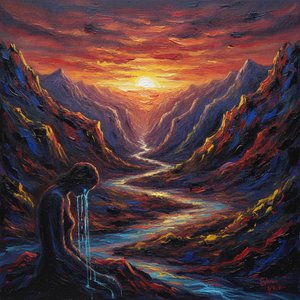
Capturing Emotion: A Journey Through the Soul of Expressionist Landscapes
Explore the profound emotional depth of Expressionist landscapes. Discover how Post-Impressionist masters moved beyond light to capture the soul through vibrant color and form. A curated journey for true art lovers seeking the beauty of expressive mastery.
Explore obras de arte organizadas por temas, estilos e características.


