
 Visualizar na parede
 Compartilhar
 Compartilhar
 Detalhes
 Guia
Guia

 Baixar imagem
 Semelhantes
 Raio X
 Ver diaporama
 Perguntas e Respostas
 Estatísticas
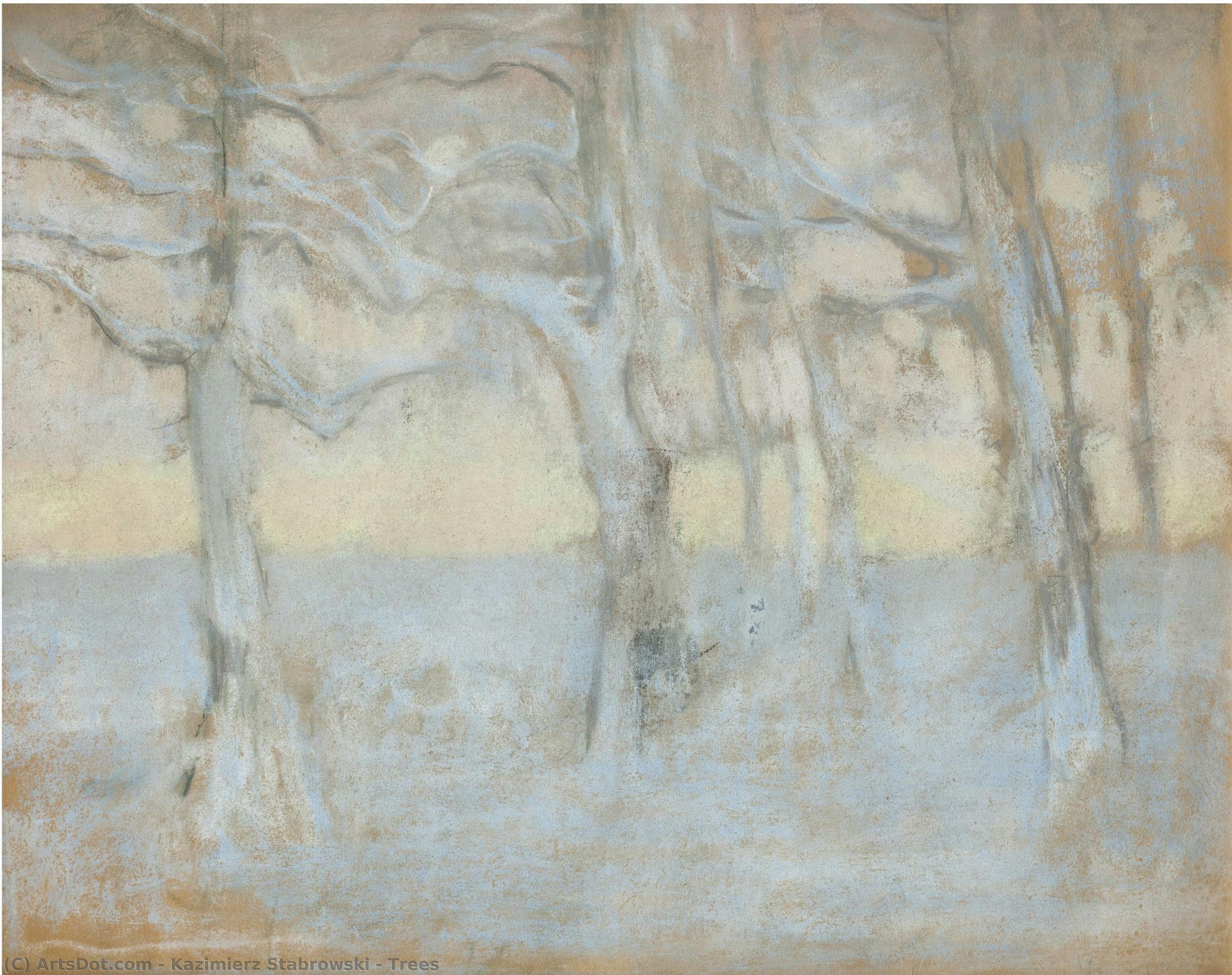
Trees

- 47.0 x 63.0 cm


Explore Kazimierz Stabrowski's 'Trees' (1895), a mesmerizing pastel blending symbolism and romanticism. Witness nature's transformation in this unique Polish masterpiece.
 Ler mais
Descubra Kazimierz Stabrowski (1869-1929), renomado pintor polonês conhecido por suas paisagens simbolistas oníricas e cenas românticas. Diretor da Academia de Belas Artes de Varsóvia e fundador da Sociedade Teosófica na Polônia.
Obtenha um arquivo pronto para impressão que vai muito além da visualização na web. Cada imagem digital que vendemos provém de um arquivo mestre de alta resolução em nosso banco de dados — geralmente entre 5.000 e 15.000 pixels de largura — para que você possa imprimir em grandes formatos, realizar cortes precisos ou reproduzir detalhes minuciosos com total confiança.
Nenhum arquivo sai do nosso estúdio sem passar por um cuidadoso processo de revisão. Um especialista digital verifica as cores em relação à pintura original e as corrige se necessário, aumentando então a clareza e o detalhe com ferramentas profissionais de retoque — sempre mantendo a fidelidade às pinceladas e ao estilo do artista. O resultado é uma imagem que se assemelha à pintura, e não a um scan com filtros.
Aprovação antes da finalização: nosso especialista enviará a imagem por e-mail em até 72 horas para sua revisão. Não ficou satisfeito? Solicite melhorias ou correções, ou peça o reembolso caso a qualidade não atenda às suas expectativas.
Esta é a qualidade em que confiam editoras, estúdios de design, galerias e gráficas.
Imagem Digital
Baixe um arquivo de alta resolução para exibição pessoal, impressão e projetos criativos. ( Alternar para Impressão Comprar pintura feita à mão)
Incluído em cada compra de imagem digital
Entrega Digital Especializada e Garantida
Ao escolher o TopImpressionists.com, você não está apenas adquirindo uma imagem — você está recebendo uma obra de arte digital profissionalmente aprimorada, elaborada com precisão e com garantia de satisfação. Aqui está tudo o que acompanha seu pedido, automaticamente:

Entrega rápida por e-mail
O seu arquivo de imagem digital em alta resolução será enviado por e-mail em até 72 horas após o pedido — pronto para uso imediato.

Arquivo Digital com IA Otimizado
Sua obra de arte é otimizada profissionalmente por meio de ferramentas avançadas de IA e edição manual, garantindo o máximo de detalhes, clareza e precisão de cores.

Reenvio gratuito vitalício
Apagou ou perdeu o seu ficheiro acidentalmente? Não se preocupe – nós reenviamos para si a qualquer momento, gratuitamente.

Sem Taxas de Importação - Sempre
Desfrute da sua obra de arte instantaneamente, sem taxas alfandegárias, impostos ou custos de entrega — downloads digitais são sempre isentos de taxas.

Garantia de Fidelidade de Cores
Garantimos que sua imagem digital reflita as cores originais com a maior fidelidade possível, utilizando ferramentas profissionais e gerenciamento de cores.

Garantia de satisfação de 100 dias
Se não estiver satisfeito com a sua imagem digital, nós a revisaremos ou reembolsaremos 100% dentro de 100 dias — sem perguntas.

Garantia de Reembolso 100%
Não está satisfeito? Receba o reembolso total em até 100 dias após o recebimento do seu arquivo digital — sem perguntas.

Descontos para pedidos em lote
Compre 3 imagens, economize 10% - Compre 5, economize 15% - Compre 10+, economize 20%. Ideal para projetos criativos, galerias e agências.
Kazimierz Stabrowski's "Trees": A Symbolist Landscape of Transformation
- Artist: Kazimierz Stabrowski (1869-1929)
- Date: 1895
- Medium: Pastel on paper
- Size: 47 x 63 cm
Kazimierz Stabrowski's "Trees" is a captivating pastel drawing that transcends simple representation, offering instead a glimpse into the artist’s exploration of symbolism and romanticism within the natural world. This work, created in 1895, showcases a pivotal moment in Stabrowski's artistic development as he moves away from strict realism towards abstraction, while retaining a profound emotional depth.
Subject Matter & Composition
"Trees" depicts a cluster of trees set against what appears to be a beach or shoreline. The composition is dominated by the verticality of the tree trunks and branches, rendered with loose, flowing lines and blended colors. Unlike traditional landscape paintings that prioritize accurate depiction, Stabrowski prioritizes conveying an atmosphere and feeling. There's no clear focal point; instead, the eye wanders across the dense visual field created by the clustered trees, eventually settling on the hazy background suggesting a distant shoreline. The horizontal format emphasizes the breadth of the scene while maintaining a sense of intimacy through the close proximity of the trees in the foreground.
Style and Technique: A Shift Towards Abstraction
The artwork exemplifies a transition towards abstraction. Stabrowski’s technique is characterized by loose, gestural strokes that capture the essence of the trees rather than their precise form. The blending of colors—primarily muted tones of beige, grey, blue, and brown with subtle hints of yellow and green—creates a hazy, dreamlike effect. This soft palette contributes to the overall melancholic and contemplative mood. The use of pastels lends itself beautifully to this style, creating a velvety texture that enhances the sense of depth and dimension. The lines themselves are not sharp or defined but rather flow into one another, suggesting movement and growth within the trees. It's worth noting the similarities in tree depiction with those found in Mikalojus Konstantinas Čiurlionis’ “Winter” collection (1907), highlighting a shared artistic sensibility of the time.
Symbolism & Emotional Impact
Beyond its aesthetic qualities, "Trees" carries significant symbolic weight. The transforming trees represent change, growth, and potentially even spiritual evolution—themes central to Stabrowski’s interest in symbolism and romanticism. The artist's intention was not merely to depict a scene but to express ideas, feelings, and experiences through the landscape. The hazy atmosphere and muted colors evoke a sense of longing or introspection, inviting viewers to contemplate their own connection to nature and the passage of time. This work is more than just a depiction of trees; it’s an exploration of the human condition within the context of the natural world.
Historical Context & Artistic Significance
Created during a period of artistic experimentation, "Trees" reflects the broader shift away from realism and towards symbolism and abstraction in late 19th-century art. Stabrowski’s work stands as an important example of Polish Symbolism, demonstrating a desire to move beyond mere representation and explore deeper emotional and spiritual truths. His exploration of these themes, combined with his later involvement in the Theosophical Society, further enriches the interpretation of this evocative pastel drawing.
Perguntas e Respostas
Quais temas aparecem em "Trees", de Kazimierz Stabrowski?
Os temas de "Trees" são trees, landscape, symbolism, romanticism, pastel, nature, abstraction, polish art.
De que forma o tema de "Trees" se relaciona com os temas habituais de Kazimierz Stabrowski?
"Trees" retrata trees, landscape, symbolism, romanticism, pastel, nature, abstraction, polish art, enquanto os temas recorrentes de Kazimierz Stabrowski são symbolism & romanticism, čiurlionis’ landscape style, transformation and change, spiritual evolution symbolism, polish national identity, exploration of nature's power, early exploration of abstraction. A comparação entre ambos revela como a obra se relaciona com os temas habituais do artista.
Qual paleta de cores é utilizada em "Trees", de Kazimierz Stabrowski?
A paleta de "Trees", de Kazimierz Stabrowski é descrita como Monochrome. Trata-se de uma descrição concisa das cores da obra.
Biografia do Artista
primeiros anos e educação
kazimierz stabrowski, um renomado pintor polonês, nasceu em 1869 em navahroudak, bielorrússia. Ele seguiu seus estudos na academia de belas artes de Varsóvia, instituição onde mais tarde assumiria o cargo de diretor. Este papel fundamental não apenas demonstrou sua destreza artística, mas também consolidou sua profunda influência sobre a próxima geração de artistas.estilo artístico e obras notáveis
A obra de stabrowski é caracterizada por uma qualidade onírica e simbólica, frequentemente fundindo elementos do simbolismo e do romantismo. Uma de suas peças mais celebradas, a donzela da neve (1891), exemplifica este estilo único, que cativa entusiastas da arte há mais de um século.fundação da sociedade teosófica na polônia
Além de suas conquistas artísticas, stabrowski desempenhou um papel significativo no estabelecimento das primeiras lojas da sociedade teosófica na polônia. Esta sociedade filosófica, fundada nos princípios da espiritualidade e do ocultismo, ressalta ainda mais a natureza multifacetada de stabrowski.legado e vida tardia
Stabrowski faleceu em 1929, em garwolin, polônia, deixando um legado que continua a inspirar artistas e amantes da arte da mesma forma. Sua influência pode ser vista em vários aspectos da arte polonesa, desde a academia de belas artes em Varsóvia até suas inúmeras obras simbólicas e românticas.obras selecionadas de kazimierz stabrowski na TopImpressionists.com
- espírito das montanhas (105 x 85 cm, lithuanian art fund, vilnius, lithuania, óleo sobre tela) - um exemplo quintessencial do estilo simbólico de stabrowski.
- coliseu ao luar (47 x 65 cm, lithuanian art fund, vilnius, lithuania, pastel) - esta peça demonstra a habilidade de stabrowski em capturar paisagens etéreas.
- árvores (47 x 63 cm, lithuanian art fund, vilnius, lithuania, pastel) - uma mistura única de realismo e imagética abstrata, característica do trabalho tardio de stabrowski.
museus que apresentam a obra de kazimierz stabrowski na TopImpressionists.com
- lithuanian art fund (vilnius, lithuania) - esta instituição abriga diversas obras notáveis de stabrowski, incluindo as mencionadas acima.

Kazimierz Stabrowski
1869 - 1929 , Bielorrússia
Breve Biografia
- Artistic Movement Or Style: Simbolismo
- Artists Who Influenced This Artist:
- Gustav Klimt
- Jean Sibelius
- Date Of Birth: 21 de novembro de 1869
- Date Of Death: 10 de junho de 1929
- Full Name: Kazimierz Stabrowski
- Nationality: Polonês
- Notable Artworks:
- A Donzela da Neve
- Árvores
- Roma. Fontana Dei Cavalli Marini
- Place Of Birth: Kruplyany, Belarus